From a modest summer pour to a €25 million regional powerhouse: how visionary winemakers transformed Campania’s ancient grape into a global benchmark of coast, volcano, and long-aging potential.
Over the past thirty years, Falanghina has moved from a simple summer white to one of the most commercially solid pillars of Campania’s wine industry.
Its evolution began when Mustilli first bottled it as a single-varietal wine in the 1970s, followed by the technical and commercial developments led by Luigi Moio, Feudi di San Gregorio, and large cooperatives like La Guardiense. Together, they revealed a wide enological range: saline and linear along the coast, structured and age-worthy in the inland areas of Sannio and Irpinia, and suited to Metodo Classico production.
The modern success is rooted in ancient history, traceable to Magna Graecia and Rome. The name itself preserves its agricultural origin, derived from falangae—the wooden stakes introduced by the Greeks to support the vines. As the agricultural foundation of legendary Roman Falernum, praised by Pliny the Elder in his Naturalis Historia, it was historically aged in terracotta amphorae for long cellaring, a quality that later earned it a place at the Royal Court of Naples and on papal wine lists.
Today, the historical heritage supports a modern production model that balances high-volume distribution with high-end culinary positioning.
Economic Impact: A €25 Million Engine
Falanghina now represents a primary driver for Campania’s wine sector. Having expanded far beyond regional boundaries, the grape stands as a top-tier economic asset for the entire industry.
Data compiled by ISMEA (Institute of Services for the Agricultural and Food Market) and the UIV Wine Observatory (Unione Italiana Vini) shows that the Falanghina del Sannio DOC appellation alone releases 4,781,835 certified bottles onto the market annually. The volume impacts the entire regional ecosystem, with Falanghina accounting for 20% to 25% of all DOC and IGP wine production in Campania—meaning one in every four glasses poured from the region is Falanghina.
The success story has crossed national borders. With an annual export value estimated between €22 million and €25 million, Falanghina has earned a permanent place on wine lists across strategic international markets: from the United States to the United Kingdom, Germany, Northern Europe, and Japan.
The Many Faces of Falanghina: Volcano, Sea, and Mountain
Its identity unfolds primarily along two geographic and sensory axes: the volcanic and maritime matrix of the Phlegraean Fields (Campi Flegrei) and the Amalfi Coast, rich in iodine and minerality; and the solid, complex structure of Sannio and Irpinia.
Cucine d’Italia has selected the finest Falanghina labels that best represent the excellence of this great Italian white wine.
Great Crus and Longevity: Structure and Complexity
For those seeking a Falanghina endowed with body, aromatic amplitude, and a palate structure that gracefully withstands demanding fine-dining pairings.
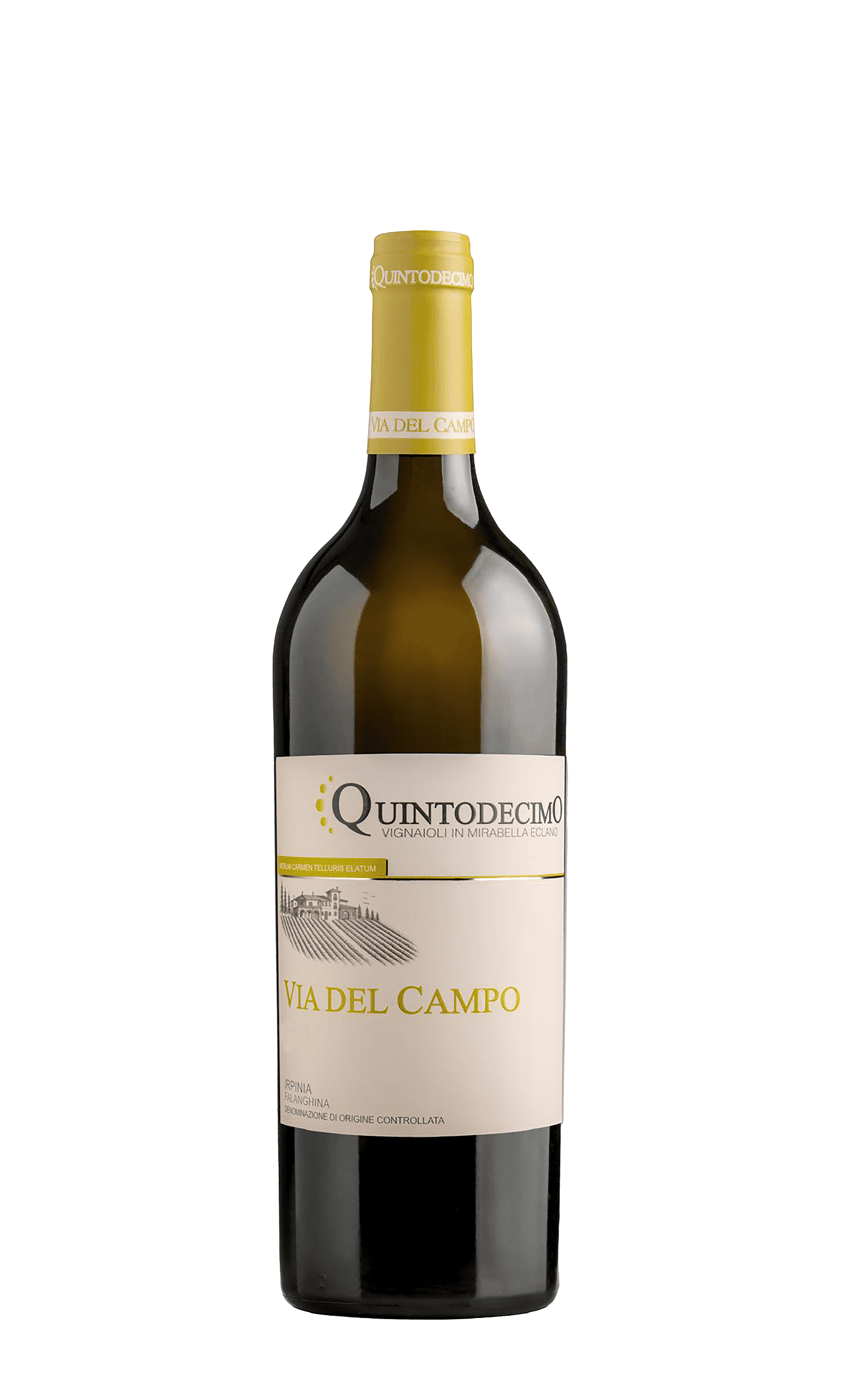
Quintodecimo – Via del Campo (Irpinia DOC)
Under the guidance and vision of Luigi Moio, Falanghina attains one of its most refined expressions. Partial barrel fermentation yields a silky, dense wine driven by exotic fruit and Mediterranean scrub, boasting an extraordinary aging potential that comfortably exceeds a decade.
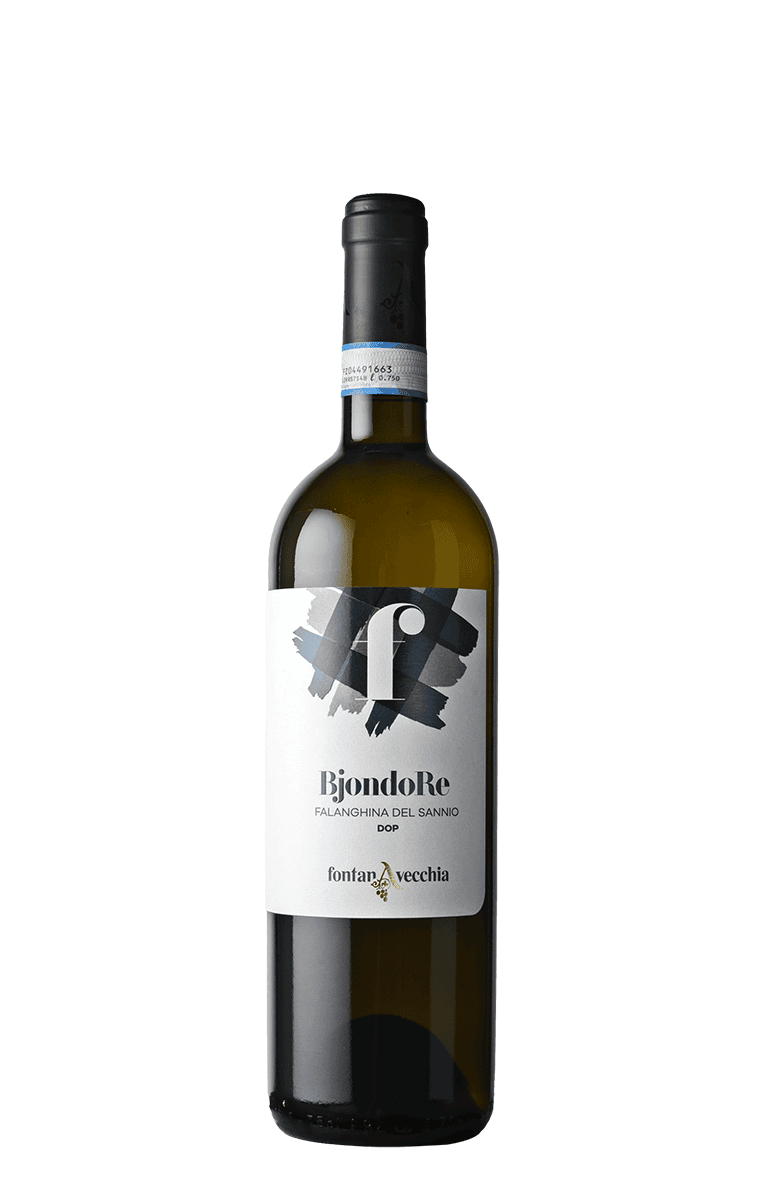
Fontanavecchia – Libero F / BjondoRe (Taburno DOC)
In Taburno, Libero Rillo interprets the variety by endowing it with a vibrant acidic backbone and impressive structure. Whether choosing the aromatic complexity of BjondoRe or the single-plot intensity of Libero F, it stands as proof of how this terroir can yield wines of serious depth.
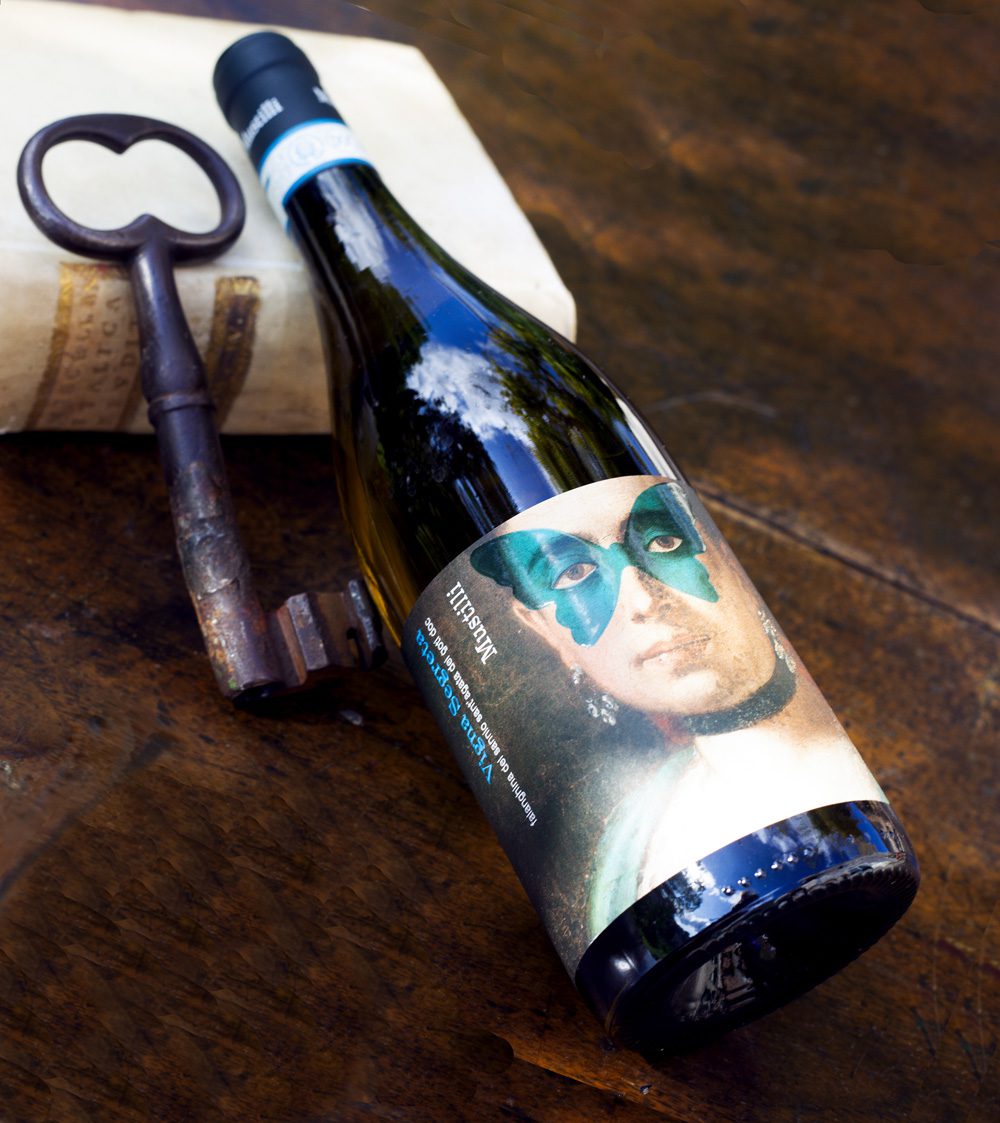
Mustilli – Sant’Agata dei Goti Vigna Segreta (Sannio DOC)
A name that is pure history: the Mustilli family was the first to vinify and bottle Falanghina as a single varietal back in the 1970s. The Vigna Segreta cru celebrates this legacy with a measured, balsamic, floral style of rare finesse.
The Marine and Volcanic Matrix: Campi Flegrei and Amalfi Coast
Here, Falanghina breathes the sea air and roots itself in volcanic ash and lapilli. The profile becomes linear, savory, almost saline, yielding wines with vibrant drinkability and striking freshness.
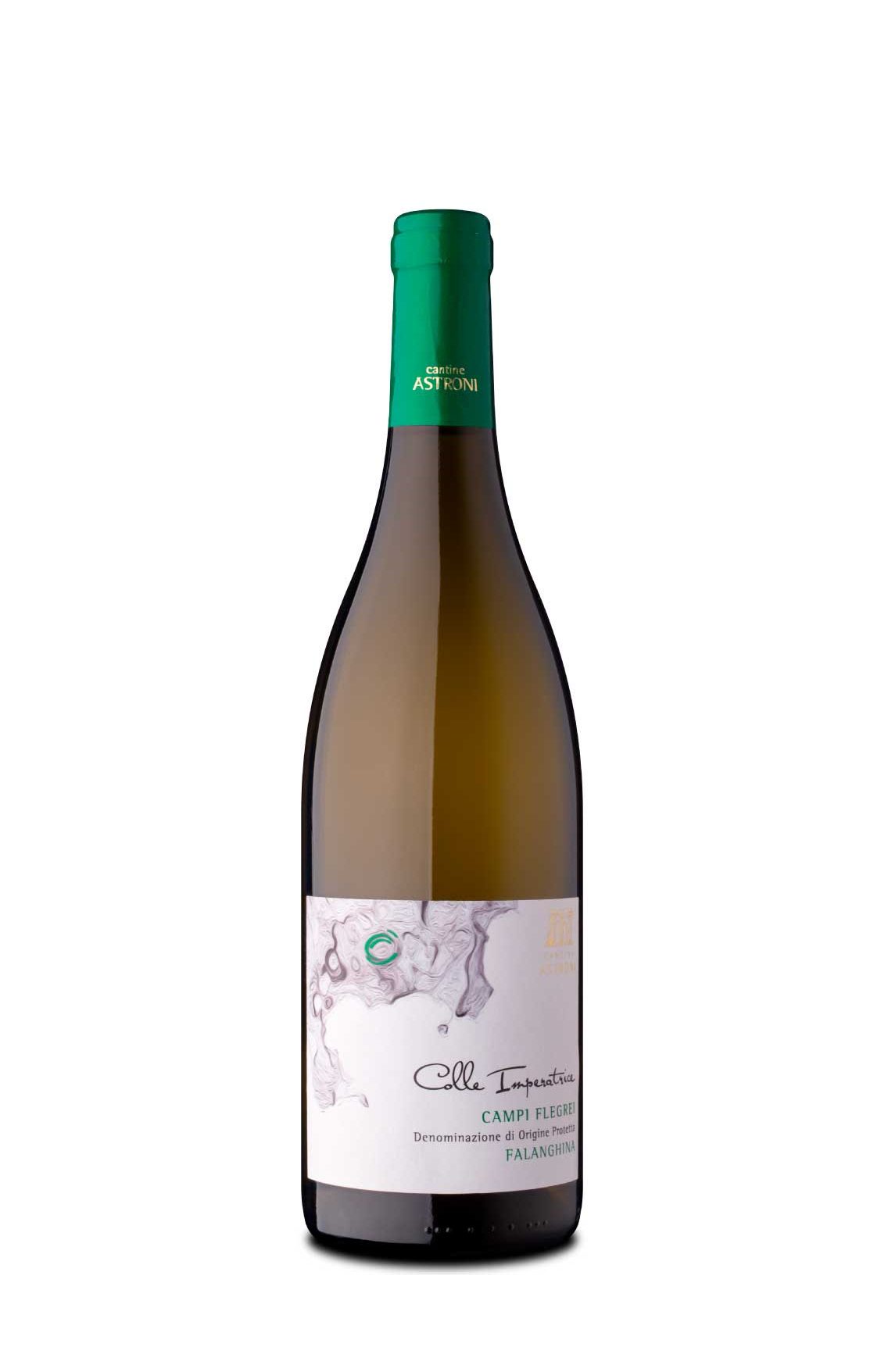
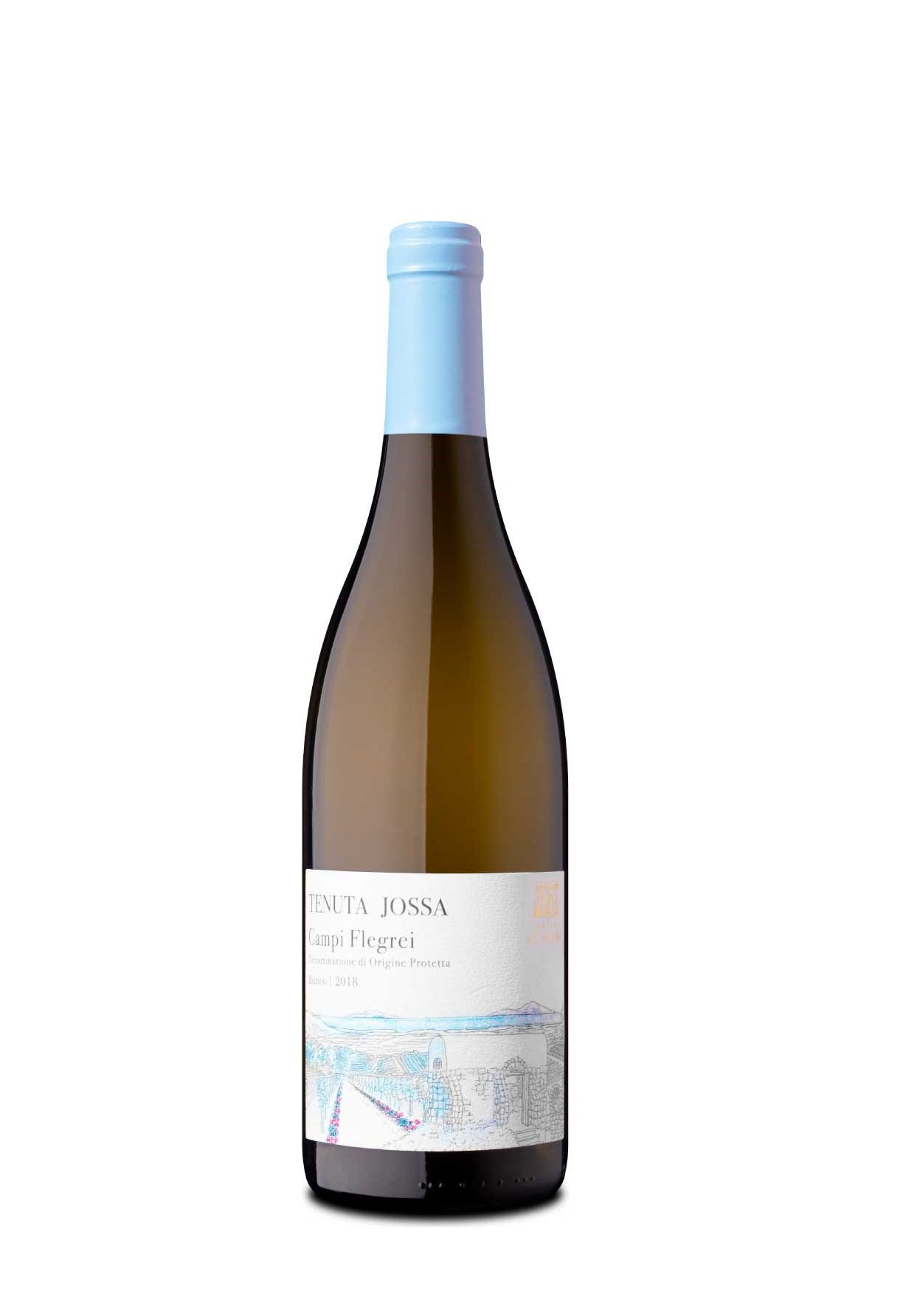
Cantine Astroni – Tenuta Jossa & Vigna Colle Imperatrice (Campi Flegrei DOP)
An absolute benchmark for ungrafted (piede franco) viticulture in the Phlegraean Fields. Volcanic soils impart iodized, flinty notes and hints of Limoncella apple. A vertical, deep wine, intimately tied to its landscape.
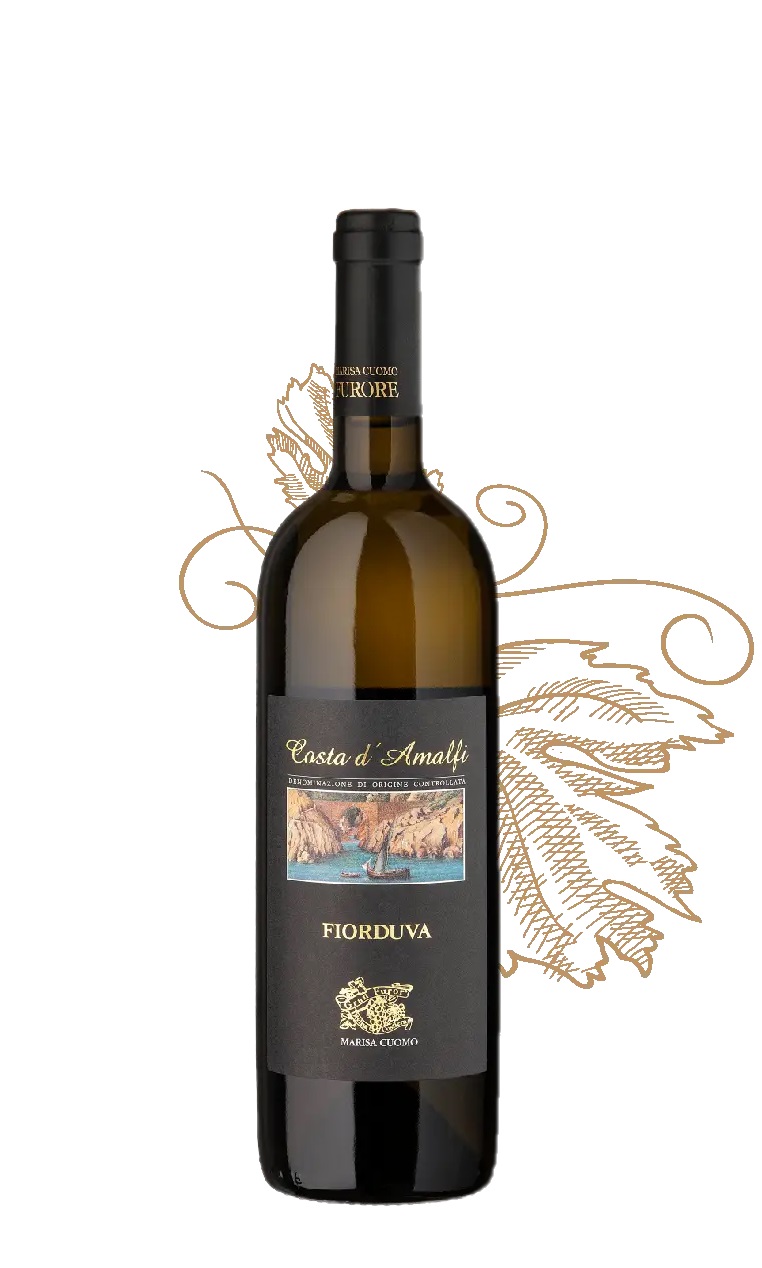
Marisa Cuomo – Furore Bianco (Costa d’Amalfi DOC)
From the balanced blend of Falanghina and a small percentage of Biancolella comes one of the most mesmerizing whites of Campania’s heroic viticulture. Cultivated on terraced vineyards plunging into the sea along the Amalfi Coast, it combines effortless drinkability with a distinct saline footprint, guaranteeing a top-tier quality profile that makes it a cherished icon in fine dining.
Marisa Cuomo
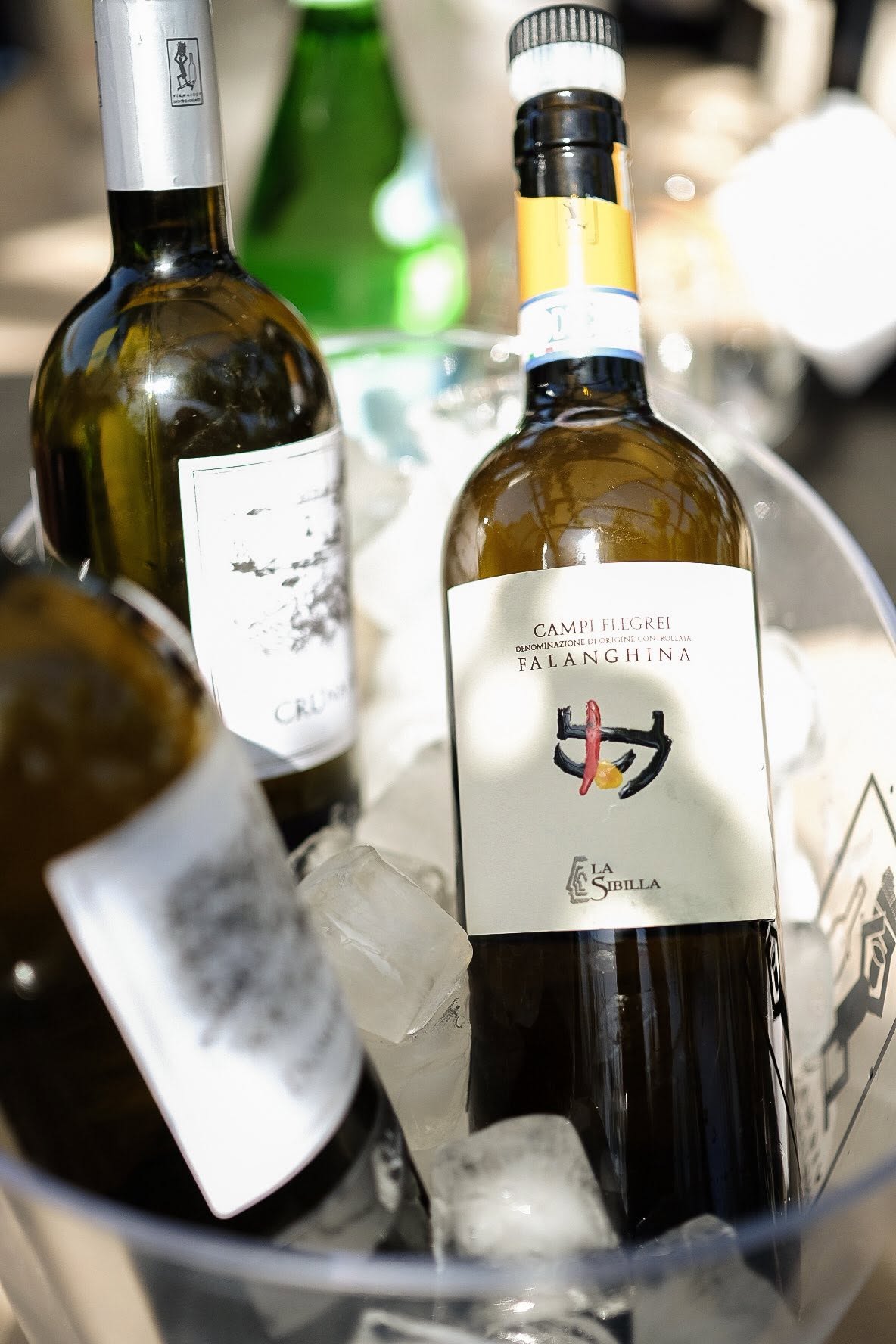
La Sibilla – Campi Flegrei Falanghina DOP
A true bastion of maritime authenticity. Precision, expressive clarity, and a savory-citrus signature that brings the gulf breeze straight to the glass.
Authenticity, Terroir, and Everyday Style
Unpretentious, terroir-driven expressions that combine technical precision with natural drinking pleasure. Versatile wines, ideal for everyday dining as well as dynamic gastronomic pairings.
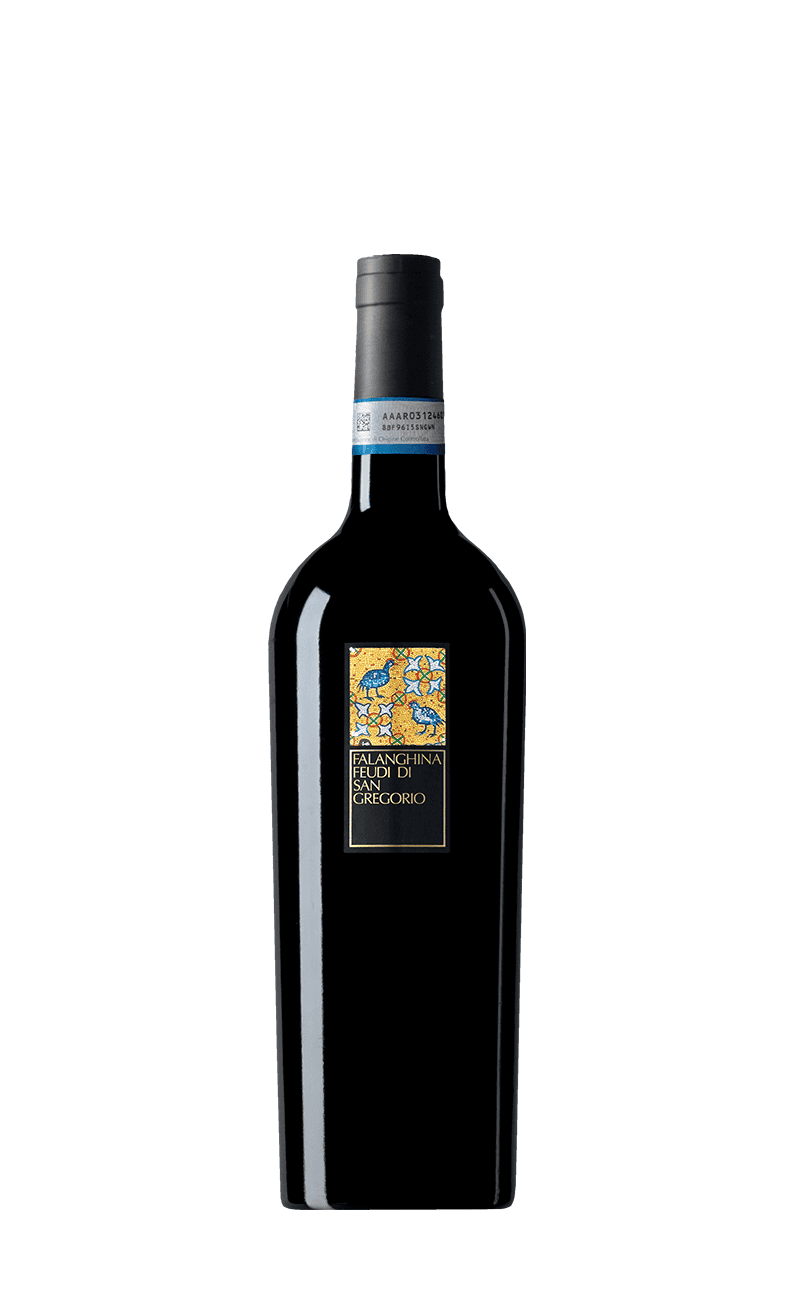
Feudi di San Gregorio – Falanghina del Sannio DOC & Serrocielo
A contemporary classic. The traditional stainless-steel version guarantees constant freshness and white floral notes, while the Serrocielo selection pushes even further into the aromatic intensity of Sannio.
Feudi di San Gregorio
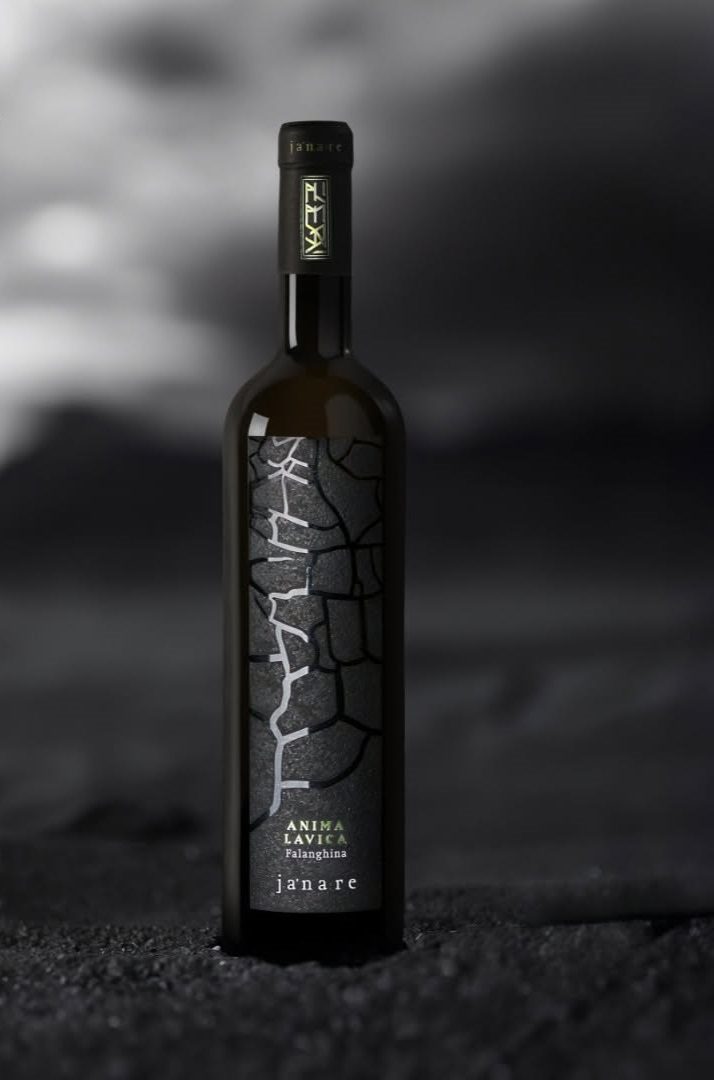
La Guardiense / Janare – Anima Lavica (Falanghina del Sannio DOC)
The single-vineyard range from Sannio’s extraordinary cooperative winery presents a modern, razor-sharp Falanghina, rich in citrus and minerality—a benchmark for precision and enjoyment.
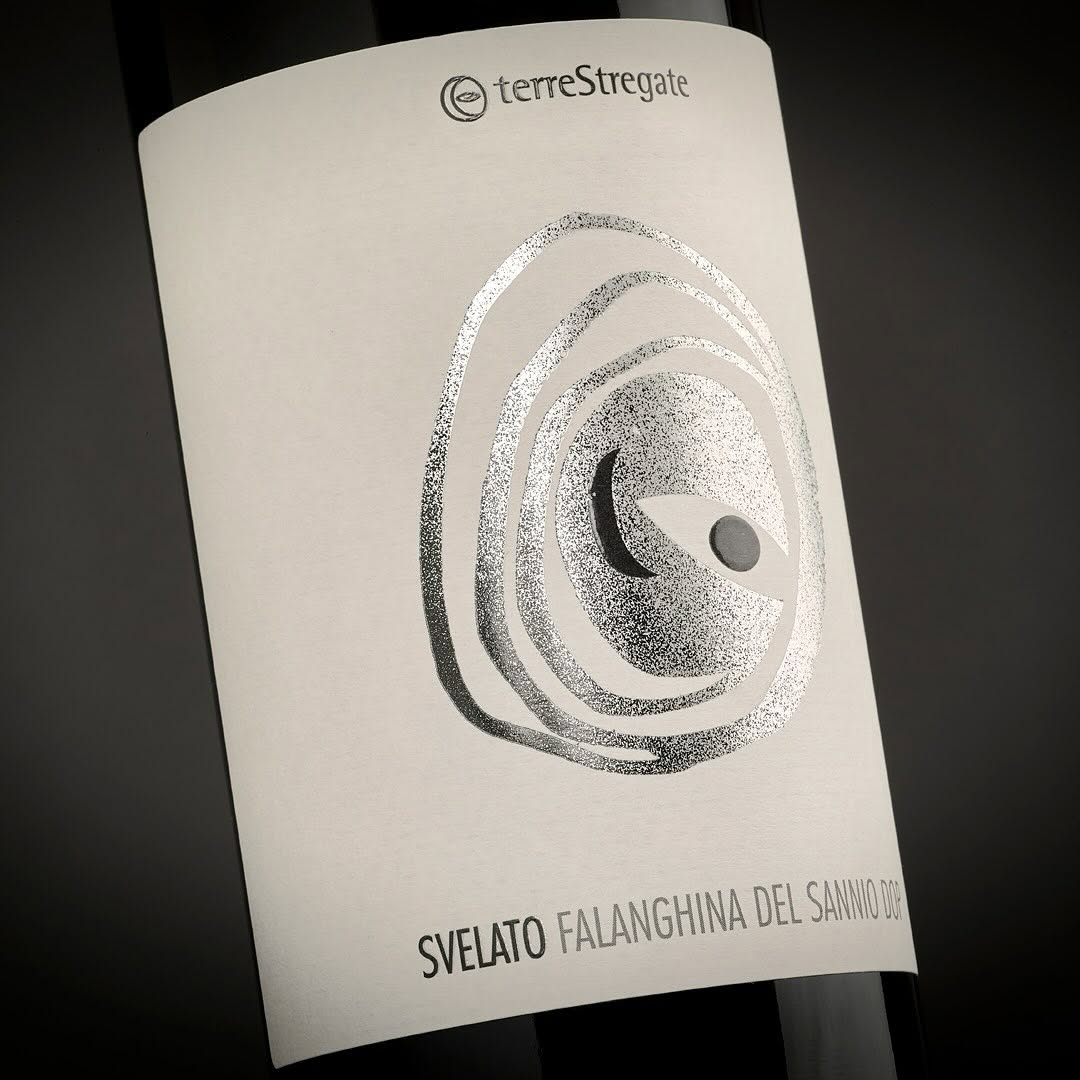
Terre Stregate – Svelato (Falanghina del Sannio DOC)
A crisp, radiant, and impactful pour. Svelato wins over the palate with direct aromas of green apple and citrus zest, balanced by a marked saline vein.
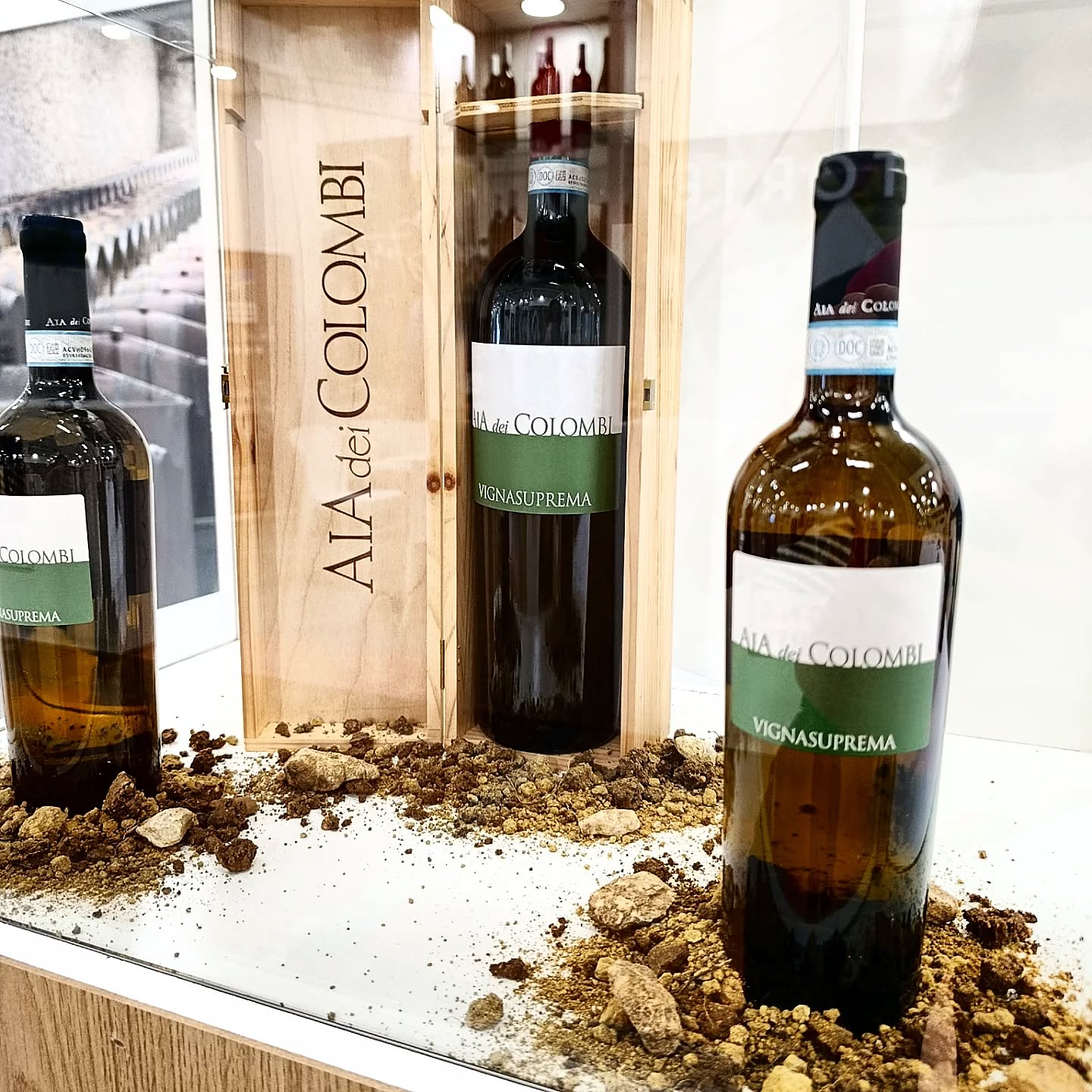
Aia dei Colombi – Vignasuprema (Guardia Sanframondi DOC)
Rigorous, artisanal production that captures all the verticality and mineral purity of the Guardia Sanframondi microclimate in the glass.
Sparkling Wines: The Sparkling Soul of Falanghina
The variety’s natural acidity makes it an ideal candidate for sparkling wine production, delivering a characterful alternative to classic international blends.
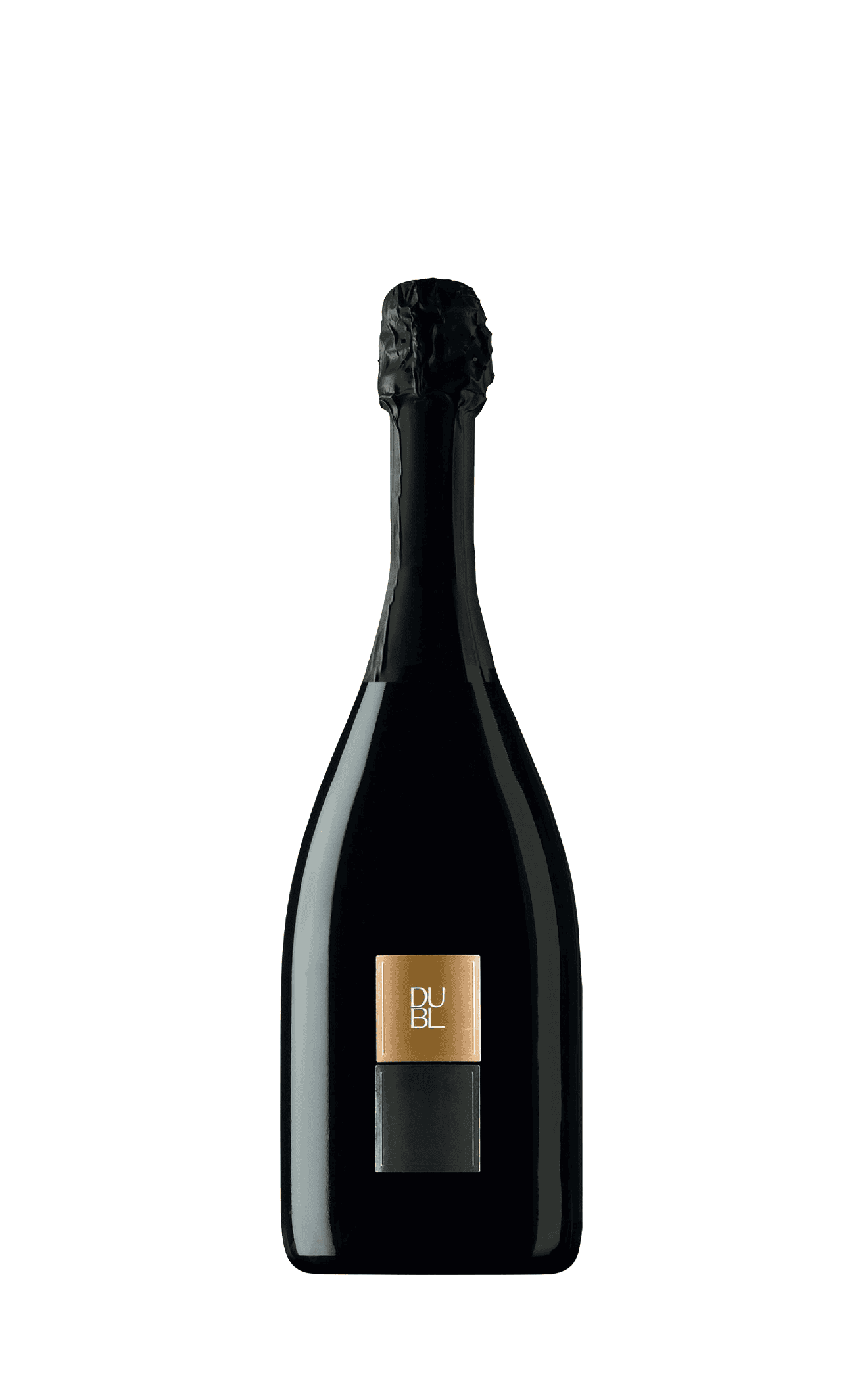
Feudi di San Gregorio – DUBL Metodo Classico
With the DUBL project, the winery demonstrated how Falanghina can embrace the Metodo Classico with extraordinary class. Fine perlage, crisp freshness, and subtle bakery notes fully elevate the native grape of origin.
The journey undertaken by Falanghina demonstrates how a native grape variety can transform into a strategic asset for an entire region. Between growing commercial flows and a consolidated winemaking versatility, the sector has built a virtuous model capable of bridging quality mass distribution with the peaks of haute cuisine.
Featured Photo: Courtesy of Janare
Bottle Photos: Courtesy of Mustilli, Fontanavecchia, Quintodecimo, Cantine Astroni, Marisa Cuomo, Janare, La Sibilla, Feudi di San Gregorio, Terre Stregate, Aia dei Colombi
By Alessandra Fiori