A triptych of bespoke serves highlights the versatility of No.3 Gin, reimagining Florence’s iconic cocktail with citrus brightness, gentian, and spice.
Distributed across Italy by historic producer Pallini, No.3 London Dry Gin marks Negroni Week—currently underway through Sunday, September 27—presenting a triptych of bespoke interpretations honoring the classic serve: No.3 Negroni, The GEN-Z Negroni, and The Count & the King. Rooted in the quintessential formula of gin, bitter, and sweet vermouth, each pour highlights distinct nuances, illustrating the spirit’s remarkable versatility.
Balance defines the classic Negroni, demanding equal participation from every component. Within such measured harmony, No.3 London Dry Gin delivers a crisp, assertive backbone: bold juniper cuts through bitter richness and velvety vermouth, while vibrant citrus accents meld with warm botanic spice. The resulting serve displays structural depth, aromatic precision, and a clean, lingering finish.
The gin lends itself naturally to diverse variations, illuminating specific facets of the blend: the bright citrus notes of the classic pour, the herbal bitterness of gentian, or the warming kick of ginger and cinnamon. Three distinct perspectives celebrate the Italian serve while preserving the unmistakable identity of the base spirit.
The Serves
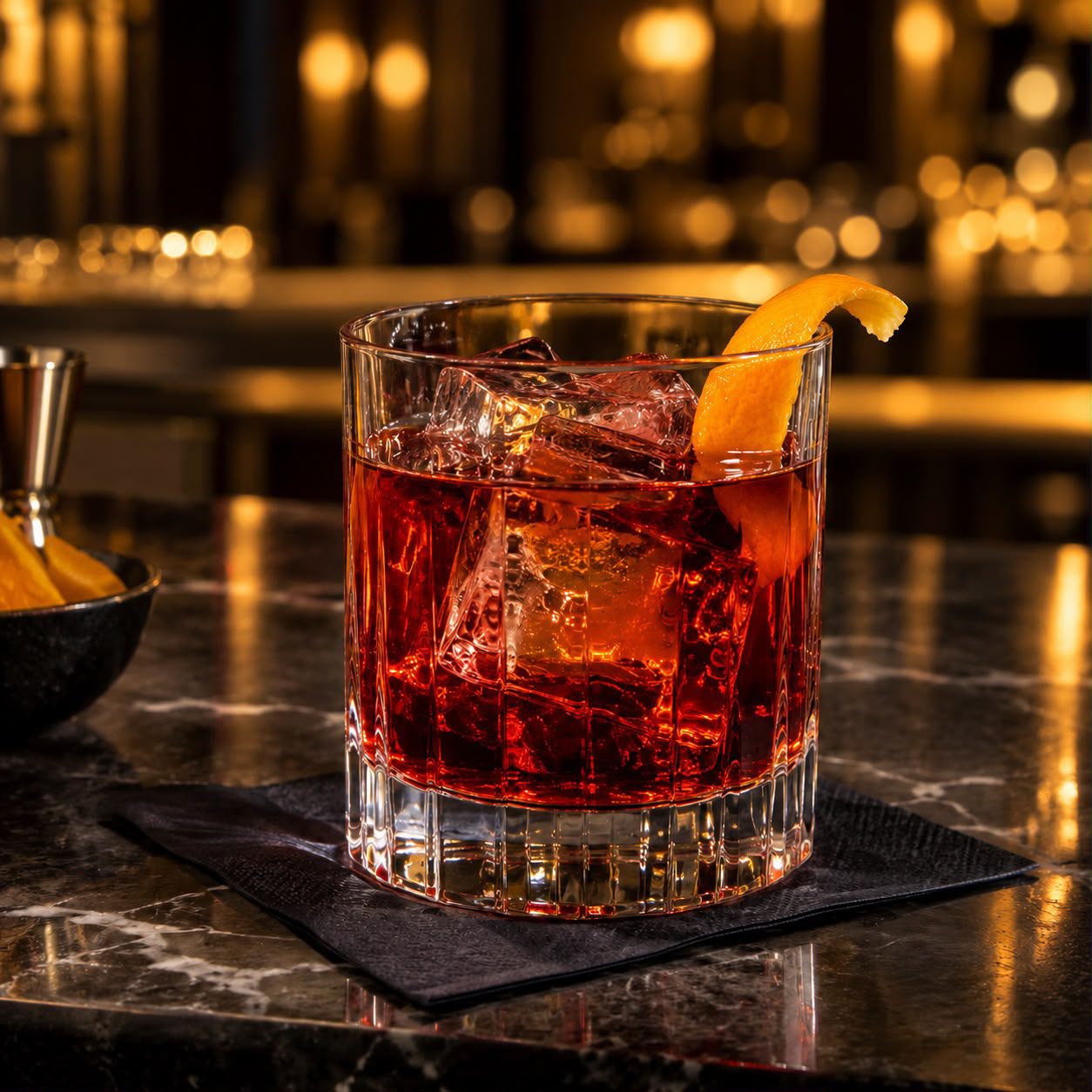
No.3 Negroni: The Citrus-Forward Classic
Ingredients
Procedure
Combine No.3 London Dry Gin, Pallini Bitter, and sweet rosso vermouth in a pre-chilled rocks glass. Add ice; stir gently until chilled and properly diluted. Express grapefruit essential oil over the surface and garnish with an orange peel.
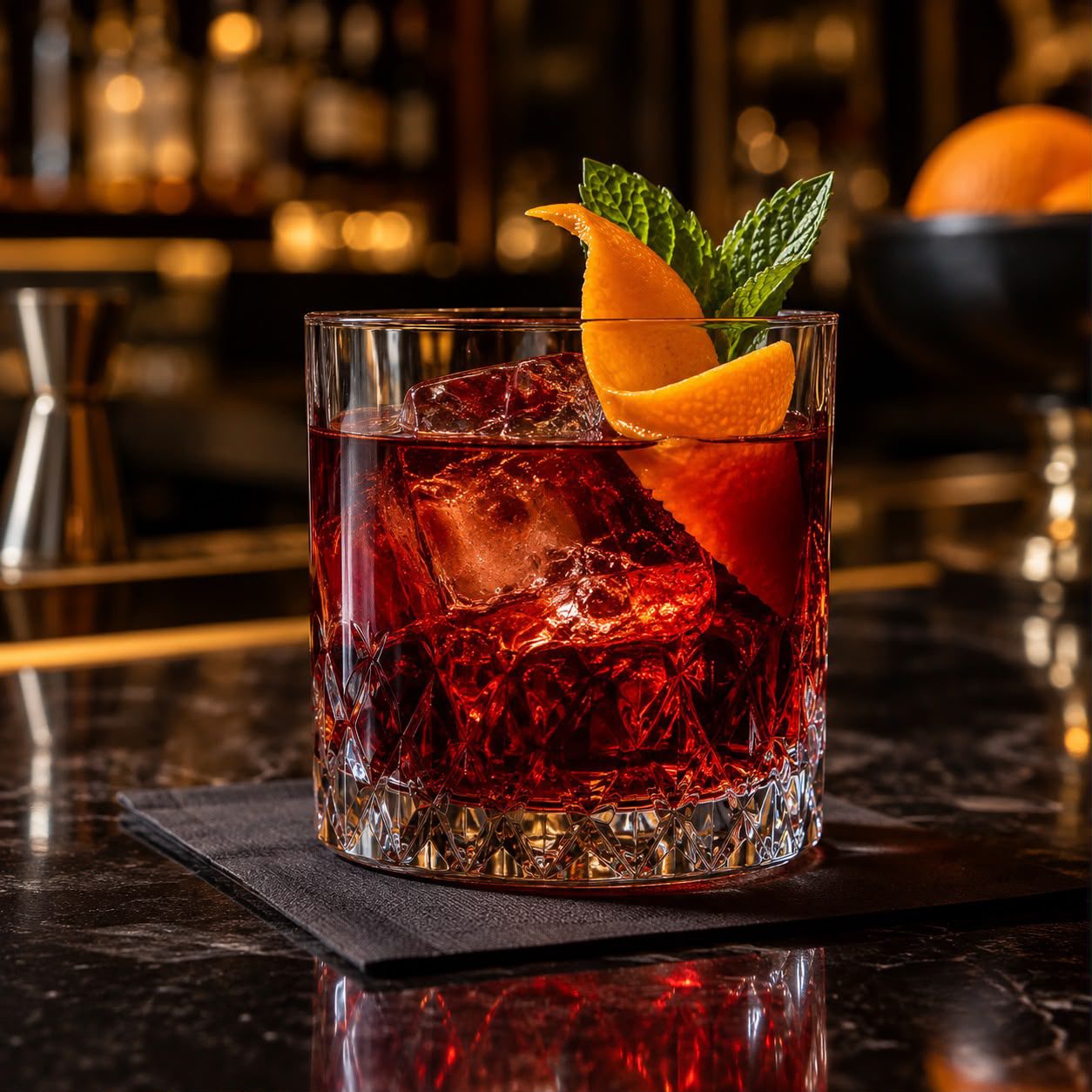
The GEN-Z Negroni: Italian Heritage, Contemporary Spirit
Ingredients
Procedure
Pour No.3 London Dry Gin, Pallini Bitter, sweet rosso vermouth, and Genziana Chiarino into a pre-chilled rocks glass over ice. Stir gently. Express and insert an orange twist, garnishing with a slapped fresh mint leaf.
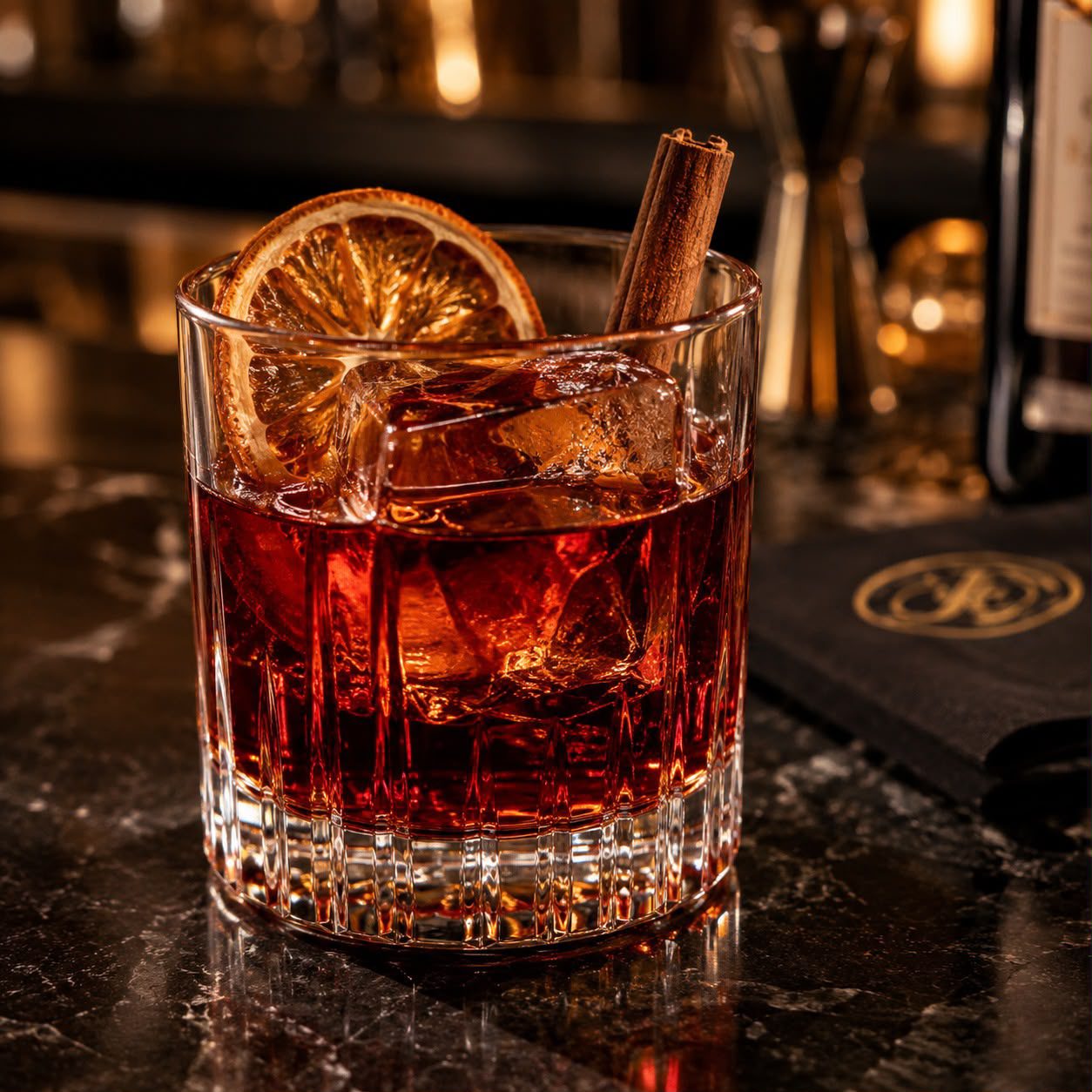
The Count & The King: A Warm, Spiced Riff
Ingredients
Procedure
Pour No.3 London Dry Gin, Pallini Bitter, sweet rosso vermouth, and King’s Ginger into a pre-chilled rocks glass filled with ice. Stir gently. Garnish with a dehydrated orange wheel and a whole cinnamon quill.
Crafted in St. James’s by Britain’s Oldest Merchant
Internationally acclaimed, No.3 London Dry Gin traces its pedigree to No. 3 St. James’s Street, home to Berry Bros. & Rudd, London’s oldest wine and spirits merchant since 1698. British lineage defines the signature emerald vessel, featuring an embossed key replicating the original instrument used to open the historic parlor—an enduring heritage underscored by a Royal Warrant.
A benchmark within the ultra-premium tier and certified 100% organic, the recipe represents two years of meticulous development led by industry authorities, including Dr. David Clutton, holder of the world’s only doctorate in gin distillation. Distilled at Royal de Kuyper in the Netherlands, the spirit relies on steeped botanicals, achieving a meticulous balance across juniper, citrus peel, and spice.
The Negroni Heritage: An Enduring Icon
Negroni Week honors an undisputed staple of Italian aperitivo culture, revered globally across bars and lounges since its Florentine genesis. Historical accounts place the invention between 1917 and 1920, born from Count Camillo Negroni’s request to bartender Fosco Scarselli to fortify an Americano with gin. The variation rapidly gained favor among patrons of Caffè Casoni on Via de’ Tornabuoni, inspiring orders for an Americano prepared the Count Negroni way and securing the moniker.
The equal-parts formula soon traveled beyond Tuscany, anchoring modern cocktail craft worldwide. Spreading across the peninsula, the serve found its defining moment during Italy’s postwar economic boom, when the Dolce Vita era drew international society to Rome’s Via Veneto, cementing the drink as an emblem of mid-century Italian sophistication. Continuously evolving without losing core character, the serve finds fresh dimension through the tripartite showcase from No.3 Gin, marrying tradition with refined botanical structure.