Deep within the ampelographic heart of Sicily, between the mountain refuges of the Nebrodi and the red soils of Vittoria, the Girelli family has preserved a long-lost scion of Sangiovese for the future: Orisi, a variety reborn from the ‘Valorization of Native Sicilian Vines’ project after surviving, for decades, solely in the fading memories of elderly farmers.
Sicily: A Laboratory of Biodiversity
To truly grasp the magnitude of Orisi’s recovery, one must first discard the notion of Sicily as a mere wine region and embrace the concept of a “viticultural continent.” No other Mediterranean outpost possesses such a complex stratification of climates, soils, and cultures—elements that, over millennia, have acted as a powerful crucible for biological diversity.
From the volcanic spine of Etna to the marine sands of Menfi, from the clays of Caltanissetta to the calcareous red earth of Vittoria, the island has hosted a relentless tide of genetic diversity. Phoenicians, Greeks, Romans, Byzantines, Arabs, Normans, and Spaniards brought not only laws and architecture but seeds and cuttings. The vine in Sicily was never static; it hybridized, adapted, isolated itself, and evolved.
The 20th century, however, brought a brutal simplification to this diversity. The scourge of phylloxera in the late 1800s, compounded by the standardized efficiency of post-war agriculture, forced a radical reset. As vineyards were reconstituted on American rootstock, the ruthless economics of mass production championed a chosen few—Catarratto, Inzolia, Nero d’Avola—while sweeping countless local cultivars into oblivion. Orisi was one of the casualties, reduced to a spectral presence haunting the high vineyards of the Nebrodi.

The Relic Vine Recovery Project
The renaissance of Orisi began with the ‘Valorization of Native Sicilian Vines’ project, launched in 2003 by the Regional Department of Agriculture alongside the IRVO (Istituto Regionale del Vino e dell’Olio – Regional Institute of Wine and Oil). It marked the island’s first systematic exploration of its viticultural heritage. The primary objective was the halting of genetic erosion—a mission pursued through painstaking fieldwork in fragmented, mixed-crop plots, often found in a state of semi-abandonment between the Nebrodi and Madonie ranges.
Central to the rescue effort was the Federico Paulsen Regional Nursery in Marsala. Acting as custodian of the genetic archive, the institute oversaw the delicate phases of sanitization and propagation, cleaning plant material often compromised by complex viral loads accumulated over centuries of unchecked grafting.
From a pool of over 90 sampled accessions, the core “relic” varieties finally emerged. Evocative monikers like Vitrarolo—its canes as fragile as glass—Lucignola, Recunu, Usirioto, and Inzolia Nera stepped into the light. These are survivors of micro-areas, sometimes reduced to a dwindling few dozen vines, yet possessed of a fierce, intrinsic resilience to biotic and abiotic stress.
The Bi.Vi.Si. Project: From Conservation to Enological Valorization
Evolving organically from the foundations laid in the previous decade, the project found its full realization in the Bi.Vi.Si. program (Biodiversità Viticola Siciliana – Sicilian Viticultural Biodiversity). Coordinated by the Consortium for the Protection of DOC Sicily Wines (Consorzio di Tutela Vini DOC Sicilia), with scientific backing from the Universities of Palermo and Milan, the focus shifted from mere conservation to application. This transition saw the establishment of experimental vineyards, such as the celebrated “Vigna del Gallo” at the Palermo Botanical Garden—a true open-air museum guarding 95 distinct biotypes.
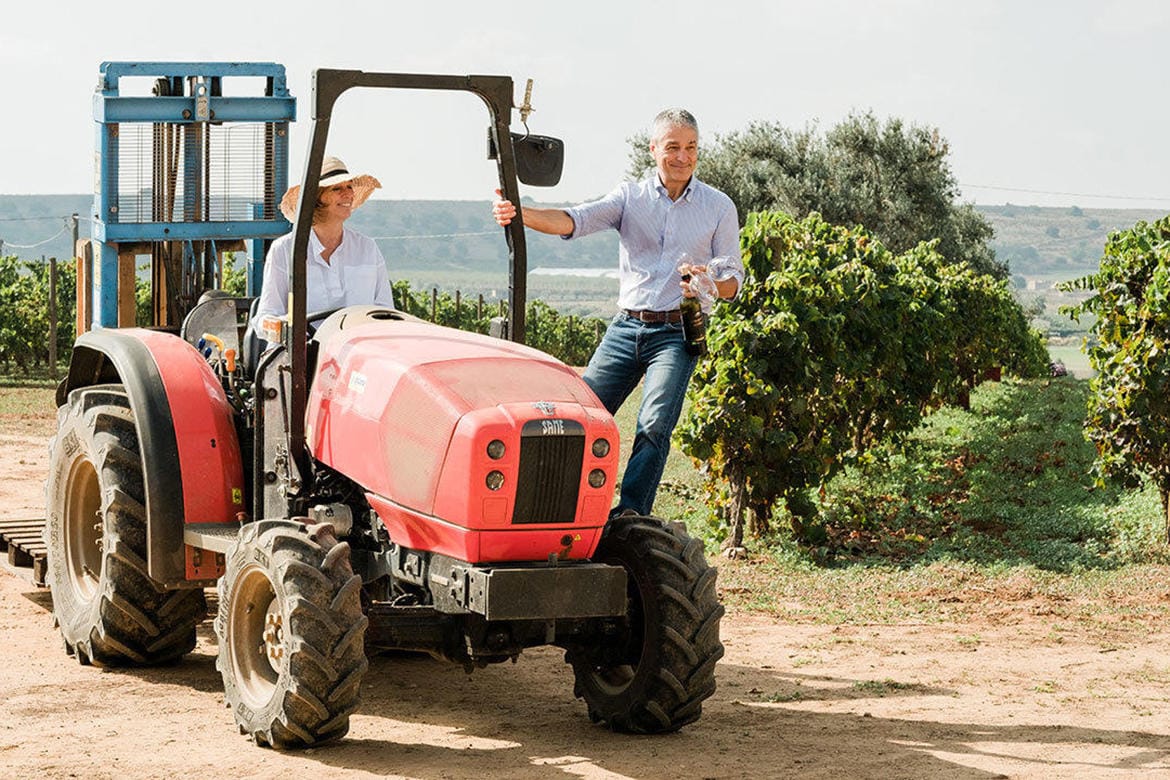
Yet for scientific research to translate into fine wine, it requires visionary interpreters. The challenge was accepted by Stefano and Marina Girelli, siblings born in Trentino and vintners by dynasty. Already established leaders of historic estates like Casa Girelli and Villa Cafaggio, the pair left the peaks of the Dolomites and the hills of Chianti Classico to embrace, in 2001, the vibrating light of the Ragusano.
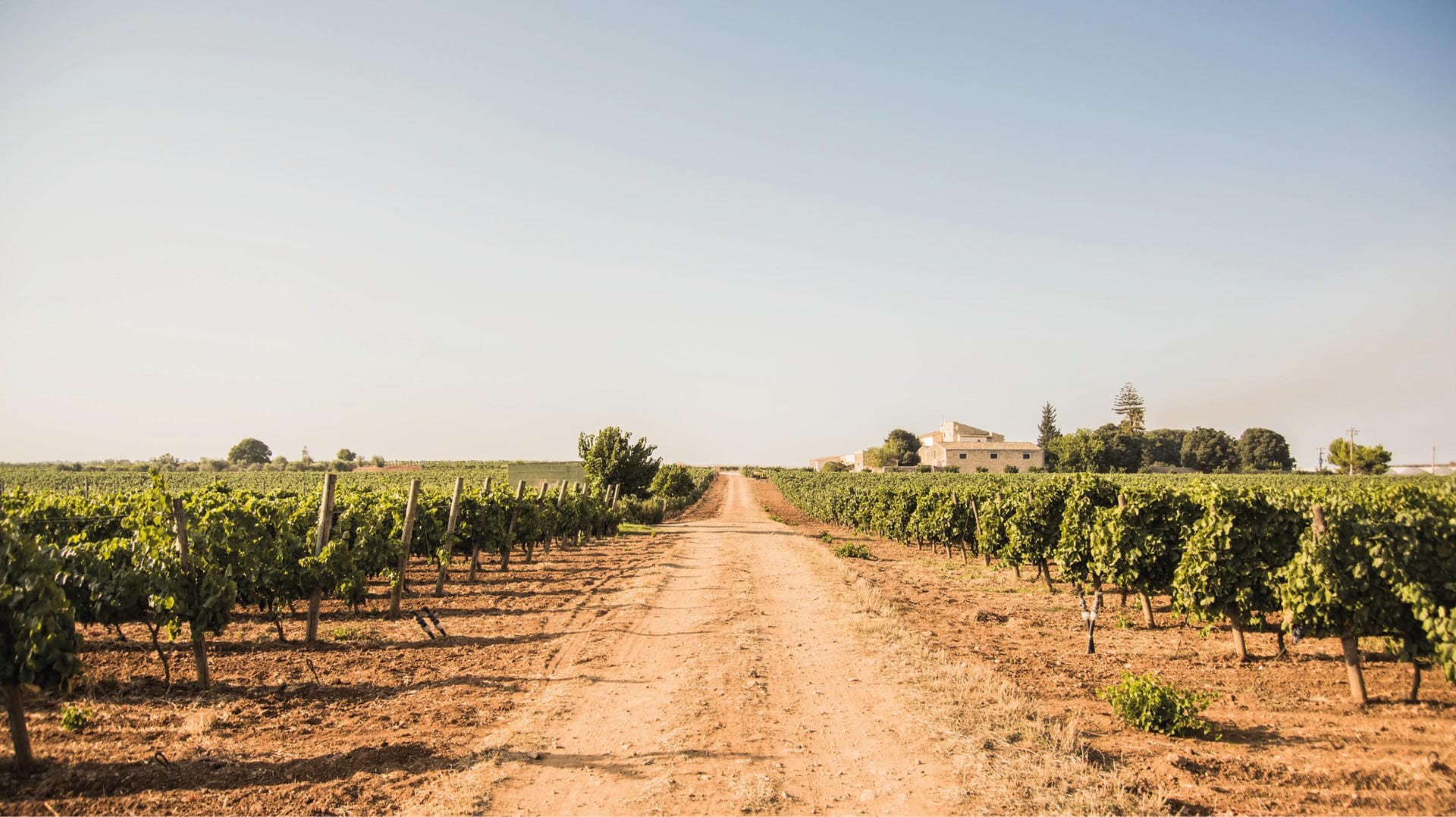
Their chosen terroir is Vittoria, custodian of the island’s sole DOCG—Italy’s highest wine classification. Here, they have forged a viticultural path defined by an uncompromising allegiance to nature—strictly organic and vegan. Against this backdrop, just five miles apart, the family’s dual identity manifests in two distinct estates: Santa Tresa and Cortese.
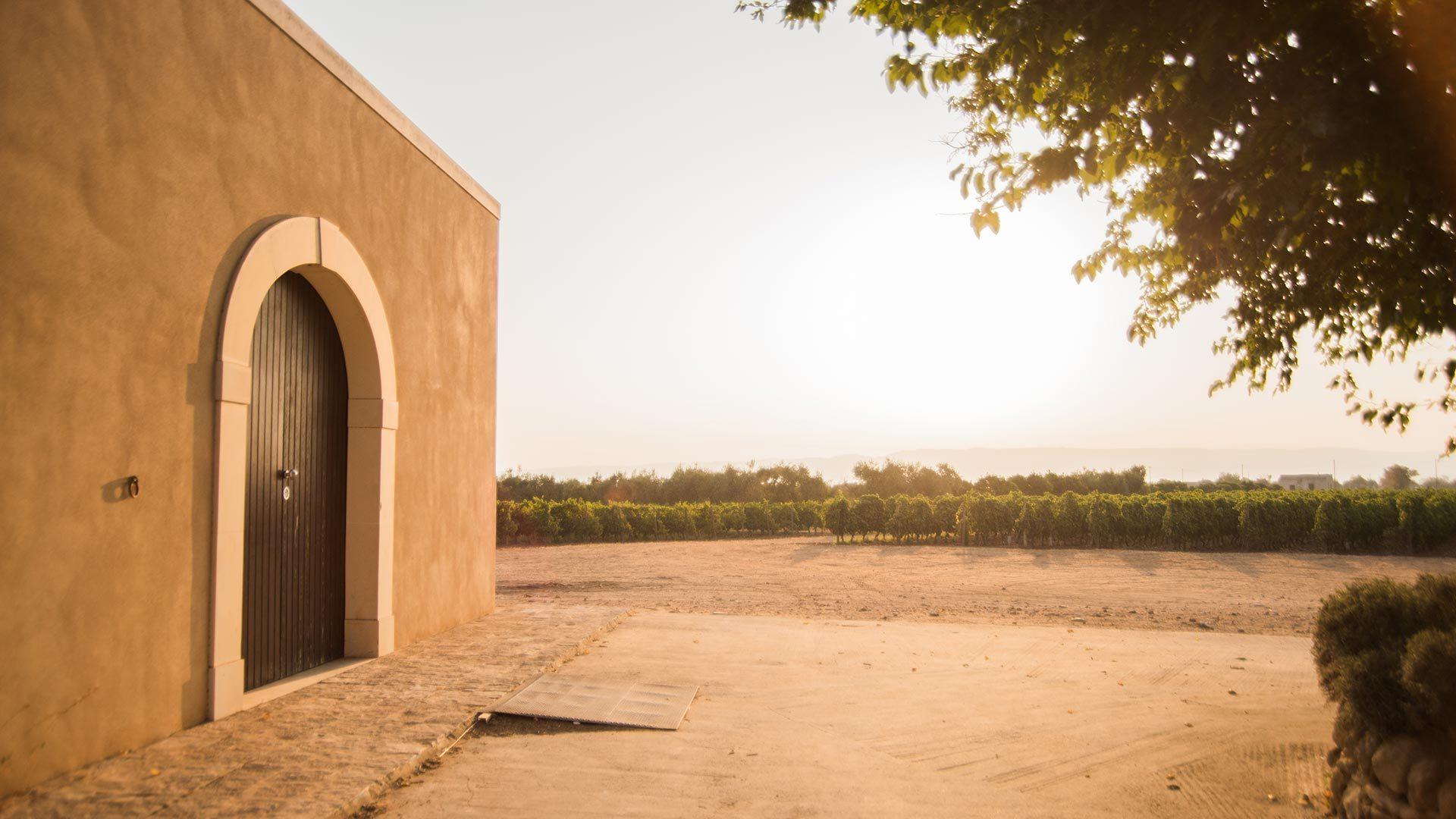
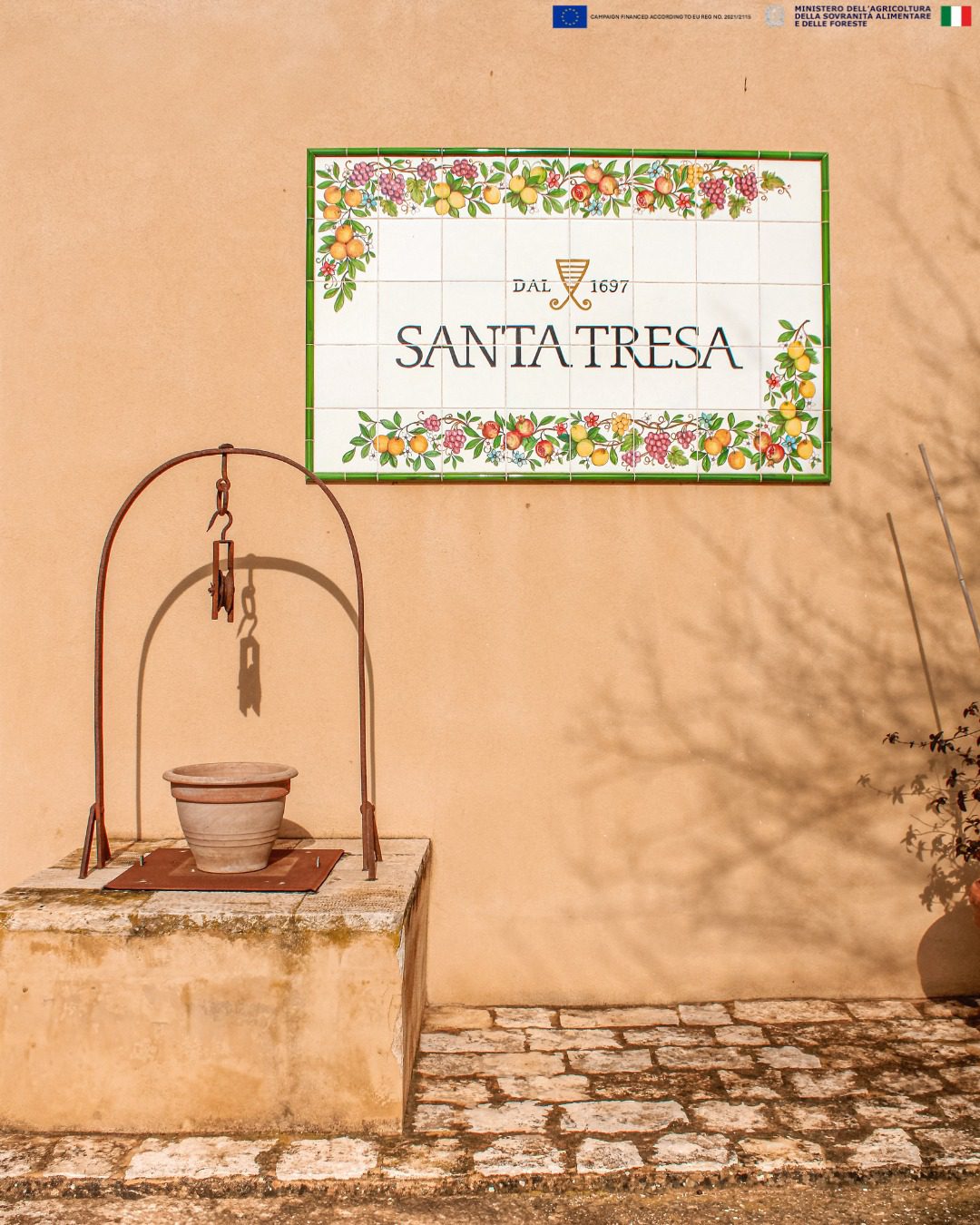
The former, acquired in 2000 and converted to organic farming by 2003, is a historic 17th-century estate where the solidity of over two decades of stewardship is reflected in wines of exacting precision. The latter, Cortese, which entered the portfolio in 2016, is a laboratory looking toward ancestral vinifications to produce wines that are rustic, untamed, and vibrant. In this dualism of terroir and genetic heritage, Nero d’Avola and Frappato reign supreme, flanked by Carricante and Catarratto, but it is at Santa Tresa that Orisi has found its optimal habitat.
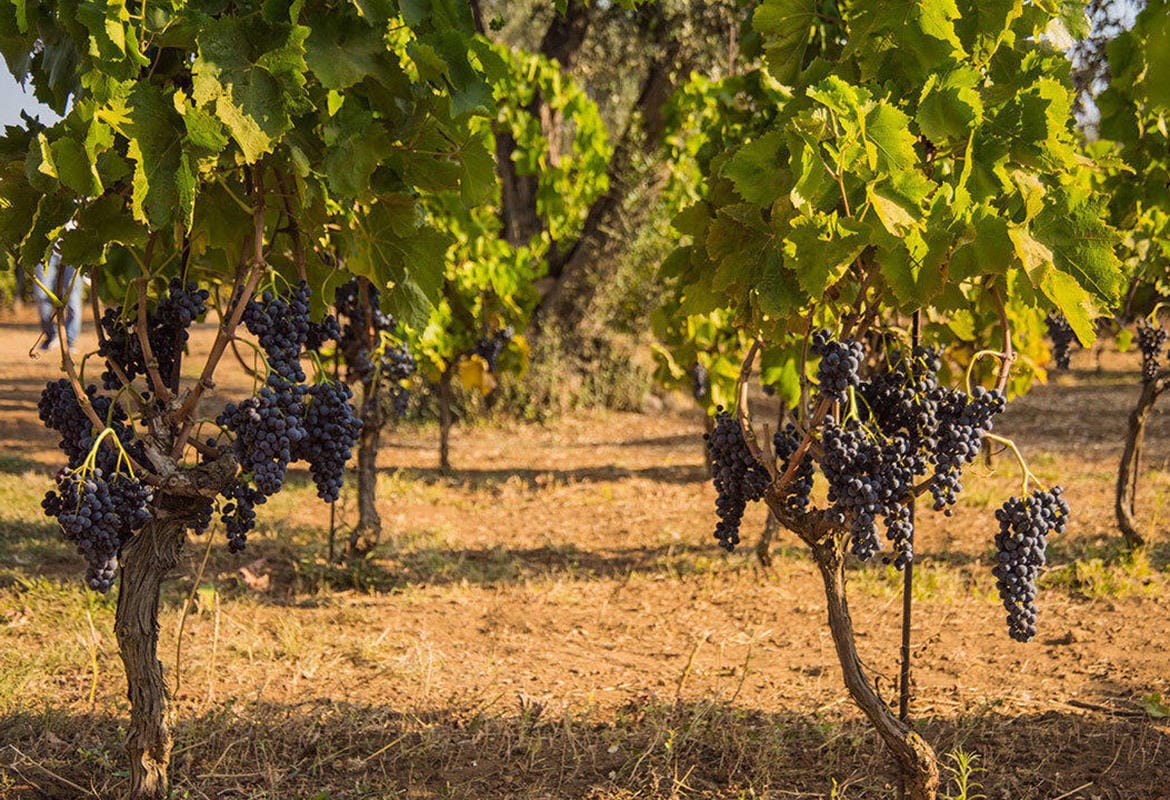
The genesis of the Orisi vineyard at Santa Tresa tastes of an agronomic wager. “We planted just 16 cuttings, with genotypes provided by the Universities of Palermo and Marsala, in an experimental vineyard—a tiny parcel of land barely half a hectare within the estate,” recounts Girelli. From that original nucleus, cared for with almost monastic dedication, the count has risen today to 1,535 vines. It is from this vineyard, a “child of science,” that a wine was born in 2020 which until yesterday dared not speak its name: Santa Tresa “O” Terre Siciliane IGT, produced in a limited run of just 2,000 bottles.


A Wine Both Archaic and Ultra-Modern
If the variety is archaic, the winemaking technique chosen to interpret it is an homage to subtraction and purity, in stark contrast to interventionist enology. The protocol calls for fermentation in 17-hectoliter Slavonian oak casks, followed by extended aging on fine lees, stretching until the subsequent harvest. “A technique possible only with grapes of immaculate health,” notes Girelli. “The evolution is unconventional, yet it exalts the grape’s singular personality.”
In the glass, the wine is disarming, instantly shattering preconceptions of the heavy Southern red. A saturated, lively ruby core belies the delicate pigmentation of its ancestors, introducing a nose of startling exuberance. Here, an interplay of fresh fruit, sweet spice, and citrus zest defies the scorching heat of Vittoria, delivering a paradoxical, cooling freshness. On the palate, tannins are decisive yet finely etched by extended lees aging, leading to a finish where a nerve of racy acidity underscores the vibrant potential of this thoroughbred islander.
“Our conviction is that the future of Sicilian viticulture lies in indigenous vines, which can adapt better than any others to their native context,” concludes Stefano Girelli. “And this is demonstrated by this grape, which responded surprisingly even to the extreme conditions of a vintage as challenging as 2021.”