From Monferrato to Alto Piemonte by way of the Langhe: a journey through ampelographic biodiversity and premier micro-terroirs. Cucine d’Italia selects three rare cultivars—Ruchè, Pelaverga, and Vespolina—built to elevate the complexity of the autumn table alongside woodland aromas, white truffles, and braised meats.
Native Italian wines compose an unrivaled pedoclimatic and ampelographic mosaic: with over 600 varieties officially registered in the National Catalog and an unrecorded heritage estimated at more than 2,000 relic cultivars and historical biotypes, the Peninsula safeguards roughly one-quarter of the world’s viticultural biodiversity.
Rare cultivars form the backbone of such genetic wealth, once widespread in mixed field-blend vineyards where dozens of distinct biotypes shared the same parcel. Late nineteenth-century phylloxera and the subsequent grafting onto American rootstock imposed a first, drastic selection. After the Second World War, intensive farming and the standardization of appellation rules from the 1960s onward pushed Italian vineyards toward high-yielding varieties or easy gustatory uniformity, condemning low-vigor vines, erratic ripeners, and varieties requiring complex polyphenolic management to abandonment.
Yet such viticultural heritage has not vanished: alongside major appellations, a network of premier micro-zones thrives today, often restricted to a handful of planted hectares rescued from oblivion by the tenacity and vision of artisan vignerons. An identity-driven viticultural map emerges, still under the radar, guarding an authentic sensory profile that shields the glass from mass-market homogenization.
For autumn, Cucine d’Italia inaugurates a new food and wine series featuring three Piedmontese thoroughbreds: Ruchè, Pelaverga Piccolo, and Vespolina.
The 3 Rare Native Italian Wines
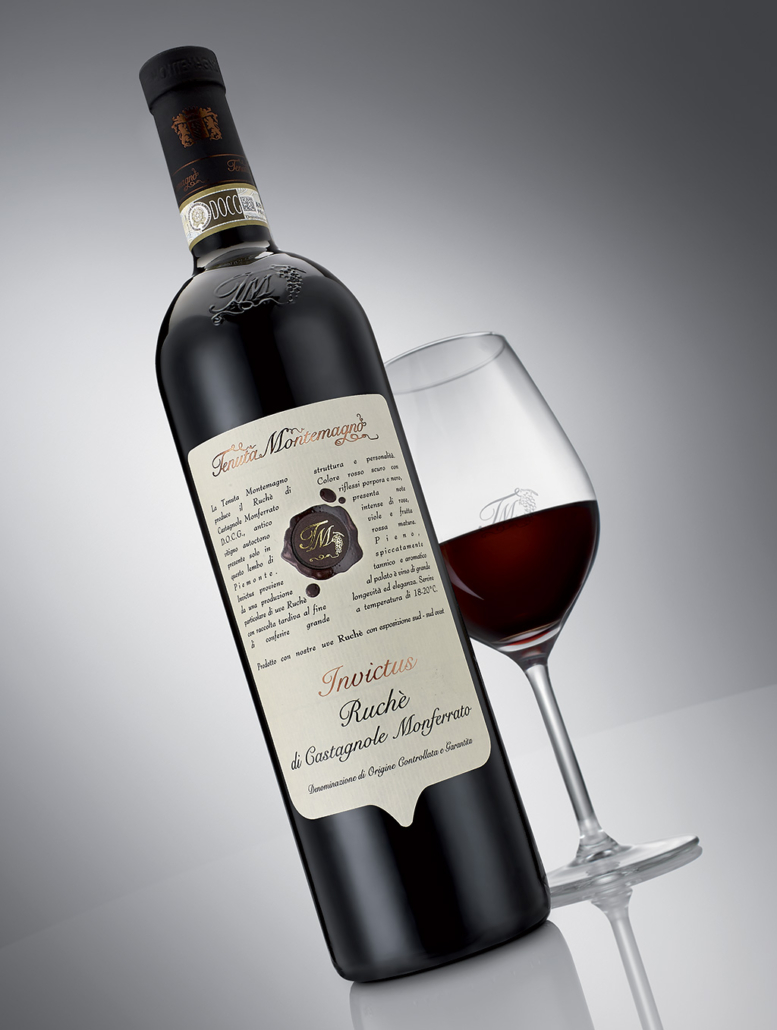
Invictus Ruchè di Castagnole Monferrato DOCG 2021/2023 – Tenuta di Montemagno
Varietal & Terroir. A dark-skinned, semi-aromatic variety grown solely within a tight enclave of Piedmont, Ruchè owes its olfactory signature to terpene precursors concentrated heavily within the grape pulp itself, preserving a floral and spicy profile of rare composure. Its production zone remains among the smallest in Italy: a sequence of hills in the Monferrato Astigiano spanning just seven municipalities—Castagnole Monferrato, Grana, Montemagno, Portacomaro, Refrancore, Scurzolengo, and Viarigi—with marginal extensions into the Alessandria province.
Etymology points to roncet, a viral disease against which the vine has always shown頑tenacious biological resistance compared to Piedmontese workhorses like Barbera and Grignolino, though some scholars hypothesize a Burgundian origin and an eighteenth-century arrival in Piedmont (albeit with scant documentary evidence).
Rescued from extinction by Don Giacomo Cauda, who recovered and reorganized the surviving vines in Castagnole Monferrato during the 1960s, Ruchè has charted a steady rise in quality. Recognition as a DOC in 1987 and promotion to DOCG in 2010 sealed its trajectory, culminating in current commercial consolidation at around one million bottles annually.
Vineyards sit on poor, dry calcareous-marl soils streaked with fine sand and bathed in constant sunlight. Appellation rules mandate a minimum of 90% Ruchè (allowing up to 10% Barbera or Brachetto) and cap yields at 9 tons per hectare (90 quintals/ha), preserving a naturally vigorous phenolic and alcoholic concentration (minimum 12.5% ABV).
The Winery. Within this geological frame, Tenuta Montemagno—comprising a relais, restaurant, and estate cellar—interprets the appellation with consulting oenologist Gianfranco Cordero, pushing the cultivar toward peak precision and elegance.
Invictus stems from a singular technical intuition: pursuing a late harvest (picked between late September and early October, after the harvest of Ruchè Nobilis) on rows with prime Southwest and West exposures, defined by minimal humidity, wide diurnal temperature swings, and constant airflow. Vineyard selection is uncompromising: only the three best clusters per vine remain after cane-cutting (taglio del tralcio), which severs sap flow and induces controlled on-vine raisining (appassimento). Hand-harvested into small crates, the grapes go straight to the cellar, yielding a wine of uncommon volume, tension, and polyphenolic density.
Tasting Notes. Deep ruby in the glass, shot through with dark purple glints. The nose is exuberant and intense, layering fresh rose petals, violets, and ripe red berries over balsamic hints of mint, eucalyptus, and Mediterranean scrub. Full, warm, and structured on the palate, it pairs assertive yet velvety tannins with bold notes of black pepper and cinnamon, driving into an extraordinary finish (recommended serving temperature: 18°–20° C).
Gastronomic Pairing. Recommended Dish: Brasato al Barolo or traditional Piedmontese slow-cooked meats crowned with Alba white truffle.
Pairing Analysis. Rich, slow-cooked meat dishes—or preparations ennobled by Alba white truffle—are a textbook match for the complexity of Invictus. Dense texture, firm tannic grip, and imposing structure meet the tenderness, succulence, and protein richness of braised or stewed beef head-on. Simultaneously, Ruchè’s deep spicy and balsamic register—echoing pepper, cinnamon, eucalyptus, and Mediterranean herbs—sustains the dish’s profound aromatics, extending the finish with impeccable poise.
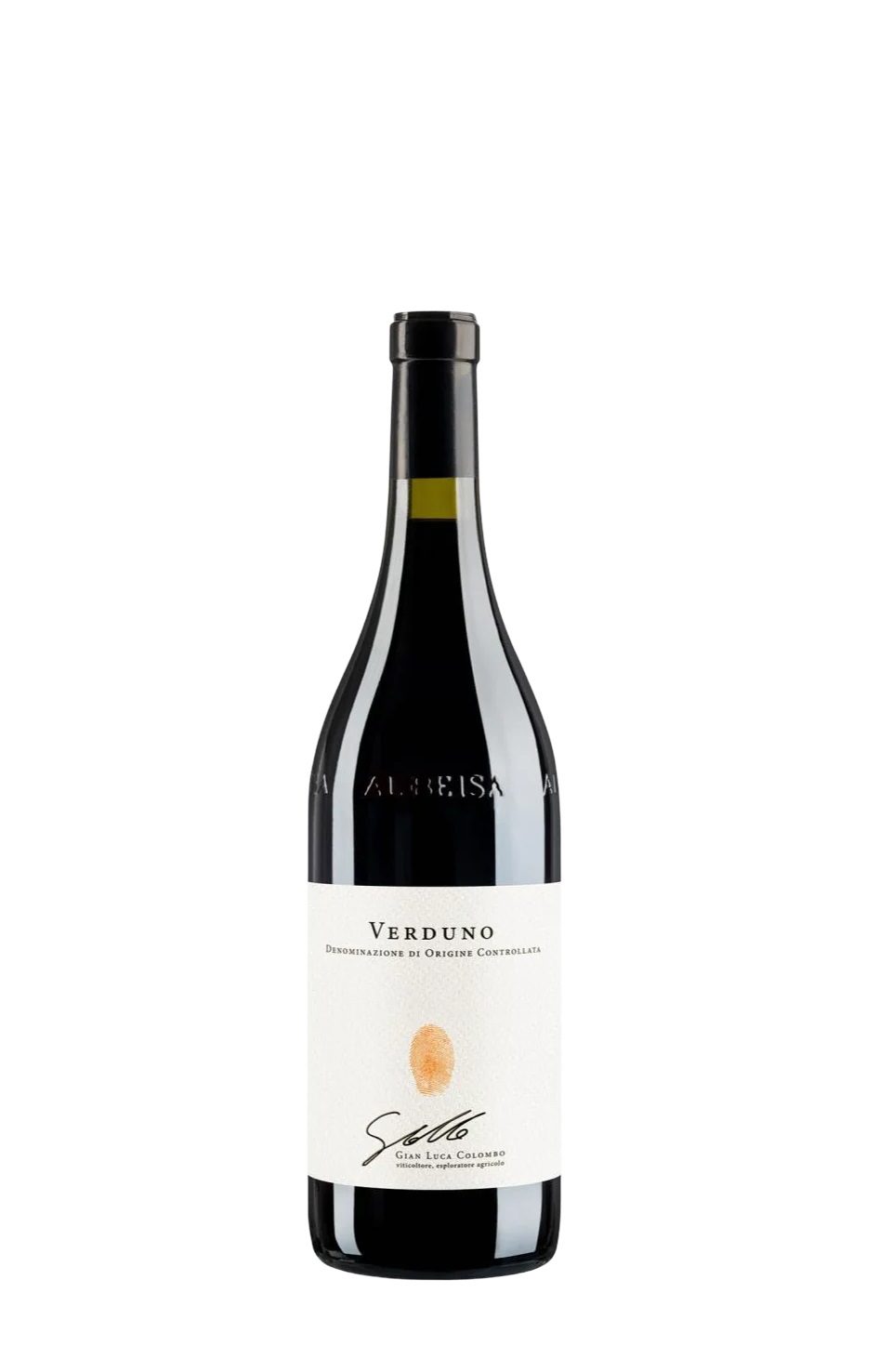
Verduno Pelaverga DOC 2022 – Gian Luca Colombo
Varietal & Terroir. Pelaverga Piccolo is an exceptionally rare indigenous cultivar with a lively, refined, and unmistakably varietal nose. Grown almost exclusively in the Langhe, it reaches its zenith in the tiny village of Verduno and neighboring border parcels, inside the smallest DOC appellation in Piedmont. Rooted deep in Piedmontese winemaking history, its singular personality has won over a dedicated niche of international connoisseurs over the years. Vineyards rest on predominantly calcareous and clay soils, blessed with prime south and southeast exposures and steady breezes that ensure textbook ripening.
The Winery. Gian Luca Colombo’s artisanal, forward-thinking production stands among the most compelling, characterful interpretations of the Verduno district. Born from small parcels tended with sartorial care, vineyard and cellar work respects the raw material through spontaneous fermentations and a calibrated choice of aging vessels to lock in fruit integrity.
Appellation rules protect Pelaverga Piccolo among pure, monovarietal native Italian wines, showcasing its freshness, agile drinkability, and unmistakable spicy stamp. Winemaking reflects an artisanal, research-driven mindset dedicated to varietal purity and typicity. Meticulous vinification includes an extended skin maceration lasting 22 to 40 days, drawing out aromatic complexity and the hallmark white pepper note without stripping the grape of its natural vibrancy.
Tasting Notes. Pale, luminous, and translucent ruby in the glass. The nose is exuberant and fragrant, led by dog rose, violet, wild red berries, and an unmistakable crack of white pepper. Agile, fresh, and juicy on the palate, it combines effortless drinkability with fine-grained tannins and vibrant citrus energy, closing clean and persistently spicy (recommended serving temperature: 16°–18° C).
Gastronomic Pairing. Recommended Dish: Hand-cut egg Tajarin tossed in Alba butter with shaved Alba white truffle.
Pairing Analysis. Tajarin with white truffle finds an instinctive foil in Gian Luca Colombo’s Verduno Pelaverga, a pairing that highlights the delicacy and aromatic precision of both elements. Slender frame, brisk freshness, and agile drinkability cut through the natural sweetness and buttery richness of egg pasta without weighing down the palate. At the same time, Pelaverga’s signature white pepper note mirrors the pungent, earthy complexity of Alba white truffle, amplifying its olfactory depth. Delicate tannins and snapping acidity cleanse the palate of butterfat, delivering a pure, seamless sip of remarkable breed.
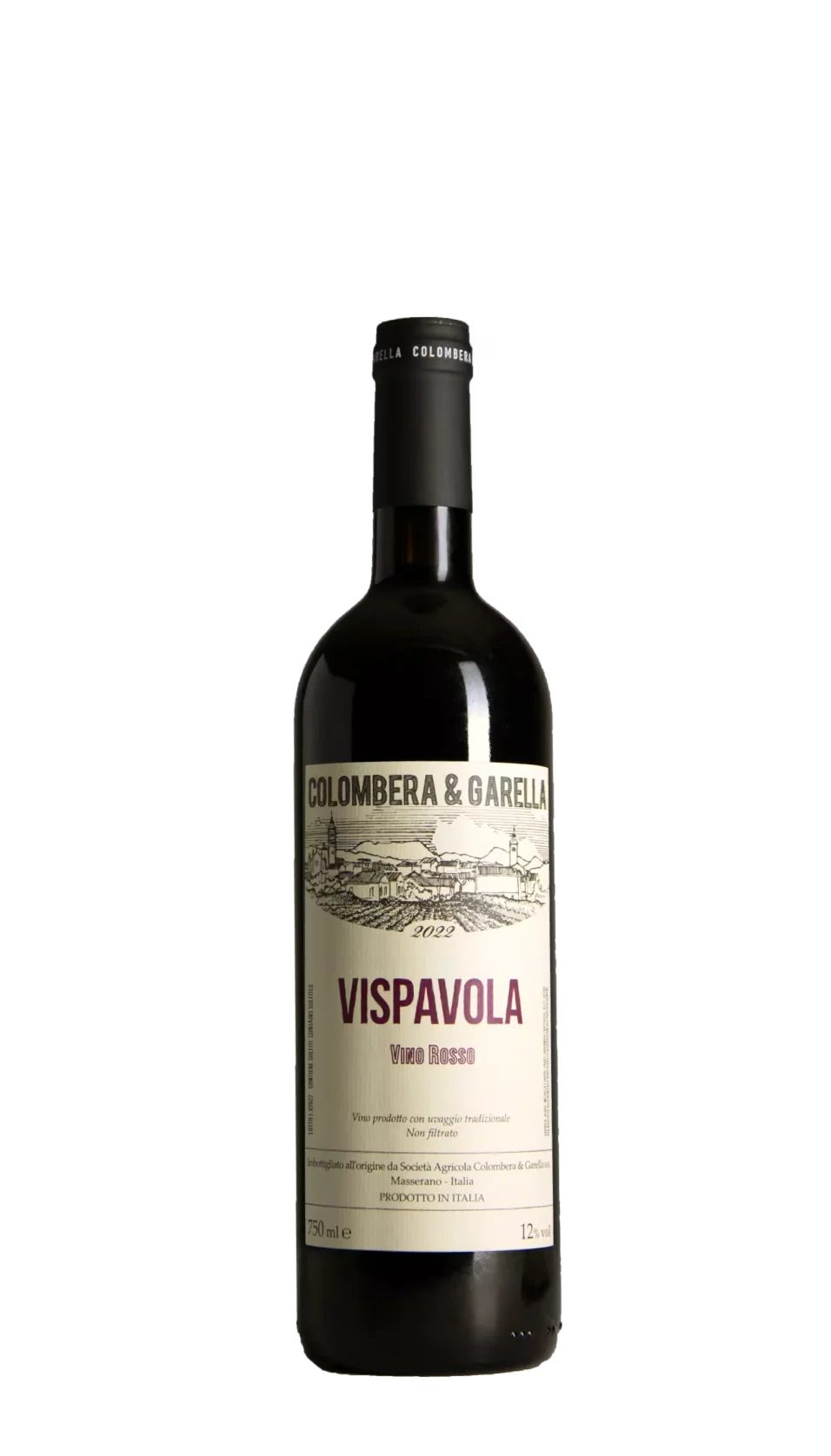
Vispavola 2023 Colombera & Garella – Vespolina Grape
Varietal & Terroir. Genetically linked to Nebbiolo (sharing part of its parental DNA) and historically grown in Oltrepò Pavese under the synonym Ughetta, Vespolina finds its sharpest expressive focus in the soils of Alto Piemonte. A cultivar with a pronounced spicy edge—driven by high levels of rotundone, making it the most aromatic and peppery indigenous grape in Alto Piemonte—it stands out for its chiseled aromatics of violet and crisp red berries, backed by a vibrant acid spine and slim, incisive tannins.
Vineyards for Vispavola sit in the municipality of Masserano at roughly 350 meters above sea level, facing Southwest to Southeast. Here, the terroir reveals its geological singularity: strongly acidic soils of porphyritic and quartziferous sands born from the collapse of the ancient Valsesia supervolcano. Mineral, free-draining ground combines with classic Guyot training and deliberately low yields (around 6 tons per hectare / 60 quintals/ha) to give the fruit balanced sugar and phenolic concentration while keeping its natural gustatory tension intact.
The Winery. Based at Cascina Cottignano in Masserano, the project stems from a generational alliance between the Colombera family—Carlo and his son Giacomo—and oenologist Cristiano Garella, a leading figure and standard-bearer of the Alto Piemonte viticultural renaissance. Farming roughly 7 hectares parcel by parcel across Lessona, Masserano, and Brusnengo, the estate practices strictly sustainable viticulture, banning chemical herbicides and synthetic fertilizers to nurture soil microbiological life.
Cellar work is avowedly low-intervention. Unlike traditional regional blends where Vespolina acts as a spicy minor partner to Nebbiolo and Barbera, Vispavola champions pure monovarietal vinification—a benchmark for artisanal native Italian wines. Alcoholic fermentation runs spontaneously without selected yeasts or temperature control, paced by calibrated pump-overs and délestage for gentle, progressive extraction. Aging takes place exclusively in stainless steel tanks for about a year, a technical choice designed to avoid oak interference while preserving fruit clarity, balsamic lift, and the porphyritic salinity that makes the glass a natural match for feathered game, wild mushrooms, and great autumn dishes.
Tasting Notes. Brilliant, youthful, luminous, and translucent ruby in the glass. The nose is exuberant and fragrant, packed with hallmark spice and the varietal aromas of Alto Piemonte’s most aromatic cultivar. Agile, fresh, and juicy on the entry, it pairs effortless drinkability with delicate tannic grip and forward drive, finishing crisp with a long, peppery trail (recommended serving temperature: 16°–18° C).
Gastronomic Pairing. Recommended Dish: Pork tenderloin barded with crisp pancetta and caramelized red onion reduction.
Pairing Analysis. Barded pork tenderloin with caramelized red onion reduction and Colombera & Garella’s Vispavola 2023 highlights the tenderness and fragrance of both protagonists with measured precision. Slender structure, brisk freshness, and agile drinkability balance the natural sweetness and succulent richness of the pork without tiring the palate. In parallel, Vespolina’s inimitable spicy stamp converses with the pungent, sweet-and-sour depth of the onion reduction, lifting its bouquet. Velvety tannins and vibrant acidity cut through the fat of the pancetta, leaving a clean, calibrated, and cohesive finish.
Featured Image: Created with AI
Bottle Photography: Courtesy of Tenuta di Montemagno, Gian Luca Colombo, and Colombera & Garella