Sevi challenges clichés with a sartorial tasting journey and an eclectic cocktail bar, transforming a hidden space via Maragliano into a cultural laboratory of “cuisine in movement.”
Emerging from a three-year chrysalis of growth and experimentation, Sevi—the restaurant in Florence helmed by Peruvian chef Francys Salazar—has embraced a reimagined identity. Surpassing the surface of a simple renovation, the reopening defines a cultural pivot: a physical transformation coinciding with a profound shift in narrative. Here, contemporary Peruvian cuisine is not simply served but deconstructed, balancing research, global contamination, and raw material reverence within a renewed, intimate setting.
“Deemed madness by many, to revolutionize Sevi so soon after our last iteration,” reflects Chef Patron Francys Salazar on the decision. “Yet, essential it was; a necessary risk to deepen the immersive quality of the experience and to mature professionally, elevating the perception of Peruvian cuisine in Italy.”
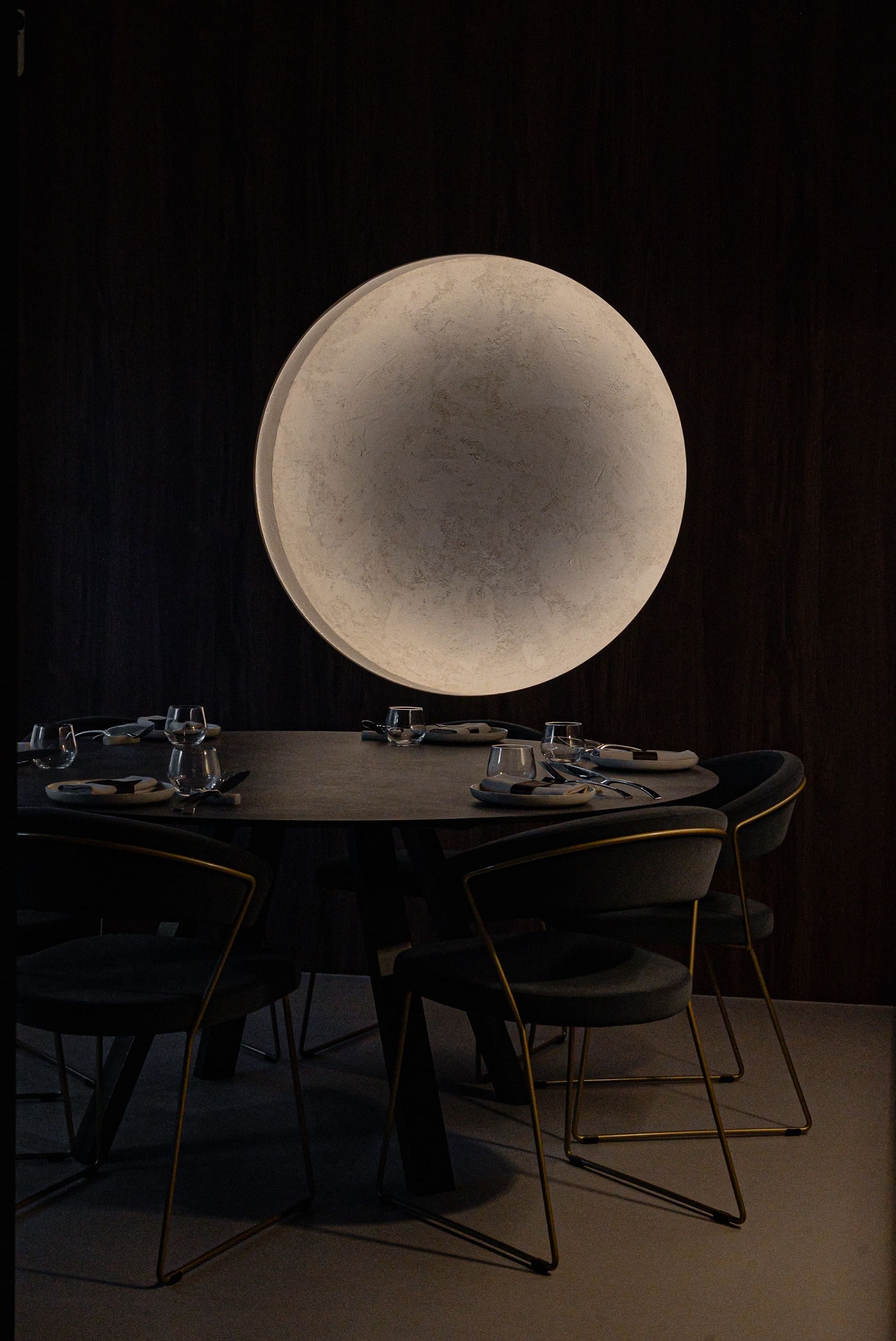
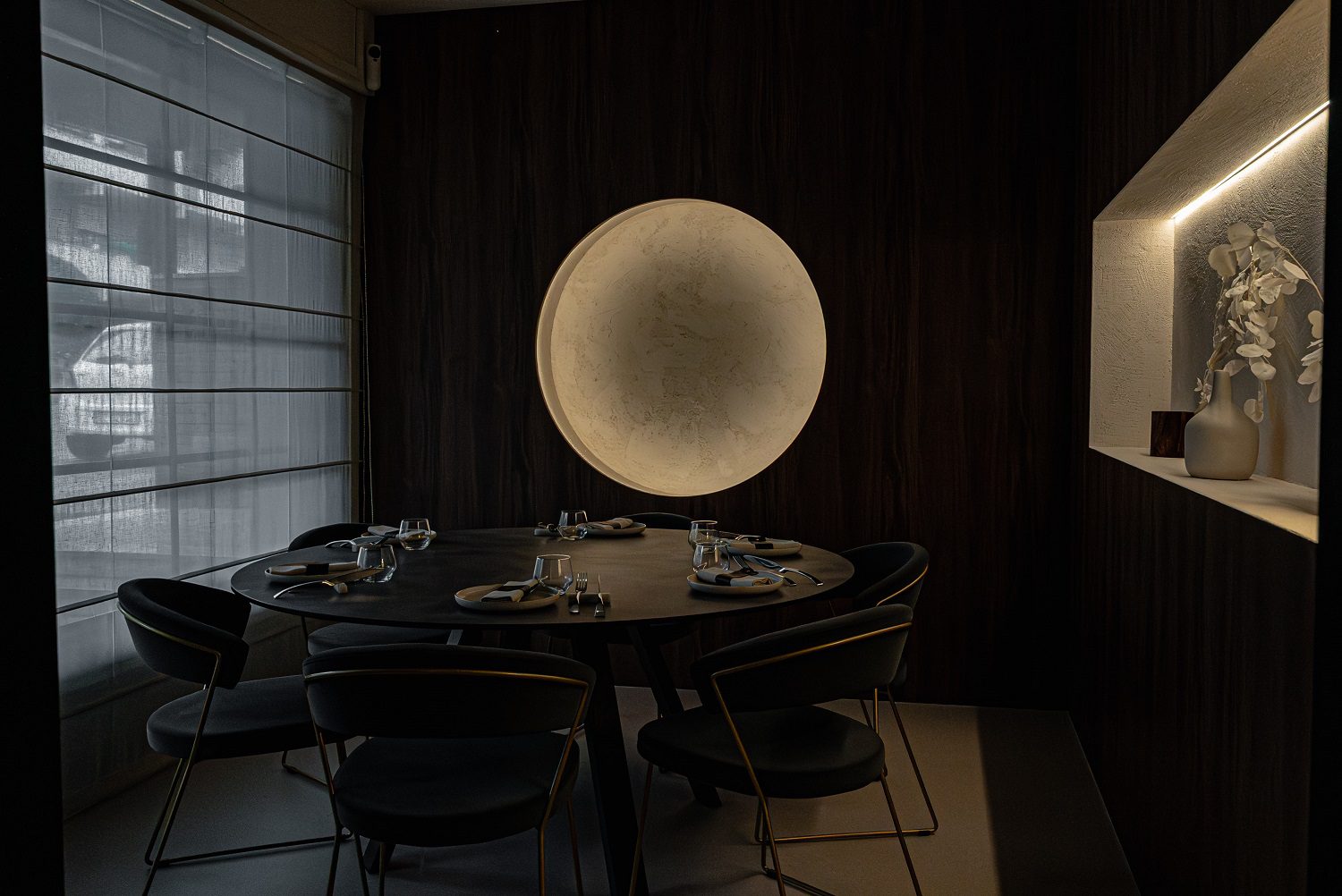
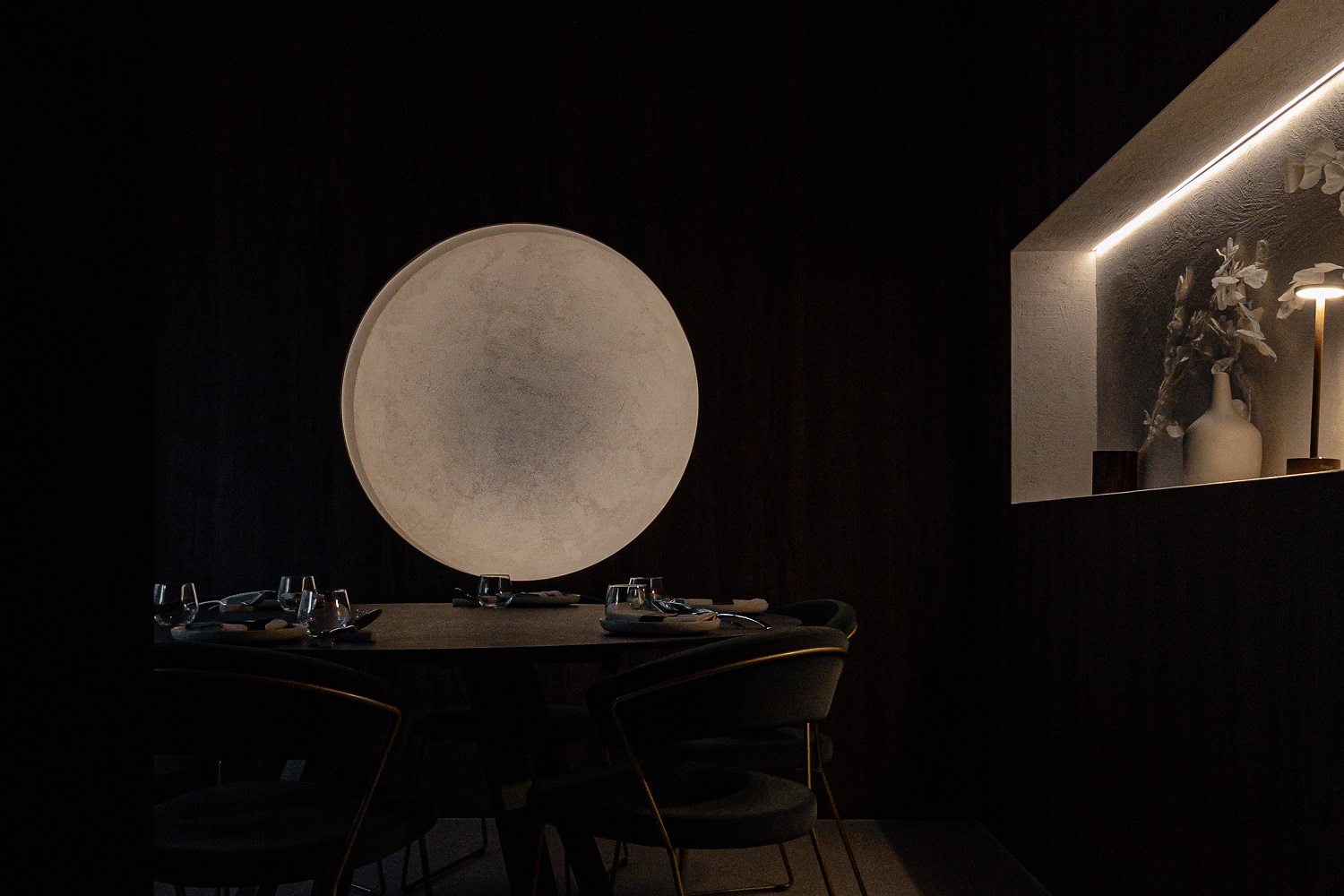
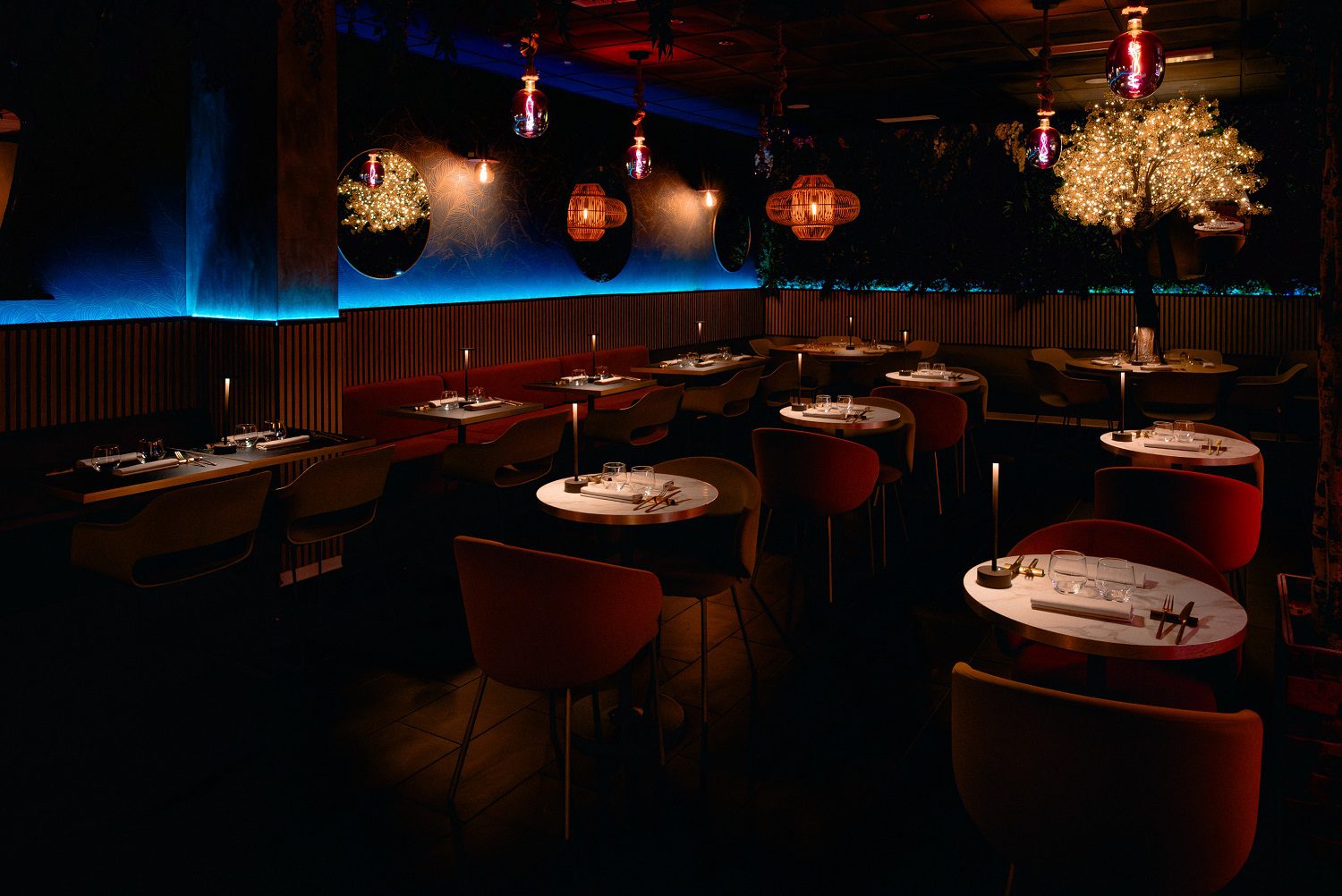
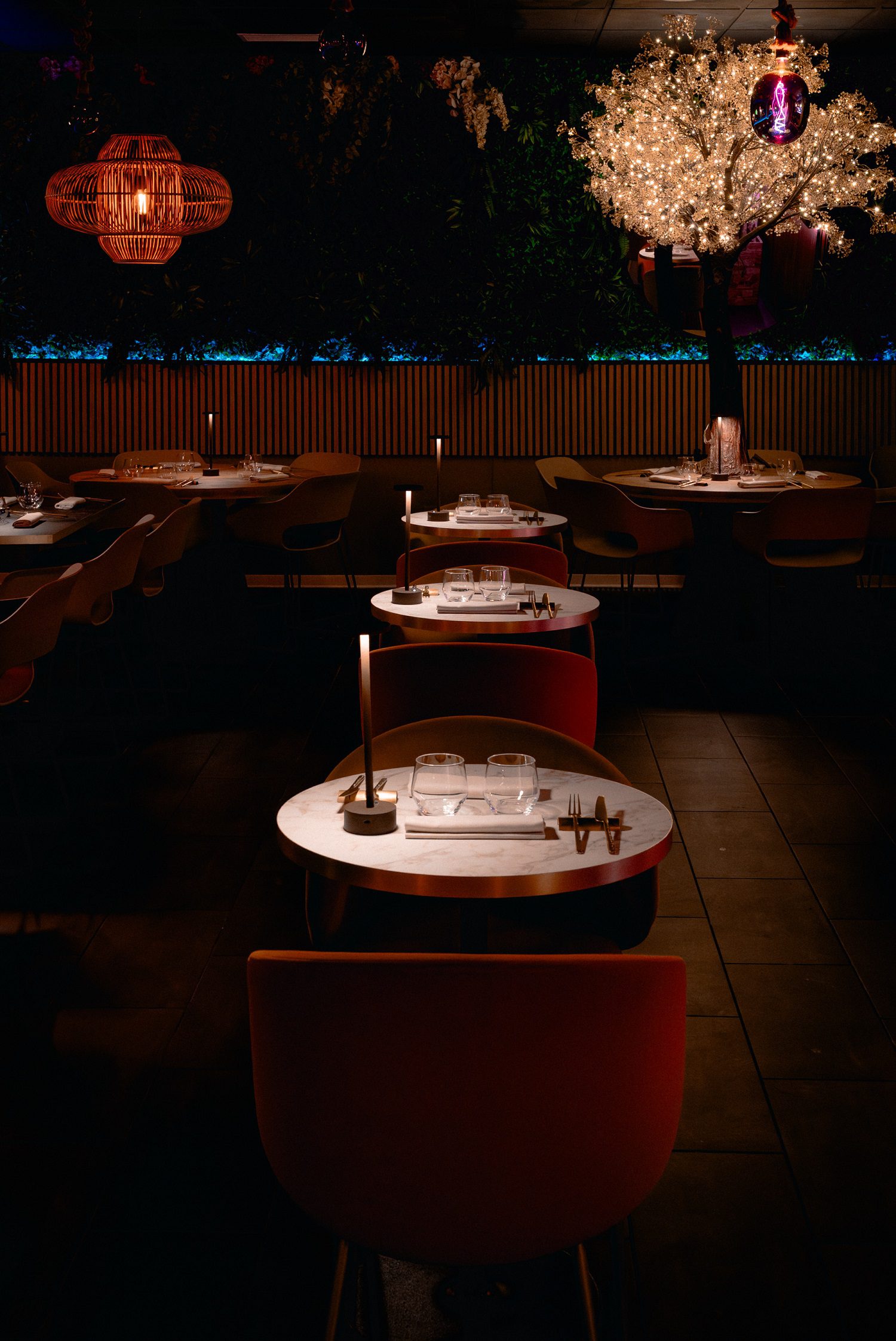
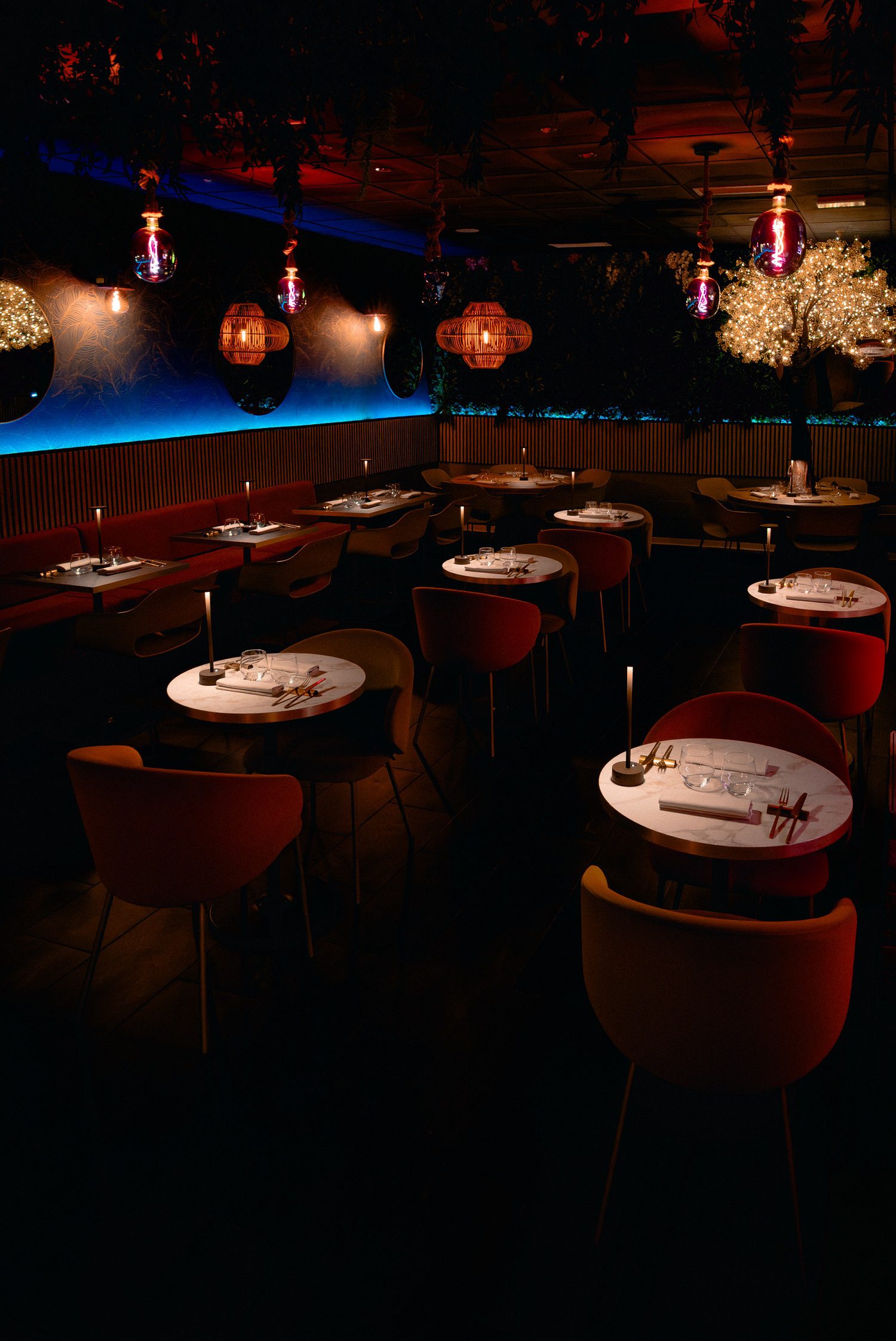
Eschewing cover count for curated intimacy, the renovation breathes new life into the Via Maragliano location. The main dining room now possesses a wider breath, where service is meticulously detailed and the atmosphere balances fine dining precision with raw authenticity. Warm, natural tones drape the walls, evoking the textured landscapes of the Andes—a visual silence designed to amplify the emotional intensity of the plate.
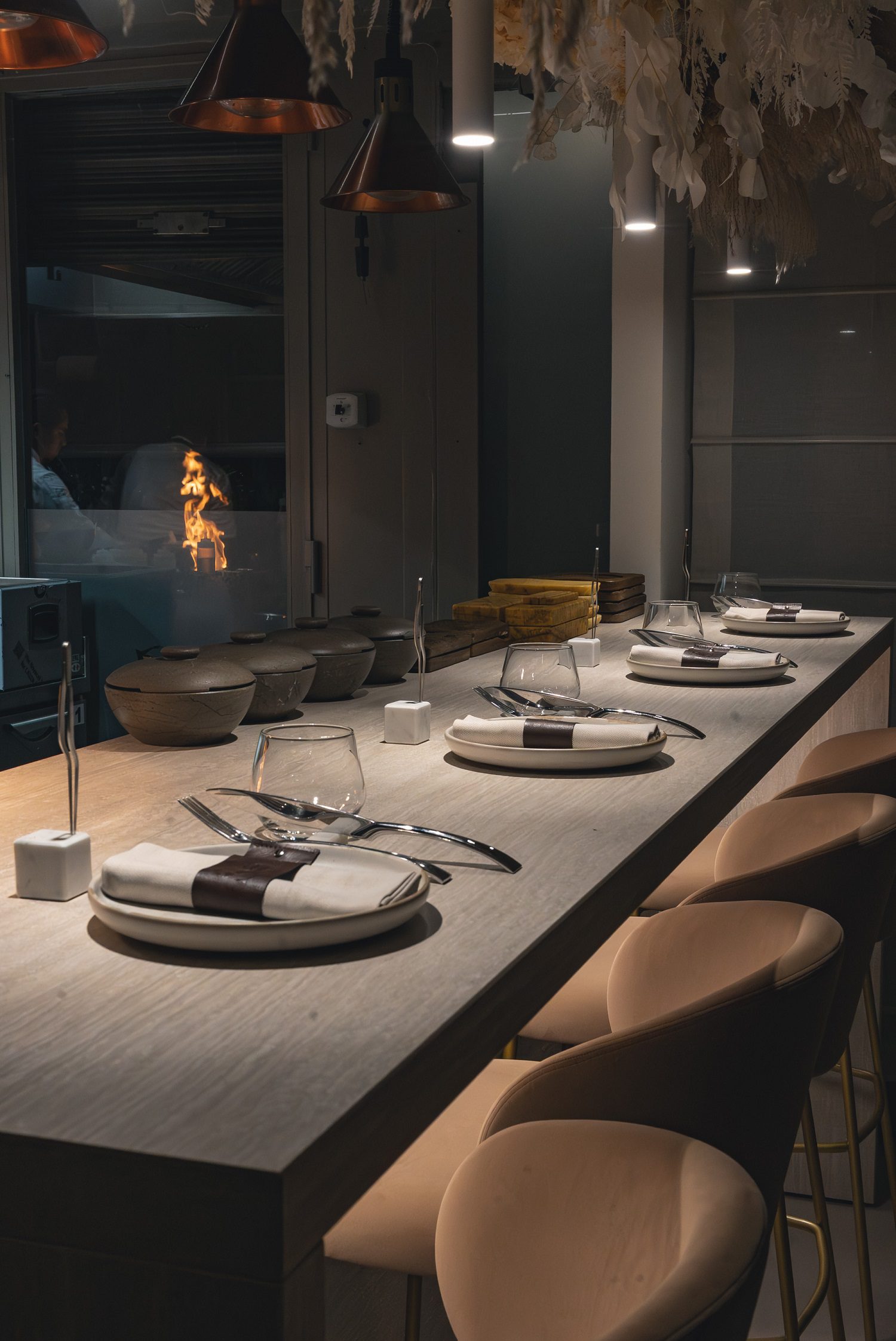
Anchoring the room, positioned directly before the open kitchen, stands the Chef’s Table, the experiential soul of the venue. Here, the tasting eschews a pre-established menu, constructed instead upon a direct dialogue between the chef and up to four diners. “Our tasting paths are drawn in pencil,” Salazar notes, “starting from a trace but shifting daily, dictated by inspiration, seasonality, and the chemistry established with those seated at the counter.”
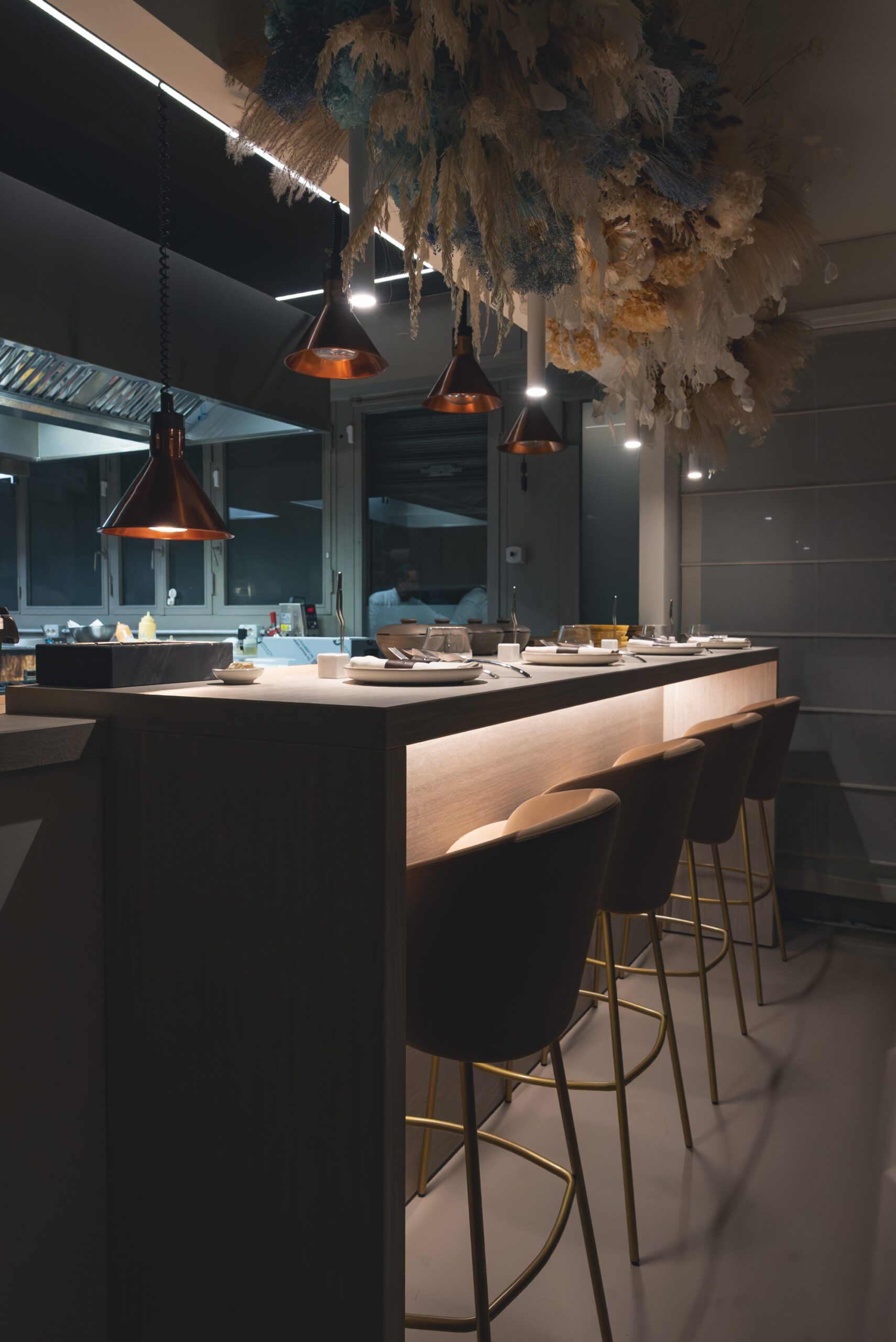
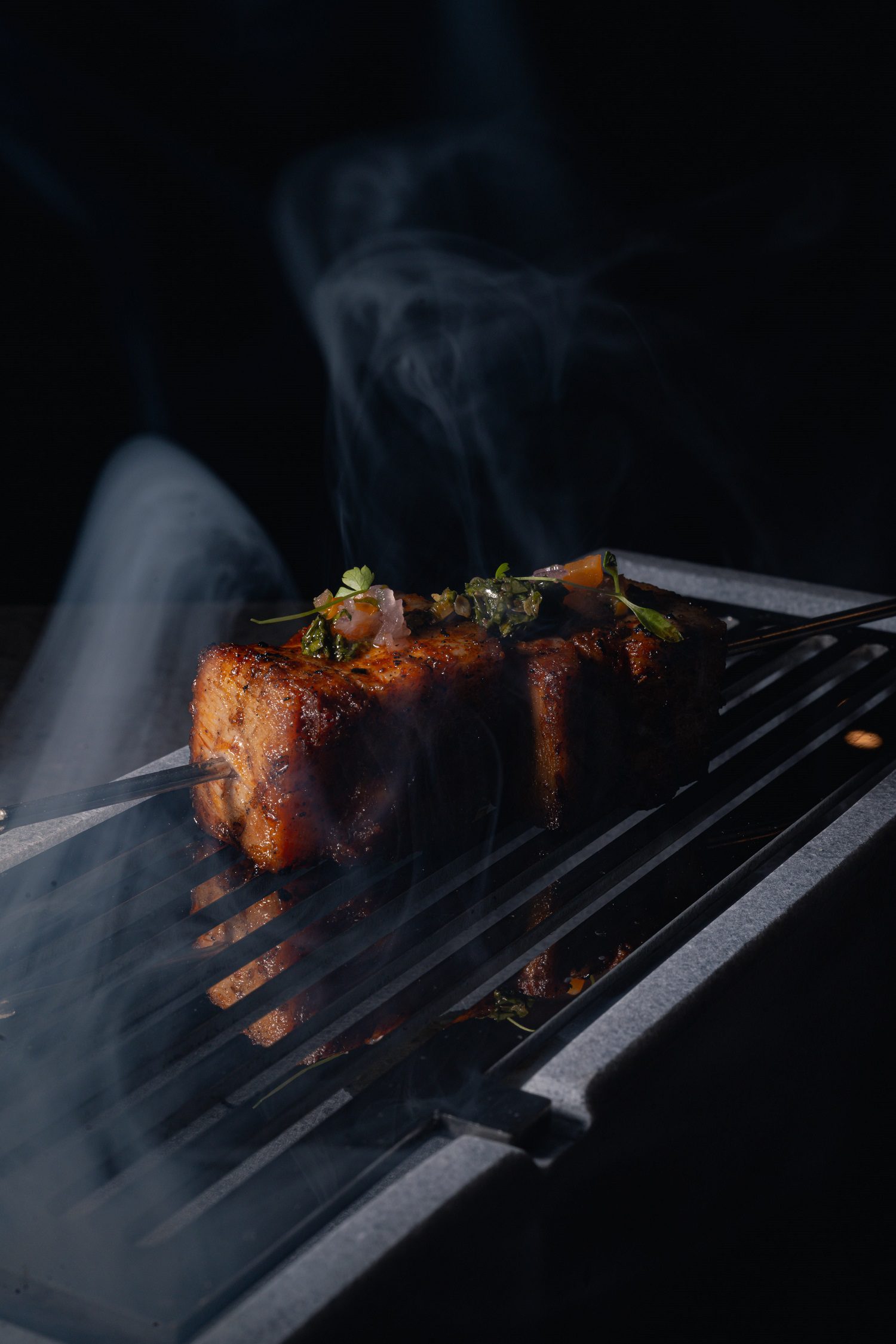
Beyond the à la carte selection, two distinct trajectories guide the palate: Alla Deriva, an eight-course voyage charting the technical and creative philosophy of Sevi; and Destino Multiple, a five-course conversation bridging past and future, identity and migration.
Cuisine in Flux: Mapping the Uncharted
Central to this new era is the concept of “cuisine in movement.” Rather than the static replication of authentic recipes, Salazar opts for comprehension, deconstruction, and reinterpretation. Acknowledging that the culinary soul of Peru is a living dialect—molded by centuries of cultural collision and migrant stories—Sevi transcends the label of a typical “Peruvian” venue, establishing itself instead as a gastronomic laboratory where tradition and technique serve experimentation.
“Sevi is a space of exploration,” confirms Francys, “inspired by the narratives of those who arrived in Peru from distant corners of the globe, weaving their heritage into the local fabric.”

Traversing Peru from northern coasts to southern peaks, the menu accepts no borders. Andean roots entwine with Japanese, Spanish, Chinese, and African influences, weaving a tapestry of historical contamination. Uncompromising in intensity, flavors arrive unsoftened for the Italian palate; the intent is to narrate Peruvian cuisine stripped of prejudice, chronicling its asperities, aggressive marinades, and bold scents.
Among the novelties and signature dishes—true autographs of Francys—stands the Leone XIV: a bean velouté with low-temperature cooked cheek and Northern Peruvian spices, a poetic homage to the Pope of Andean origins, where Prevost served as missionary and bishop.
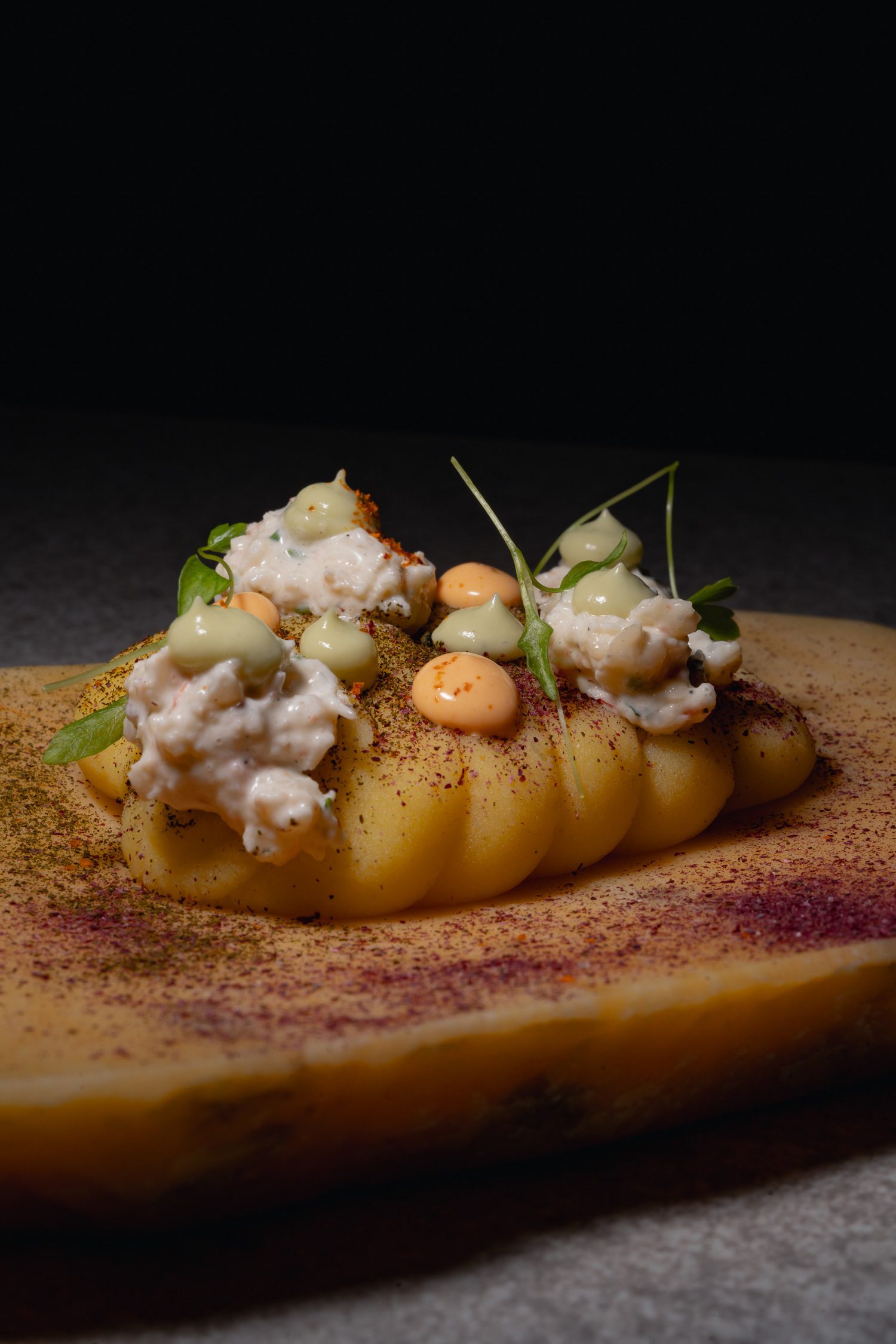
Further exploration reveals the Conchitas (grilled scallops with coral butter, black garlic, and leche de tigre) and the Chaufa di Wagyu (robatayaki-seared wagyu served with wok-tossed vegetables, egg, soy, and sesame). Flanking these are reimagined classics, such as the Polpo Anticuchero with potato foam and the Arroz de Mariscos, expressions of a culinary memory refreshed through contemporary sensitivity. Inevitable, too, are the evolving variations of Ceviche, the manifesto of the chef’s constant identity in flux.
Fragmentos: A Subterranean Dialogue
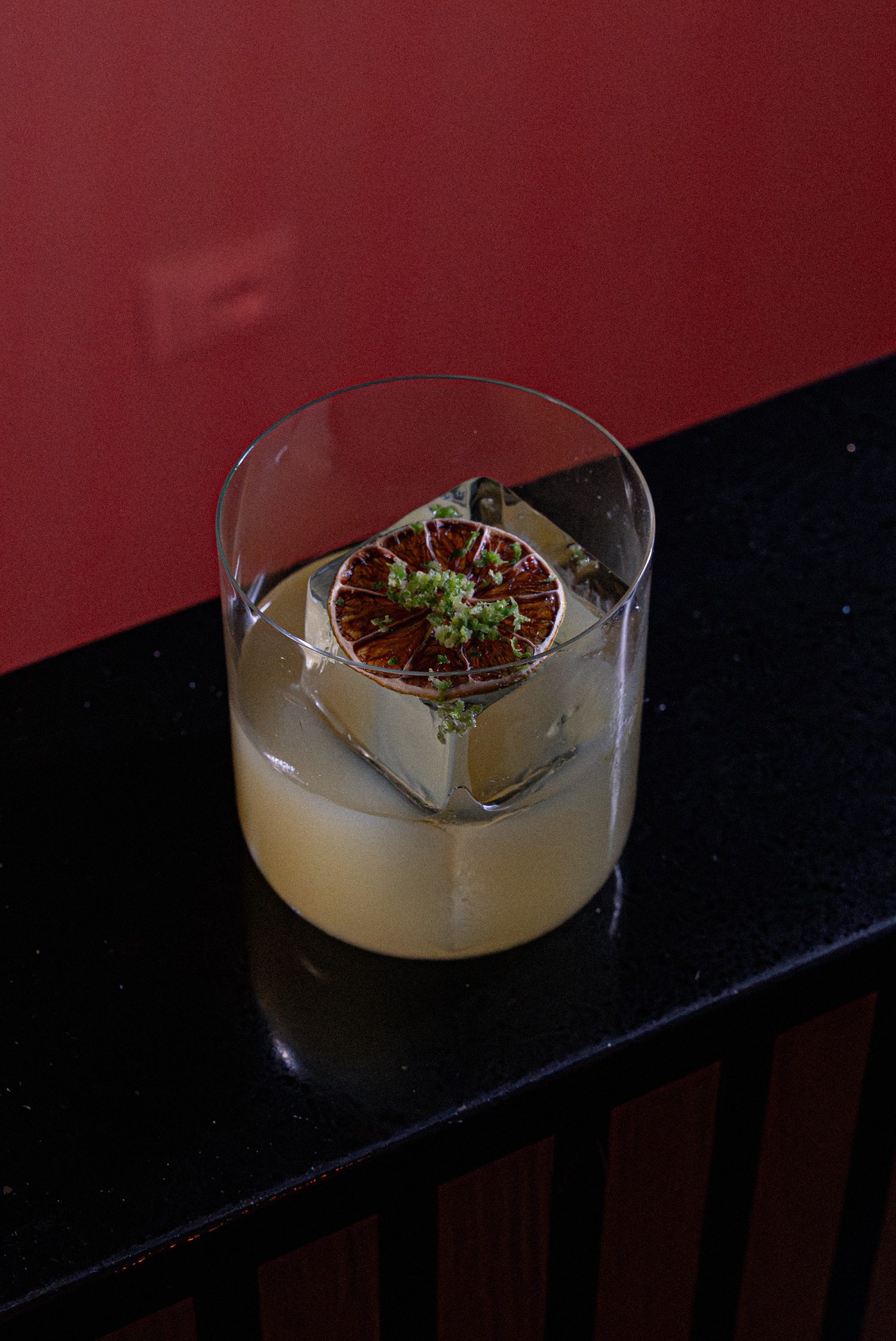
Descending to the lower level reveals a shift in identity: Fragmentos. More than just an extension of the restaurant, this subterranean enclave emerges as a tapas and cocktail bar where the atmosphere turns intimate and sensory. Slated to open for lunch in the near future, the hidden space features distilled portions of the main menu alongside a cocktail program curated by rising talent Lionel Guevara. Extending Sevi’s storytelling into mixology, the bar remains faithful to the venue’s overarching philosophy.
“The glass narrates just as much as the plate,” explains the chef. “Rejecting the ‘fake tradition’ that demands only Pisco, we explore mezcal, Peruvian whisky, and various spirits to create liquid journeys that converse with the kitchen.”
Marking a pivotal shift, Sevi reaffirms its status as a dynamic cultural and gastronomic hub: a place where cuisine is language, tradition is a living entity, and dining becomes storytelling. It is a project speaking of freedom and cross-pollination, proving once again that this restaurant is a vital piece of a Florence increasingly curious and receptive to the contemporary global stage.