At Villa Borghese, the 23rd edition of the showcase brings together public institutions and the agri-food supply chain. A report from the official opening, followed by our curated tasting route featuring three benchmark regional producers.
The ribbon-cutting ceremony marked the official opening of the 23rd edition of Vinòforum. Following last year’s 80,000 visitors, the 2026 edition reaffirms its status as the benchmark wine and food event for Rome and central-southern Italy.
For the second year running, the festival takes place in Piazza di Siena, at the heart of Villa Borghese: an open-air setting conceived to bring together winegrowers, trade professionals, and enthusiasts in an intimate, historic atmosphere.
A high-profile presence at the opening ceremony—drawing together political leaders and industry figures—underlined the event’s economic, cultural, and promotional weight.
Emiliano De Venuti, CEO of Vinòforum and President of Food and Wine Gathering, welcomed attendees alongside national and regional officials. In his opening remarks, De Venuti outlined the ethos behind the event: “This showcase grew out of a personal journey shaped by teamwork and family, started more than twenty years ago to champion the excellence of Italian wine and gastronomy. Today’s strong attendance confirms we are moving in the right direction: turning our food and wine heritage into meaningful, engaging content. Above all, Vinòforum is just that: a media platform and a promotional vehicle to bring the culture of food and wine to the widest possible audience.”
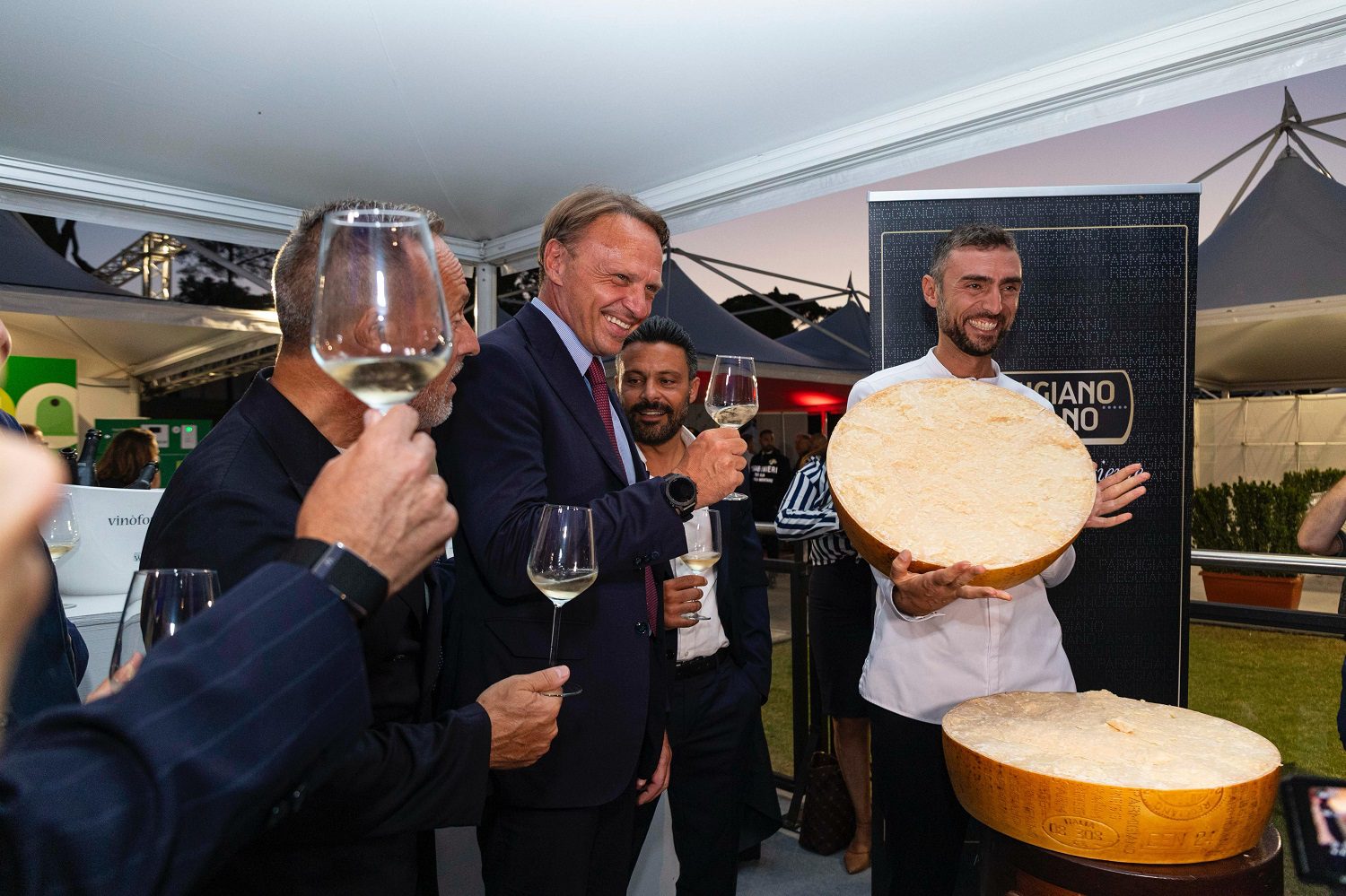
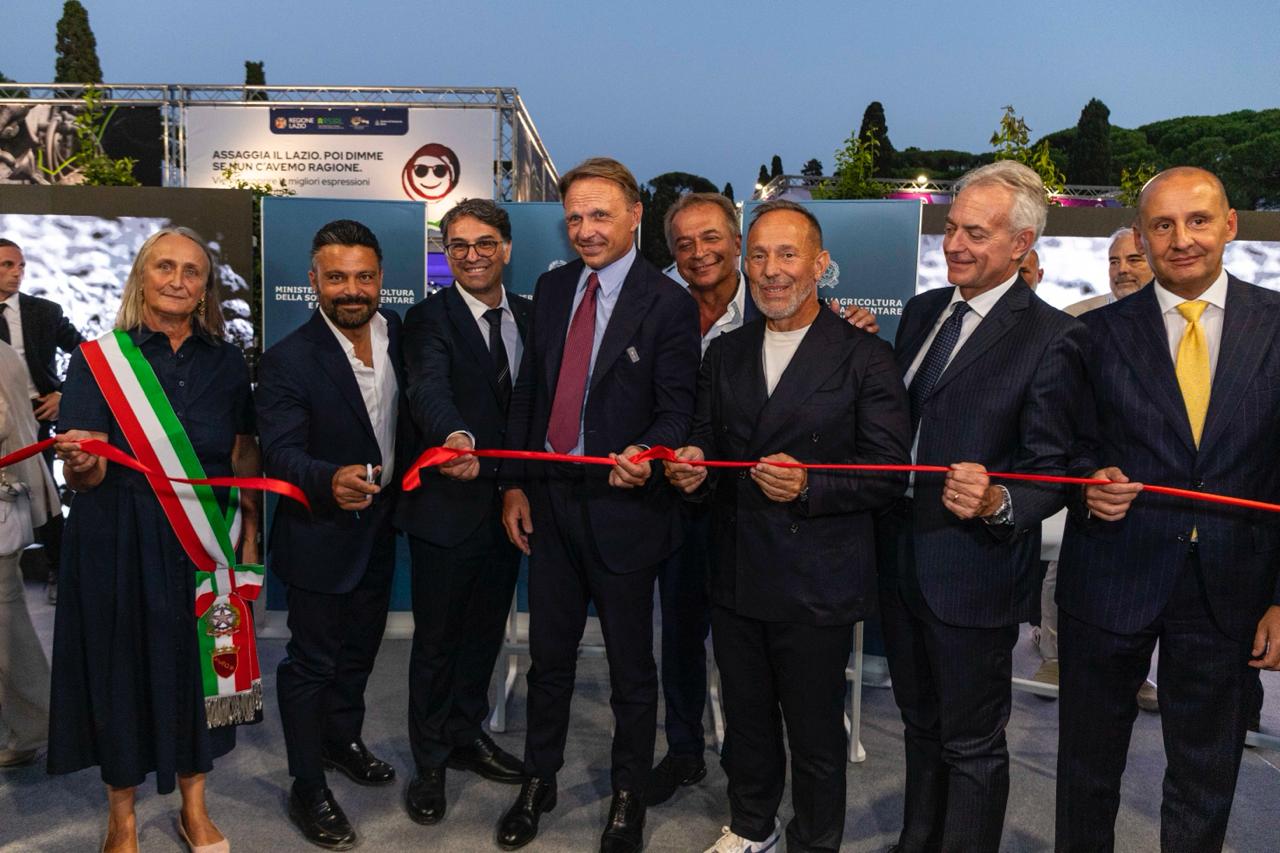
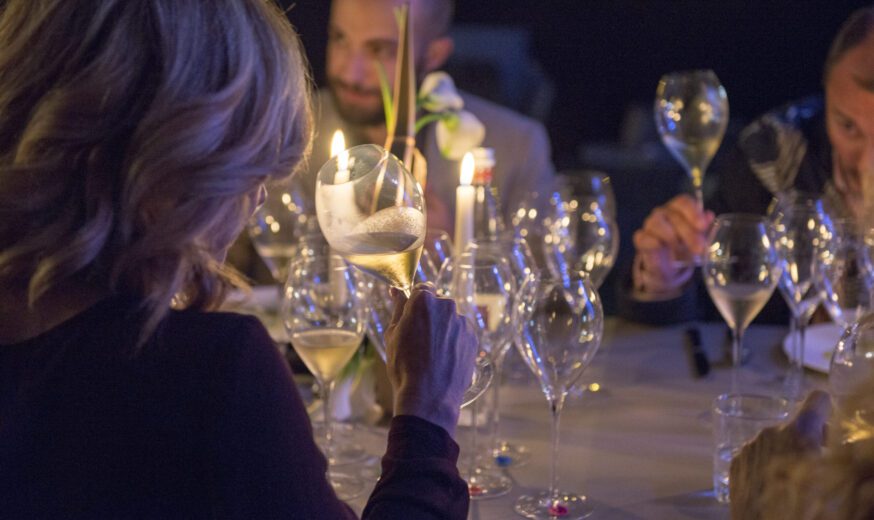
Attending the ribbon cutting were the Minister of Agriculture, Food Sovereignty, and Forestry, Francesco Lollobrigida; Rome’s Councillor for Agriculture, Environment, and Waste Management, Sabrina Alfonsi; the Councillor for Agriculture of the Lazio Region, Giancarlo Righini; the Councillor for Agriculture of the Calabria Region, Gianluca Gallo; and the President of ARSIAL, Massimiliano Raffa. A concerted presence of national government, local authorities, and territorial agencies, underscoring Vinòforum’s central standing as a strategic showcase for Made in Italy and a key nexus of dialogue for the agri-food supply chain.
This institutional alignment translates directly into initiatives on the ground. At the municipal level, Sabrina Alfonsi emphasized the rediscovery of local viticultural roots: “Alongside surrounding municipalities, our administration is committed to safeguarding native grapes and promoting the Roma DOC appellation. Roma Capitale is present this year with a dedicated space bringing together key local voices—from the Food Council to resident chefs—to reaffirm Rome’s cultural identity, starting precisely with the excellence of its wine.”
Moving from the municipal to the regional level, the Lazio Region expands its presence under the coordination of ARSIAL. As detailed by President Massimiliano Raffa, the agency brings forward 22 benchmark producers across viticulture, agrifood, and spirits, flanked by local producers across the exhibition spaces.
The focal point is the agora dedicated to the slogan Assaggia il Lazio, poi dimmi se non c’avevo ragione (“Taste Lazio, then tell me if I was wrong”), conceived to immerse the public in the region’s gastronomic heritage. The program also features four blind-tasting masterclasses led by AIS (Italian Sommelier Association)—a format fresh from its success at Vinitaly, curated to showcase the quality benchmark achieved by Lazio’s labels.
Addressing the market challenges and strategic objectives of the national wine industry, Minister of Agriculture Francesco Lollobrigida emphasized: “Events such as this serve as a guiding model for championing wine as food, a custodian of the land, and an engine of economic growth. Italy boasts unmatched viticultural biodiversity, with more than 2,000 grape varieties and a history already forged in ancient Roman times. Today we lead the world in production volume and rank second in value: the strategic objective is to secure absolute leadership by focusing on international promotion, quality, and supply-chain protection.”
The Minister continued: “A symbol of conviviality, wine was central to the recognition of Italian Cuisine as UNESCO Intangible Cultural Heritage. It is imperative to firmly counter any attempts to criminalize the sector: against a backdrop of declining wine consumption, we are in fact witnessing an increase in high-proof spirits. We must make it clear that every bottle holds far more than mere alcohol: within it lies the story of our terroirs, the stewardship of the environment, and the dedication of human labor.
The extraordinary expertise of our enology, embodied by figures of excellence, represents a cultural leadership that we actively share through international cooperation projects. I conclude by recalling Rita Levi-Montalcini, a great scientist who enjoyed a good glass of wine and lived in good health to the age of 103: tangible proof that wine, when consumed in moderation, is culture and wellbeing.”
This supply-chain vision finds an operational counterpart in the partnership between Vinòforum and Veronafiere. The 2026 edition marks the launch of a structured collaboration between Rome’s benchmark event and the nation’s preeminent exhibition center: a strategic alliance conceived to give the sector a unified voice, safeguard its quality identity, and guide producers toward new growth models across global markets.
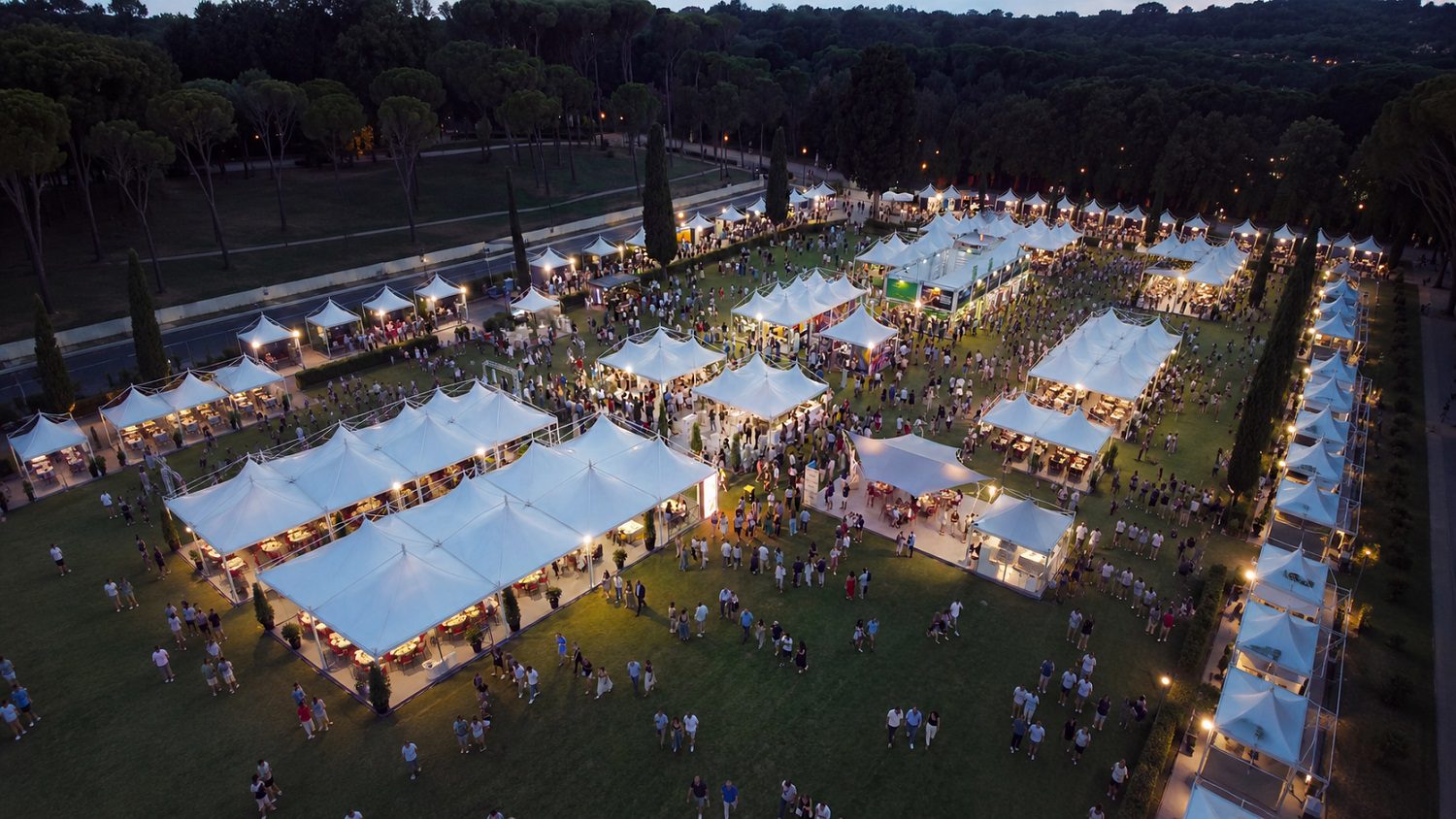
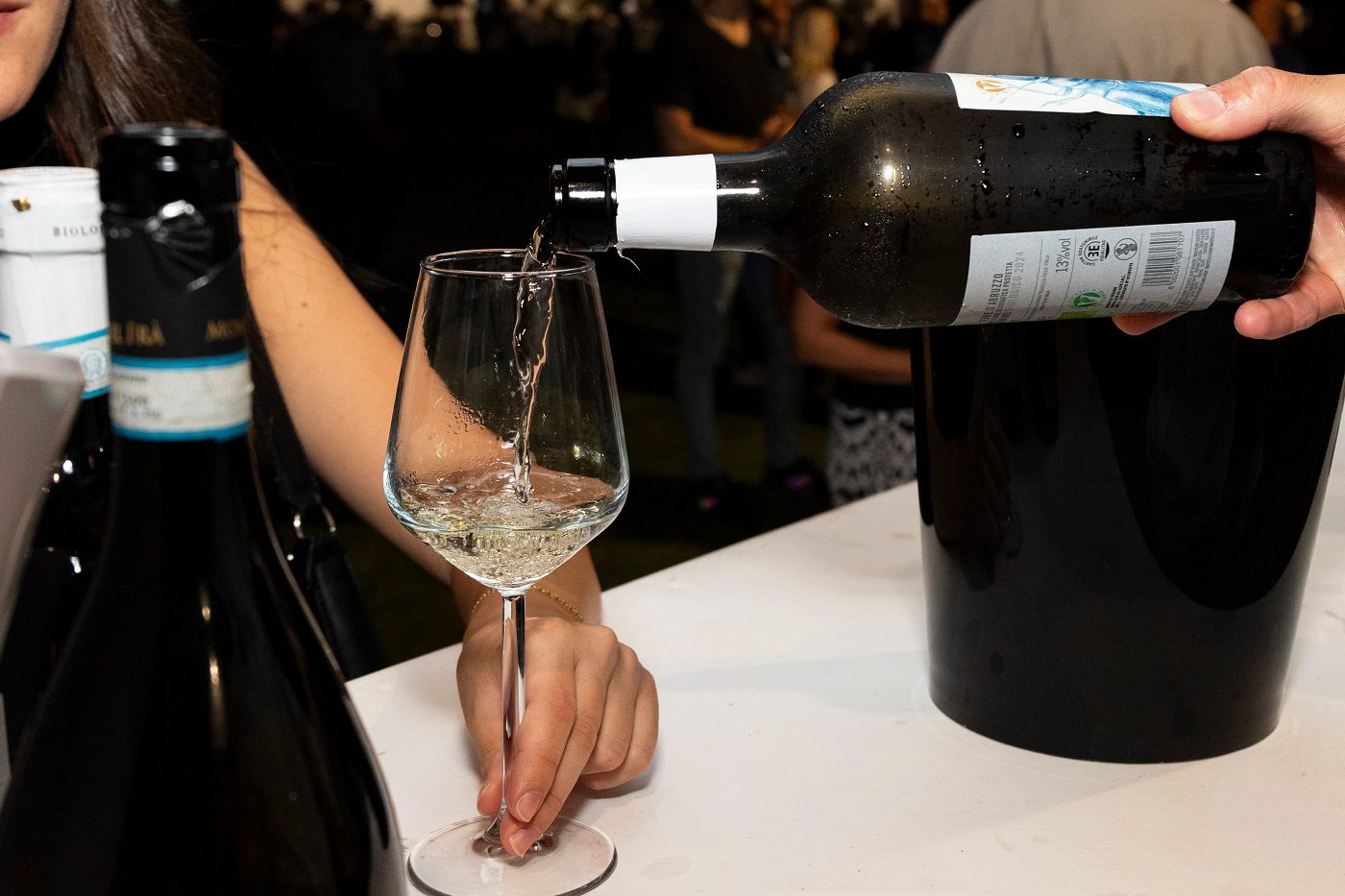
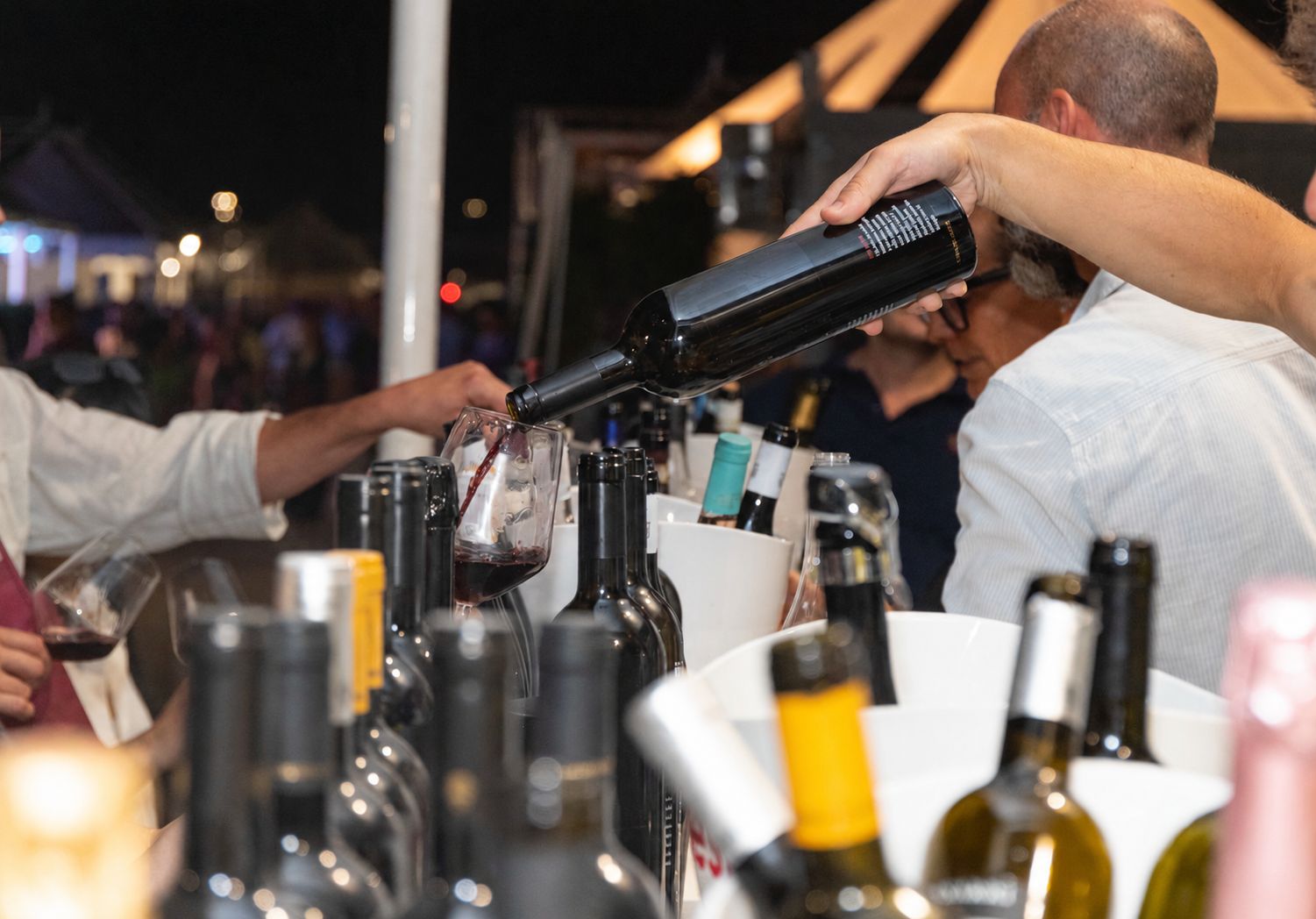
The partnership materializes on the ground with House of Veronafiere, a bespoke networking lounge connecting producers, buyers, and trade professionals.
Gianni Bruno, Managing Director of Veronafiere, framed the initiative within the group’s overarching vision: “We are often defined by the sheer strength of our figures: tens of thousands of international buyers, vast exhibition spaces, and over 670,000 visitors each year. Yet a trade fair thrives above all on relationships, expertise, and people. With the House of Veronafiere format at Vinòforum, our goal was to create a space for meeting and dialogue capable of presenting our Group in the round: a lounge where our brands engage directly with trade buyers and operators, illustrating what truly underpins our event factory model—Veronafiere’s human capital and our capacity to connect the most representative supply chains of Made in Italy.”
From 800 producers and over 3,200 labels on pour, Cucine d’Italia singled out three benchmark estates—a focused edit curated to spotlight regional authenticity and site-expressive winemaking.
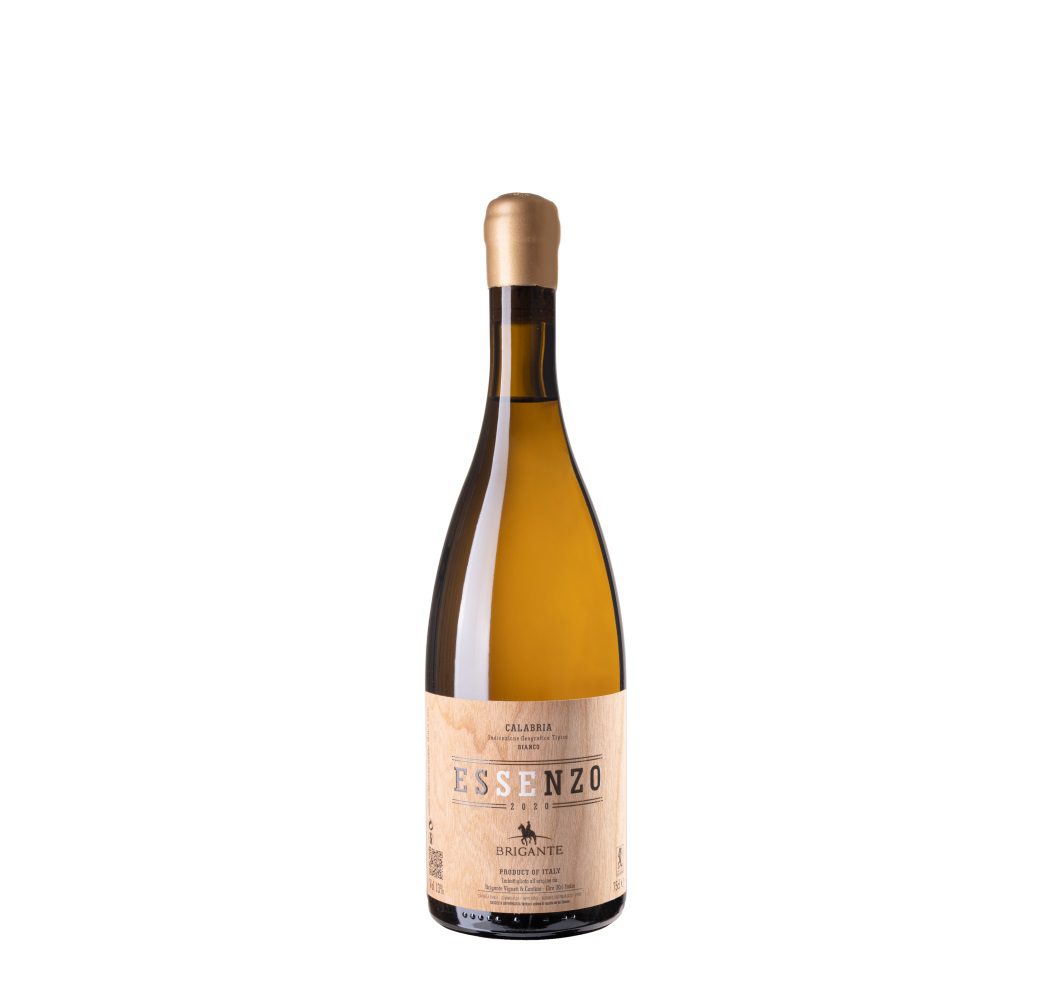
ESSENZO 2023 – Brigante Vigneti & Cantina
The Estate & Ethos: Founded in the late 19th century by Giuseppe Sestito and expanded post-war by his son Cataldo, this Cirò DOC family benchmark is driven today by Enzo Sestito and Stefania Carè. As proud FIVI members (Italian Federation of Independent Winegrowers), the estate manages every step in-house—from pruning to bottling—seamlessly fusing multi-generational heritage with hands-on, artisanal discipline.
Blend: 50% Pecorello, 50% Greco Bianco.
Terroir & Cellar: Sourced from the rolling hinterland of Cirò, where clay-marl soils laced with active limestone and marine sediment lend both structural depth and vibrant acidity. Handpicked fruit undergoes gentle pneumatic pressing followed by temperature-controlled fermentation. Crucially, the wine spends five to six months on fine lees in stainless steel, gaining mid-palate texture while chiseling a taut, mineral edge.
Tasting Notes: Pours an assertive, luminous gold with warm amber glints that immediately signal extraction and depth. Crisp floral and citrus top-notes yield to a darker, more layered aromatic core: toasted hazelnuts, comb honey, and a nascent flicker of petrol. Both aromatically and texturally, it channels the brooding, contemplative allure of great macerated whites. Underpinned by razor-sharp acidity and saline drive, it finishes taut, expansive, and impeccably dry.
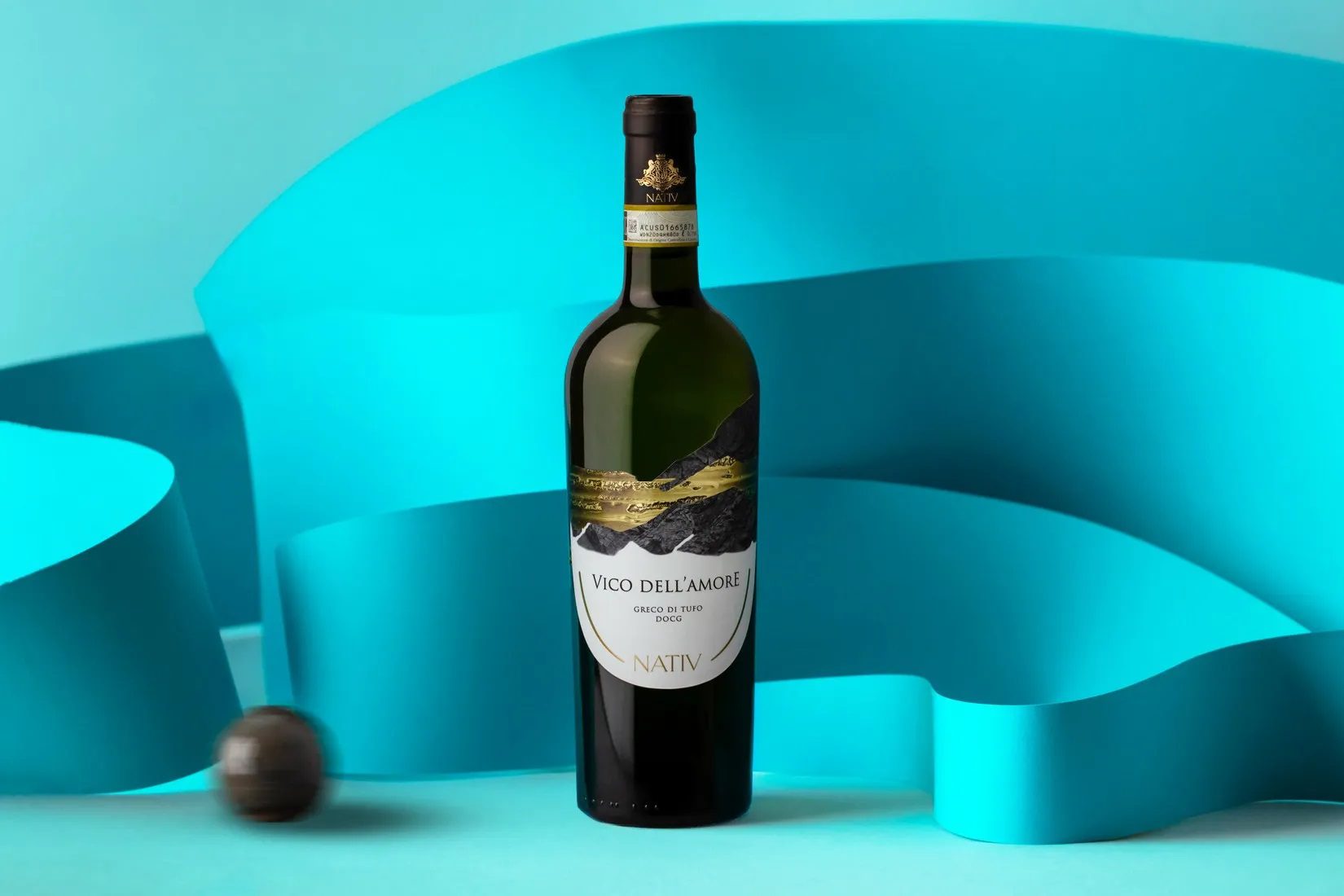
VICO dell’AMORE 2025 – Cantina Nativ – Greco di Tufo DOCG
The Estate & Ethos: In 2008, consulting enologist Mario Ercolino and food scientist Roberta Pirone established Azienda Agricola Nativ in Paternopoli to champion Irpinia’s ancient viticultural pedigree. True to its name, the estate anchors its identity in pure provenance, articulated exclusively through indigenous varieties—Greco, Fiano, Falanghina, and Taurasi’s Aglianico. Spread across 15 hectares of prime volcanic parcels in Paternopoli, Taurasi, and the high-elevation slopes between Castelvetere and Castelfranci, the vines thrive in the fertile soils of historic Campania Felix. Here, favorable meso-climates, mineral-rich soils, and cellar precision converge to produce bottlings expressive of true Irpinian identity.
Varietal: 100% Greco di Tufo.
Terroir & Cellar: An authentic expression of Tufo’s specific terroir. Calcareous sandstone bedrock rich in calcium carbonate defines the site, lending aromatic lift, textural tension, and deep minerality. Harvesting occurs at daybreak in October to safeguard aromatic precursors. In the cellar, gentle pressing is followed by cool fermentation at 14–16°C—an exacting thermal threshold designed to block malolactic conversion and retain the variety’s brisk, electric cut. Extended lees contact (sur lie) for upwards of four months with weekly bâtonnage builds mid-palate substance.
Tasting Notes: Saturated straw-yellow with deep golden glints, signaling extract weight. The bouquet opens with concentrated yellow orchard fruit, toasted nuts, raw acacia honey, and a keen vein of struck flint that suggests serious cellaring potential. On the palate, the wine reveals the architecture of a structured red: generous and tactile, yet propelled forward by razor-sharp acidity and a saline, volcanic snap. Muscular, chewy, and authoritative, lingering on an expansive, aristocratic finish.n assertive volcanic salinity that carries an expansive, lingering close.
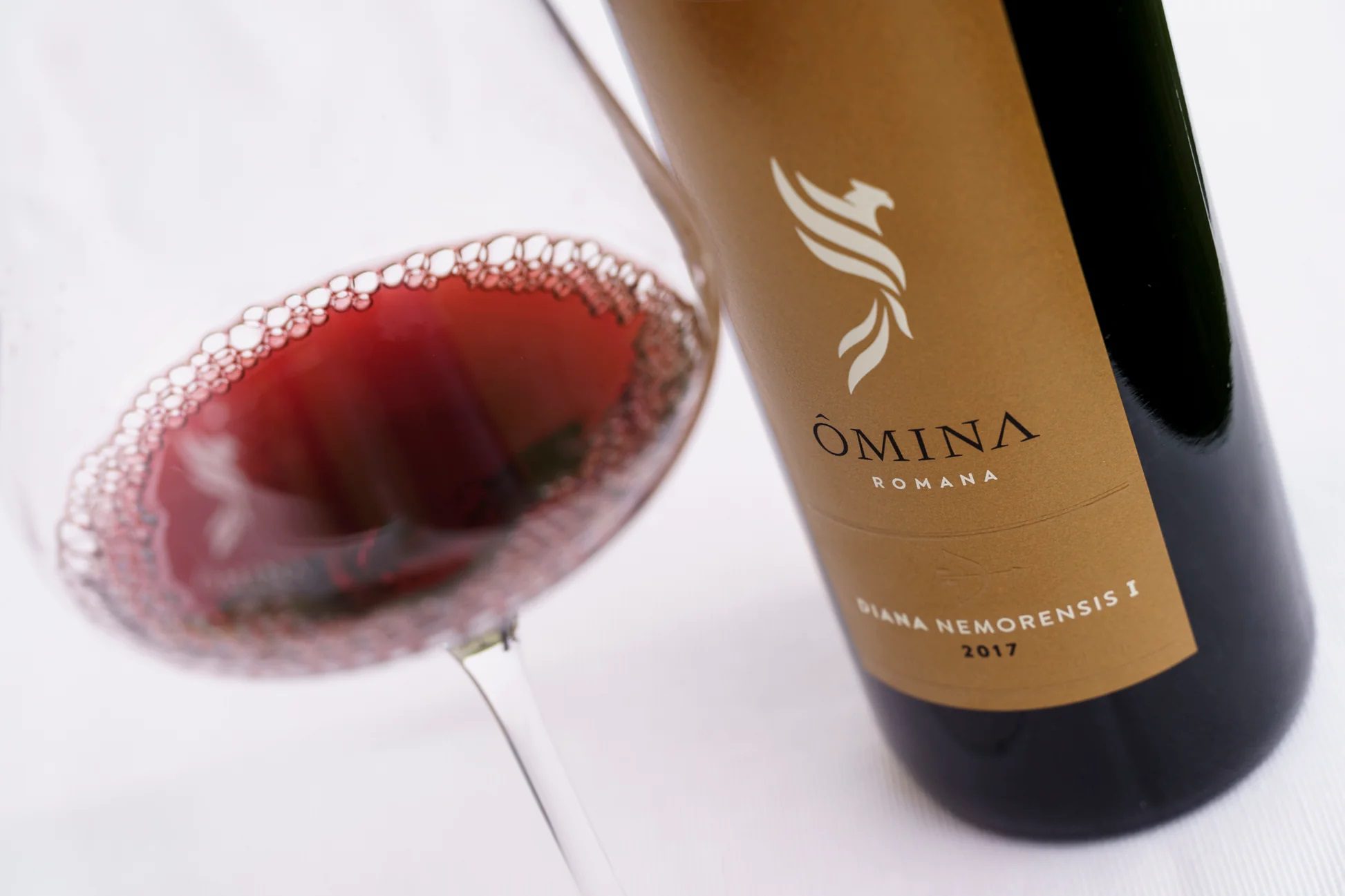
DIANA Nemorensis I 2019 – Cantina Ômina Romana
Cantina e Filosofia: fondata nel 2007 dalla famiglia Börner a Velletri, tra le fertili colline vulcaniche dei Castelli Romani, Ômina Romana nasce per far risorgere l’antica eccellenza del Vinum Velletriae, storicamente celebrato fin dall’epoca romano-etrusca e nel Rinascimento. Il nome, dal latino omina (“buoni presagi”), richiama l’antica arte etrusca di interpretare la natura, mentre la filosofia aziendale fonde il rigore scientifico alla spiritualità benedettina di ora et labora e mens et manus. Un perfetto connubio tra mente, manualità e rispetto per l’ecosistema, che restituisce a questo storico territorio un vino di altissima qualità.
Tipologia: 50 % Merlot, 30 % Cabernet Sauvignon, 20 % Cabernet Franc.
Terroir e vinificazione: nasce nel terroir vulcanico, ricco di potassico e tufo, capace di infondere una pronunciata impronta minerale. Il microclima gode dell’influsso del vicino Mar Tirreno e delle escursioni termiche dei Colli Albani, ideali per la perfetta maturazione dei Cabernet e del Merlot. Frutto di un elegante assemblaggio di Merlot, Cabernet Sauvignon e Cabernet Franc vendemmiati a mano, vinifica in tini d’acciaio a temperatura
Alessandra Fiori