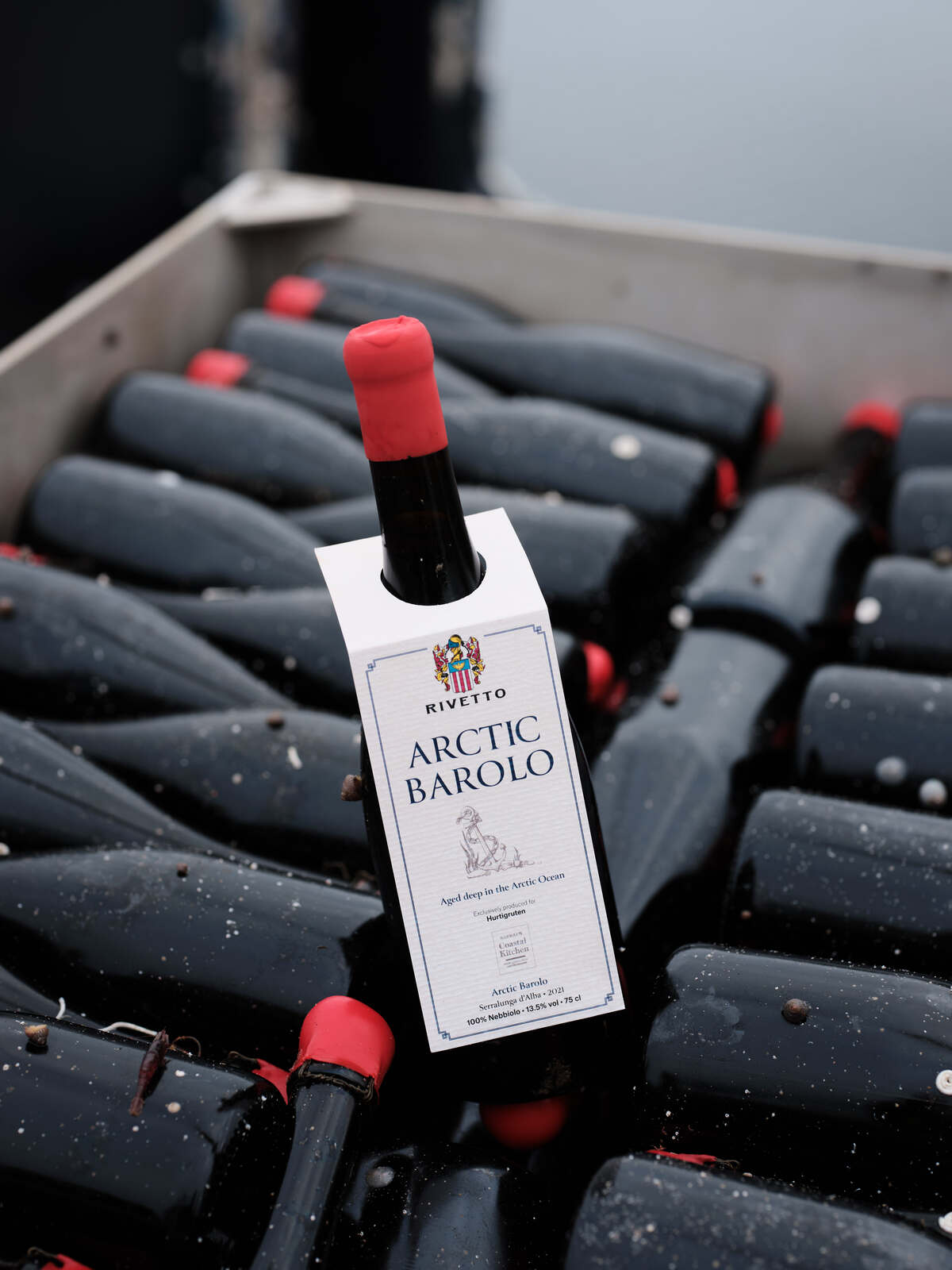
1,002 bottles at a depth of 34 metres: Arctic Barolo is born from the collaboration between Rivetto and Hurtigruten.
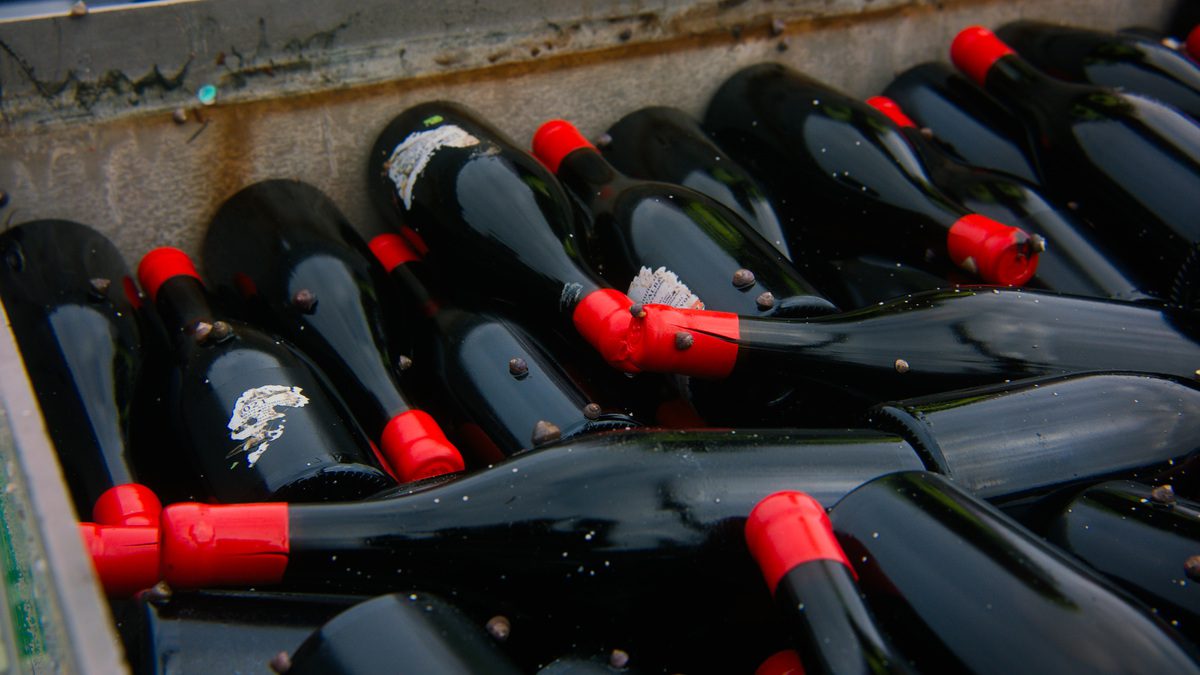
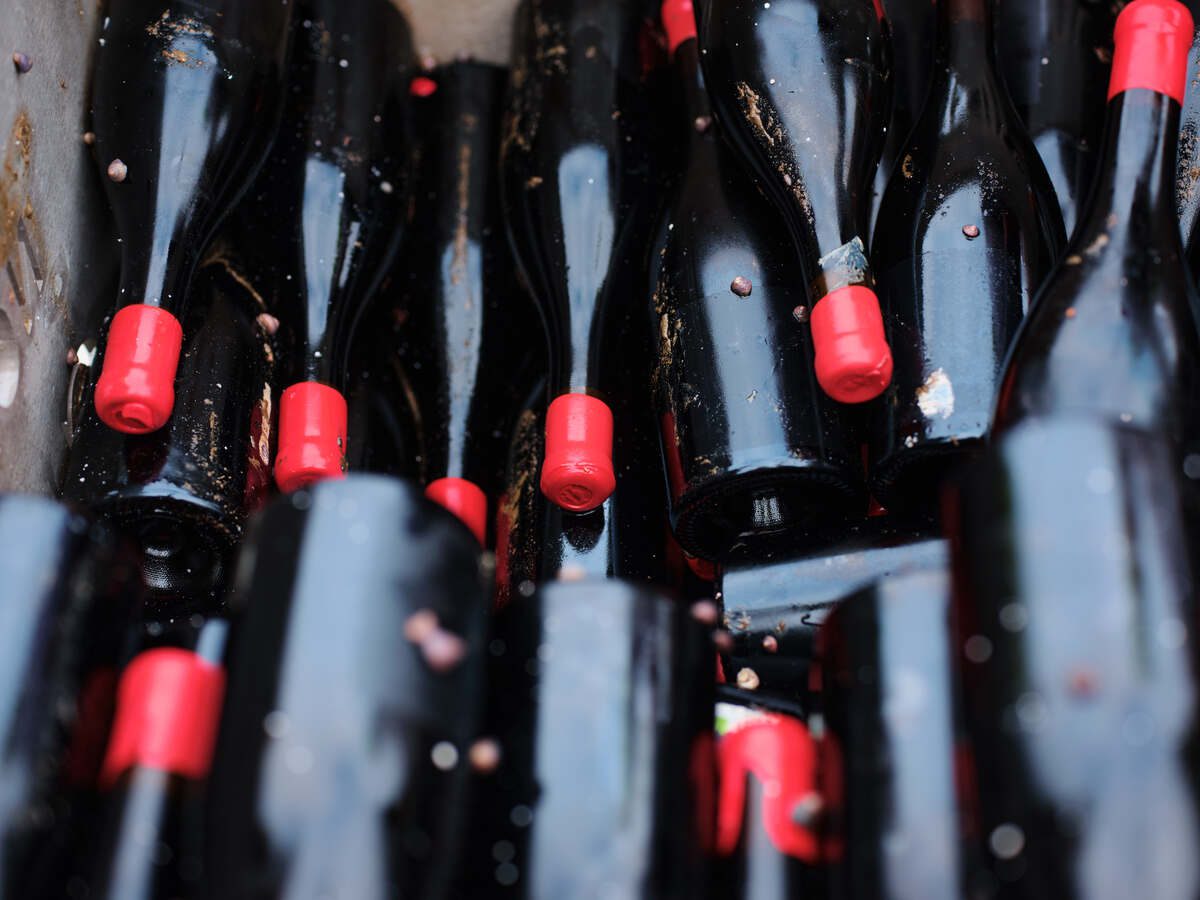
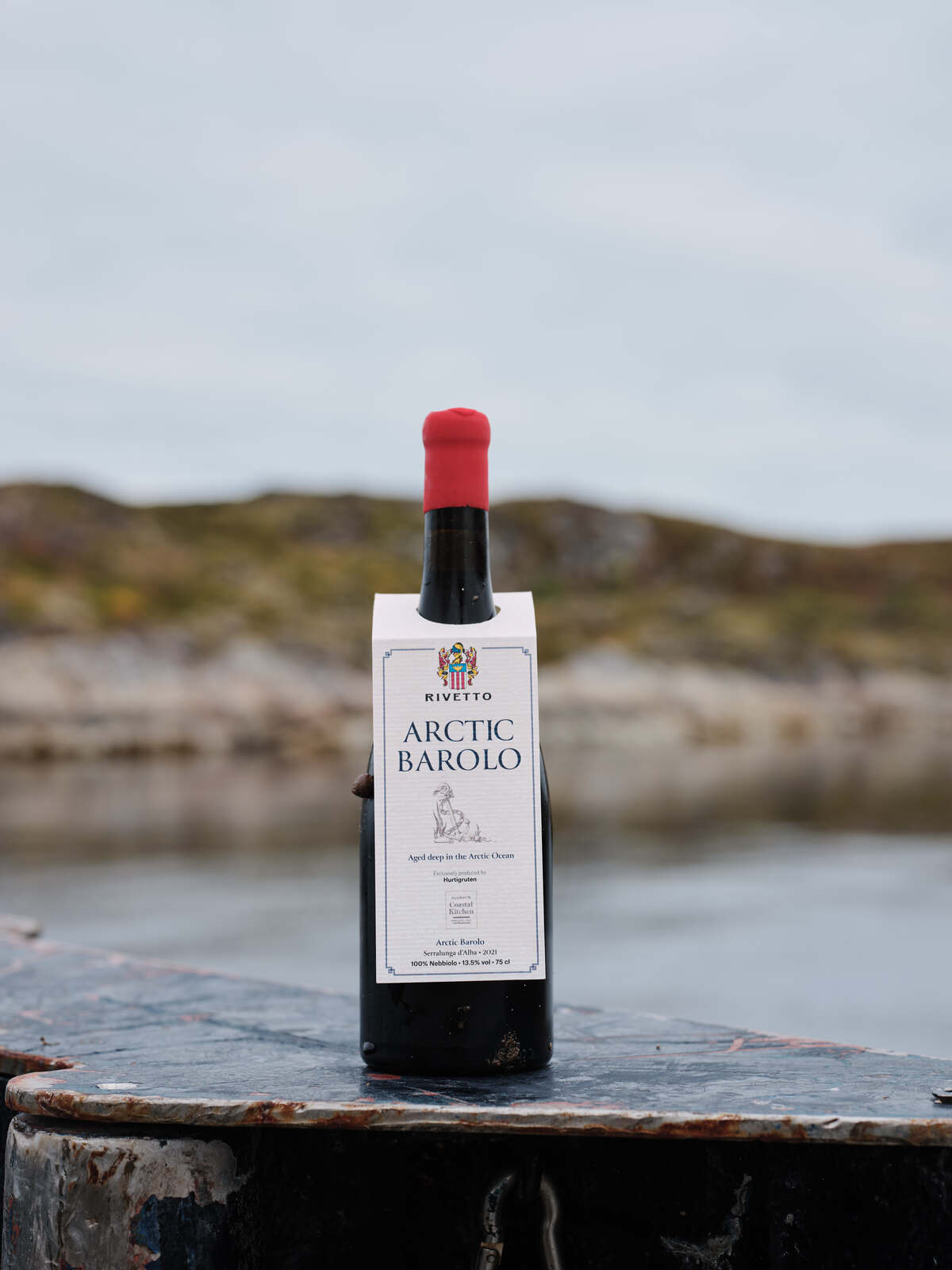
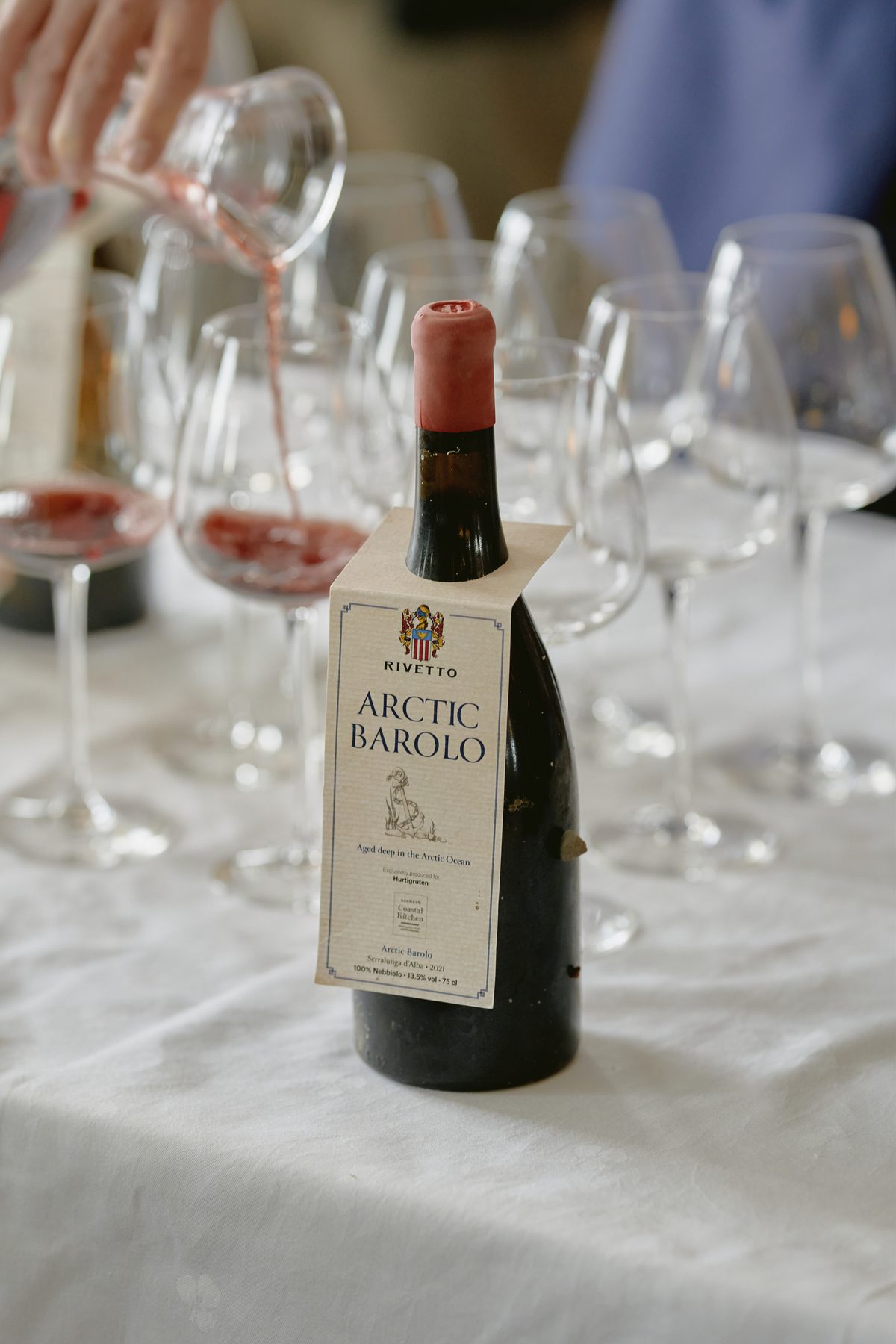
From the hills of the Langhe to the waters of the Norwegian Arctic. After twelve months spent at a depth of 34 metres, 1,002 bottles of Rivetto Barolo have resurfaced from the sea off Kirkenes, in northern Norway. It is the first Barolo aged in Arctic waters and gives rise to Arctic Barolo, a project developed together with Hurtigruten, the historic Norwegian company that has connected communities along the country’s coast through its sea voyages for more than 130 years.
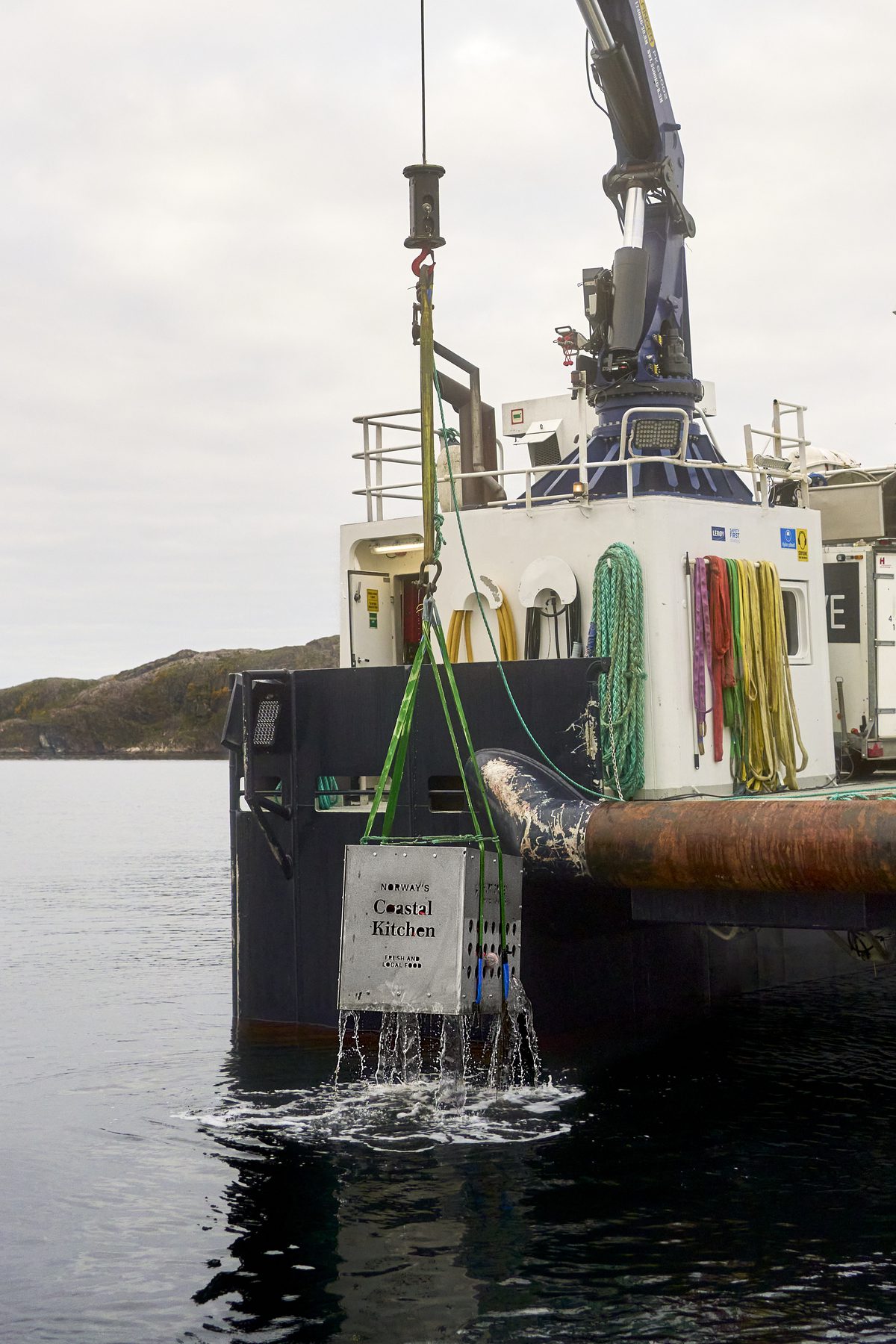
The bottles were submerged at 70° North, where for a year they remained in conditions very different from those of a traditional wine cellar: a near-constant temperature of approximately 5–6°C, complete darkness and pressure of around 4 bar.
The aim was as simple as it was unusual: to observe what would happen to a Barolo that had already completed its traditional ageing process when exposed, for an extended period, to the distinctive conditions of the Arctic sea.
The wine chosen for the experiment is Rivetto’s 2021 Barolo from the municipality of Serralunga d’Alba, from the certified organic and biodynamic estate. Before being submerged, the Barolo had completed its normal winemaking and ageing process, including 24 months in large oak casks.
An experiment in time and the evolution of wine
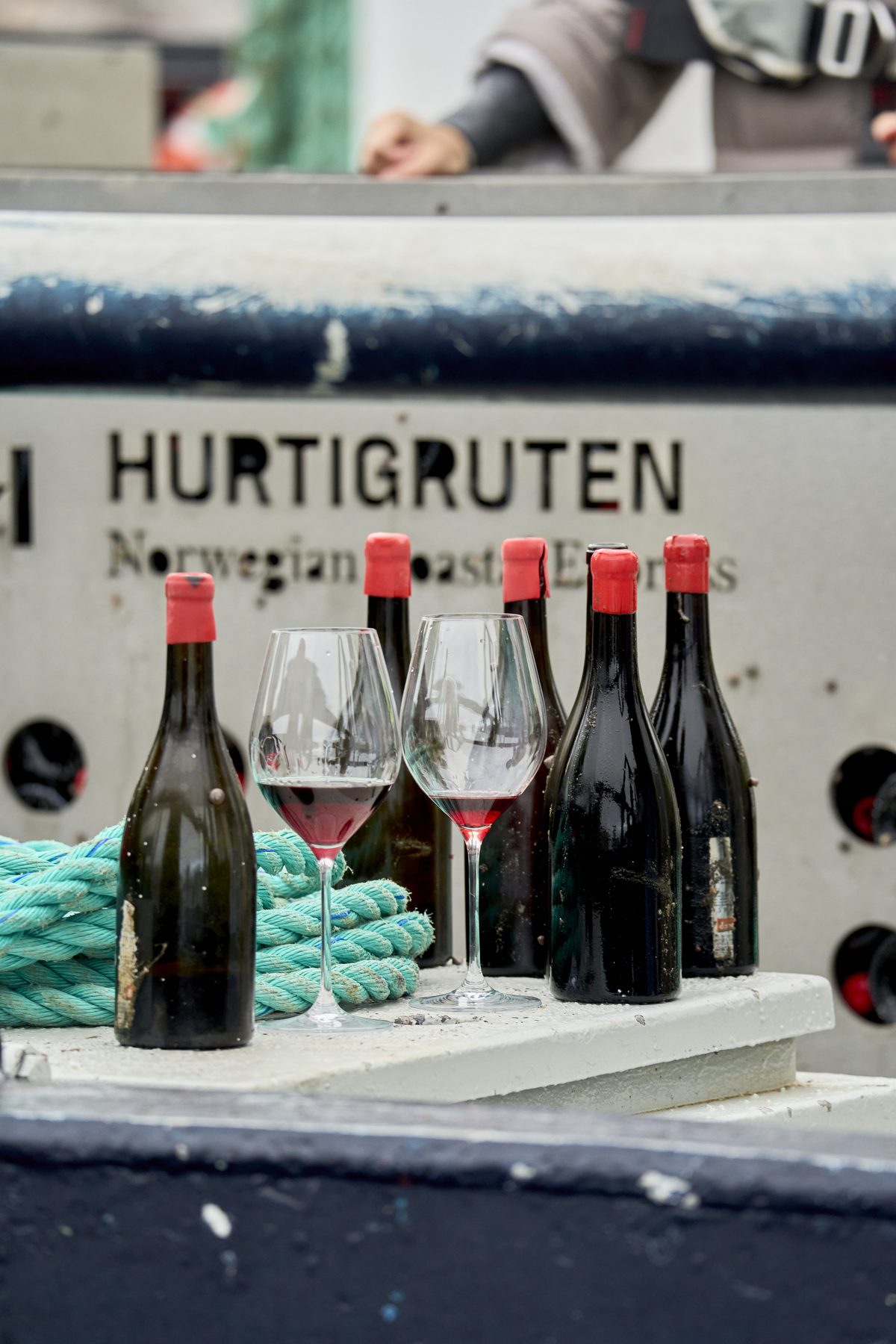
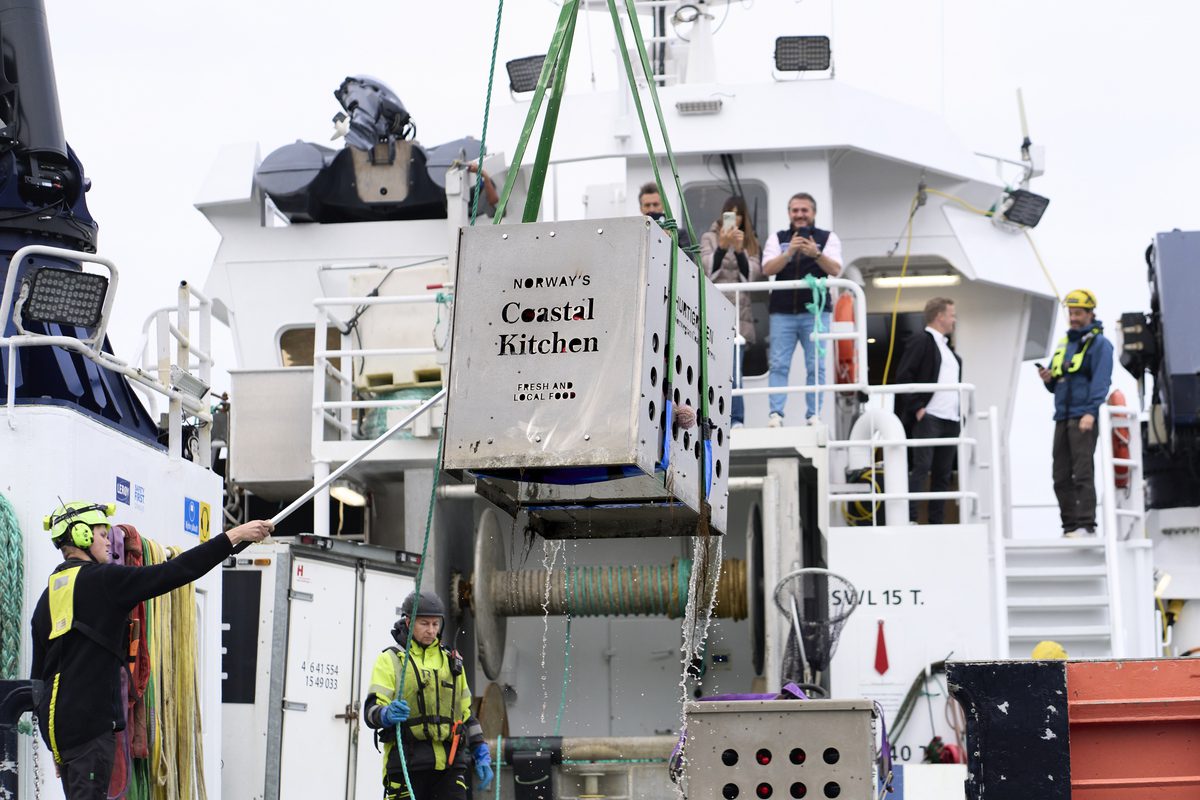
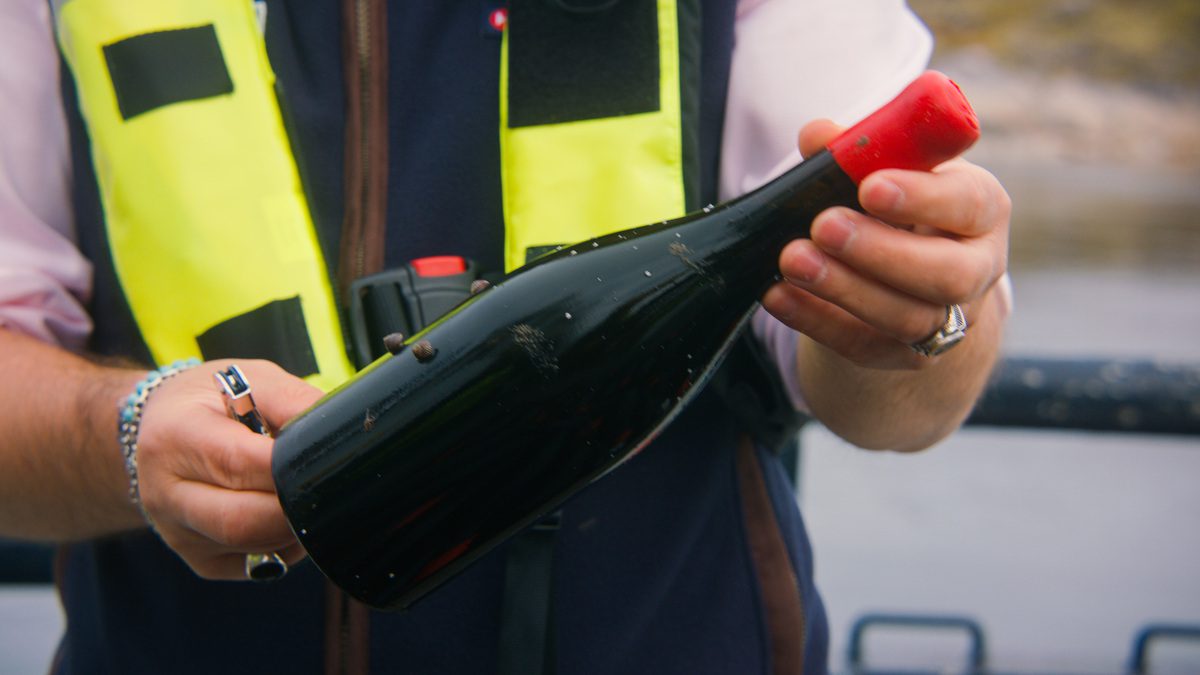
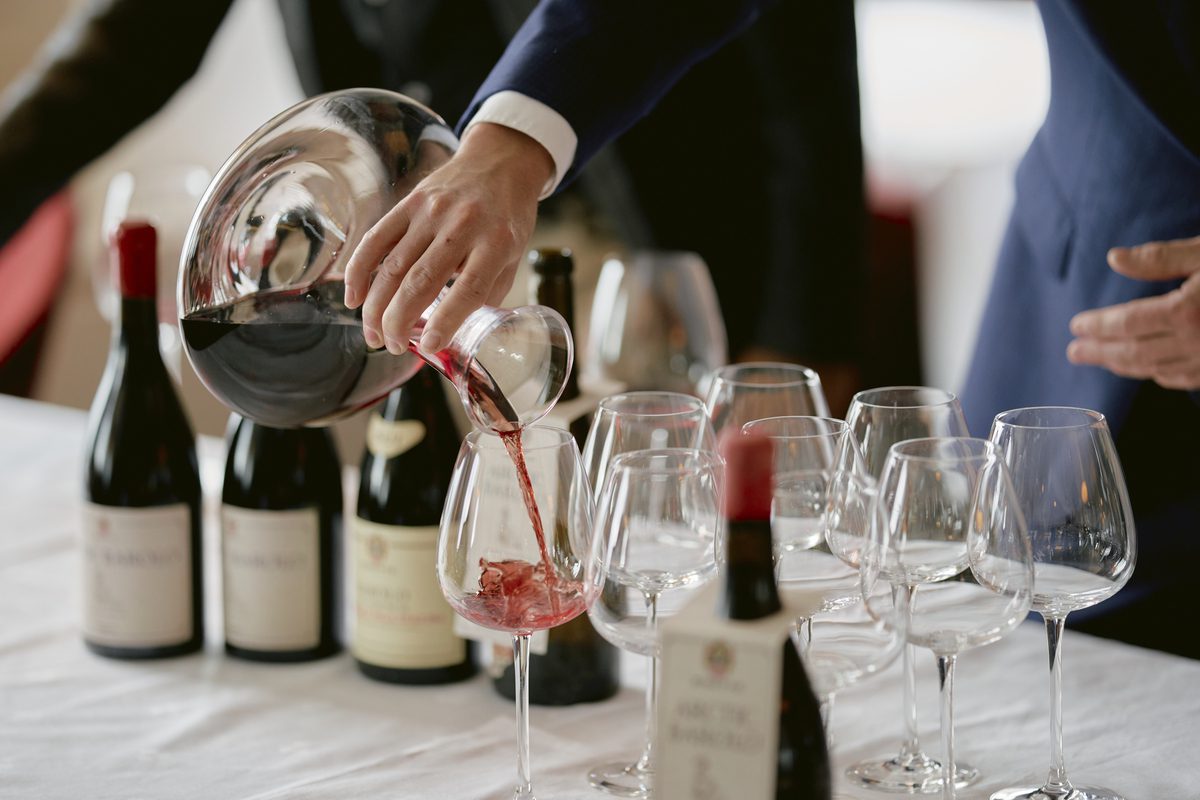
Once recovered, the bottles were opened and tasted for the first time alongside the same wine that had remained for twelve months in Rivetto’s cellar. The comparative tasting was led by Henrik Dahl Jahnsen, President of the Norwegian Sommelier Association, who found clear differences between the two bottles.
“The difference between the wine kept in the cellar and the wine aged beneath Arctic waters was immediately apparent,” commented Dahl Jahnsen. “Arctic Barolo showed a brighter, more youthful ruby colour, with a fresher and more precise aromatic profile characterised by notes of wild fruits and flowers. The tannins also felt fresher and crunchier, giving the wine an overall more youthful expression. I was surprised by how clear the difference was, and by the distinctive character of the wine aged beneath Arctic waters.”
A result that is not intended to provide definitive answers, but which opens up new questions about the relationship between time, temperature, pressure and the ageing environment.
“The most interesting part for me was precisely not knowing what would happen,” says Enrico Rivetto. “Wine is alive and continues to evolve over time. Taking a Barolo born on the hills of Serralunga into an entirely different environment such as the Arctic sea meant stepping outside our usual frame of reference and observing how it would respond. Tasting the two bottles side by side and perceiving such a clear difference was both surprising and fascinating.”
For Rivetto, the project stems first and foremost from a shared curiosity with Hurtigruten and from the encounter between two seemingly distant territories.
“We like the idea that a wine so deeply connected to its place of origin can also become a means of exploration,” continues Rivetto. “Barolo remains an expression of Serralunga and the Langhe, but this experience allows us to look at it from a different perspective. It is the meeting of two landscapes, two cultures and two ways of experiencing our relationship with nature.”
From the Langhe to the Norwegian coast
For Hurtigruten, which for more than a century has taken travellers on journeys of discovery along the Norwegian coast through its sea voyages, the experiment represents a new way of telling the story of the Arctic environment through taste.
The bottles of Arctic Barolo will now be served exclusively on board Hurtigruten ships along the Norwegian coast, allowing guests to taste the wine while sailing through the same waters in which it spent a year submerged.
The environmental impact of the experiment was also considered from the outset. The installation was designed to be fully retrievable, using materials suitable for the marine environment; at the end of the twelve months, all the bottles and all the equipment used were removed from the seabed.
Arctic Barolo thus represents the first chapter in the collaboration between Rivetto and Hurtigruten: an encounter between the Langhe and the Arctic born from a desire to experiment, observe and continue exploring the evolutionary potential of wine.
Photo courtesy of Rivetto