The seventeenth edition turns the lagoon into a living laboratory of transparency and conscious craft: one hundred Italian and international designers and brands decode the anatomy of their work through data maps, taking over historic palazzi with new perspectives on lighting, tableware, and interior design.
From October 9 to 18, 2026, the festival frames “100%” as an operational methodology. Confronting an industry pressed for measurable accountability, the Venetian platform demands deliberate slowness and uncompromising precision.
Venice Design Week Across Historic Palazzi
The urban circuit activates landmark architecture across the city, staking out spaces within Palazzo Nani (Radisson Collection Hotel), Fondazione Querini Stampalia, and the Museum of Oriental Art. Across lighting, tableware, interior accessories, and contemporary jewelry, curated itineraries bypass conventional tourist paths to open historic courtyards and institutional rooms. Over ten days, site-specific installations, conferences, and guided tours turn the lagoon into an open forum, connecting international makers, manufacturing brands, and researchers within Venice’s layered architectural fabric.
The 2026 edition, developed in synergy with IUAV University of Venice and the city’s institutions, aims to provide an opportunity for collective reflection on the role of design today, as a tool for responsibility, measure and transparency. An opportunity for emerging designers and established brands to engage with an attentive audience and with a context that demands design integrity and respect.
Deconstructing the Object: Data Maps as Visual Syntax
“100%” is a method. It is the choice to make visible what often remains hidden: the forces that make up each project, expressed in percentages, as a narrative tool to better understand objects and explore their potential.
The 2026 edition brings together 80 international brands/designers from the following countries: Armenia, Austria, Australia, Brazil, China, the United Arab Emirates, France, Germany, Japan, England, India, Israel, Italy, Korea, Mexico, Poland, Romania, Russia, Spain, Switzerland and South Africa, alongside 20 local designers.
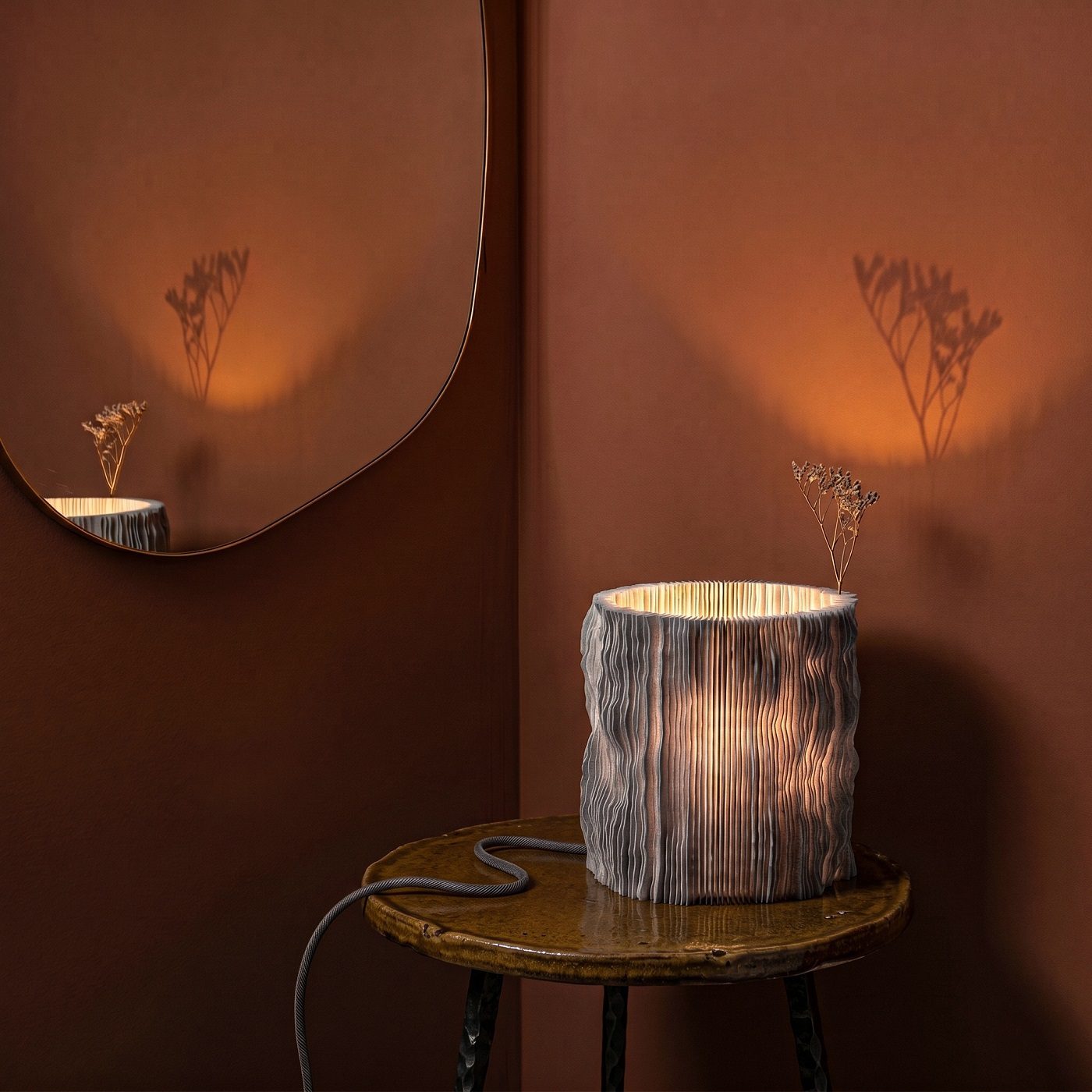
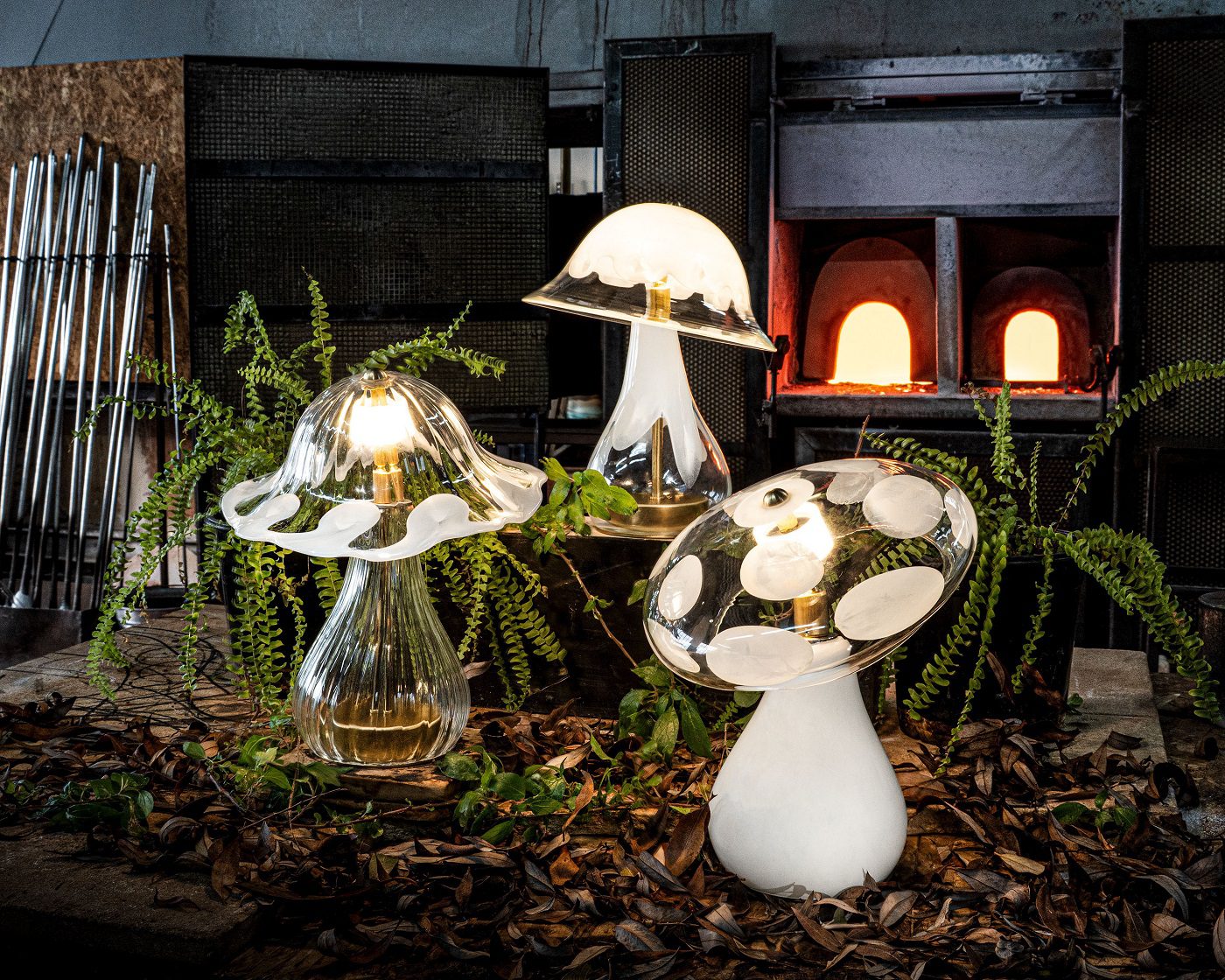
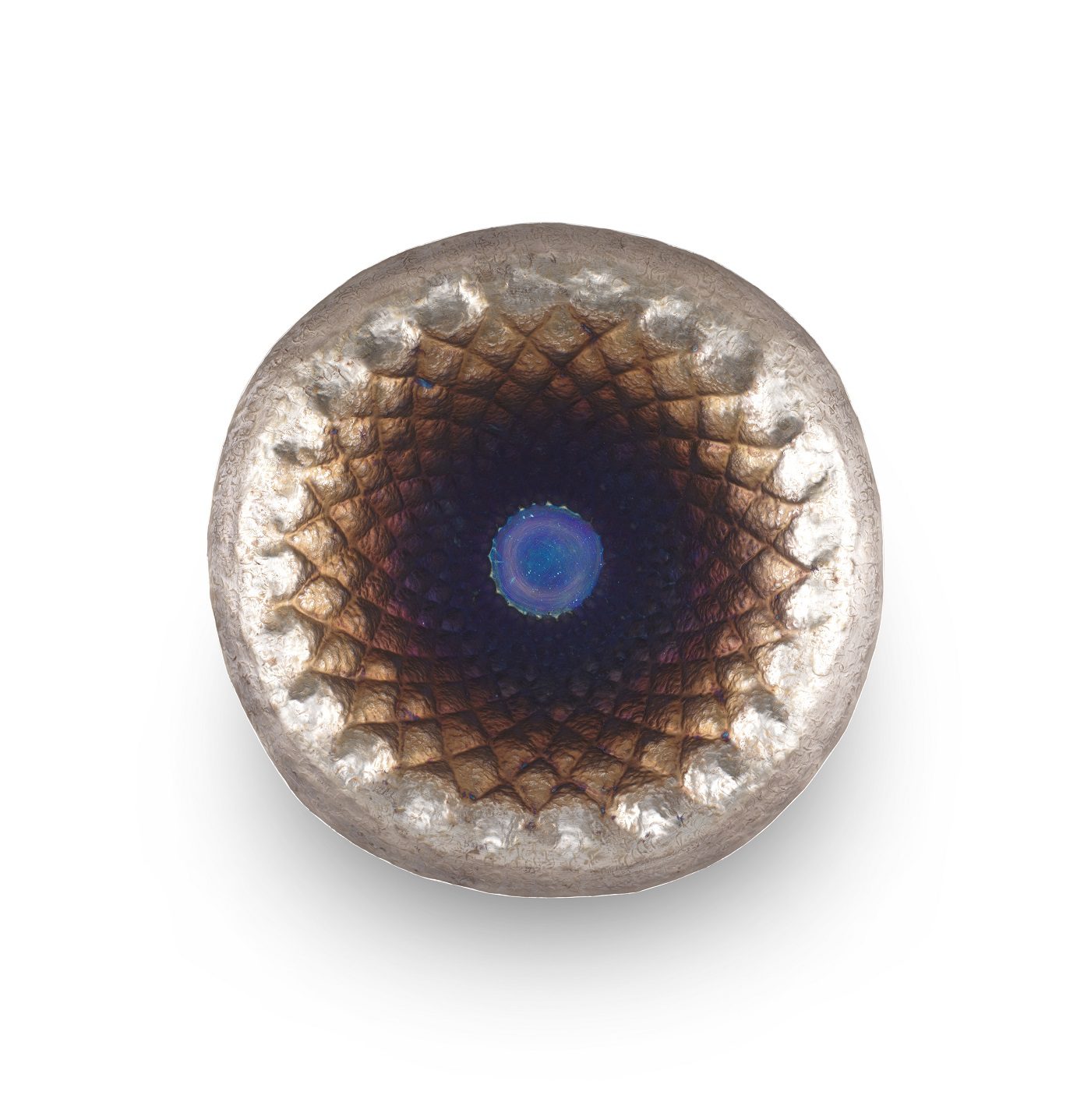
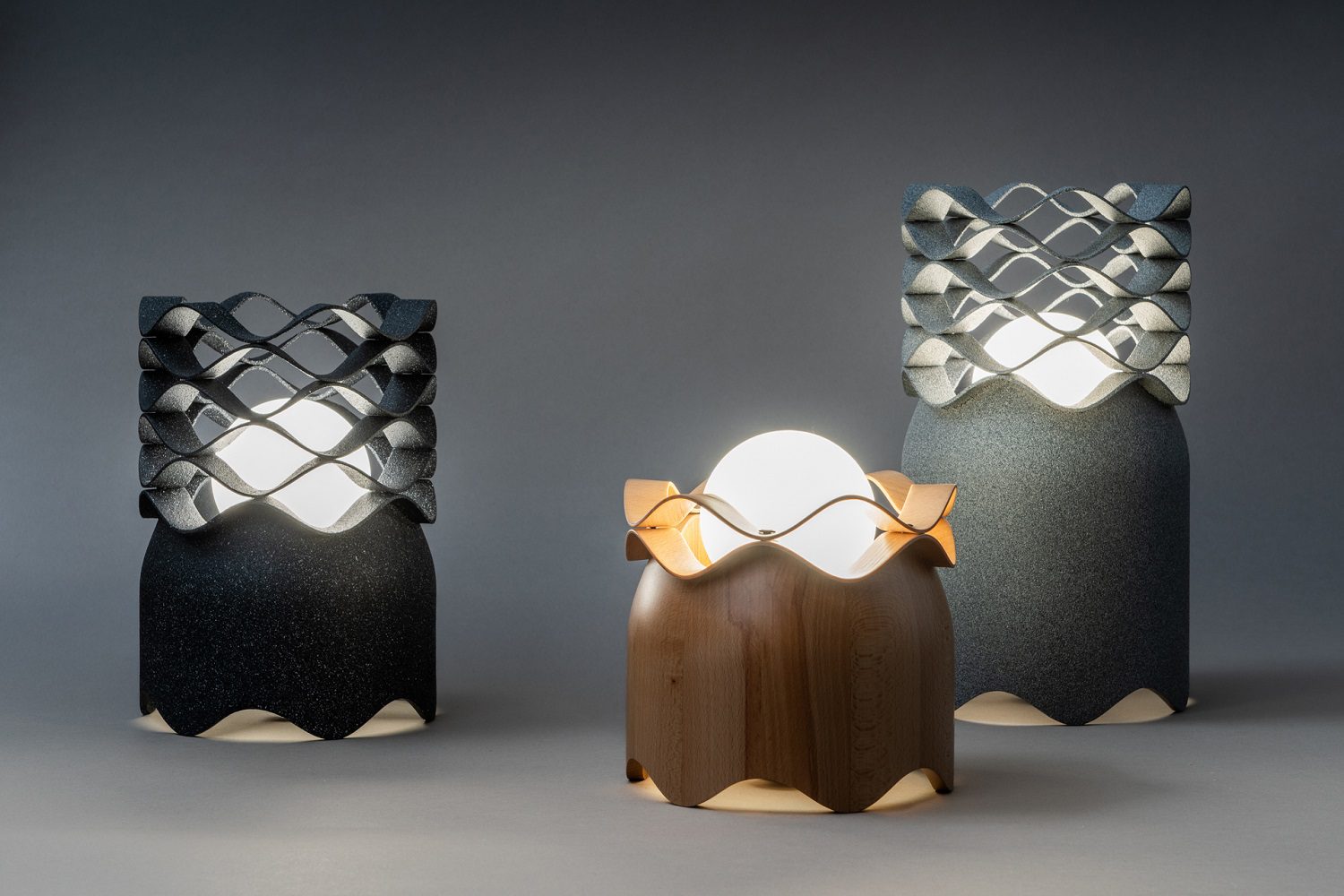
In addition to their product, each participating designer and brand presents data maps that clearly reveal the components of the project through a more detailed narrative. We will make explicit a series of values that may not be immediately apparent. Percentage maps clearly illustrate the distinctive characteristics of a product, from quantitative data to the balance between the elements that define its identity, design process and values.
Through these maps, it is possible to visualise how much a product is an expression of technology or craftsmanship, how deeply it is rooted in tradition or born from experimentation, highlighting the significance of transformations and the complexity of manufacturing processes. At the same time, they make it possible to illustrate the relationship between creative intuition and research, distinguishing how much derives from the designer’s experience and sensitivity and how much is instead the result of analysis, testing and methodical development.
From Circular Lifecycles to the European Product Design Award
The maps can also extend across the entire product life cycle, making sustainability choices visible: attention to reuse, reparability, disassembly and recycling; the orientation of production processes towards reducing environmental impact; and the selection of materials and technologies according to circular economy criteria. Also fundamental are the meetings with designers held throughout the week, which allow the public to explore the themes of product design and production in greater depth.
Percentages become a visual synthesis capable of transforming complex aspects into an engaging narrative, helping the public understand not only what a product is, but how it was conceived, which values it embodies and which design choices have determined its form and meaning. 100% Design, because today, more than ever, design must be conscious and necessary.
In Venice, a fragile and visionary city, ancient and contemporary at the same time, the city once again proves to be the ideal laboratory for imagining new design possibilities. Here, every design gesture must confront complexity, the layering of time and the fragility of its context. In Venice, nothing can be partial.
The seventeenth edition of Venice Design Week confirms its identity as a city-wide event. It will also host the award ceremony for the prestigious European Product Design Award, which will close Design Week on October 18.