A HISTORICAL ARCHIVE OPENS, BRINGING TOGETHER INDUSTRY, DESIGN CULTURE, AND COLLECTING.
Colombo’s Archive opens: the Living Archive of Antonio Colombo, a new space dedicated to the collection and research activities of Antonio Colombo, a leading figure in Milan’s cultural scene whose work has spanned contemporary art, visual communication, and the promotion of industrial heritage.
The project emerges from the intersection of three fields that have shaped Antonio Colombo’s path: the application to the design furniture industry, between the 1930s and the 1950s of the historic steel tubing manufacturer A.L. Colombo, founded in 1919 by his father, Angelo Luigi Colombo; the use of the same steel tubes in racing bicycles, a field in which Antonio becomes directly involved after joining the company in the 1970s; and, lastly, his personal commitment to collecting and research in contemporary art and visual culture, a pursuit that has continued to the present day.
Together, these three strands form the core of the documentary heritage preserved by the archive, which recounts more than a century of industrial, design, and cultural history through documents, patents, technical drawings, catalogues, photographic materials, prototypes and objects.
Colombo’s Archive, housed in the historic premises at Via Pestagalli 31, occupied by the company from the late 1970s until the 1990s, is established as a multidisciplinary research center dedicated to the history of design and visual culture and as a space for consultation, study, and enhancement of this rich and layered heritage, open to the public by appointment.

Columbus and the Adventure of Steel Tubing
The industrial history behind Columbus begins in 1919 with the founding of A.L. Colombo in Milan by Antonio Colombo’s father – Angelo Luigi Colombo, in the Lambrate district. The company specializes in the production of steel tubes and special alloys, gradually developing advanced technologies for precision manufacturing. The Columbus brand is introduced between the late 1920s and early 1930s to identify specific products within the company’s range. Throughout the twentieth century, production focuses particularly on seamless steel tubing and on controlled bending and forming processes, applied across a variety of industrial sectors, from furniture and interior design to transportation and professional cycling.
Furniture and Modern Design
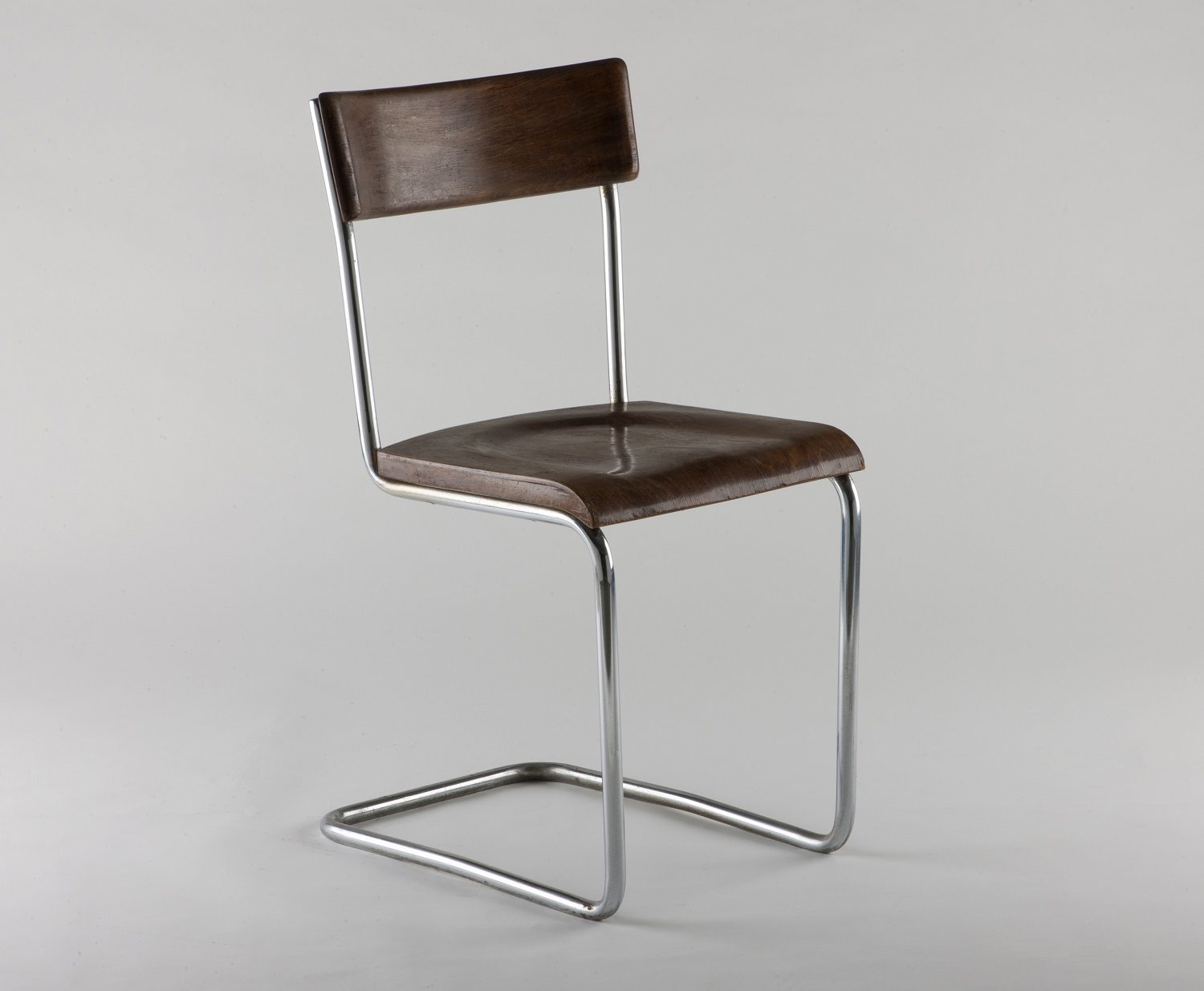
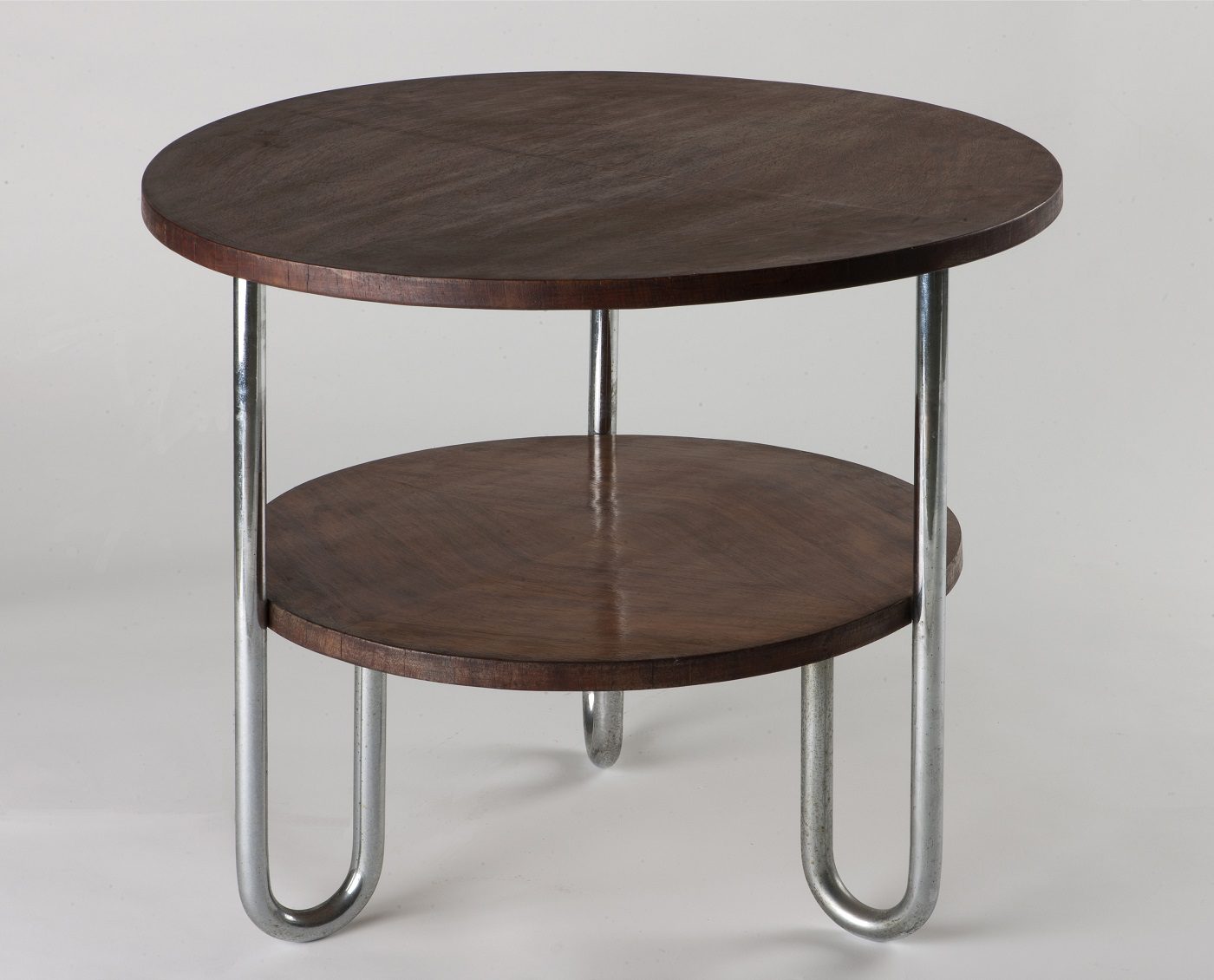
One of the most significant chapters documented by Colombo’s Archive concerns the production of tubular metal furniture, the Columbus Rational Furniture, launched in 1933 and continued until the postwar period. This represents a key episode in the history of Italian and European industrial design, in which the historic Milanese company plays a leading role in disseminating modernist research related to the use of steel tubing in furniture design.
The origins of this venture can be traced to a pivotal encounter. In the early months of 1933, Angelo Luigi Colombo meets Marcel Breuer, one of the first designers to experiment with steel tubing in modern furniture through works such as the Wassily Chair (1925) and the cantilever chair from 1926. This encounter led Colombo to the Swiss companies Embru (Rüti) and Wohnbedarf (Zurich), the latter founded by Sigfried Giedion and Werner Moser, which held the production rights for many of the most important Bauhaus and Swiss-German modernist furniture designs. As a result of these connections, an agreement is reached granting Columbus the exclusive license to manufacture these furnishings in Italy.
The company’s technical expertise in the processing and bending of seamless steel tubing made it possible to transform the experimental ideas of modernist architects into reality, ensuring lightweight, durable, and formally precise structures. Alongside licensed designs by Marcel Breuer, Columbus establishes direct collaborations with Italian architects such as Giuseppe Pagano, Giuseppe Terragni, Piero Bottoni, Luigi Figini and Gino Pollini, contributing to the development of a new language of living based on functionality and industrial production.
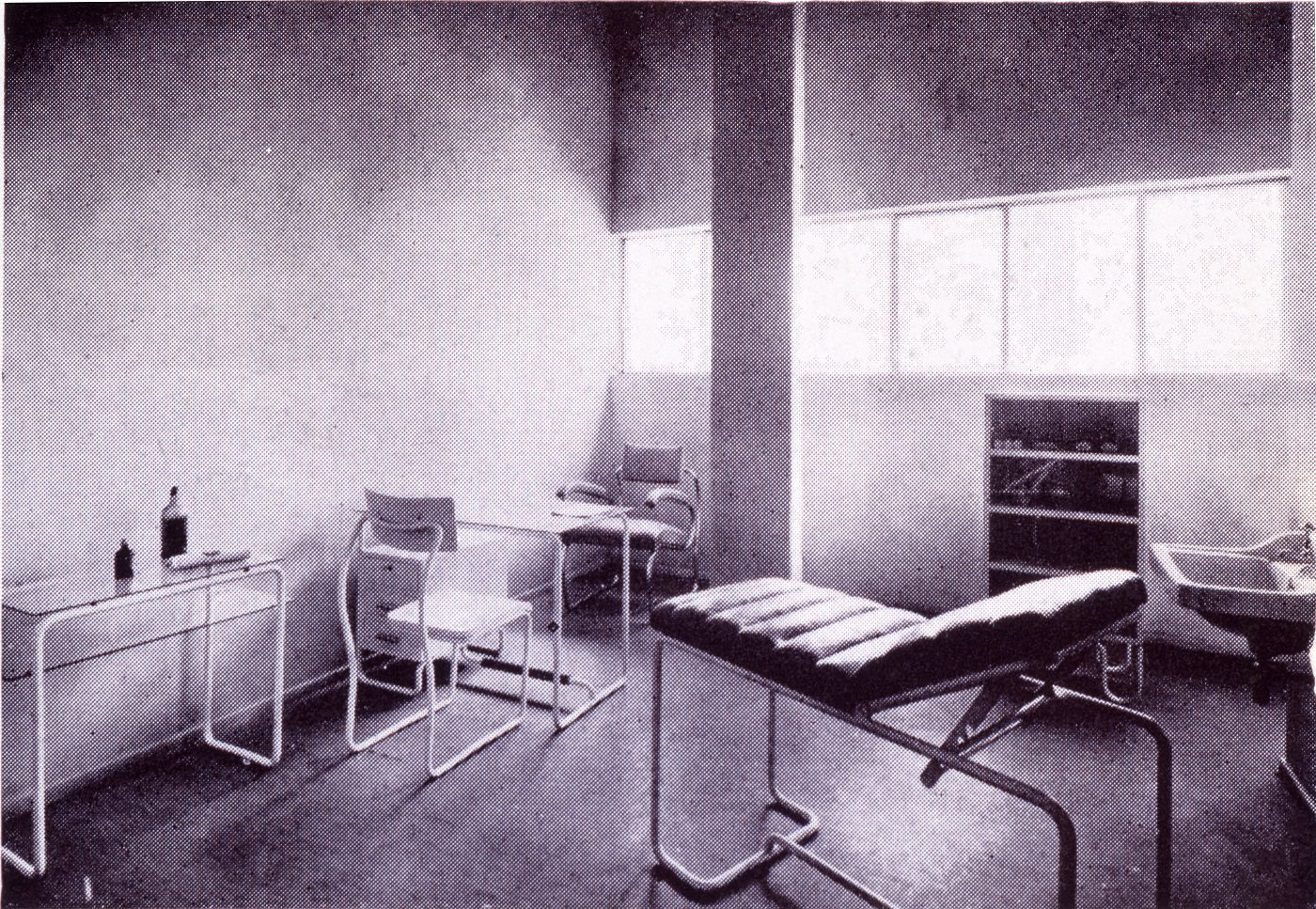
These creations gain visibility at the Milan Triennale exhibitions of 1933 and 1936, as well as through major architectural projects including Terragni’s Casa del Fascio and Sant’Elia Nursery School, the Gaslini Institute in Genoa, and the University of Rome, where steel tubing becomes both a structural and expressive element of the design.
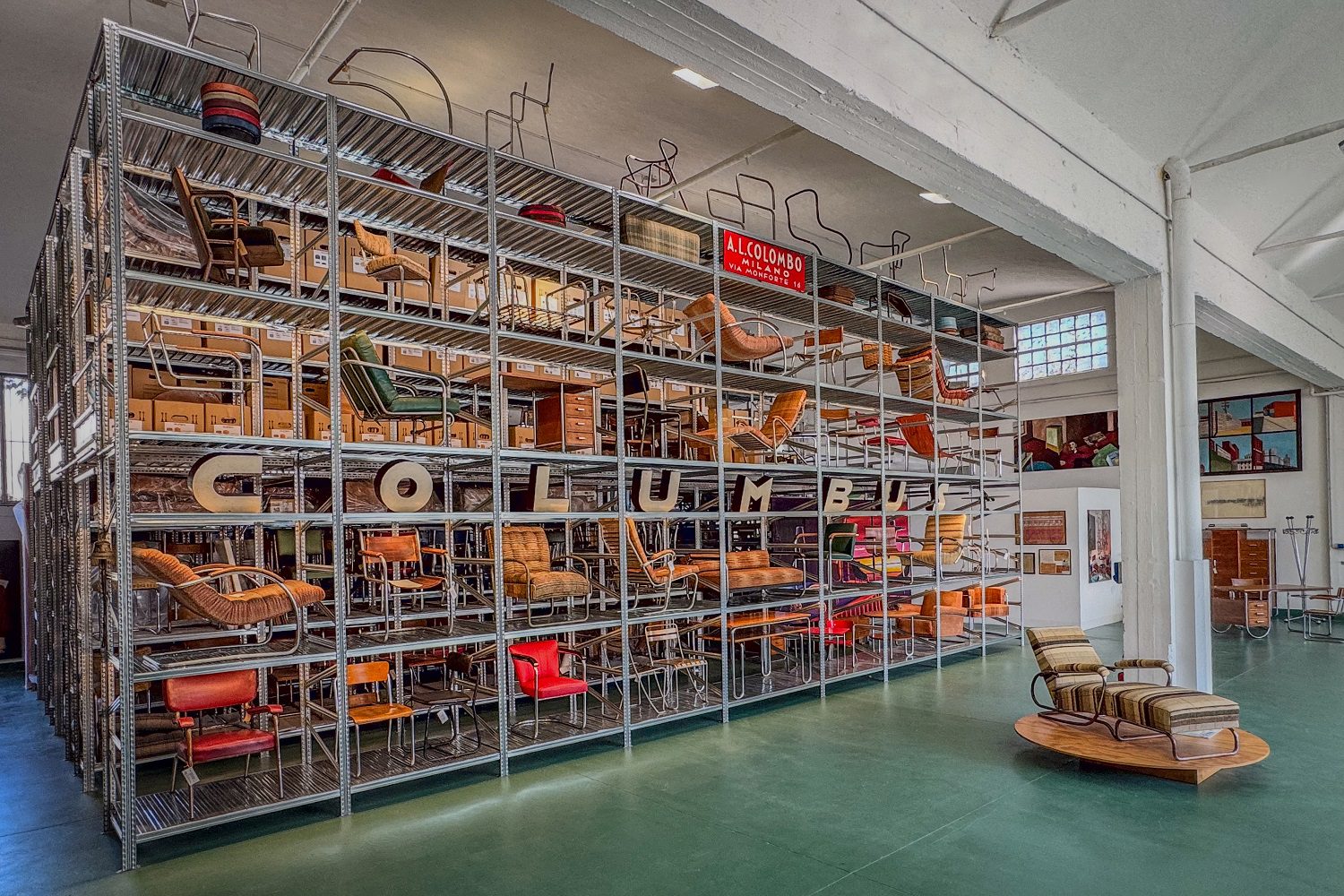
Colombo’s Archive preserves the Columbus Historical Collection and documents this experience in its entirety: original furniture pieces, prototypes, drawings, catalogues, photographs, and technical records, but also spring systems and original Bauhaus textiles and fabrics designed by the Hungarian textile designer Éva Szabó, bearing witness to the relationship between industry and design practise during the Modern Movement.
Cycling and Bicycle
At the same time, the technologies developed by A.L. Colombo are applied to the cycling industry through the production of tubing for racing bicycle frames. Bicycles built with Columbus tubes becomes widely used in professional road and track cycling, accompanying some of the most significant chapters in international cycling, from Hour Records to the great Classics, with athletes such as Fausto Coppi, Gino Bartali, Francesco Moser, and Marco Pantani.
Within this context emerges the figure of Antonio Colombo, then President of Columbus, who acquired control of the Cinelli brand in 1978, initiating a profound transformation of the company’s identity. From that moment onward, a long-term process began in which the bicycle was progressively reinterpreted not only as a technical and sporting object, but also as a cultural device capable of connecting industry, design, contemporary art, and the urban imagination.
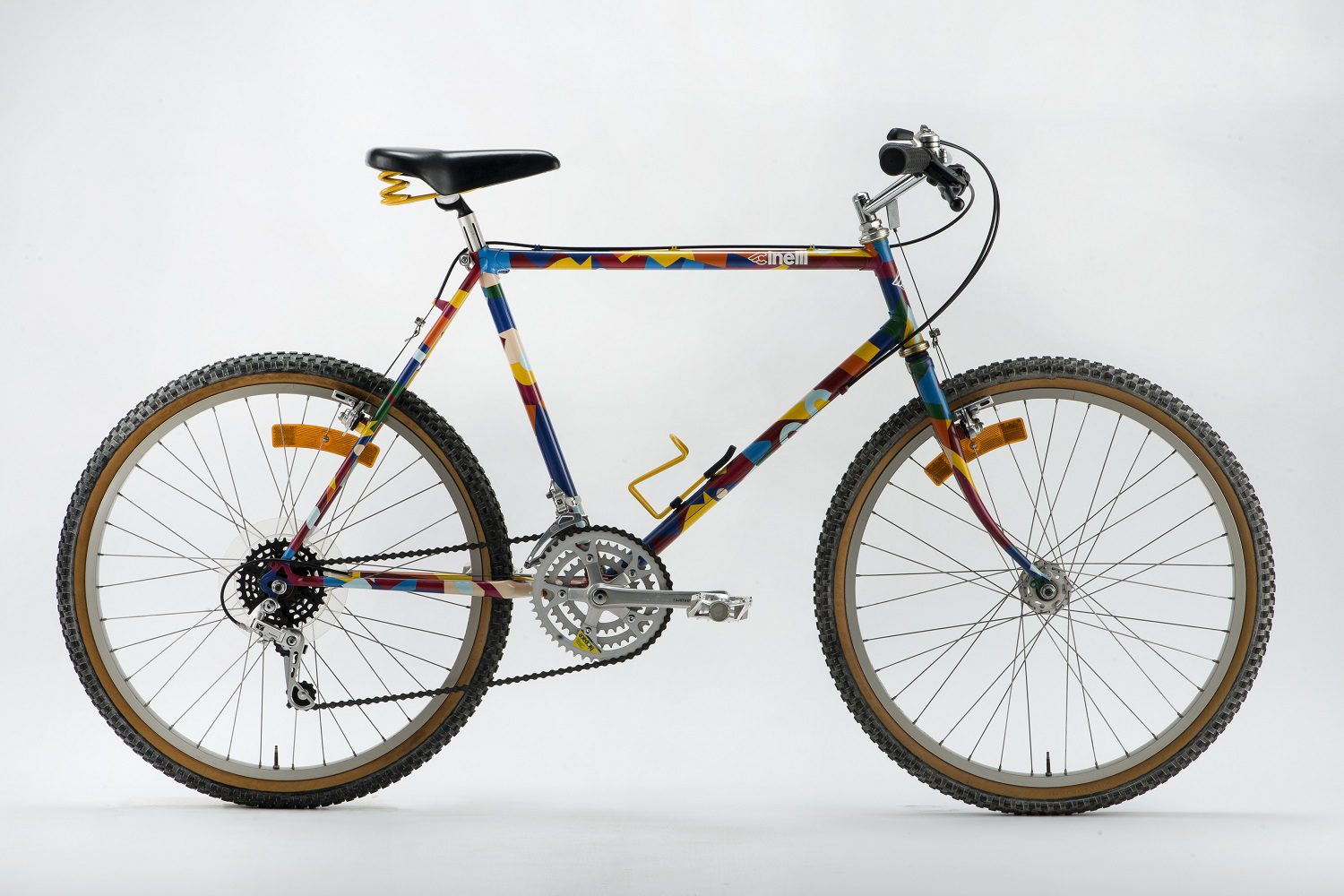
Between the late 1970s and the early 1980s, Colombo starts a season of experimentation that redefined the language of the brand, beginning with the iconic winged “C” logo commissioned to graphic designer Italo Lupi in 1979. In this period, the first projects that anticipate a new conception of the bicycle take shape, like the Rampichino, widely recognized as the first mountain bike produced in Europe, as well as the CMX, Laser, and Passatore. Models that contribute to shifting the bicycle beyond its purely technical and sporting function, establishing it as an object of design and cultural significance.
Collaborations with Studio Alchimia and Alessandro Mendini introduce the codes of Milanese design into the world of cycling, generating projects, frames, accessories and visual systems that go beyond function, opening up a culture in which the bicycle becomes a sign, a language and a medium of communication.
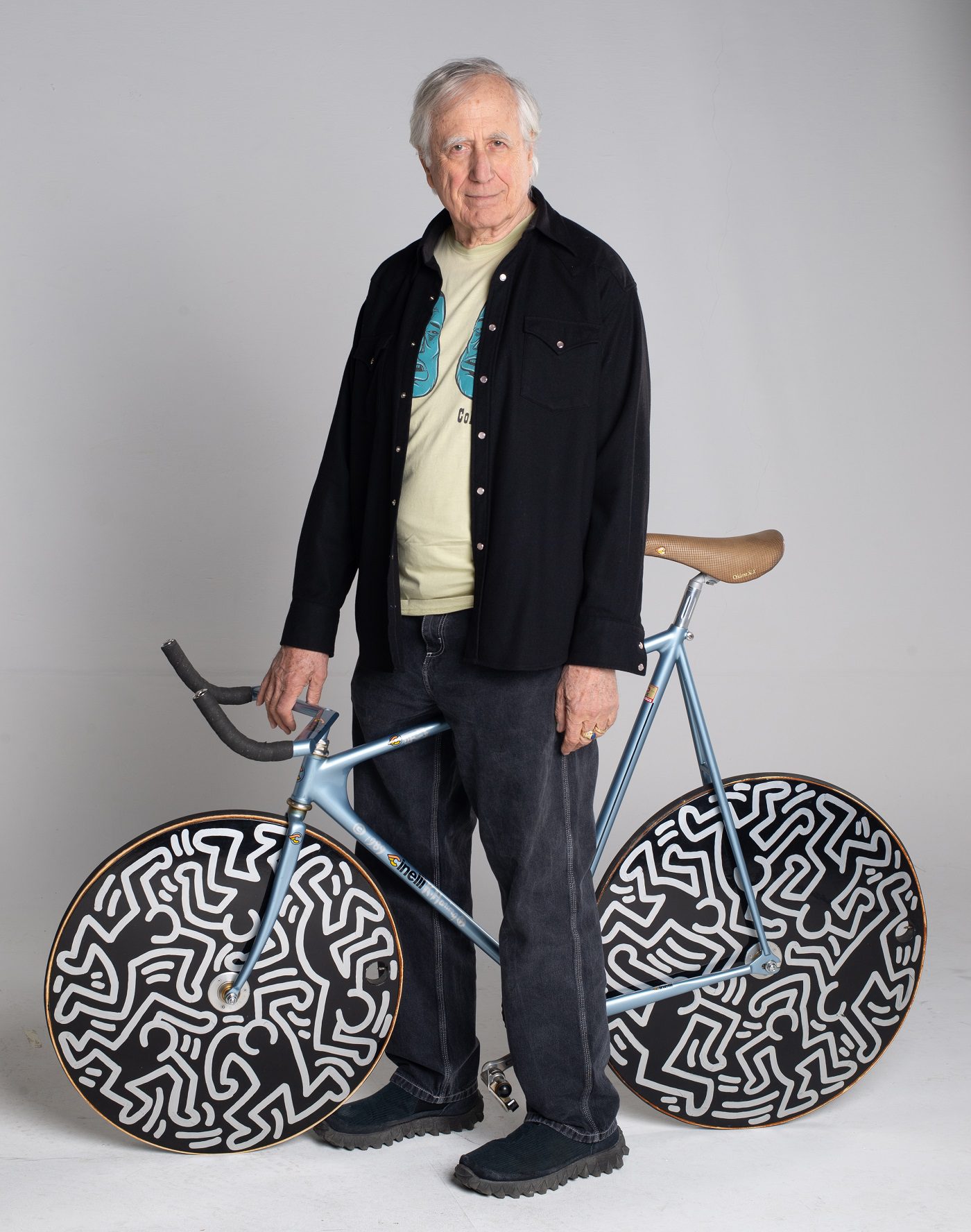
In parallel, a dialogue develops with the international contemporary art scene. In 1984, Antonio Colombo meets Keith Haring in Milan, during his first solo exhibition in Italy. From this encounter emerges a relationship embedded in a cultural ecosystem where cycling and art continuously overlap, transforming the bicycle into a cultural and collectible object.
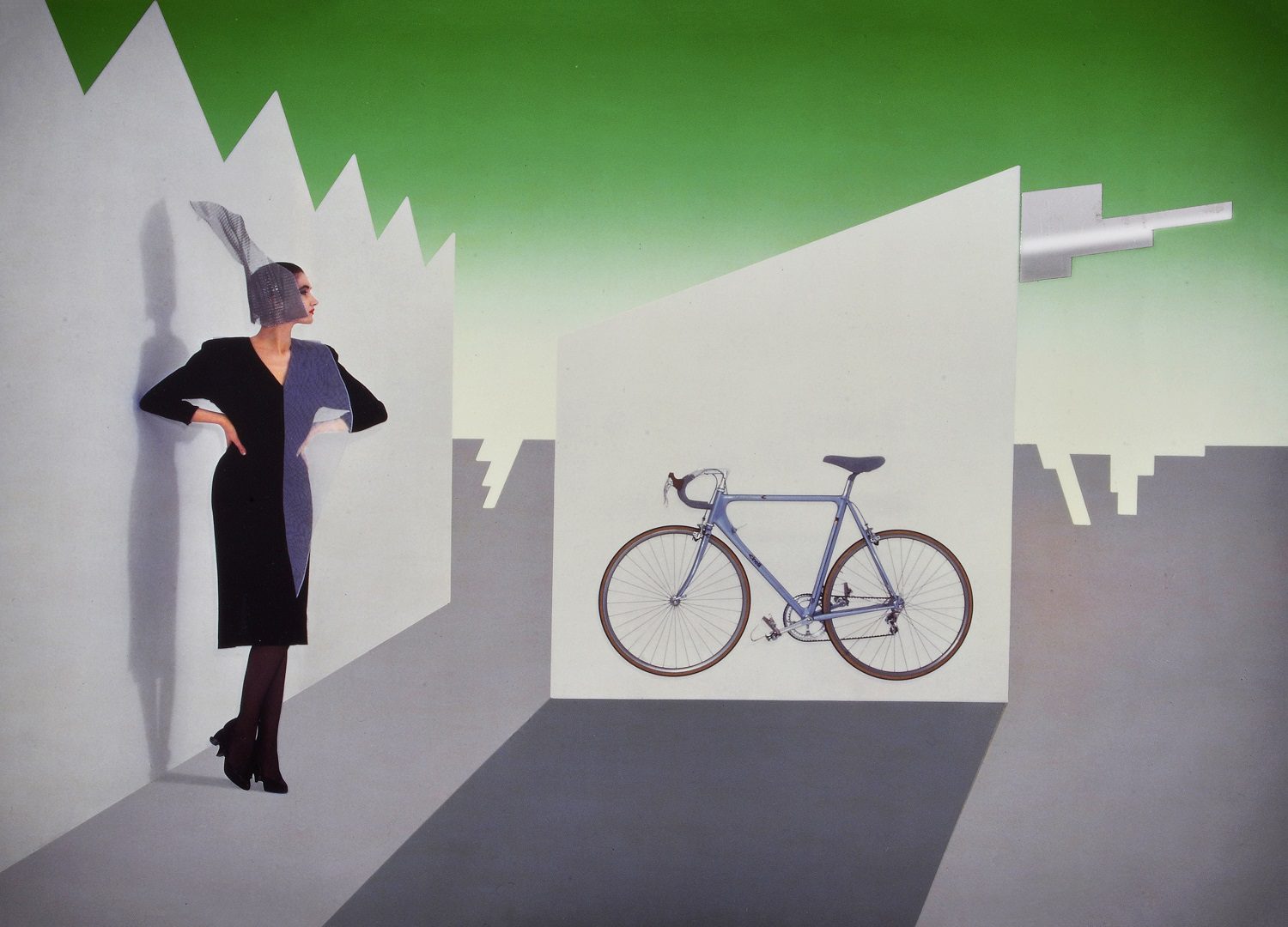
In this same period, visual experiences further expand the relationship between image and speed, such as Occhiomagico’s 1984 photograph “Laser 24”, a limited edition work linked to the Laser bicycle and now part of the Antonio Colombo Collection, in which photographic language interprets the bicycle as both form and device.
Among the most emblematic outcomes of this phase are the series related to the Cinelli Laser and other models developed during these years, which help establish a language in which technical innovation and aesthetic research are inseparable. A central figure in this transformation, Colombo leads the brand for over forty years, defining an identity recognized for its ability to combine performance, design, and visual culture, until the sale of the Cinelli and Columbus brands in 2021.
Art and Collection
Within Colombo’s Archive, particular significance is given to Antonio Colombo’s personal art collection.
From the 1980s onward, Colombo develops a direct relationship with the international contemporary art system, actively engaging with its dynamics and key figures. It is a body of work gradually developed according to a non-academic collecting and curatorial logic, oriented toward artists and languages emerging from contexts that lie at the margins of the traditional contemporary art system. Street art, graphic culture, pop surrealism, underground music of American origin and design constitute the main areas of reference of a heterogeneous ensemble, characterized by a constant attention to hybrid forms of contemporary visual culture.
In 1998, the Antonio Colombo Gallery is founded and over time establishes itself as a reference point for the international art scene and for the experimentation of non-conventional visual languages, consolidating a path in the field of art that began in the 1980s.
Throughout its activity, it has hosted more than 170 exhibitions, both solo and group shows, presenting the work of numerous artists, including Mario Schifano (in an exhibition curated by Achille Bonito Oliva), Arduino Cantafora, Daniel Johnston (on several occasions curated by Luca Beatrice), Barry McGee, Nathalie du Pasquier, Russ Pope, Ryan Heshka, Eric White, Matteo Guarnaccia, Max Rohr and Gary Baseman, as well as leading figures in design such as Alessandro Mendini, Alberto Biagetti, Alessandro Guerriero and Franco Raggi. From 2026, the gallery takes the name Colombo’s Gallery.
Exhibition activity has always been intertwined with music; among the most notable guests in the early 2000s are Moby and Timoria. In 2024, Colombo’s Tunes was established, regularly presenting “concerts” by artists from the international folk scene, spanning the United States and the United Kingdom, including Scarlett Rivera, Sarah Lee Guthrie (granddaughter of Woody Guthrie) and Eric Andersen.
This approach reflects a vision of the collection as a space of cross-contamination rather than disciplinary belonging; the collected works are not read as isolated elements but as part of a broader aesthetic and cultural system. Antonio Colombo thus emerges as an unconventional collector, driven by constant curiosity and a transversal perspective, in which art, design and visual culture are continuously and non-hierarchically intertwined.
DESIGN
A.L. Colombo advertising poster, 1930s. Colombo’s Archive.
Miscellany of catalogues and brochures, 1930s. Photo by Pier Maulini. Colombo’s Archive.
Columbus Technical Office, round side table, 1930s, Columbus production, photo by Pier Maulini. Colombo’s Archive.
Columbus Technical Office, elastic chair 31C, 1930s, Columbus production, photo by Pier Maulini. Colombo’s Archive.
Columbus Technical Office, steel umbrella stand, 1930s, Columbus production, with wooden template for tube bending, photo by Pier Maulini (shot 2). Colombo’s Archive.
Ercole Faccioli, elastic armchair 1Fa, 1933, Columbus production, photo by Pier Maulini. Colombo’s Archive.
Columbus Technical Office, elastic seat 50C, 5th Milan Triennale, 1933, Columbus production, photo by Pier Maulini. Colombo’s Archive.
Giuseppe Pagano, umbrella stand 195PA, 1934, Columbus production. Columbus Historical Archive. Colombo’s Archive.
Columbus Technical Office, flower stand 210C, 1935, Columbus production, photo by Pier Maulini. Colombo’s Archive.
Columbus Technical Office, small chair and table for the Gaslini Institute in Genoa, 1937, Columbus production, photo by Pier Maulini. Colombo’s Archive.
Giuseppe Terragni, Sant’Elia Nursery School, Director’s Office, 1937. Colombo’s Archive.
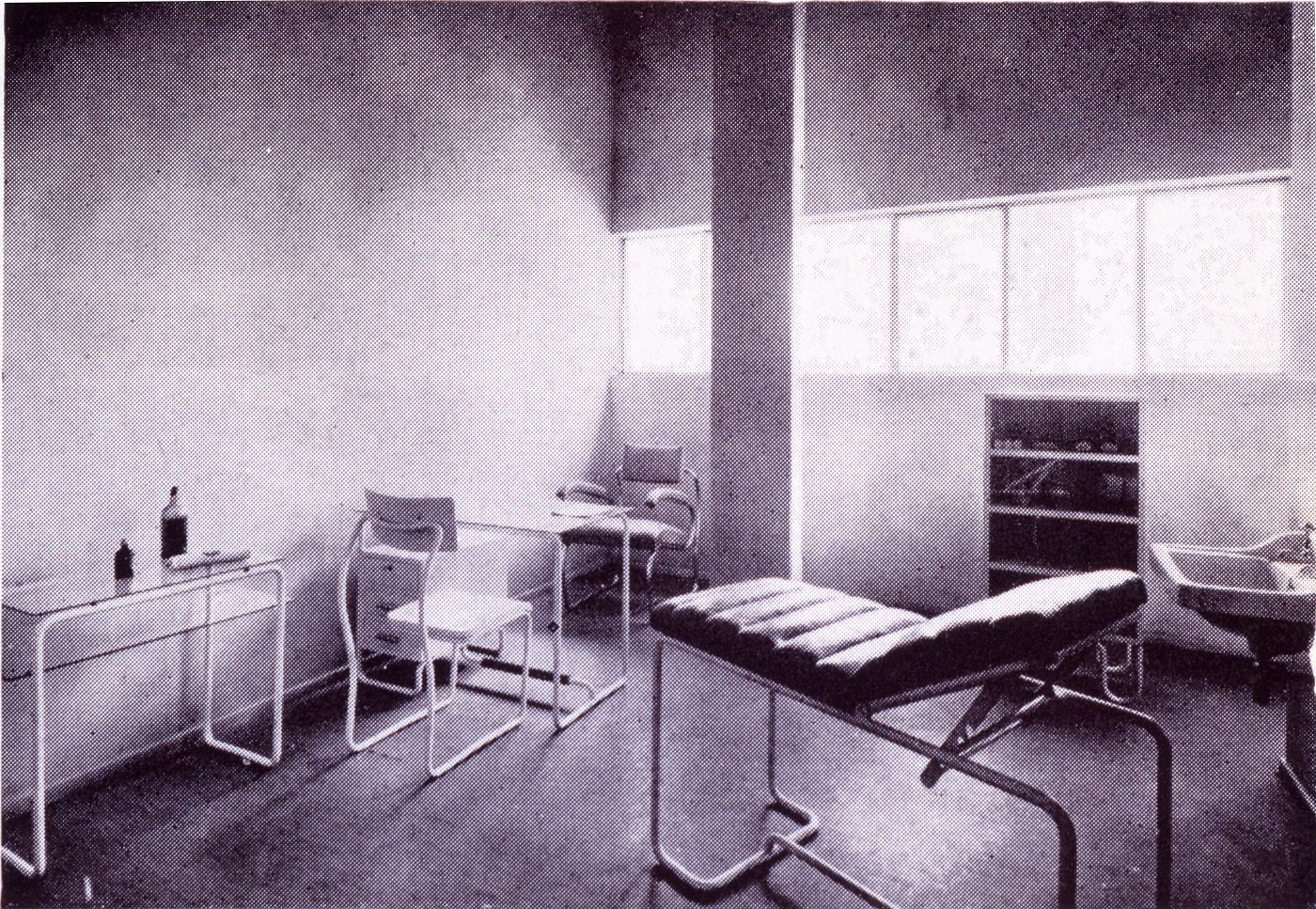
Giuseppe Terragni, Sant’Elia Nursery School, Infirmary, 1937–1938. Colombo’s Archive.
Antonio Colombo inside the emerging Colombo’s Archive, 2024 (1). Colombo’s Archive.
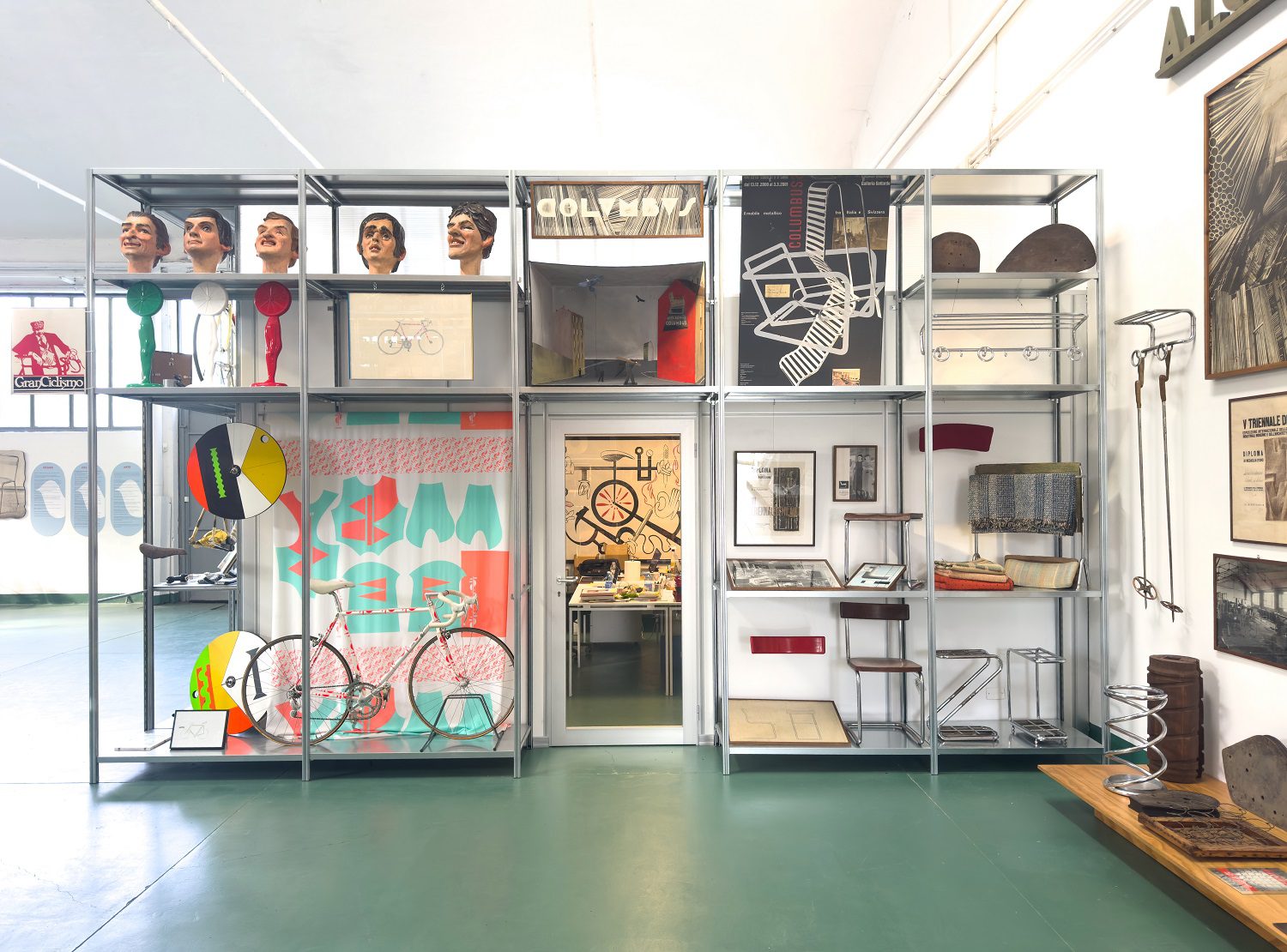
Colombo’s Archive, work in progress, 2025, photo by Filippo de Bernardi (5). Colombo’s Archive.
Colombo’s Archive, work in progress, 2025, photo by Filippo de Bernardi (12). Colombo’s Archive.
Colombo’s Archive, work in progress, 2025, photo by Filippo de Bernardi (29). Colombo’s Archive.
BICYCLES
Collection of historical packaging of Columbus SL, SLX and MS tubes, 1970s–1980s. Colombo’s Archive.
Supercorsa by Alchimia (1), 1984. Colombo’s Archive.
Supercorsa by Alchimia (2), 1984. Colombo’s Archive.
Alessandro Mendini, Rampichino, 1986 (3). Colombo’s Archive.
Supercorsa RVCA, by Barry McGee, 2008. Colombo’s Archive.
Supercorsa by RVCA / Barry McGee, 2008 (3). Colombo’s Archive.
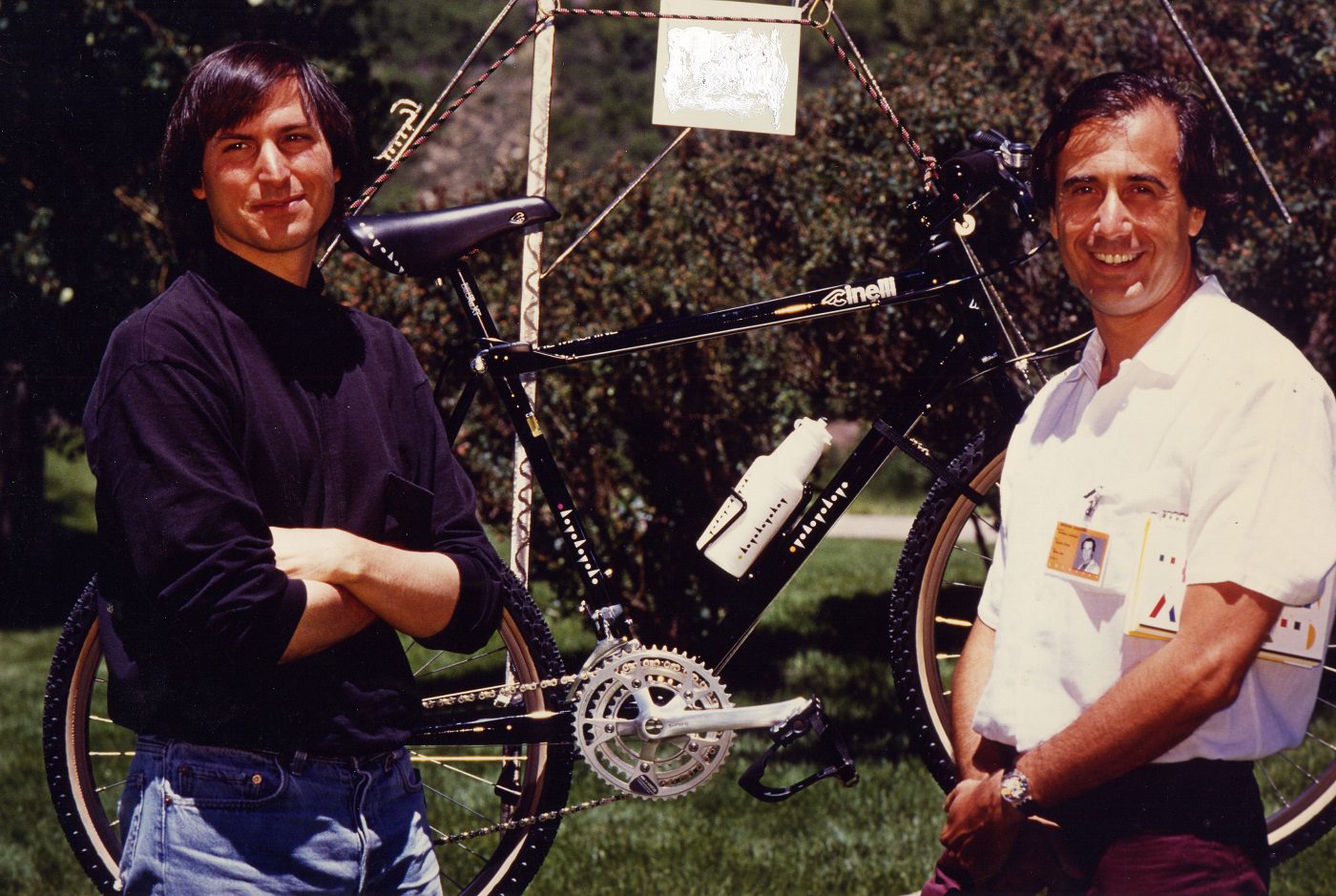
Antonio Colombo and Steve Jobs, Aspen (Colorado), 1989. Colombo’s Archive.
Antonio Colombo and Alessandra Cusatelli – The Last Waltz, 2023. Colombo’s Archive.
Antonio Colombo and Keith Haring’s Laser, 2026, photo by Marcello Manca. Colombo’s Archive.
ART AND VISUAL CULTURE
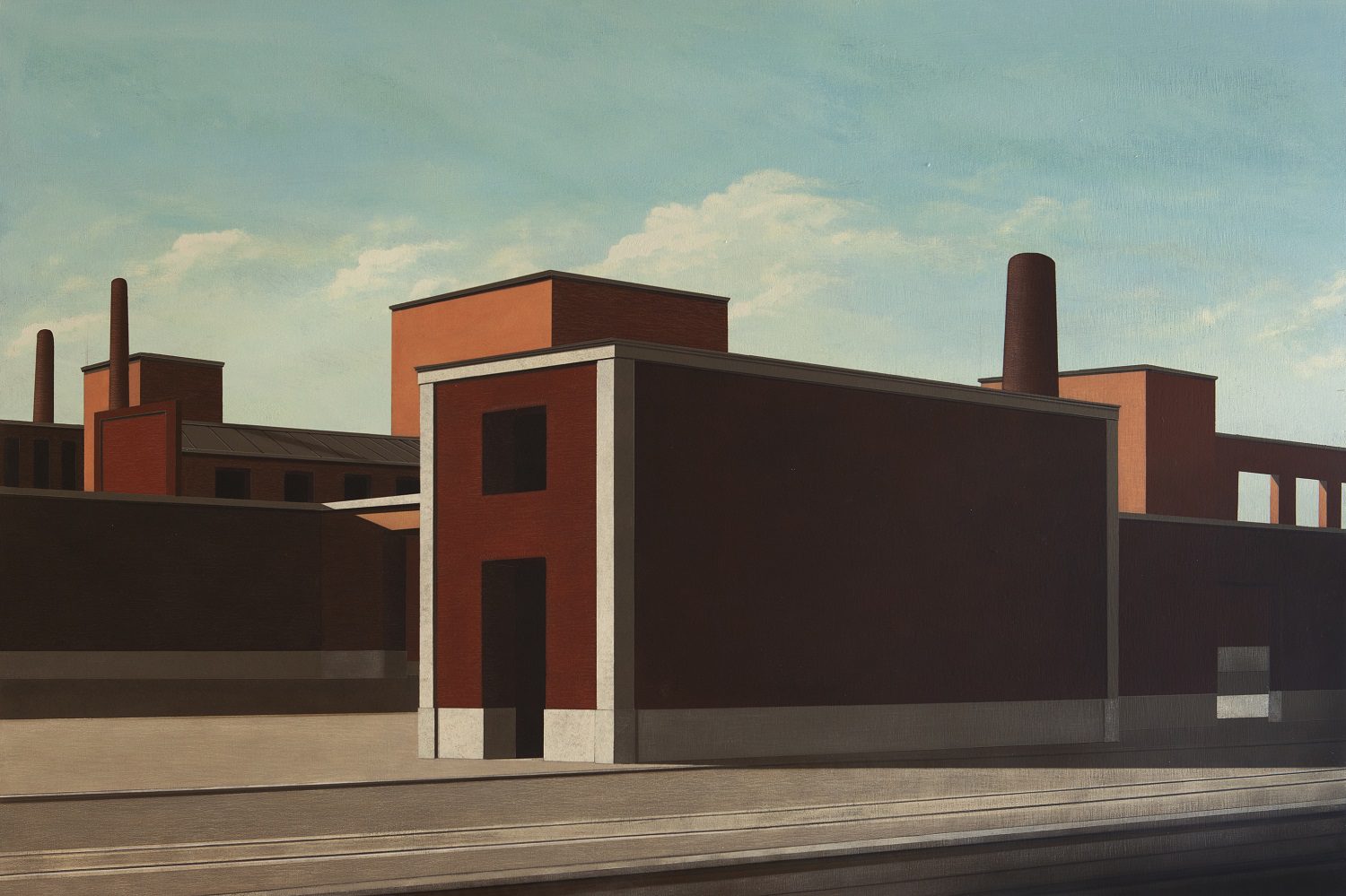
Arduino Cantafora, Bus stop, 1978, oil on canvas, 150 × 200 cm. Collection of Antonio Colombo.
Occhiomagico, Laser 84, 1984, photograph created within the Cinelli Laser project. Colombo’s Archive.
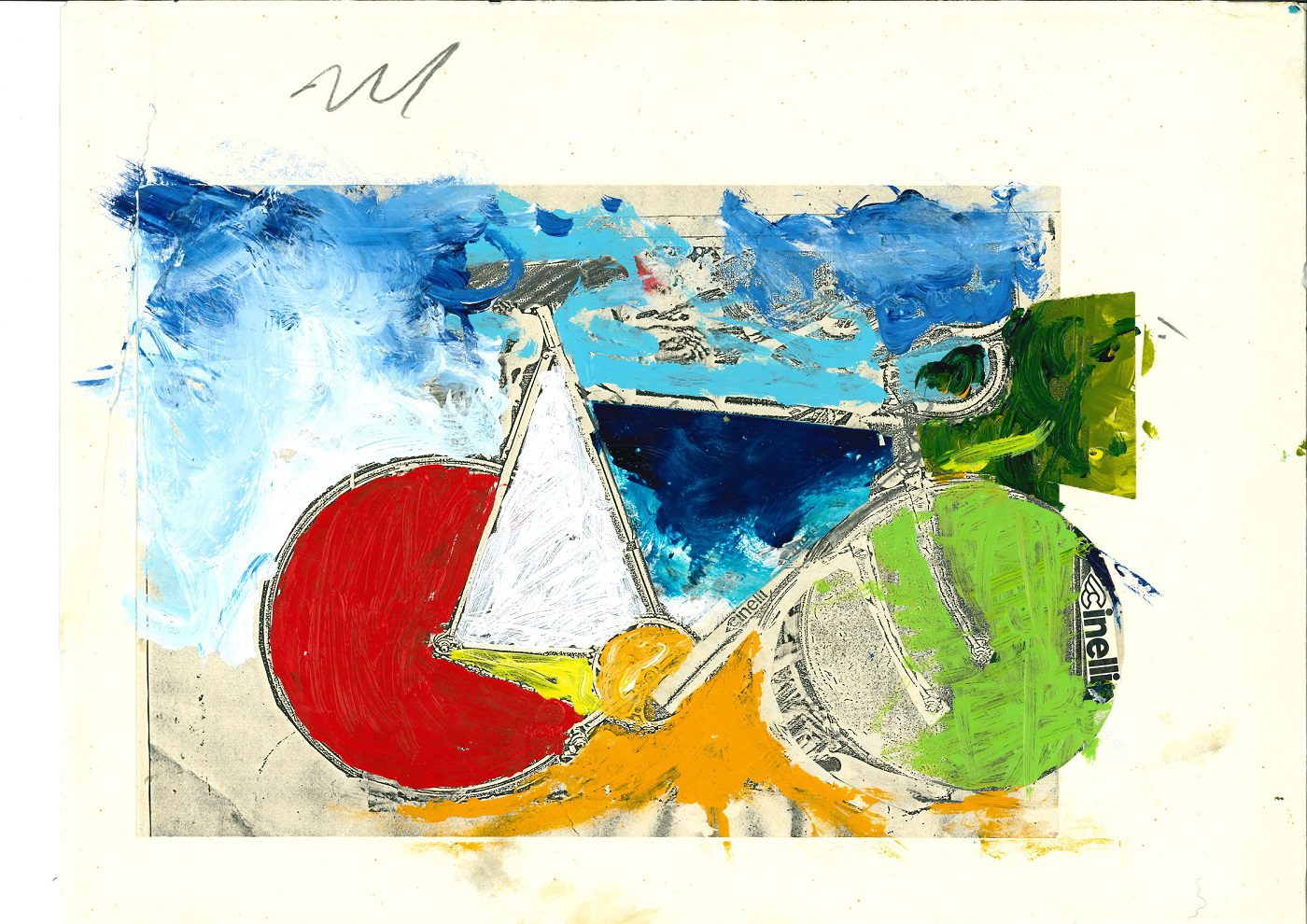
Alchimia, lenticular wheel, 1980s, mixed media on lenticular wheel, diameter 63 cm. Colombo’s Archive.
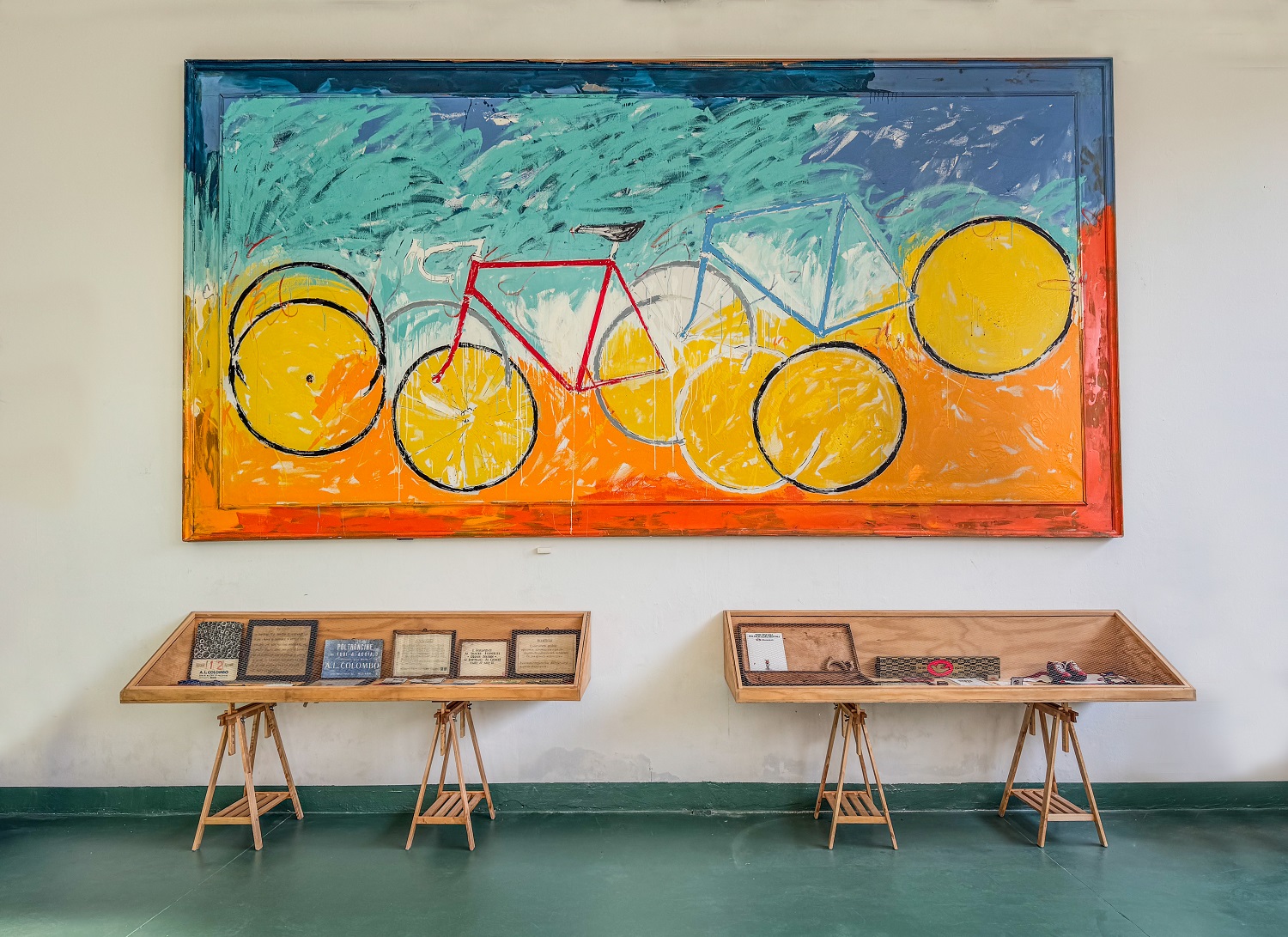
Marco Cingolani, Cyclist Battalion, 1999, oil on canvas, 280 × 540 cm. Collection of Antonio Colombo.
Fred Stonehouse, Dream of Italian Art, 2015, acrylic on panel, 120 × 65 cm. Colombo’s Gallery.
Arduino Cantafora, Domenica, 2016, vinyl and oil on panel, 80 × 120 cm. Collection of Antonio Colombo.
Russ Pope, Summer in the City, 2018, acrylic on canvas, 85 × 83 cm. Colombo’s Gallery.
Dario Maglionico, Reification #74, 2020, oil on canvas, 130 × 95 cm. Collection of Antonio Colombo.
Ryan Heshka, Cult-ivation, 2023, oil on canvas, 60 × 45 cm. Colombo’s Gallery.
Bruce Lee Webb, Lightnin’ Hopkins, 2024, ink on raw canvas, 112 × 100 cm. Colombo’s Gallery.
Max Rorh, The Weight, 2024, oil on canvas, 40 × 40 cm. Colombo’s Gallery.