From the Northern valleys to the islands, Cucine d’Italia takes you on a journey through lesser-known Easter desserts: custodians of ancient rituals and rediscovered flavors.
Easter is a nomadic feast, chasing the whims of the moon and the breaths of spring. In 2026, the celebration will fall on April 5, following the astronomical calculation established in 325 AD by the Council of Nicaea: the first Sunday after the first full moon following the equinox. The visceral link to the lunar cycle—which allows the date to fluctuate within a thirty-five-day window—is not merely a legacy of the Jewish Pesach, but a bridge connecting Christian liturgy to ancestral rebirth rites, effectively synchronizing the religious calendar with the natural cycles of the earth.
From the Alpine valleys of Friuli to the rugged coastlines of Sardinia, the preparation of Easter sweets defines the festive timeline. Whether dense, leavened breads or intricate marzipan structures, these delicacies are the result of cross-generational culinary heritage, developed to mark the conclusion of Lenten fasting. Fundamental ingredients—eggs, sugar, almonds, and dried fruit—are transformed across different regions into edible architectures rich in symbolism, from ritual Easter morning breakfasts to traditional outdoor meals on Easter Monday.
A North-to-South itinerary charts a course through regional specialties that merge local ingredients with agrarian archetypes.
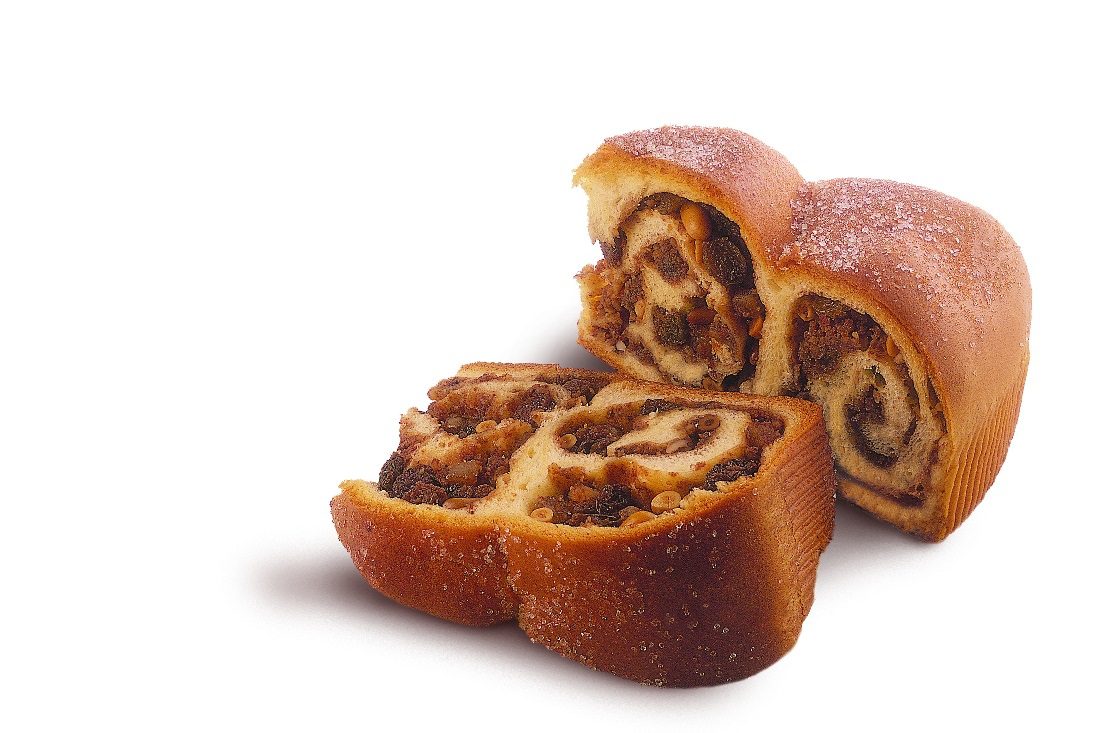
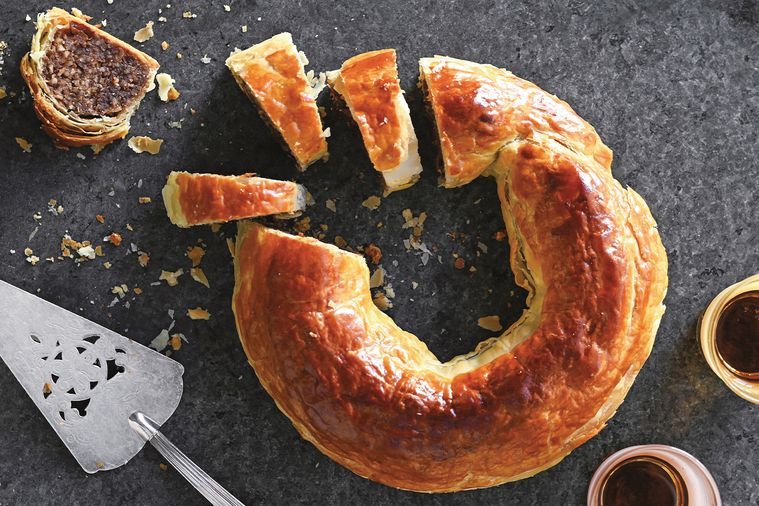
Friuli-Venezia Giulia: The Gubana of the Natisone Valleys and the Imperial Presnitz
The historical lineage of the Gubana dates back to 1409, when records show the specialty was served to Pope Gregory XII in Cividale del Friuli. Preparation of the delicacy demands a rigorous two-day process, allowing a complex filling of walnuts, raisins, pine nuts, almonds, and chocolate—liberally steeped in grappa—to achieve structural equilibrium. Such craftsmanship rejects haste; the cake must rest after baking, as the seamless fusion of leavened dough and spirited heart only reveals itself the following day.
In 1832, the city of Trieste prepared for the arrival of Empress Elisabeth of Austria, the legendary Sissi. A competition among local pastry chefs to honor the sovereign resulted in the Preis Prinz (Prince’s Prize)—a name the Triestine dialect eventually softened into Presnitz. The coiled snail shape evokes the Crown of Thorns, establishing the pastry as a definitive symbol of Easter Sunday.
Technically, the mastery of the specialty lies in the textural contrast between a hand-stretched, translucent shell and a dense core of raisins, walnuts, almonds, pine nuts, and toasted hazelnuts. In more refined interpretations, grated dark chocolate and a spice-driven alchemy of cinnamon and cloves pay homage to Trieste’s historical status as a pivotal free port for Eastern trade.
Lombardy: The Resta of Como and the Mantuan Bussolano
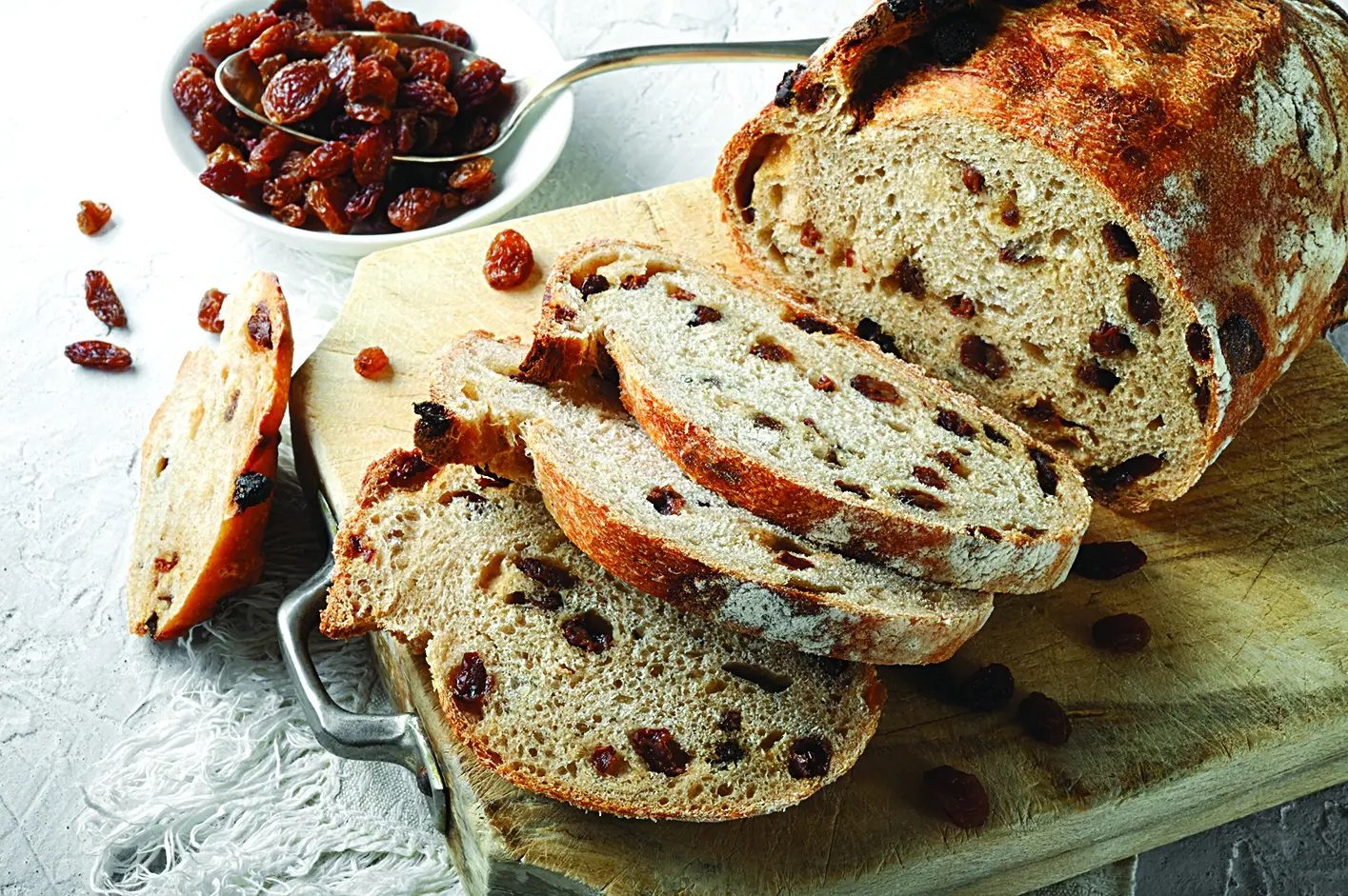
Beyond the ubiquitous Colomba, the Lake Como region celebrates the Resta, a symbolic loaf of rebirth. While the exterior resembles an elongated Panettone, the interior conceals a profound emblem: an olive or cherry twig, inserted into the dough to honor Palm Sunday and guide the leavening process. The name derives from the term resta—the fishbone or dorsal spine—evoking the Christian sacrifice. Production is extensive, requiring a three-phase fermentation to develop a soft crumb enriched with sultanas, candied citron, and orange zest. Virtually impossible to find outside the province of Como, the specialty preserves a heritage where religious ritual meets the pinnacle of Larian baking mastery.
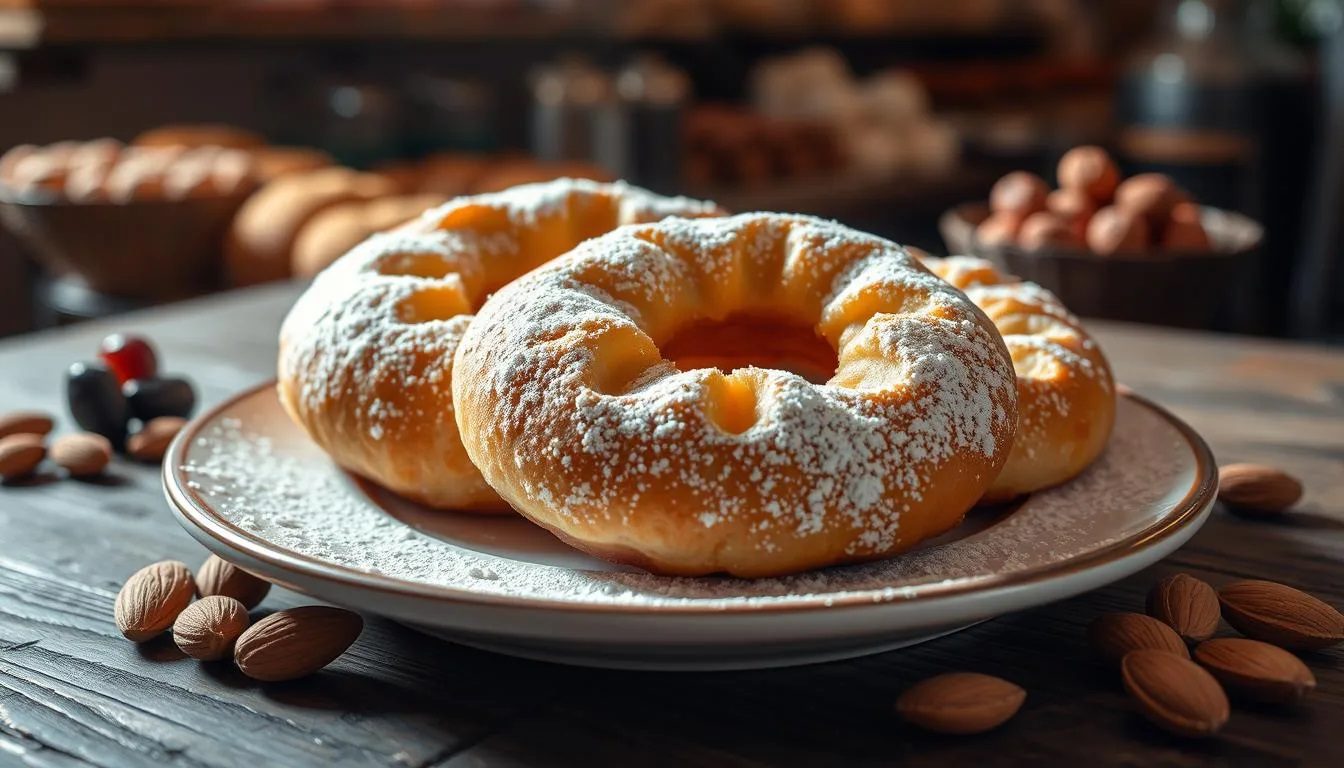
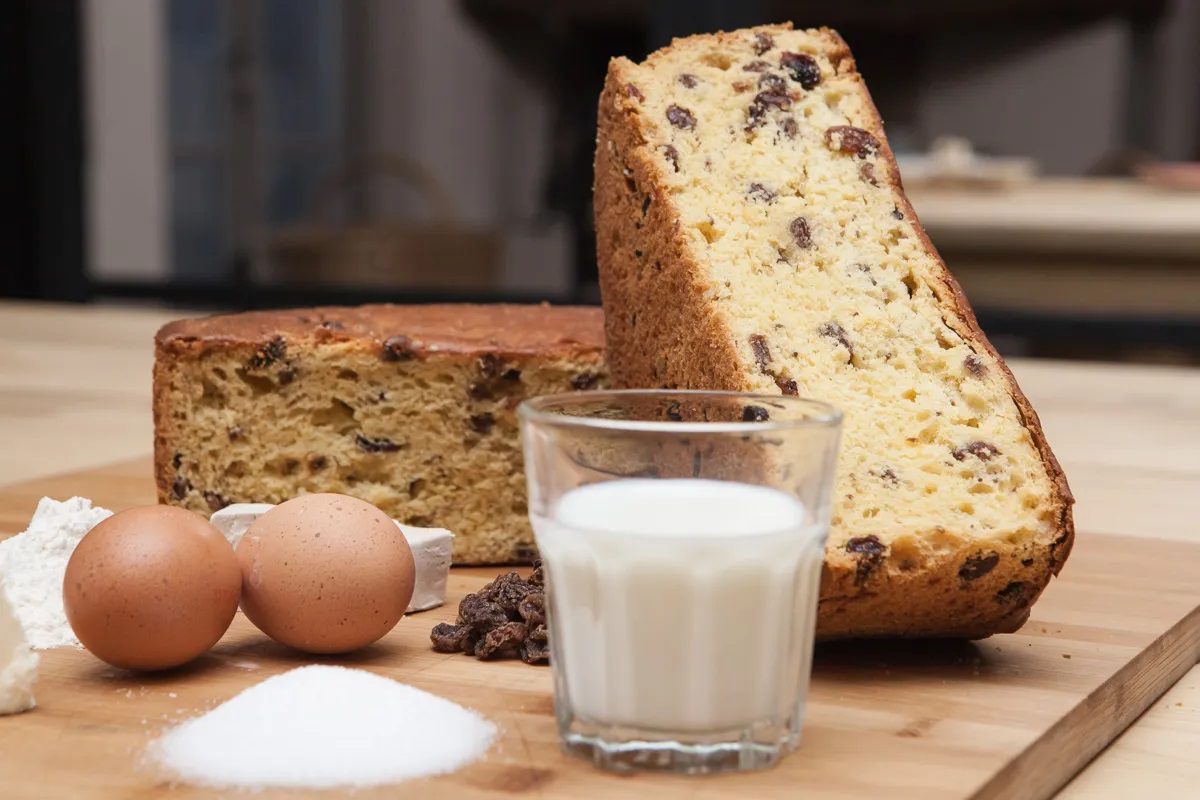
The Bussolano (or Bisulàn) embodies the rustic soul of Mantuan Easter. The ring-shaped cake finds its etymological roots in the French boisseau, an ancient grain measure. Departing from the airy textures of major Italian leavened goods, the dough is compact—reminiscent of an archaic shortcrust pastry—historically based on lard and now refined through the use of high-quality butter. The structure is technically engineered for dipping; while children submerge the pastry in milk, tradition dictates immersion in Mantuan Lambrusco or Marsala to release the lemon zest and liqueur aromas beneath a sugar-grain crust. Regarded as the rich bread of the peasantry, the cake was conceived to endure through the Octave of Easter, celebrating conviviality without superfluous extravagance.
Veneto: The Fugassa (The Focaccia of Commoners and Kings)
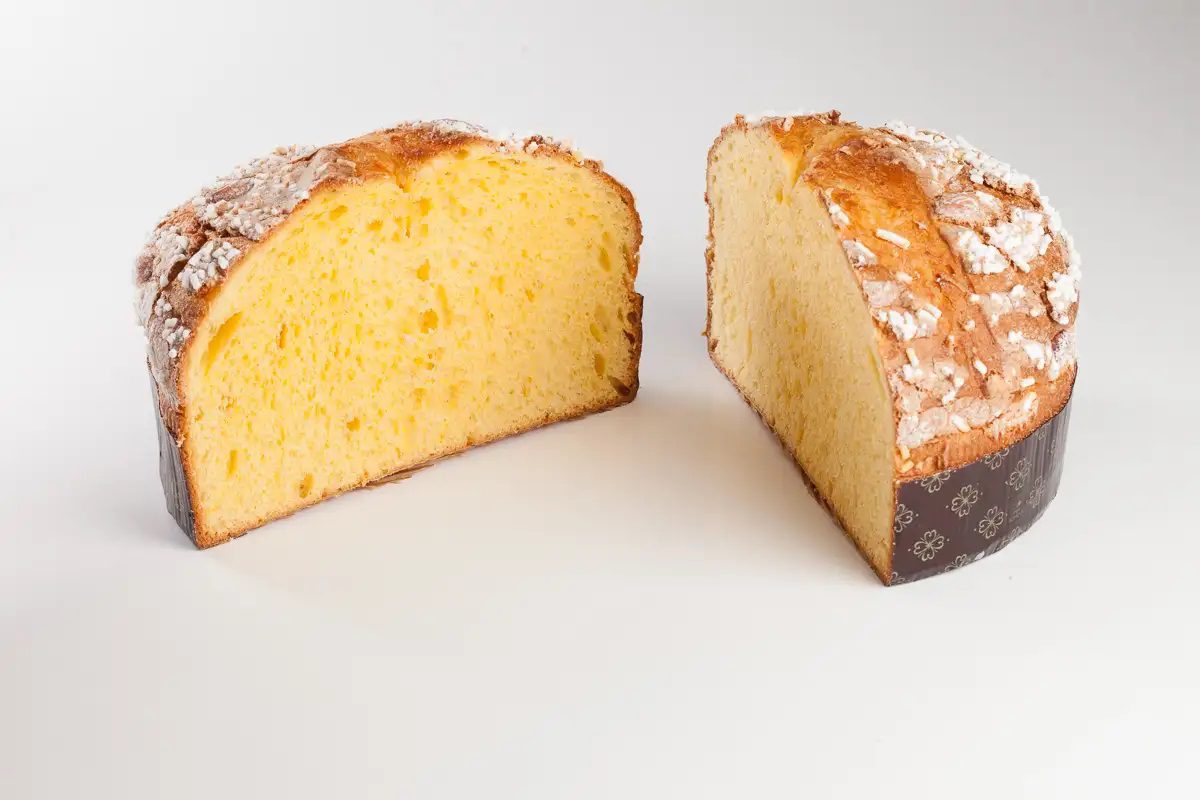
While the Colomba maintains global prominence, the regions of Venice and Treviso prioritize the Fugassa. Legend attributes the recipe to a baker who, seeking to elevate traditional bread for Easter, incorporated butter, honey, and eggs into the dough to achieve a cloud-like lightness. Unlike Panettone, the specialty eschews candied fruit and raisins; its distinction lies entirely in an airy honeycomb structure and the delicate scent of vanilla and almond. Regarded as a masterpiece of aristocratic simplicity, the loaf requires up to twelve hours of natural leavening. Historically considered the “sweet of the poor” for festive occasions, the pastry now serves as the hallmark of refined Venetian confectionery.
Liguria: The Cavagnetti of Brugnato (Woven Memories)
In the Val di Vara, within the medieval village of Brugnato, Easter takes the form of the Cavagnetto—a miniature basket crafted from leavened shortcrust pastry. Less opulent than panettone yet softer than a standard biscuit, the dough encases a whole hard-boiled egg. The most evocative architectural detail remains the woven handle, also made of pastry, which safeguards the egg. The treat serves as a culinary narrative of a vertical Ligurian landscape, composed of fortified villages and steep terrains. Such a specialty remains a testament to local pride, designed for the ritualistic picnics and open-air breakfasts of Easter Monday.
Tuscany: The Pasimata of Garfagnana
Within the Serchio Valley, Easter is defined by the anise-scented aroma of the Pasimata, colloquially known as schiaccia. The loaf serves as a medieval ritual bread, historically blessed in churches and shared among the faithful as a gesture of communal fellowship. Production spans up to two days, celebrating the resurgence of life through the inclusion of dozens of eggs—a traditional emblem of spring fertility. Originally a humble peasant bread, the recipe was refined over centuries with the addition of lard and sugar, evolving into a fragrant tribute to rebirth characterized by orange zest and the spirit of ancient Tuscan parishes.
Umbria: The Ciaramicola (The Red Heart of Perugia)
Few confections capture urban identity as definitively as the Ciaramicola. Typical of Perugia, the ring-shaped cake features a vibrant crimson hue—derived from Alchermes liqueur—topped with a pristine white meringue and multi-colored sprinkles of propitious significance. The geometry centers on an inner cross, while the name likely traces back to ciaramella, referencing the circular form. The palette is deliberate: the red base and white topping pay heraldic tribute to the city’s official colors, while five distinct protrusions represent the five historic districts (rioni) of the medieval capital. Crafted from fundamental ingredients such as flour, eggs, and milk, the cake historically served as a traditional gift from young women to their betrothed on Easter Sunday.
Abruzzo: La Pupa e il Cavallo (The Ancient Rite of Betrothal)
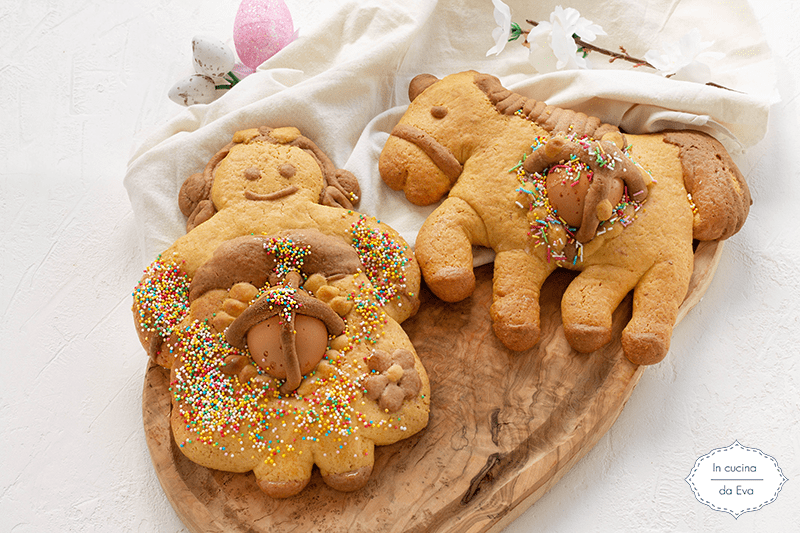
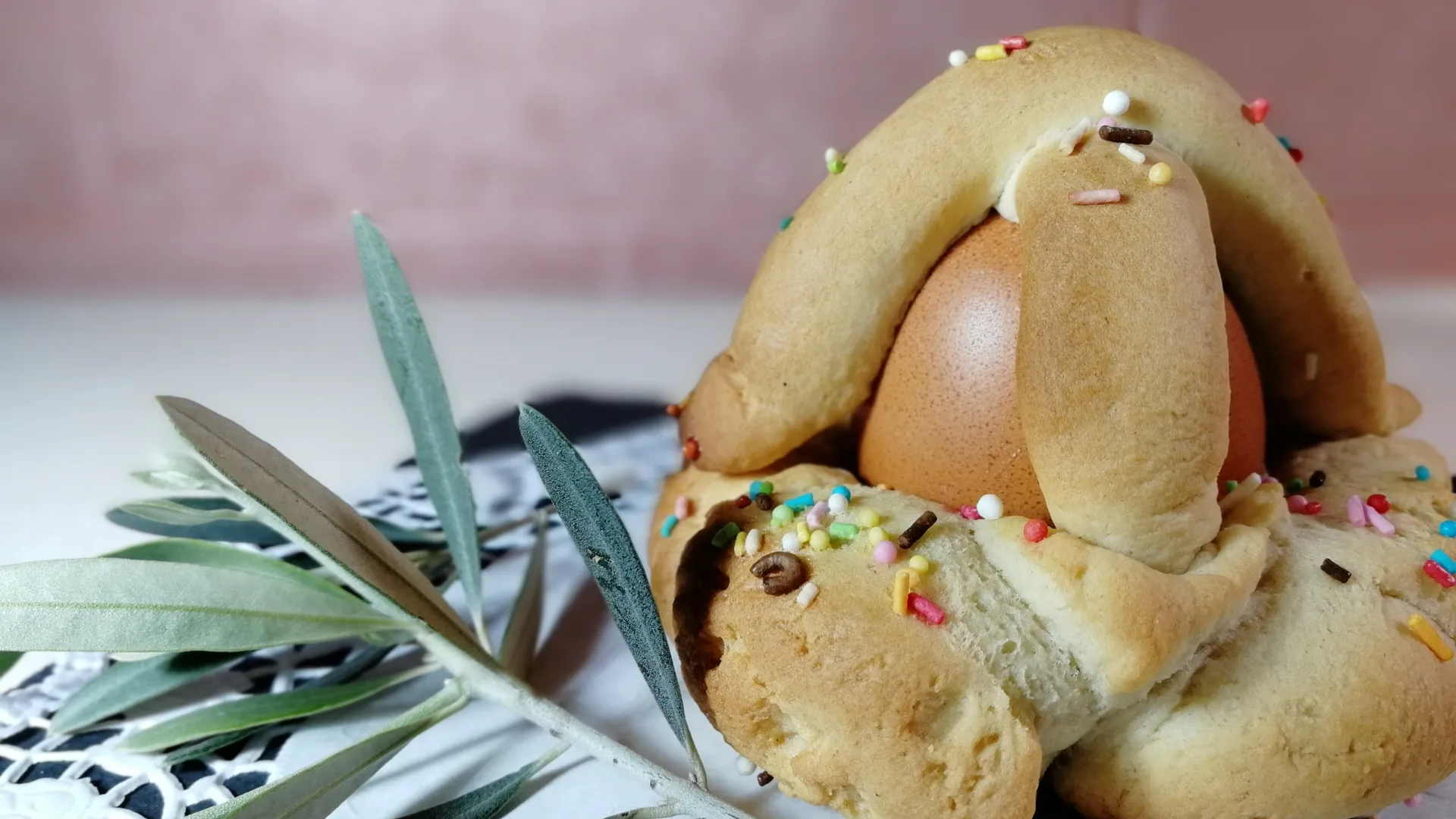
The shortcrust sculptures of Abruzzo function as more than simple confectionery; historically, the figures served as edible “contracts” of love and familial alliance, exchanged during formal engagement rituals. The female figure (Pupa) and the stallion (Cavallo) find their origins in both the Christian Resurrection and archaic agrarian customs. The defining characteristic is a centrally embedded hard-boiled egg, secured by two crossing strips of dough—a clear symbol of rebirth and fertility. Fragrant with lemon and aniseed, the sturdy consistency of the Abruzzese pastry is traditionally adorned with multi-colored sprinkles, reminiscent of antique jewelry.
Campania and Molise: The Casatiello Dolce (The Veiled Giant)
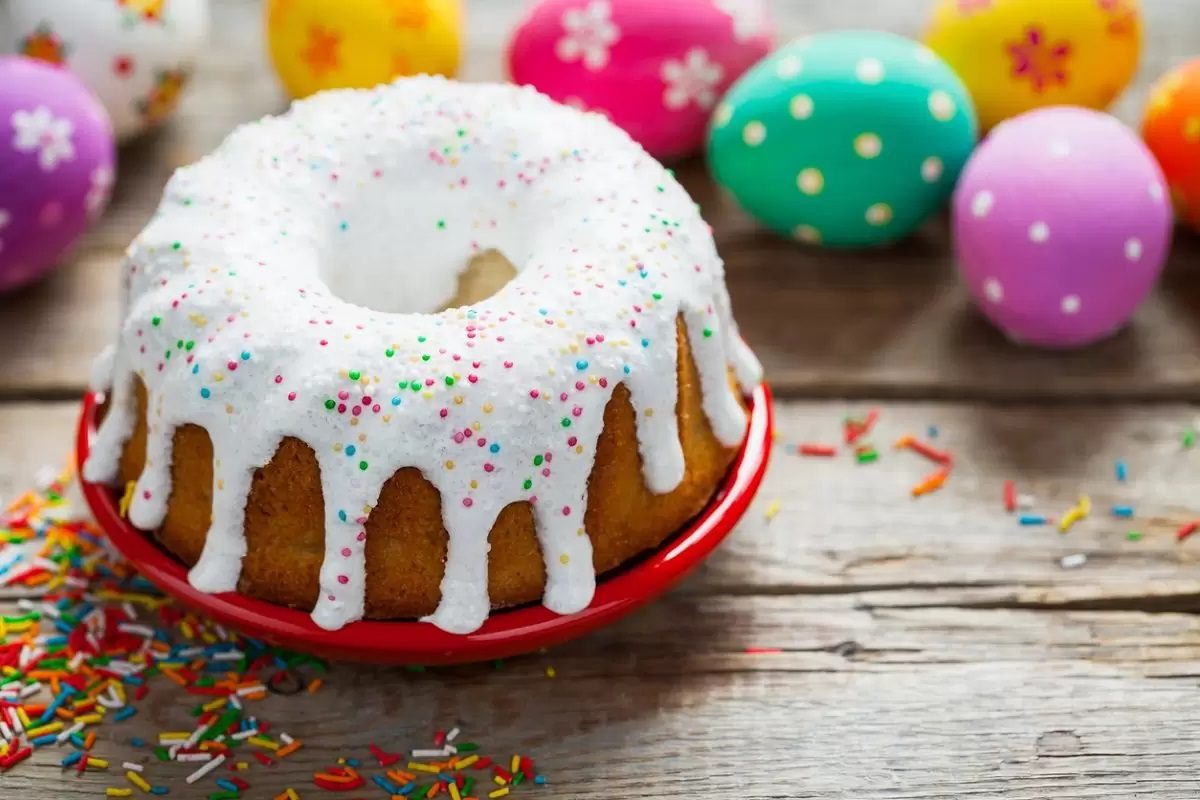
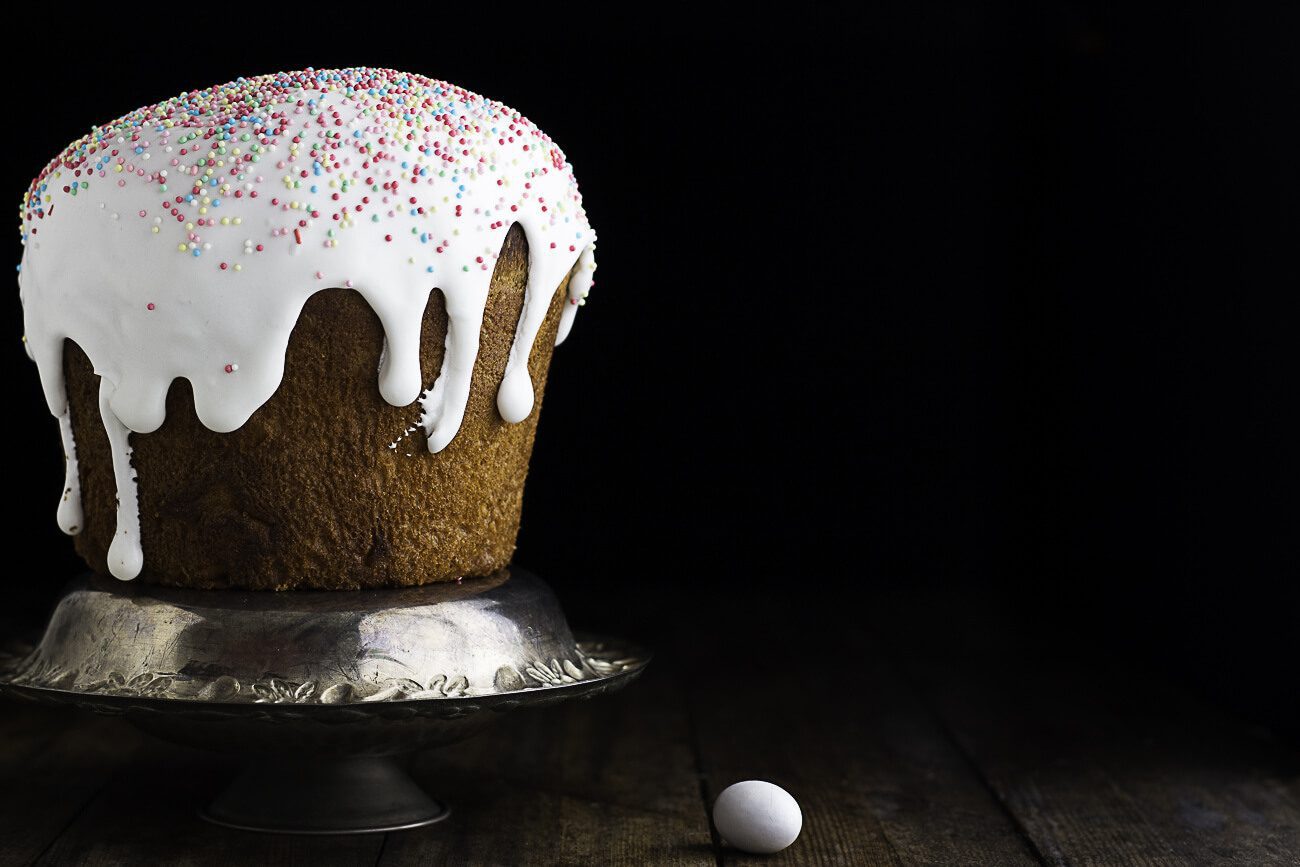
While the savory version is globally renowned, the Casatiello dolce represents a sophisticated equilibrium between salt and sugar, typical of the Caserta and Molise territories. The preparation is a towering brioche, leavened over several days using a traditional sourdough starter known as criscito. Enriched with lard, millefiori floral water, and citrus essences, the specialty is distinguished by the naspro: a thick, opaque white glaze composed of sugar and egg whites. This snowy topping is finished with diavolilli (minute colored sprinkles), providing a textural contrast to the soft, aromatic interior.
Puglia: The Scarcella (The Biscuit of Liberation)
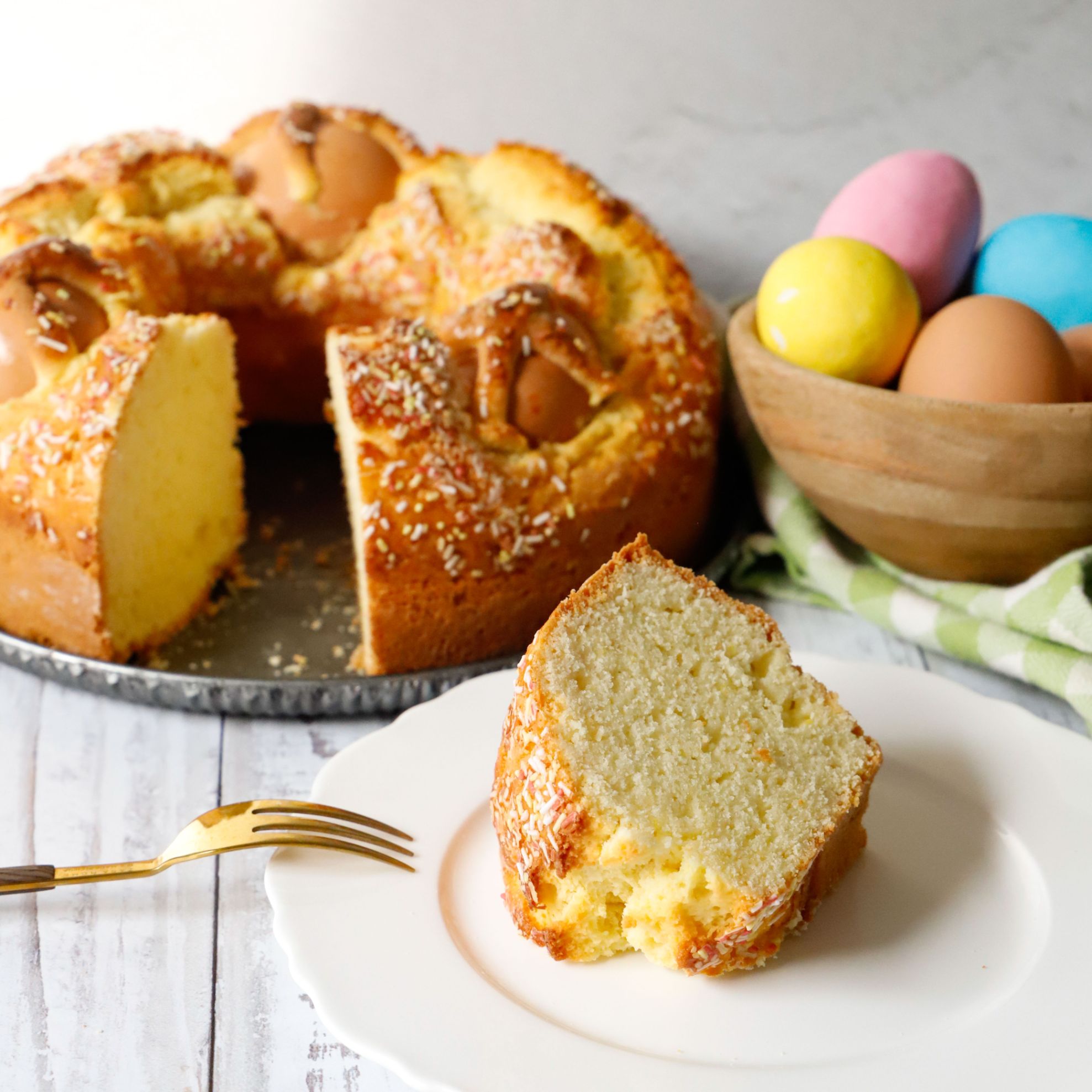
In Puglia, the Easter celebration centers on the Scarcella, a name etymologically linked to the verb scarcerare—to release or liberate—symbolizing the soul’s deliverance from sin through the Resurrection. Common in the provinces of Bari and Foggia, the pastry is a substantial olive-oil shortcrust biscuit molded into symbolic morphologies such as bells, doves, or hearts. Each piece features the mandatory hard-boiled egg, symbolically “imprisoned” by dough strips.
Calabria: The Cuzzupa’s Coded Messaging and the Ancient Jaluni of Bovesìa
The Cuzzupa (or anguta) serves as a culinary cipher where the specific shape and quantity of embedded eggs dictate a precise social code. Within agrarian tradition, the mother-in-law assumes a central role: the inclusion of seven eggs in a gift for a son-in-law signals an imminent marriage, while nine eggs indicate a renewed betrothal promise. The dough—composed of flour, lard, and anise—is sculpted into imaginative morphologies such as dolls, hearts, or birds, and adorned with multi-colored sprinkles to symbolize the conclusion of the Lenten fast.
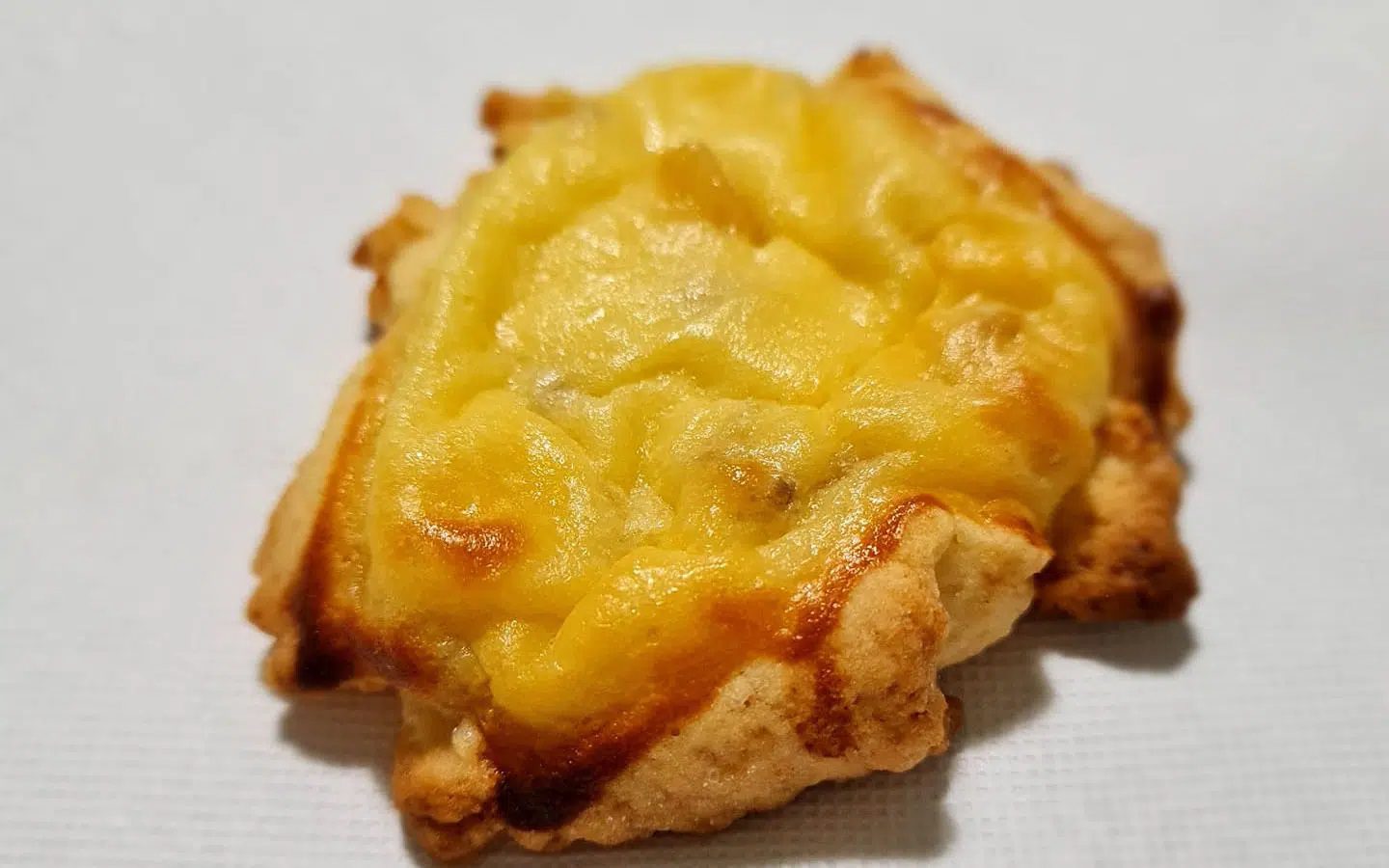
Within Calabria’s Grecanica region, the Jaluni persists as a rare shortcrust “basket” encasing a dense filling of fresh ricotta and goat cheese. Sweetened with honey and perfumed with Reggio bergamotto zest, the pastry represents an intact legacy of Magna Graecia cuisine, predicated on the ancient contrast between savory cheese and honey. Absent from major commercial circuits, the Jaluni remains a protected treasure of Aspromonte’s artisanal bakeries and the families of Bovesìa. The confection functions as a bridge to a Mediterranean past, flourishing in kitchens where the archaic Greco-Calabrian dialect is still spoken.

Sicily: The Favara Lamb and the Sculptural Cuddura
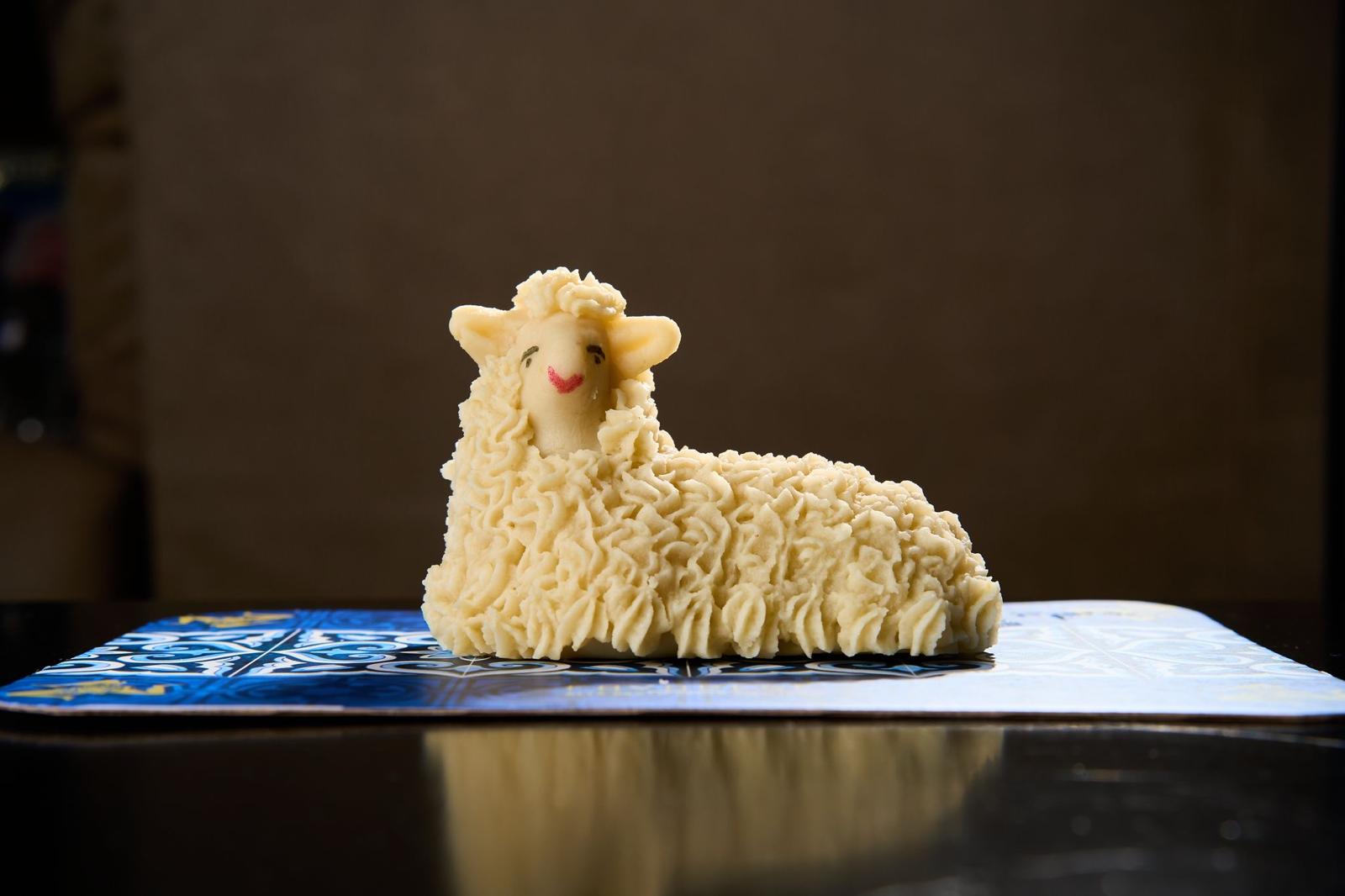
Originating in the early 20th century within the walls of the Collegio di Maria in Favara, the Pasta Reale Lamb represents the zenith of Sicilian conventual confectionery. Characterized by a flourless composition, the body is modeled entirely from Pasta Reale—a refined paste of almonds and sugar—while the interior conceals a dense filling of Raffadali pistachio. Often adorned with “sugar gold” (beads and royal icing), the edible sculpture is an opulent, baroque artifact, synthesizing Sicilian culinary history through the lens of Arab influences and monastic ingenuity.
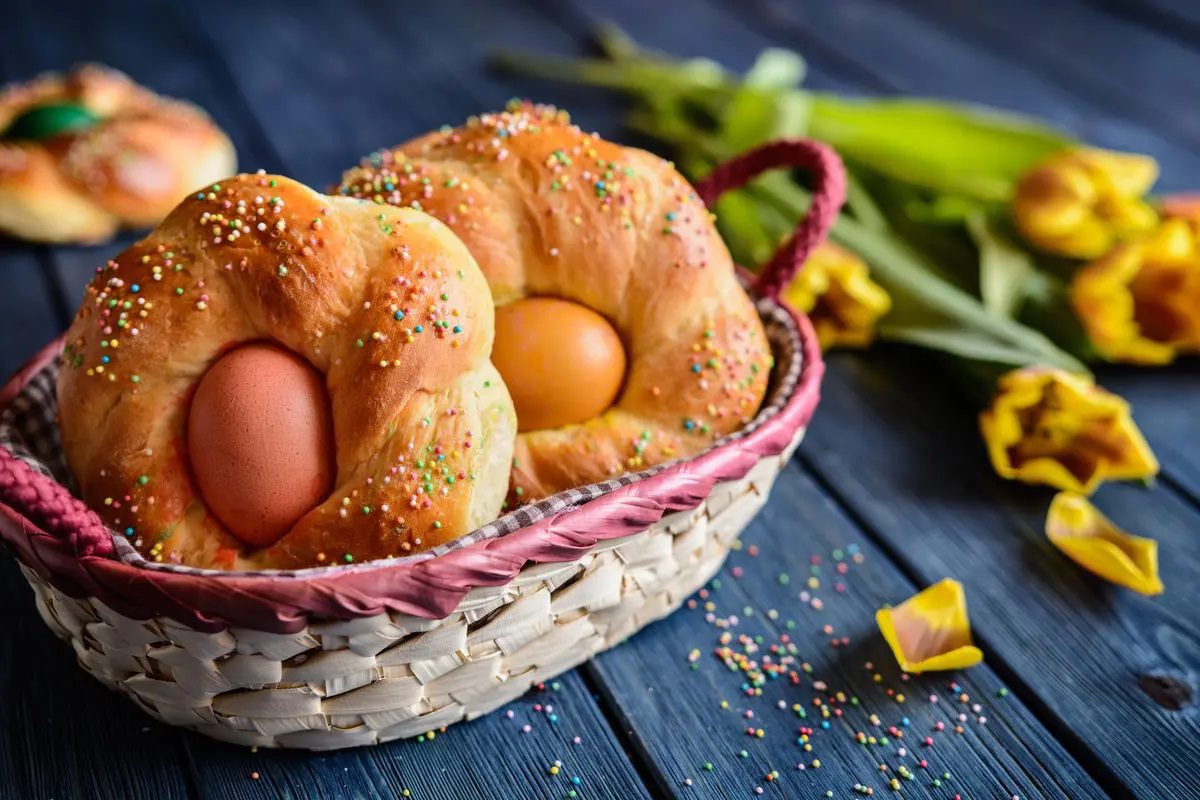
A votive artifact of Orthodox lineage, the Cuddura or Cuddhura (derived from the Greek kollura, meaning crown) signals the conclusion of Lenten austerity. Known regionally as pupi cu l’ova in Palermo, aceddu in Catania, or cuddureddi in Messina, the specialty consists of a shortcrust or brioche dough enclosing an odd number of hard-boiled eggs—ancient symbols of perfection and renewal.
Strictly hand-modeled without the aid of molds, the resulting morphologies communicate specific social sentiments: the heart was traditionally gifted to betrothed partners, the panarieddu (basket) invoked abundance, while pupe (dolls) and galletti (roosters) were destined for children. The Cuddura remains a cornerstone of Sicilian folk culture, where the egg serves as the centerpiece of a ceremonial tradition bridging the sacred and the profane.
Sardinia: Su Coccoi cun s’Ou (The Art of Bread Jewelry) and the Pardulas
In Sardinia, Easter is an occasion for sculpture as much as sustenance. The Su Coccoi cun s’Ou represents the pinnacle of semolina bread craftsmanship. Mastery lies in the pintadura—the intricate art of decoration—where Sardinian women utilize specialized scissors, needles, and cutting wheels to carve lace-like patterns, floral motifs, and avian silhouettes directly into the dough. A central hard-boiled egg serves as a ceremonial core. Traditionally gifted from grandparents to grandchildren, the edible jewel exudes aromas of toasted grain and saffron—an artifact so visually arresting that consumption feels almost secondary.
Accompanying the ceremonial bread are the Pardulas: golden semolina tartlets distinguished by a precise six-pointed star geometry. Traditionally wood-fired, the pastries encase a soft filling of fresh cheese or ricotta, enhanced with raisins and infused with saffron, vanilla, and citrus zest. Regional variations dictate both the nomenclature and the aromatic profile: while the Campidano version emphasizes the prestige of saffron, the Nuoro variant—known as Casatina—features more assertive notes of orange and lemon. Honey-brushed and finished with multi-colored sprinkles, the dough is meticulously “pinched” by hand to seal in the flavors of the Mediterranean scrub. Such a specialty remains a testament to the island’s unbreakable bond with ancestral ritual.
Image Credits
- – Gubana: Courtesy of www.gubanedorbolo.com
– Fugassa: Dolce Bassano Pasticceria
– Pupa e Cavallo: In Cucina da Eva
– Jaluni: www.piuricette.it
– Agnello di Favara: www.favaraweb.com
– Cuddura: dolciveloci.it
– Su Coccoi cun s’Ou: www.veraincucina.com - – Scarcella: Daniele Russo via Getty Images