Unione Italiana Vini President Lamberto Frescobaldi criticizes the decision to refer the trade agreement to the European Court of Justice, fearing a damaging 20-month freeze as US exports decline.
The European Parliament’s decision to challenge the legal basis of the EU-Mercosur Association Agreement has sparked sharp criticism from Italy’s leading wine association, Unione Italiana Vini (UIV). The vote, passed by a narrow margin, requests the European Court of Justice to evaluate the deal—a move industry leaders fear will paralyze trade negotiations at a critical economic juncture.
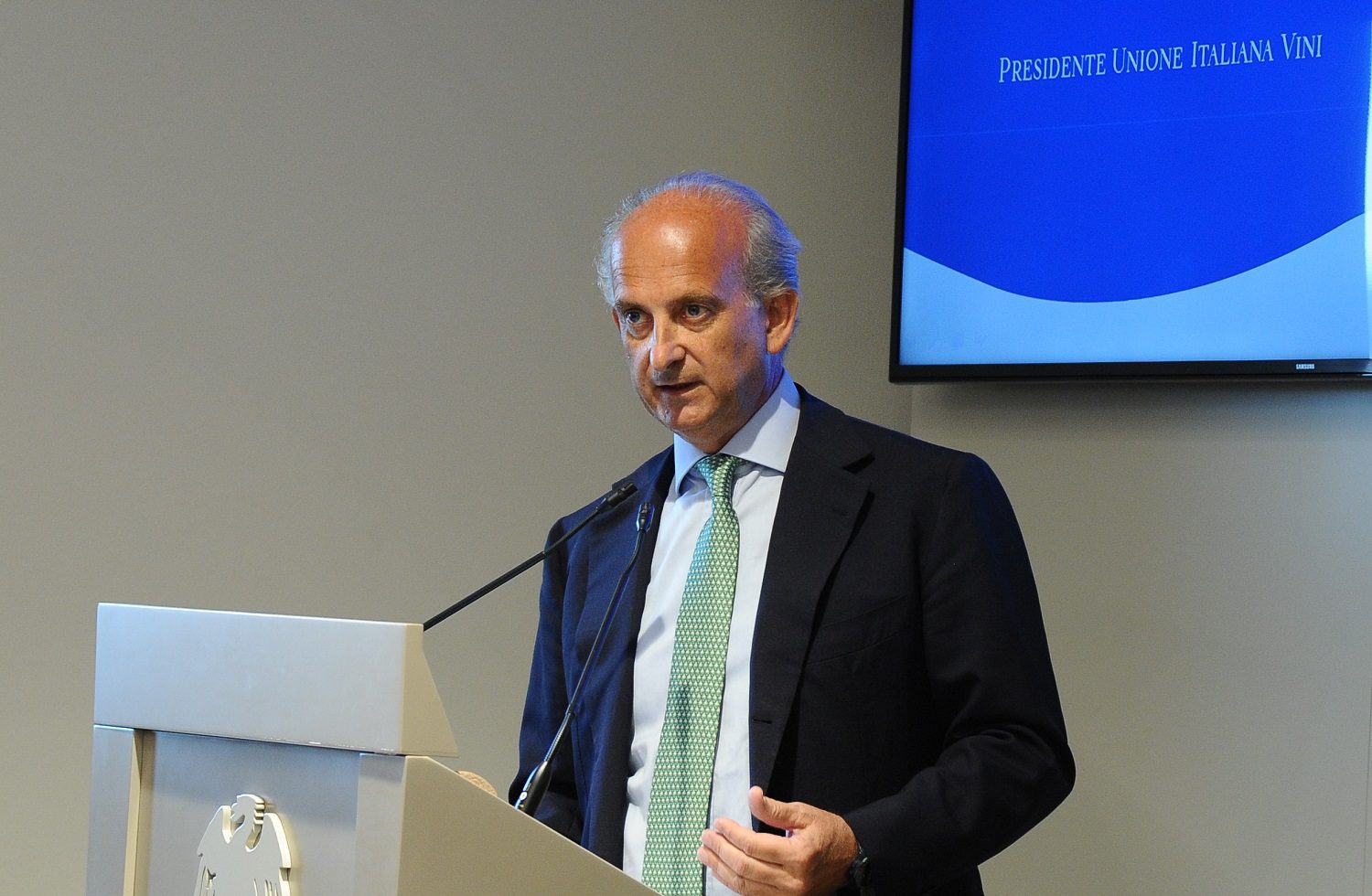
Lamberto Frescobaldi, President of UIV, described the outcome as a self-inflicted wound for the European Union, emphasizing that the timing could not be worse given the current global trade climate.
“The European Parliament vote hurts not only businesses but the whole of Europe,” Frescobaldi stated. “The vote is sacred, and Unione Italiana Vini fully respects the democratic outcome, but we cannot fail to note how this decision exposes a divided EU at a historical moment characterized by trade tensions that instead require maximum cohesion.”

A Costly Delay for Italian Exports
The Parliament’s motion, which passed by just ten votes, threatens to derail the ratification process. Without provisional application, the trade deal could face a significant bureaucratic limbo.
“The ten-vote margin in favor of the appeal—without provisional approval—would amount to freezing the agreement for up to 18-20 months,” Frescobaldi cautioned. “This is a delay we cannot afford, particularly for the Italian wine sector, which is expected to close 2025 with a drop of around 9% in the United States.”
Frescobaldi also echoed the Italian government’s stance, referencing comments made by the Minister of Agriculture, Francesco Lollobrigida.
“As Minister Lollobrigida rightly recalled today, Mercosur is a beneficial agreement not only for industry but also for agriculture, capable of strengthening the Italian agri-food system both in terms of market access and the protection of our geographical indications,” Frescobaldi added.
The South American Opportunity: Breaking Down the Tariffs
According to UIV analysis, the South American market—boasting over 250 million consumers—represents a vital, culturally compatible frontier for European producers that is currently stifled by protectionist barriers.
Currently, European wines destined for Brazil are burdened by steep import duties, facing tariffs of 27% on still wines and rising to 35% for sparkling varieties.
These tariffs have severely limited the competitiveness of Italian wineries in a market that currently imports approximately €500 million in wine annually. Italy’s share of this market sits at a modest €40 million (roughly 8% of the total), a figure UIV believes could rise significantly if trade barriers were removed as outlined in the partnership agreement.
For the Italian wine sector, already facing headwinds in traditional strongholds like the US, the potential collapse or delay of the Mercosur deal represents a significant missed opportunity for diversification and growth.