From Piedmontese peaks to Puglian olive groves: an exclusive itinerary through Italy’s premier 2026 Easter destinations.
The 2026 Easter season perfectly captures the enduring essence of Italian hospitality: a perfect equilibrium between the sophistication of fine dining and the warmth of local tradition. This year’s gastronomic map leads us through an Italy at its most expressive, where historical palazzos in Verona hide Roman secrets and Tuscan biodynamic gardens overlook medieval walls. Whether it is the innovative gastronomic research of Turin or the refined estate-hospitality of Puglia, these itineraries celebrate the visionaries—chefs and entrepreneurs alike—who are interpreting the excellence of Italian gastronomy while honoring its most sacred roots.
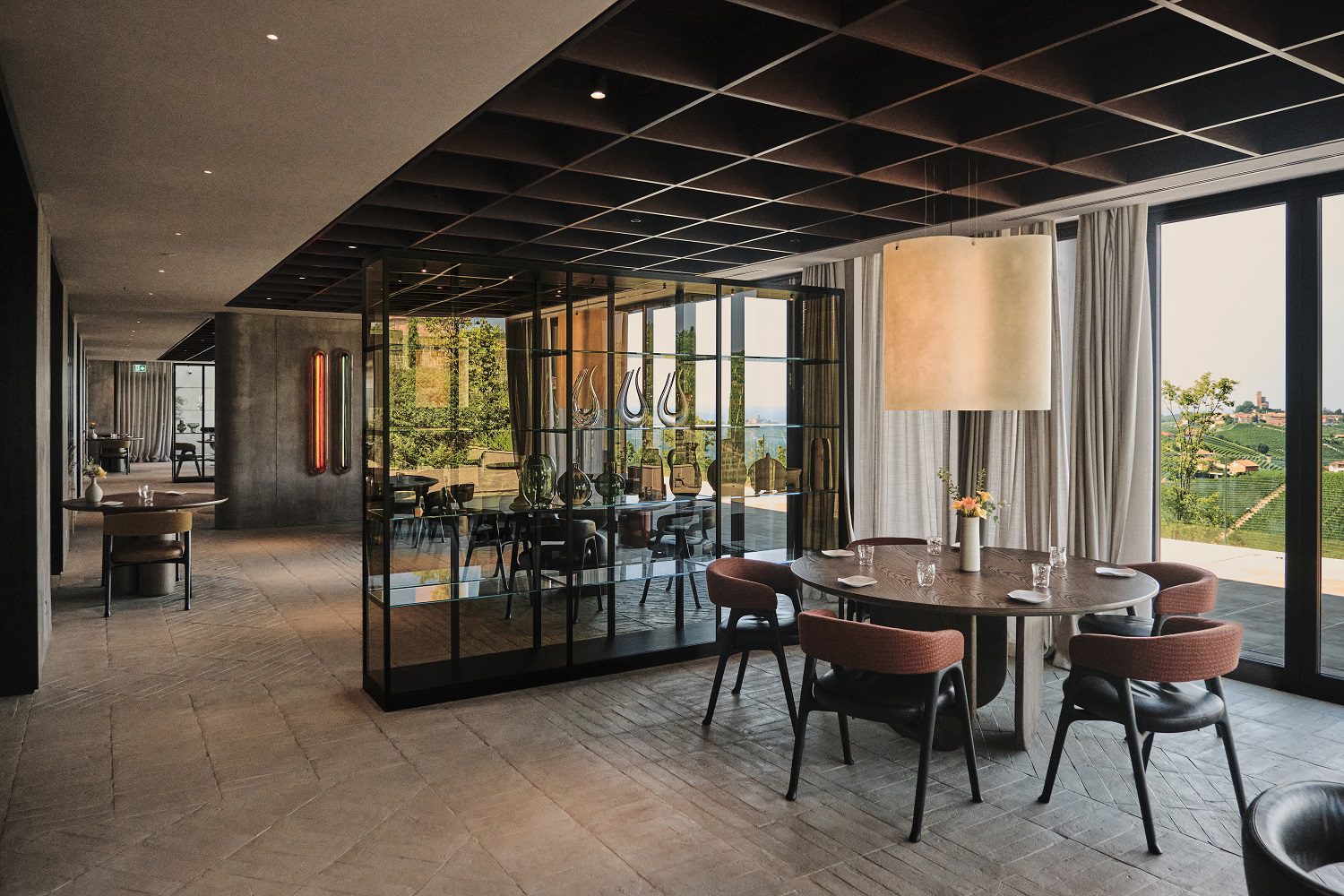
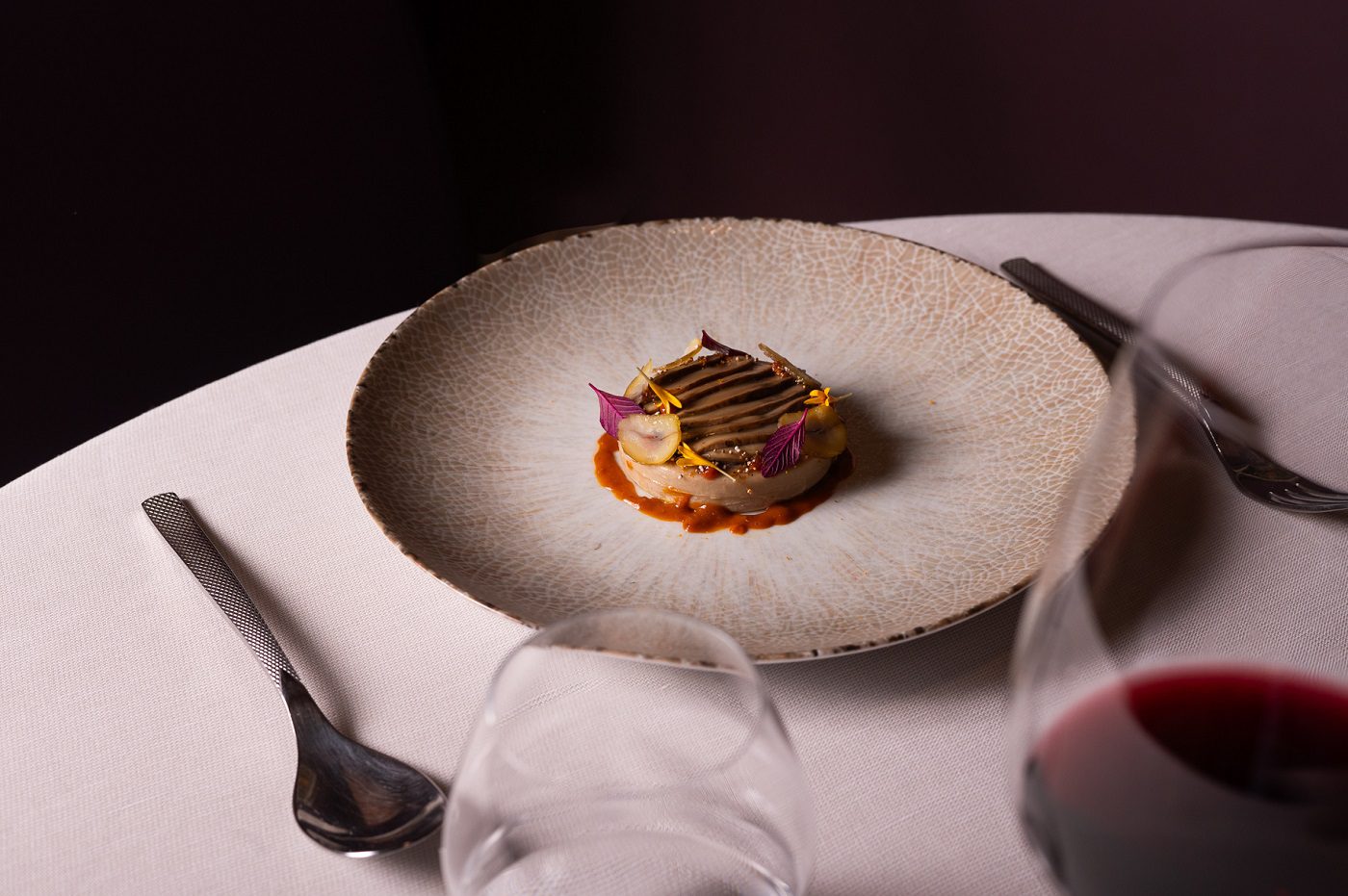
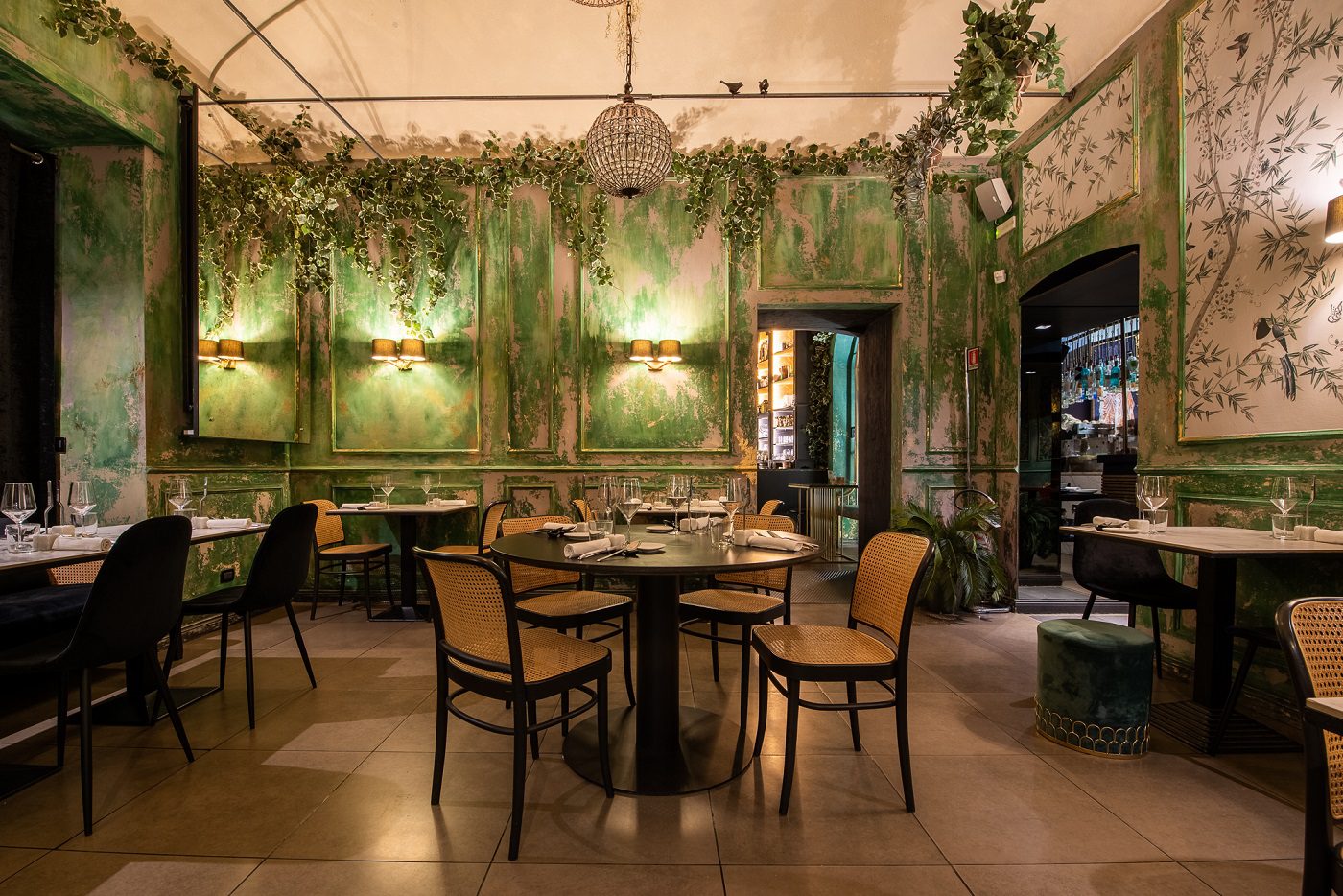
Northern Italy: Premier Easter 2026 Gastronomic Itineraries
La Rei Natura – Serralunga d’Alba (Piedmont)
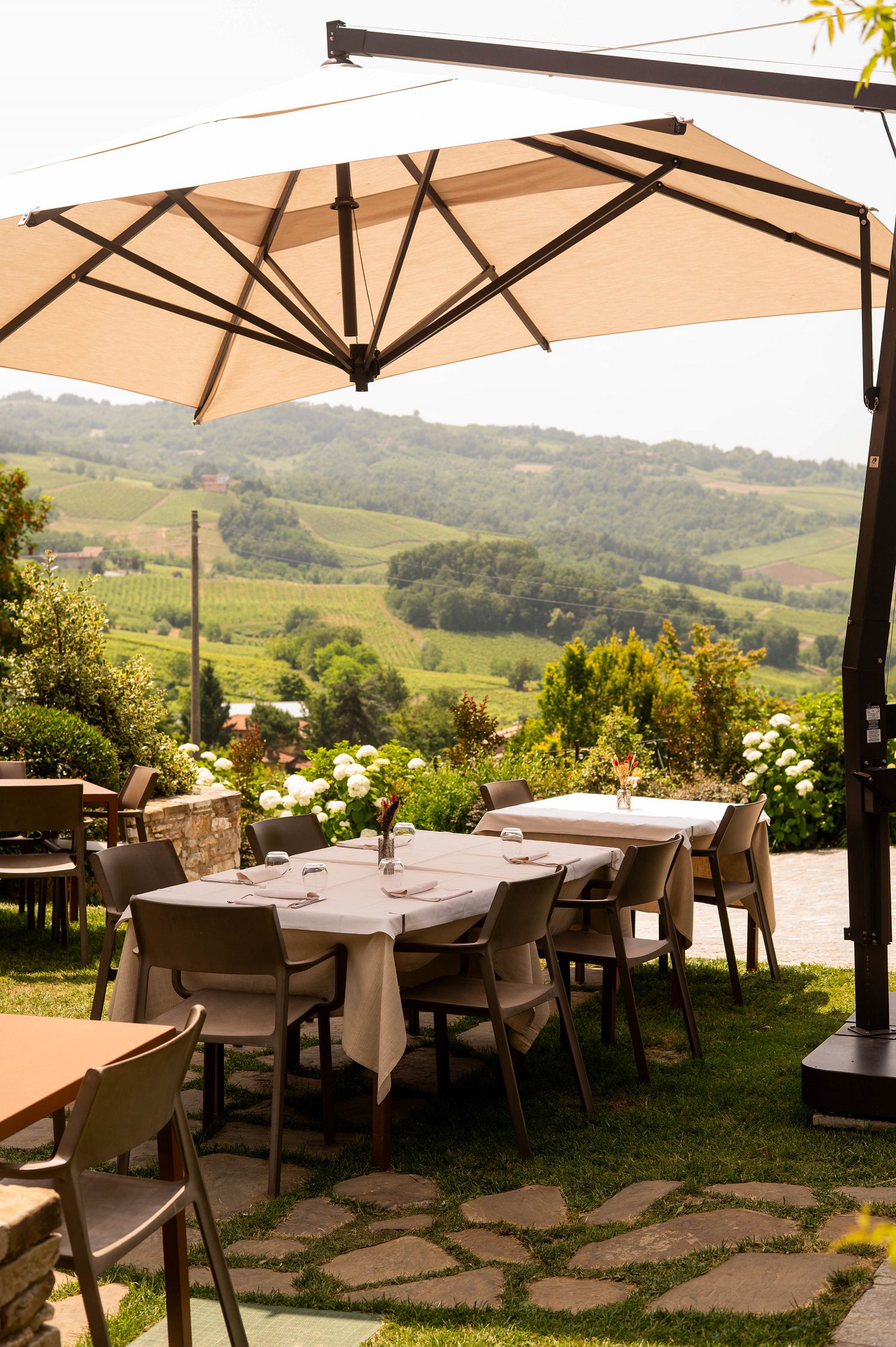
Nestled in the UNESCO Langhe hills, La Rei Natura stands as a three-Michelin-starred beacon within Il Boscareto Resort & Spa. Chef Michelangelo Mammoliti directs the kitchen with a philosophy rooted in nature, memory, and instinct, prioritizing vegetable-centric elements. Tasting menus explore deep ties to the property’s private greenhouse, ensuring an immersive sensory experience in one of Italy’s most celebrated viticultural landscapes.
Azotea – Turin (Piedmont)
Central Turin mirrors Parisian charm, housing Azotea near the iconic Piazza Vittorio. Chef Alexander Robles and bar manager Matteo Fornaro orchestrate a dialogue between Peru and Japan through Nikkei cuisine and technical mixology. Every dish aligns with avant-garde cocktails, defining a contemporary urban dining destination where culinary heritage meets international experimentation.
Opera Ingegno e Creatività – Turin (Piedmont)
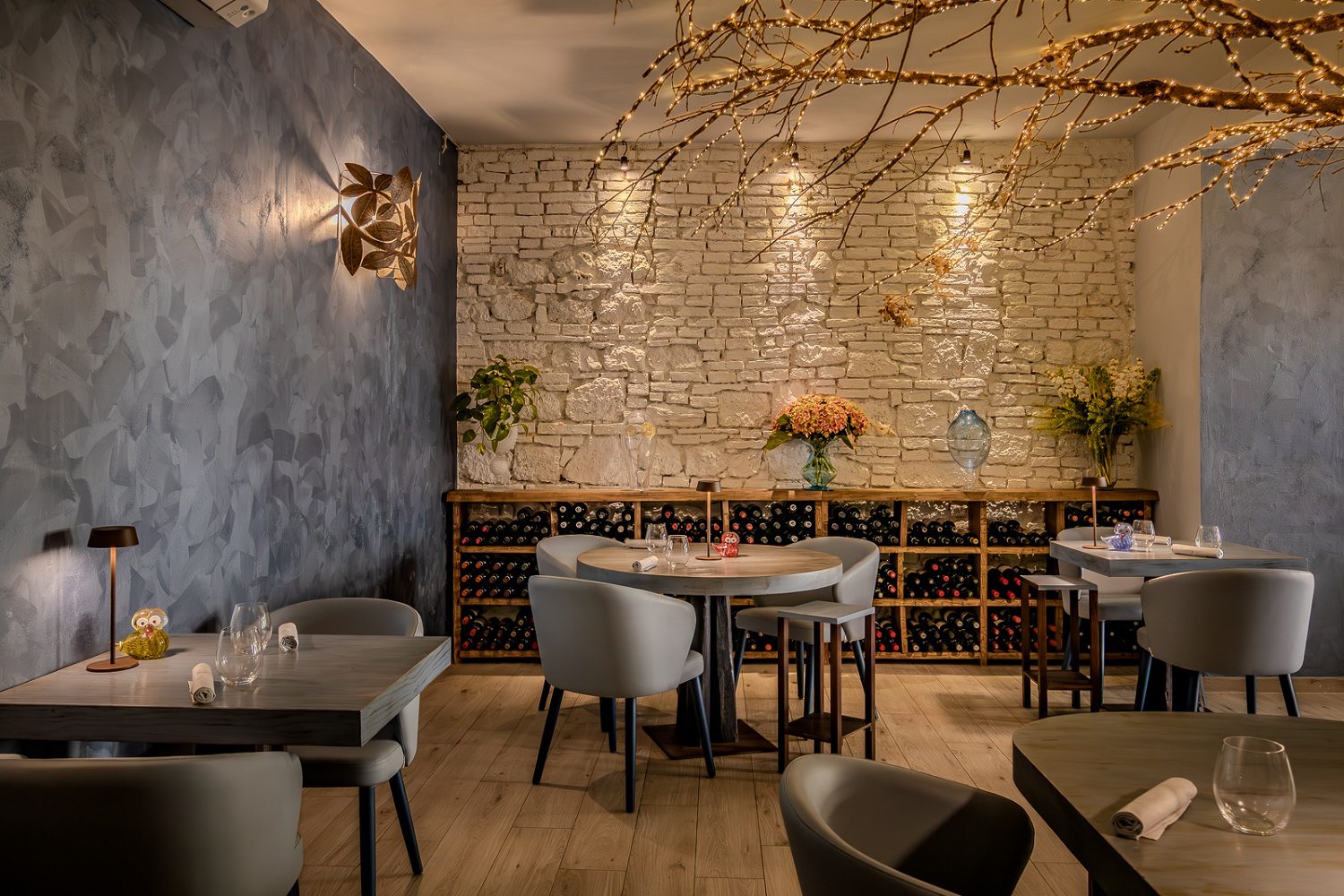
Situated near the contemporary Porta Susa axis, Opera Ingegno e Creatività occupies a former sanctuary guest house. Chef Stefano Sforza presents a precise culinary vision through seasonal tasting menus, including a signature selection dedicated to specific botanical families. Creativity meets tradition in a space characterized by Liberty style and modern architectural lines, reflecting the constant evolution of the Piedmontese capital.
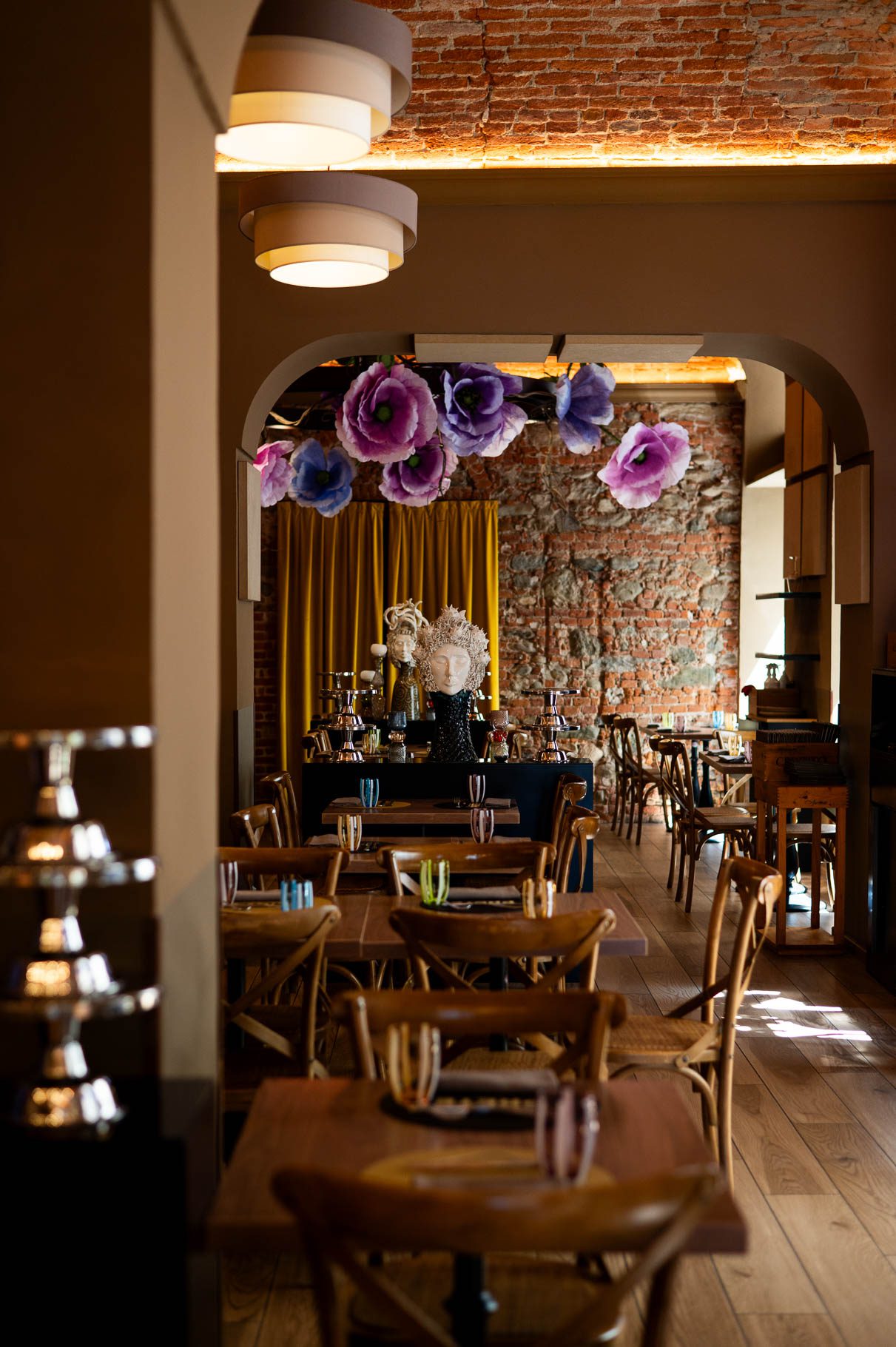
Sestogusto – Turin (Piedmont)
Located near the historic Piazza Cavour, Sestogusto represents the evolution of contemporary pizza. Massimiliano Prete utilizes five distinct dough types, recognized globally by 50 Top Pizza World and Gambero Rosso for research and artisanal excellence. The menu transforms leavened creations into refined gourmet canvases, balancing technical mastery with premium ingredients in the heart of the city.
Borgo dei Gatti – Golferenzo (Lombardy)
In Oltrepò Pavese, the village of Golferenzo thrives through Il Borgo dei Gatti, Lombardy’s first certified albergo diffuso. Luigi Brega’s vision restored ancient dwellings into a luxury retreat featuring two restaurants—La Corte and L’Olmo—a boutique shop, and the Adàsi Spa. Ongoing expansions include new suites and a thousand-square-metre wellness area, preserving the historic soul of one of Italy’s most beautiful hamlets.
Iris Ristorante – Verona (Veneto)
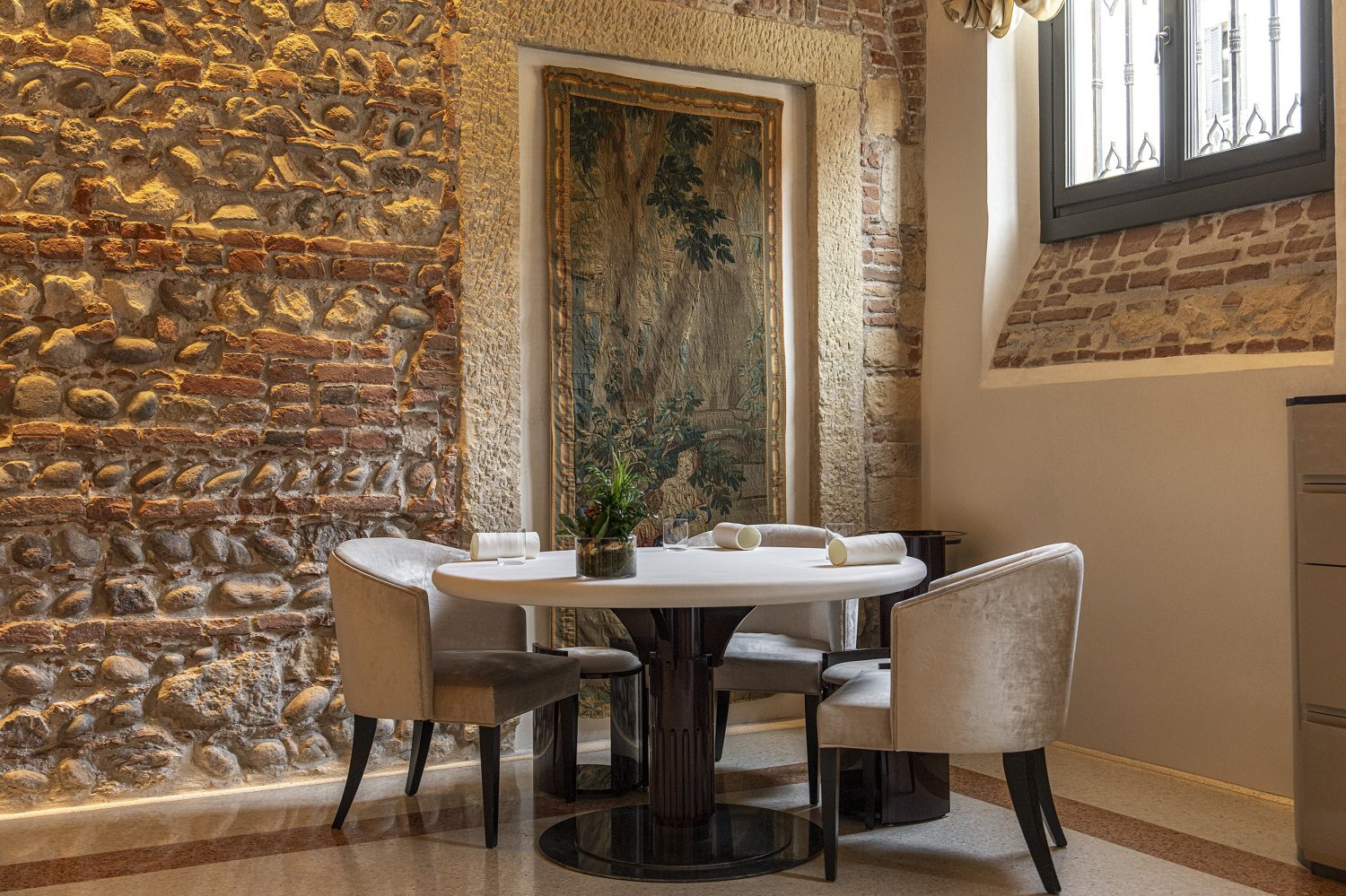
Palazzo Soave in central Verona houses Iris, a one-Michelin-starred restaurant led by Chef Giacomo Sacchetto. Within a 15th-century building, the space blends Renaissance frescoes with archaeological Roman remains found in the Talise Spa. Fine dining, the Velvet cocktail bar, and luxury suites at Palazzo Reggiani complete a hospitality experience where history and contemporary comfort seamlessly intertwine.
Central and Southern Italy: Essential Easter 2026 Gastronomic Itineraries
Ristorante Barbagianni – Colle di Val d’Elsa (Tuscany)
Along the Via Francigena, Barbagianni introduces contemporary Tuscan flavours to the medieval heart of Colle di Val d’Elsa. Chef Alessandro Rossi sources ingredients from a biodynamic garden situated on ancient city walls and local Tyrrhenian fisheries. The wine list pays homage to regional classics while exploring international routes from Georgia to Japan, celebrating the natural symbiosis between cuisine and territory.
ConTatto – Frascati (Lazio)
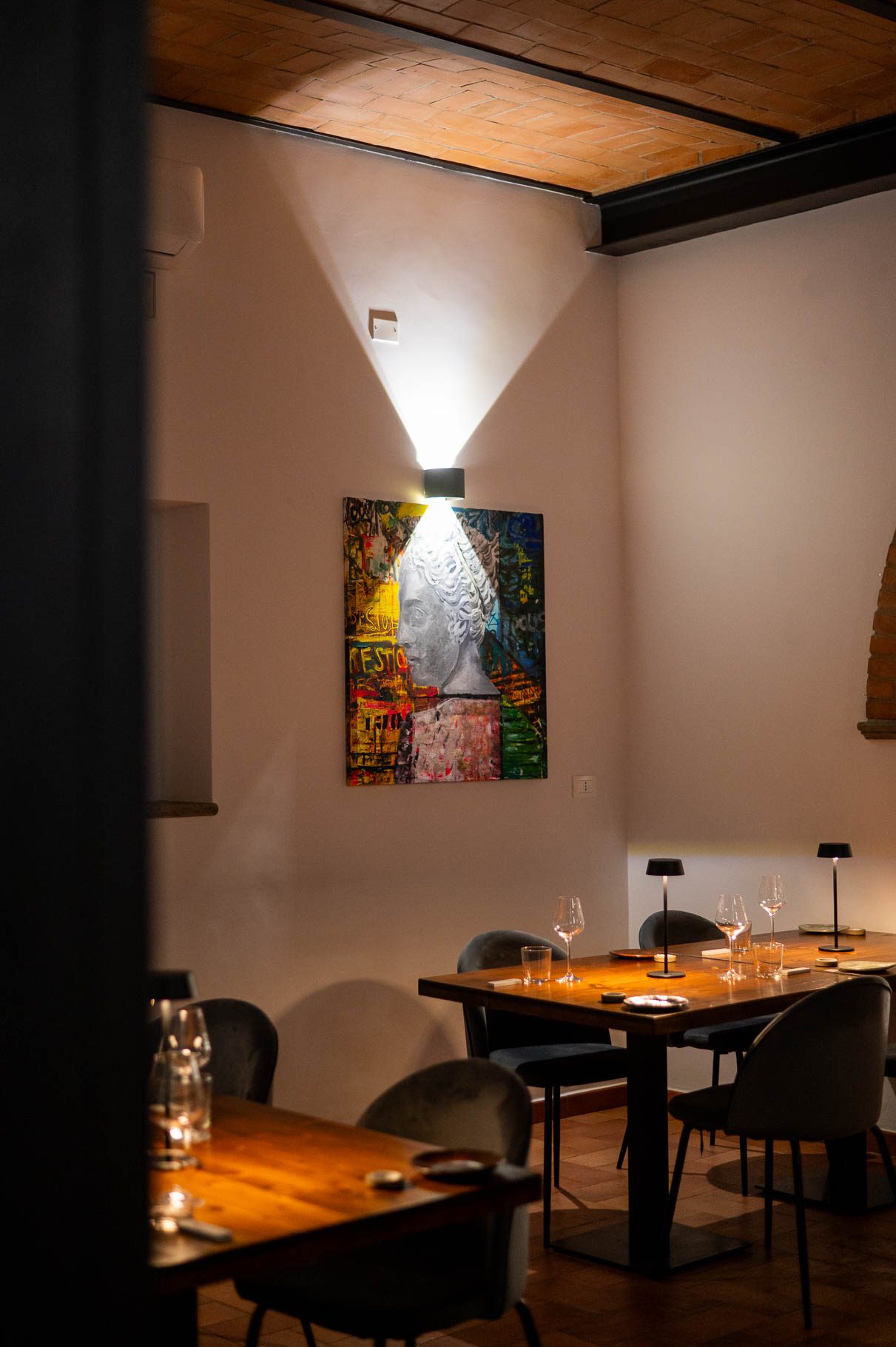
In the Roman hills, ConTatto introduces a “sub-zero kilometre” philosophy focused on scientific research and culinary experimentation. Chef Luca Ludovici and maître Lorena Cavana utilize an underground cave for cultivating, maturing, and aging ingredients. The subterranean vaults provide a unique setting for refined dining and specialized aperitifs, away from the typical hustle of the capital.
Torrerivera – Andria (Puglia)
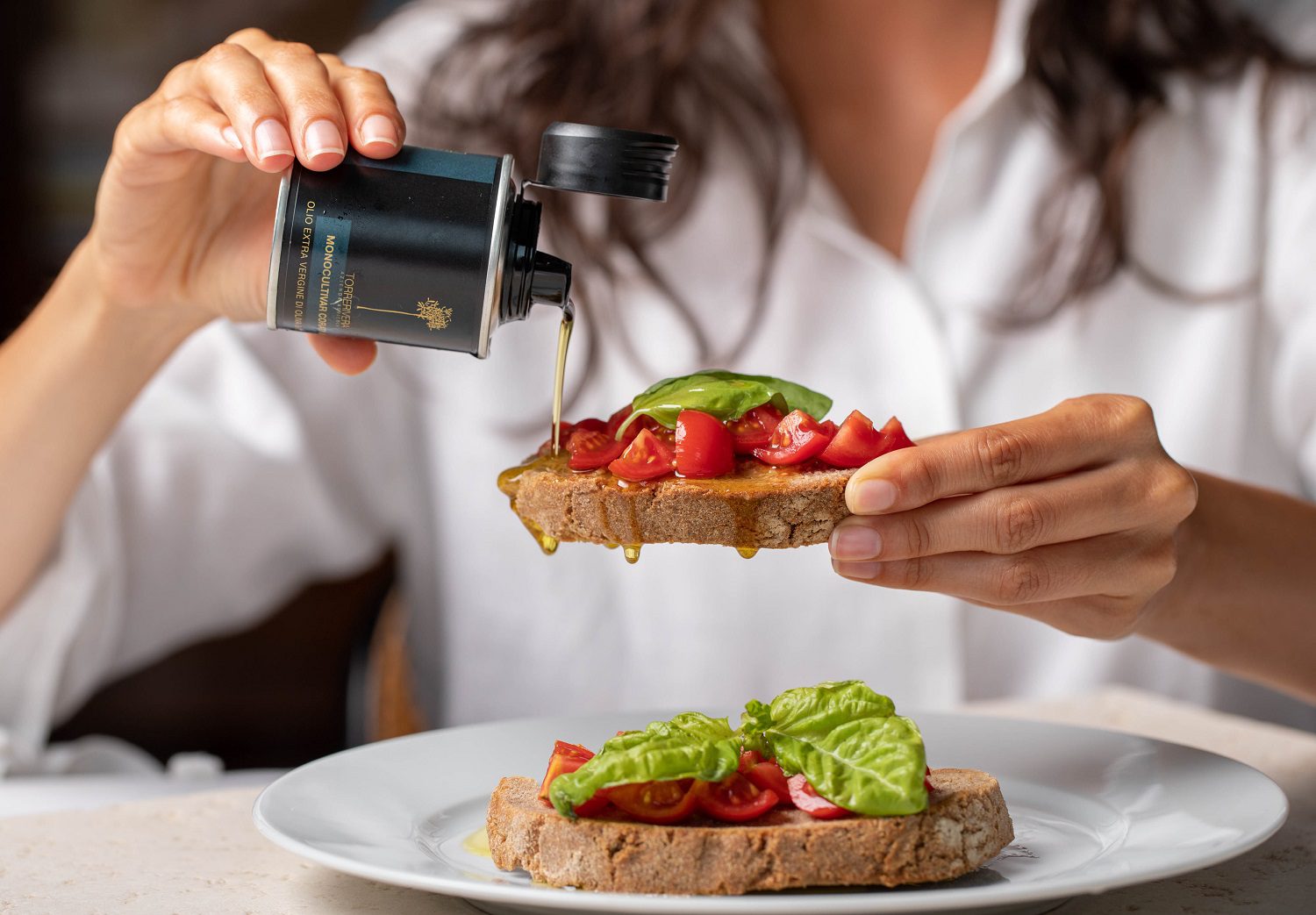
Imperial Puglia reveals Torrerivera, an organic estate in Andria surrounded by centuries-old olive trees. Dedicated to olive oil culture, the masseria produces premium extra-virgin varieties, including Coratina and Nocellara, within a private mill. Guided visits explore Slow Food Presidium groves, accompanied by local wine and artisanal taralli, honouring the historical and agricultural heritage shaped by Frederick II.