Discover 8 versatile summer wines to extend the season. A selection of structured Italian whites and chilled light reds built for September seaside dining.
September brings a subtle shift in light. As days shorten and temperatures soften, life along the coast slows to a gentler pace. Emptying beaches transition from midday heat to lingering oceanside dinners, where a late-afternoon glass naturally turns into an evening at the table.
Wine follows suit. High summer favors crisp, immediate refreshment; late summer makes room for greater structure—bottles equipped to handle richer seafood dishes while keeping the palate nimble.
Eight labels from contrasting terroirs capture the essence of late summer, a time when the coast quiets down and the table remains the ultimate focal point.
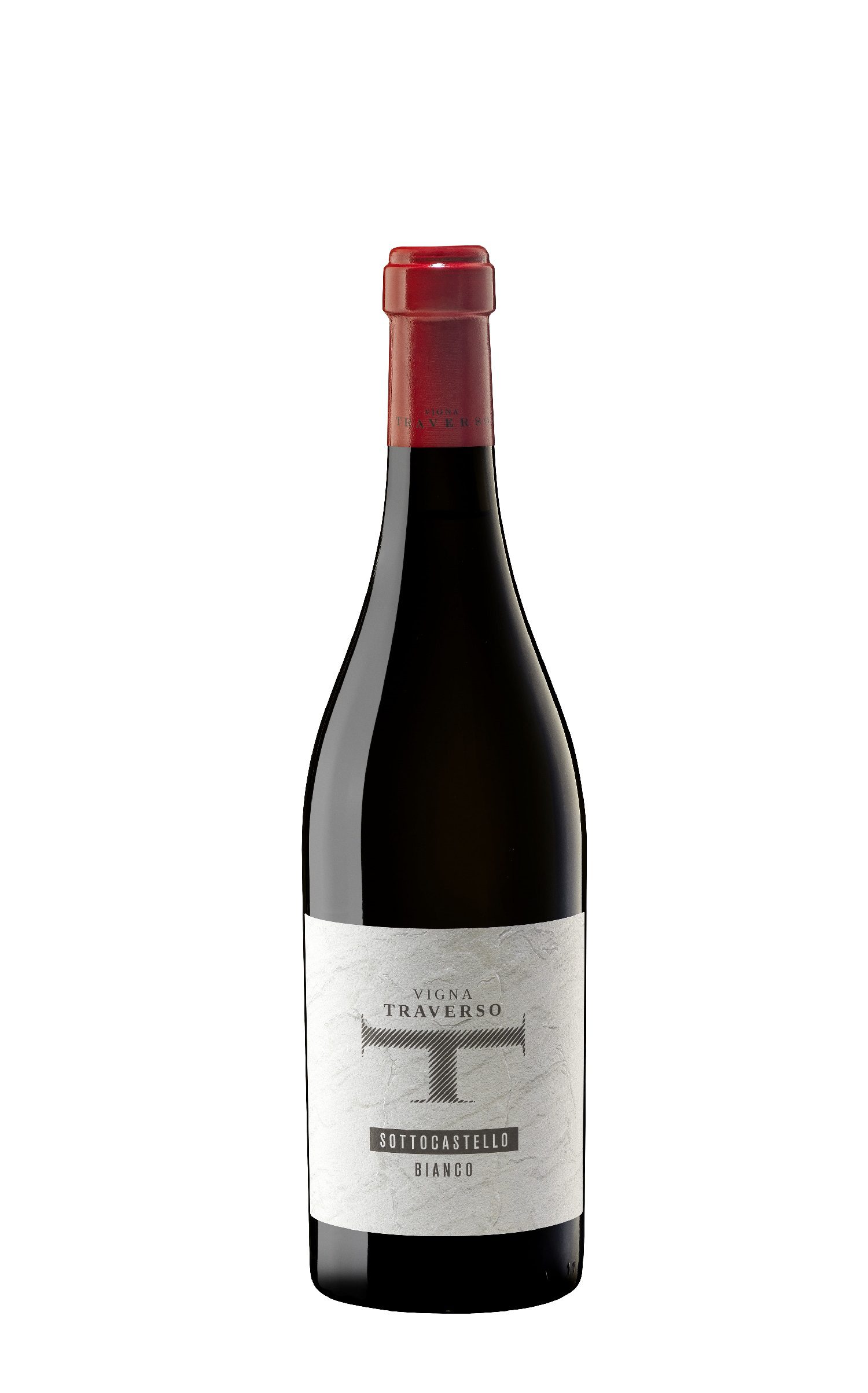
Sottocastello Bianco DOC Friuli Colli Orientali — Vigna Traverso
A blend of Chardonnay (80%) and Sauvignon Blanc (20%) from the Prepotto hills, Sottocastello ferments in French oak barriques following cold maceration, completing a natural malolactic fermentation. Extended aging across bâtonnage, concrete, and bottle builds layered depth while preserving balance. Aromas of white flowers, honey, apricot, and ripe citrus yield to subtle vanilla and dried fruit nuances. On the palate, a rich, crisp, and savory core leads into a long, harmonious finish—seamlessly combining structural weight with fluid elegance.
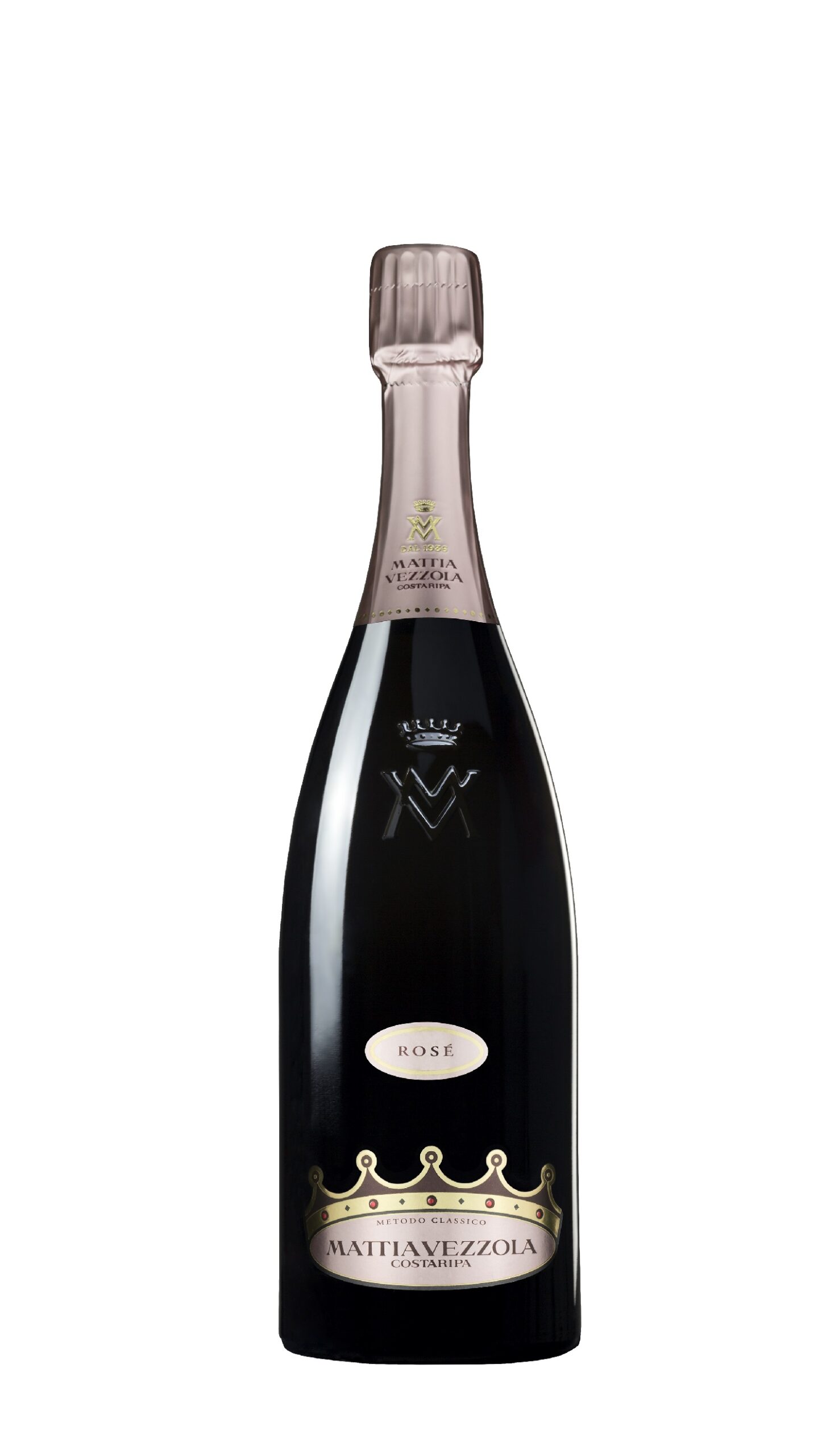
Mattia Vezzola Brut Rosé S.A. — Costaripa
Rosé lies at the core of Mattia Vezzola’s Metodo Classico vision along the shores of Lake Garda. Early-morning picking safeguards pristine acidity in the Chardonnay and Pinot Noir, which undergo partial fermentation in small oak barrels before aging on the lees. Pale, powdery pink in the glass, the nose weaves red currant, raspberry, and citrus zest. Persistent salinity carries the palate from entry to finish, holding its ground against rich dishes that usually call for a still white.
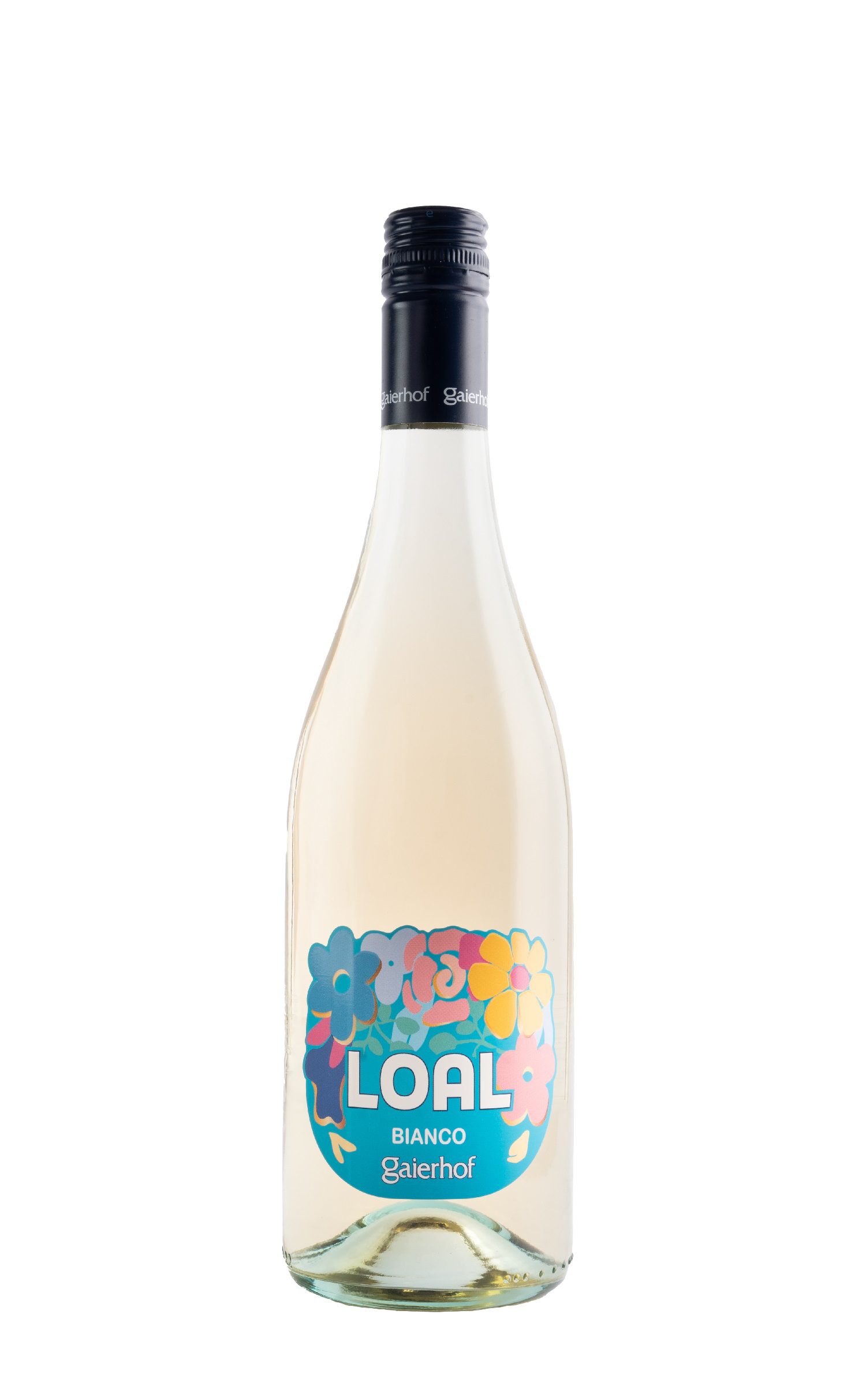
Loal Bianco IGT Vigneti delle Dolomiti — Gaierhof
At just 9% ABV, Loal reflects a deliberate cellar strategy rather than an early harvest. A portion of the must is held at low temperatures to stall fermentation, then blended back into the wine shortly before bottling. Chardonnay and Pinot Blanc yield a nimble, light-bodied white with aromas of fresh apple and white blossoms, balanced by subtle residual sugar and persistent acidity. Achieving such low alcohol remains rare in the region, marking one of the wine’s most distinctive traits.
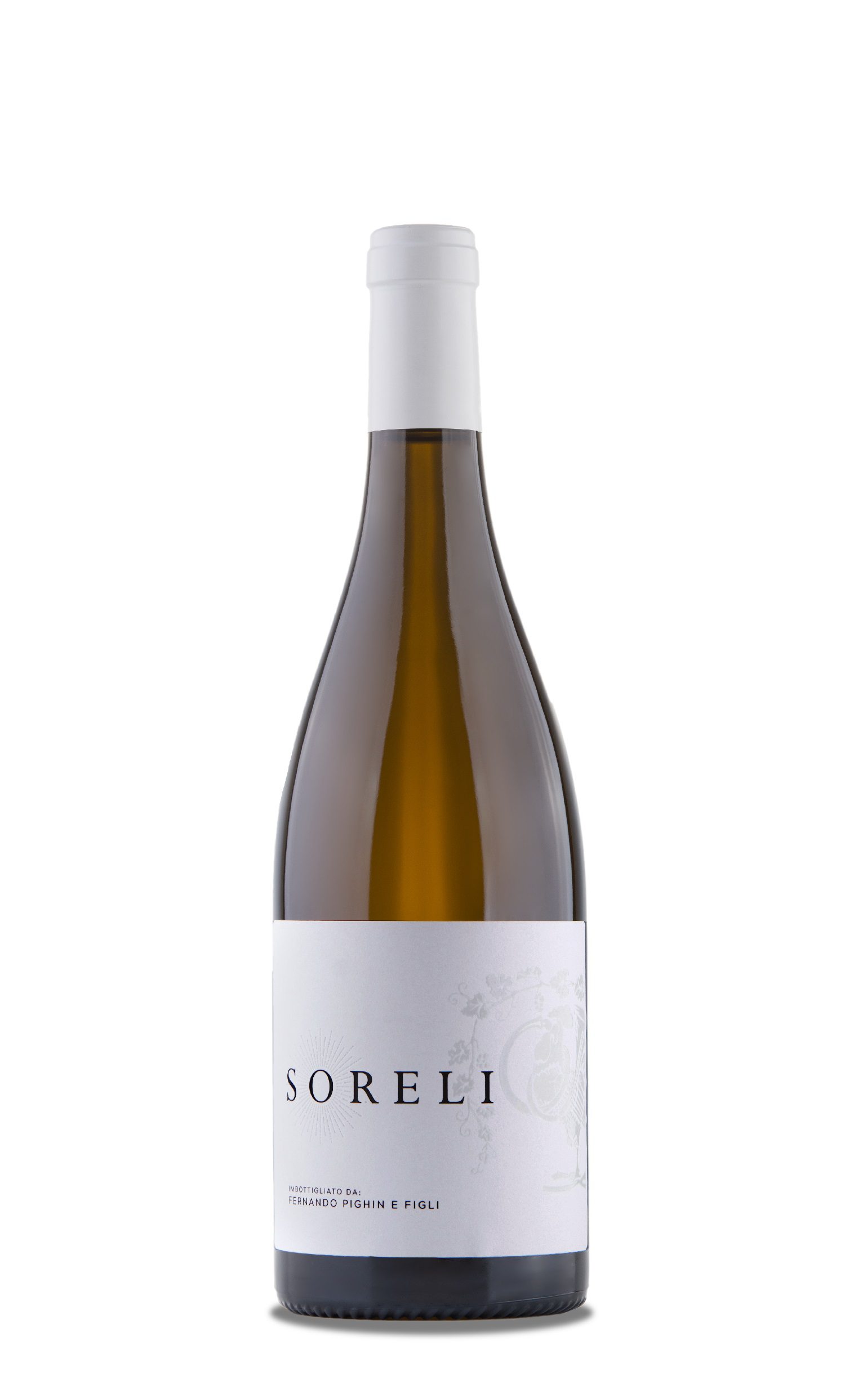
Soreli Bianco Collio DOC — Pighin
In the Collio, Ponca—a unique mix of marl and sandstone—defines the appellation’s identity. A blend of Friulano, Ribolla Gialla, and Malvasia grown on these friable soils undergoes partial fermentation in Slavonian oak tonneaux and barriques, gaining dimension while keeping varietal character intact. Notes of apricot, peach, and white flowers open into a rich yet fluid palate anchored by steady salinity. Oak integrates seamlessly into the texture rather than the aromatics, keeping the terroir front and center.
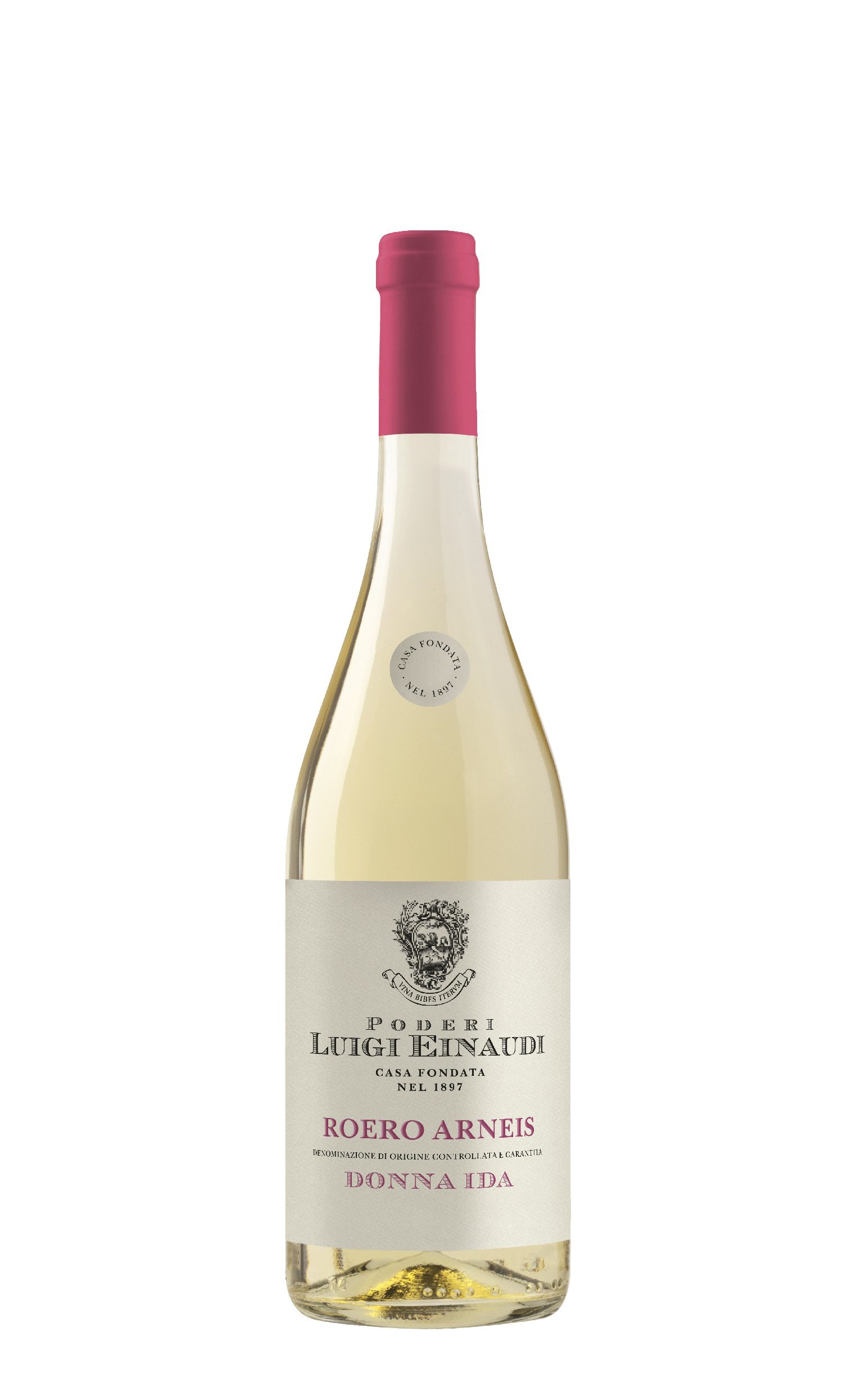
Roero Arneis DOCG Donna Ida — Poderi Luigi Einaudi
Just across the Tanaro river from the Langhe, the Roero’s sandy, sandstone soils yield a leaner, brighter expression of white wine. Grown in Canale and Monteu Roero from vines dating back to 1988, Donna Ida is vinified strictly in stainless steel with extended lees contact. Notes of fresh grass, citrus, and white orchard fruit open into a taut, linear palate with a long, weightless finish—an essential, unadorned take on Arneis.
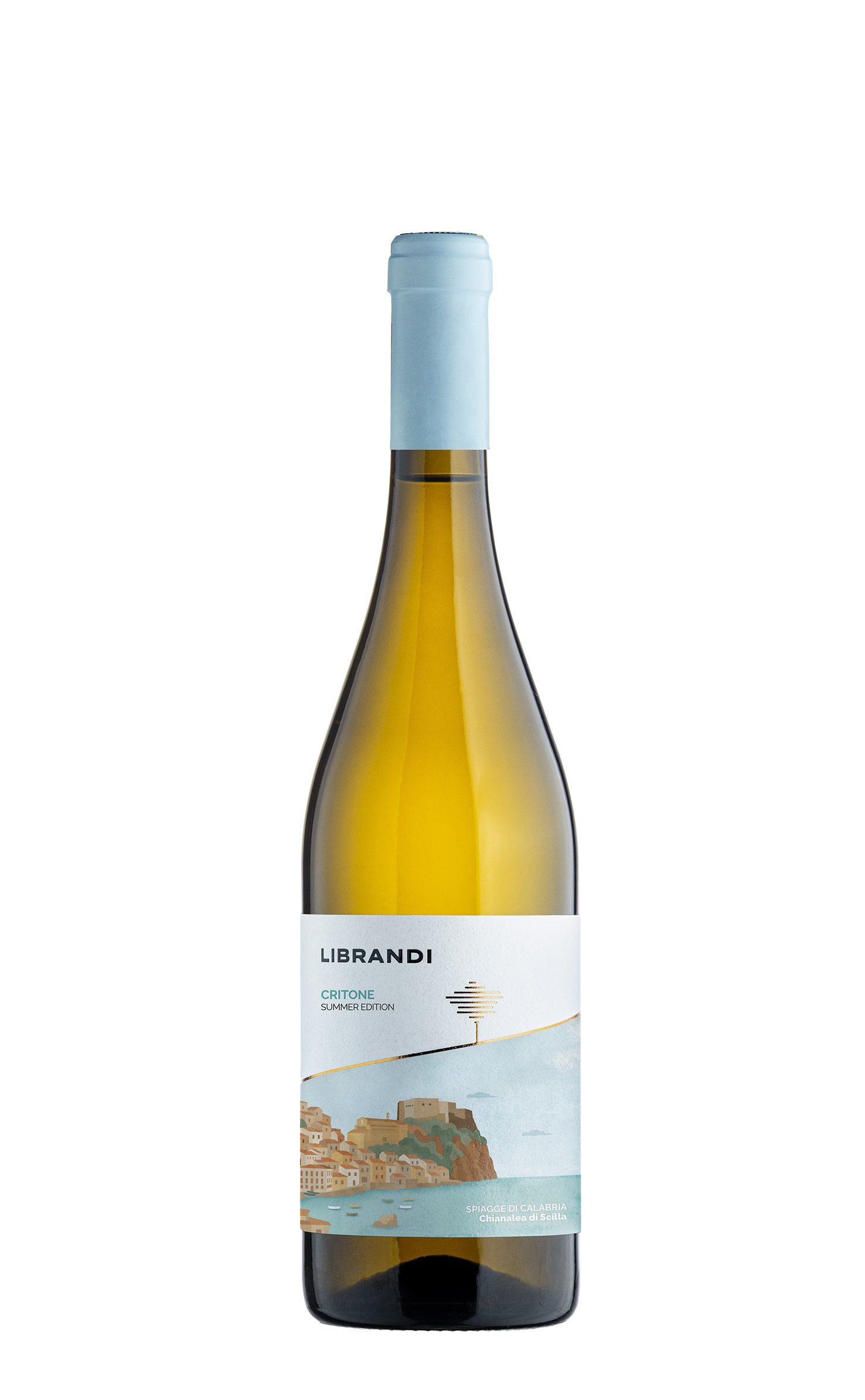
Critone Calabria Bianco IGT — Librandi
Critone reshaped the narrative around Calabrian whites. Chardonnay and Sauvignon Blanc strike a fine balance between ripeness and acidity on the Sibari Plain, shaped by coastal breezes and clay-limestone soils. Vinification in stainless steel combined with a screwcap closure reflects a precise technical choice, prioritizing fresh fruit integrity and aromatic longevity. Bright citrus, tropical fruit, and a subtle herbal touch build an approachable, savory profile that values poise over raw power.
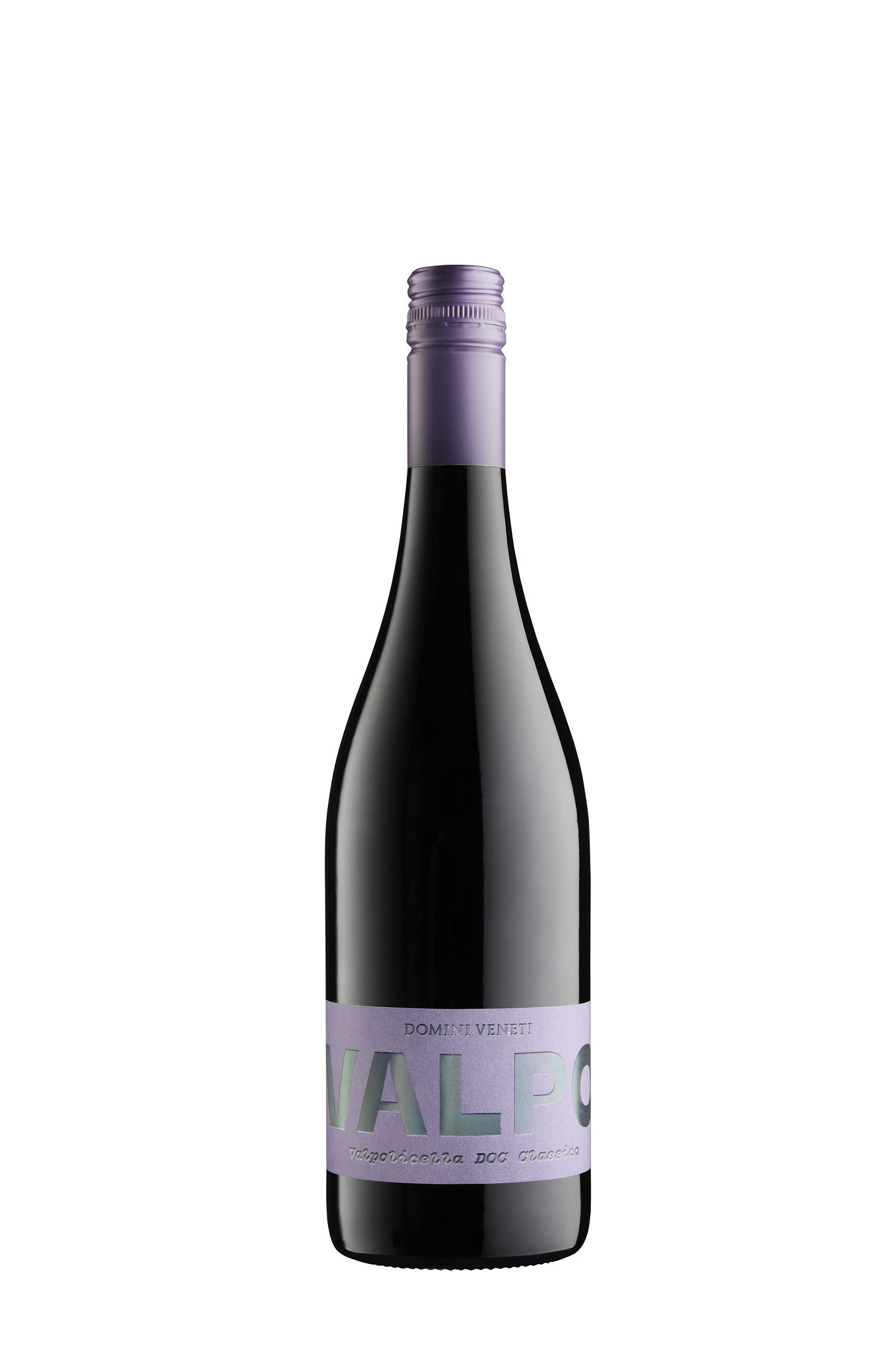
Valpolicella DOC Classico “Call Me Valpo” — Domini Veneti
Call Me Valpo brings a fresh, contemporary approach to Valpolicella Classica, built for brightness, perfume, and easy drinking. Crafted from traditional Corvina, Corvinone, and Rondinella, a brief five-day maceration favors pure fruit over extraction. Morello cherry, wild raspberry, and red berries frame a crisp, linear palate—a clear departure from the region’s heavier styles. Served chilled at 10–12°C (50–54°F), the fruit opens up cleanly, pairing seamlessly with summer dining, cured meats, light pasta, and pizza.
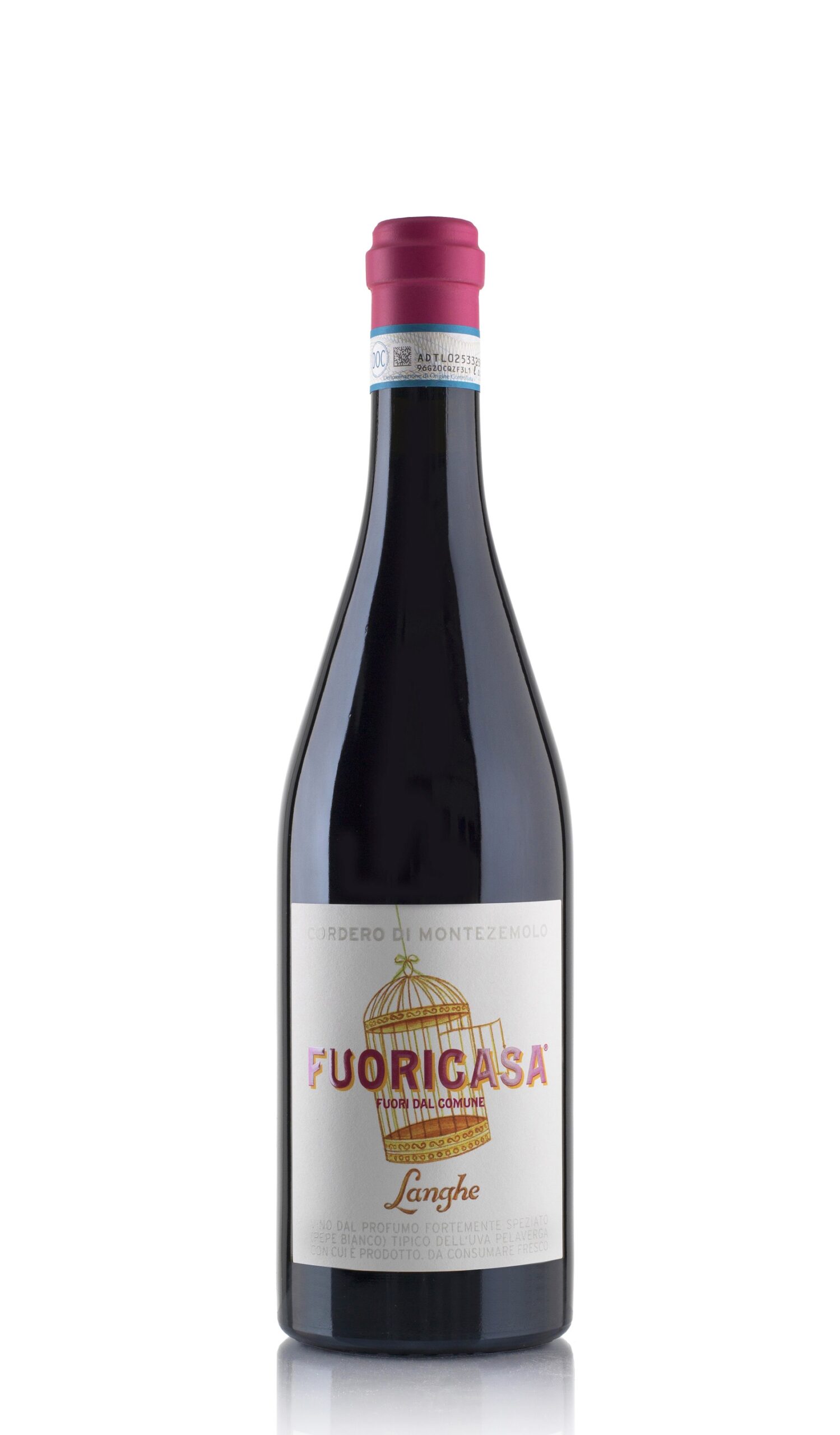
Fuoricasa — Cordero di Montezemolo
The name says it all. Pelaverga is Verduno’s flagship grape, yet these vines sit just across the border in Cherasco—a tiny shift in geography that leaves the wine outside the DOC denomination. Partial whole-cluster fermentation and concrete aging put varietal character front and center: white pepper, juniper, crushed red berries, and cracked spice. Served chilled at 10–12°C (50–54°F), this light red delivers crisp focus, tension, and a lively, linear drive.