Turning historic Barolo and Nizza DOCG parcels into living spaces of contemporary art and hospitality. Celebrating seven decades in 2026, Michele Chiarlo traces the evolution of Piedmont single-vineyard wines through the soul of its iconic crus.
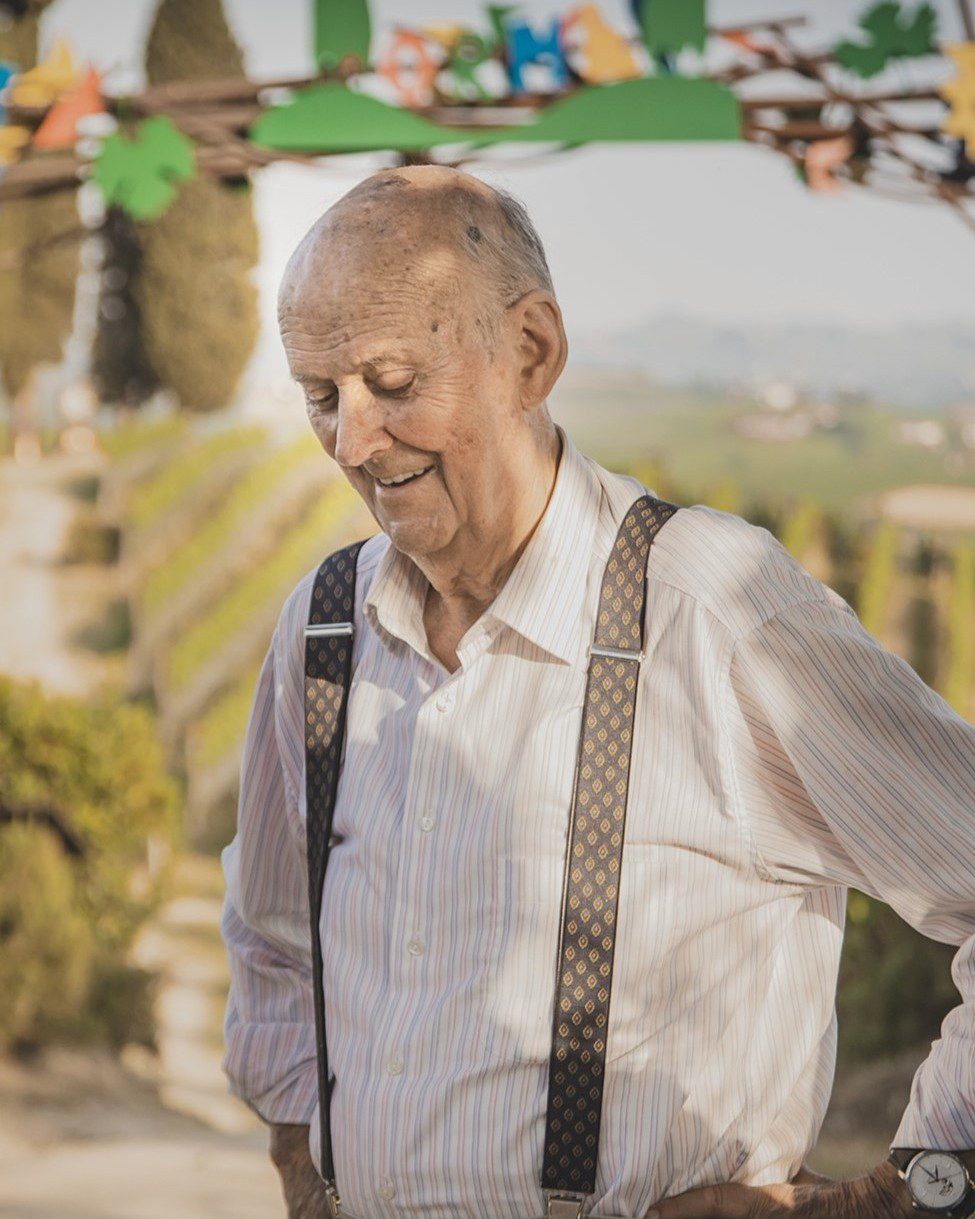
Barely twenty-three when he founded the winery still bearing his name in 1956, Michele Chiarlo set in motion a story closely mirroring a vital chapter in the evolution of Piedmontese wine: a trajectory leading from a deeply agrarian postwar Italy to the global affirmation of the Langhe and Monferrato as cultural benchmarks for Piedmont single-vineyard wines.
Across seven decades, methods of cultivating the vine, interpreting individual vineyards, narrating wine, and living the territory have changed profoundly. From elevating Barbera d’Asti and pioneering the culture of the cru, to opening international markets and uniting wine, contemporary art, landscape, and hospitality, Michele Chiarlo has navigated every transformation anchored by one conviction: a great wine begins first and foremost with the ability to recognize, interpret, and safeguard a sense of place.
From Everyday Barbera d’Asti to a Quest for Identity
When Michele Chiarlo began his activity, Barbera d’Asti remained largely associated with everyday drinking and the traditional Piedmontese table. Michele chose instead to invest in the qualitative potential of the appellation, convinced the wine could express depth, elegance, and ageworthiness without surrendering its native identity.
Between the 1960s and 1970s, early experiments in the vineyard and cellar took shape alongside a growing focus on grape provenance. In 1978, the first selections of Barolo, Barbaresco, and Barbera d’Asti were born, while during the 1980s the estate introduced viticultural practices still rare at the time—such as targeted cluster thinning—prioritizing quality over yield.
Simultaneously, Michele Chiarlo contributed to the rise of Barbera d’Asti on international markets, standing among the very first producers to bring the wine to North America and Asia, working to affirm its identity as a pedigreed appellation of origin rather than a mere varietal expression.
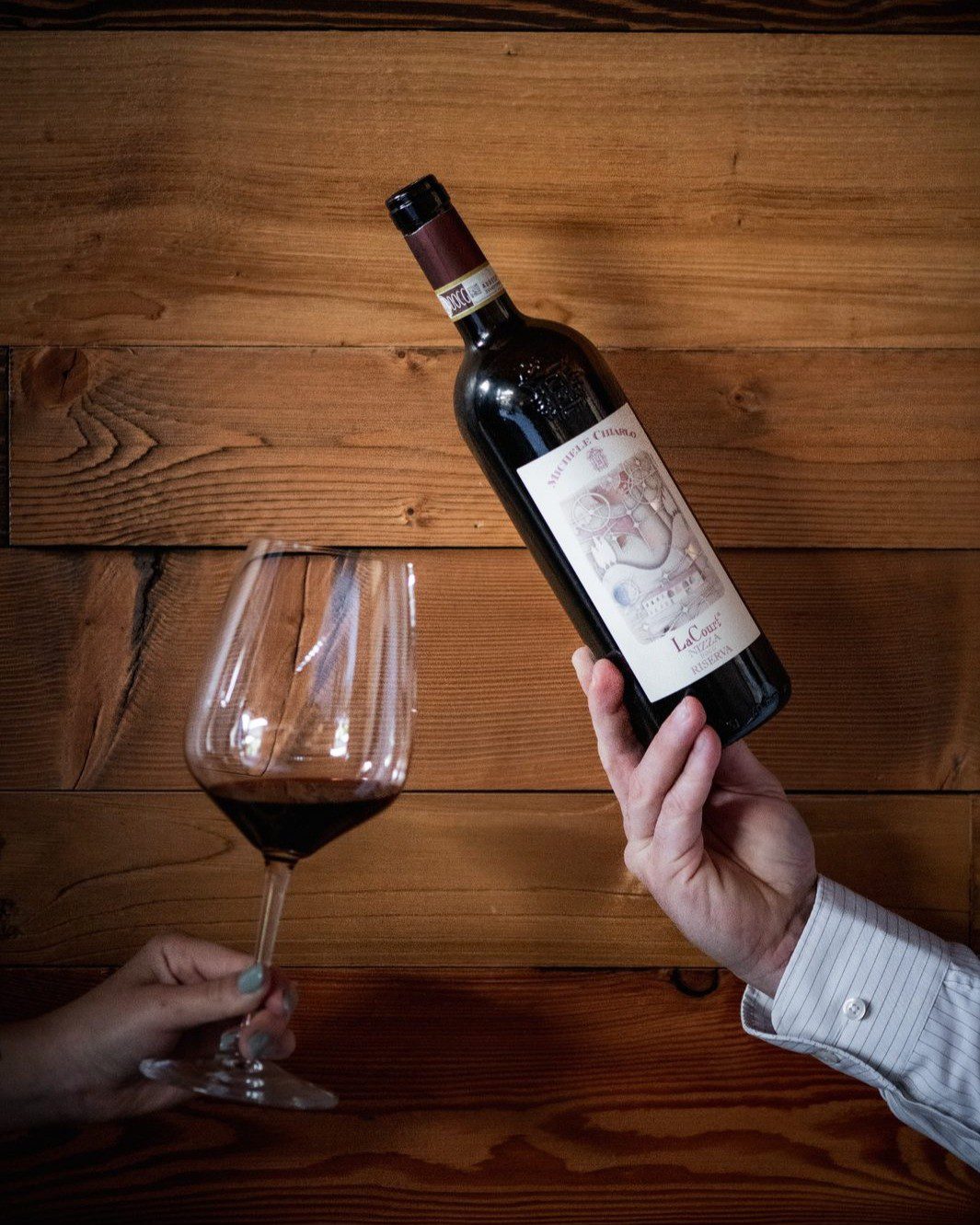
Throughout the 1980s and 1990s, the creation of Barbera d’Asti single-vineyard crus marked a further step in the same direction—a path eventually converging into the birth of the Nizza DOCG, with Michele Chiarlo acting as one of its founding architects alongside a small circle of visionary producers who helped draft the appellation’s production rules.
Cerequio, Cannubi, La Court: The Centrality of the Vineyard
A close relationship with individual vineyards progressively became one of the defining hallmarks of the winery’s history. Entering the historic Barolo cru of Cerequio in 1988, and adding the iconic slopes of Cannubi the following year, marked two milestones reinforcing a vision founded on a clear belief: the character of a great wine is inseparable from the vineyard where it is born.
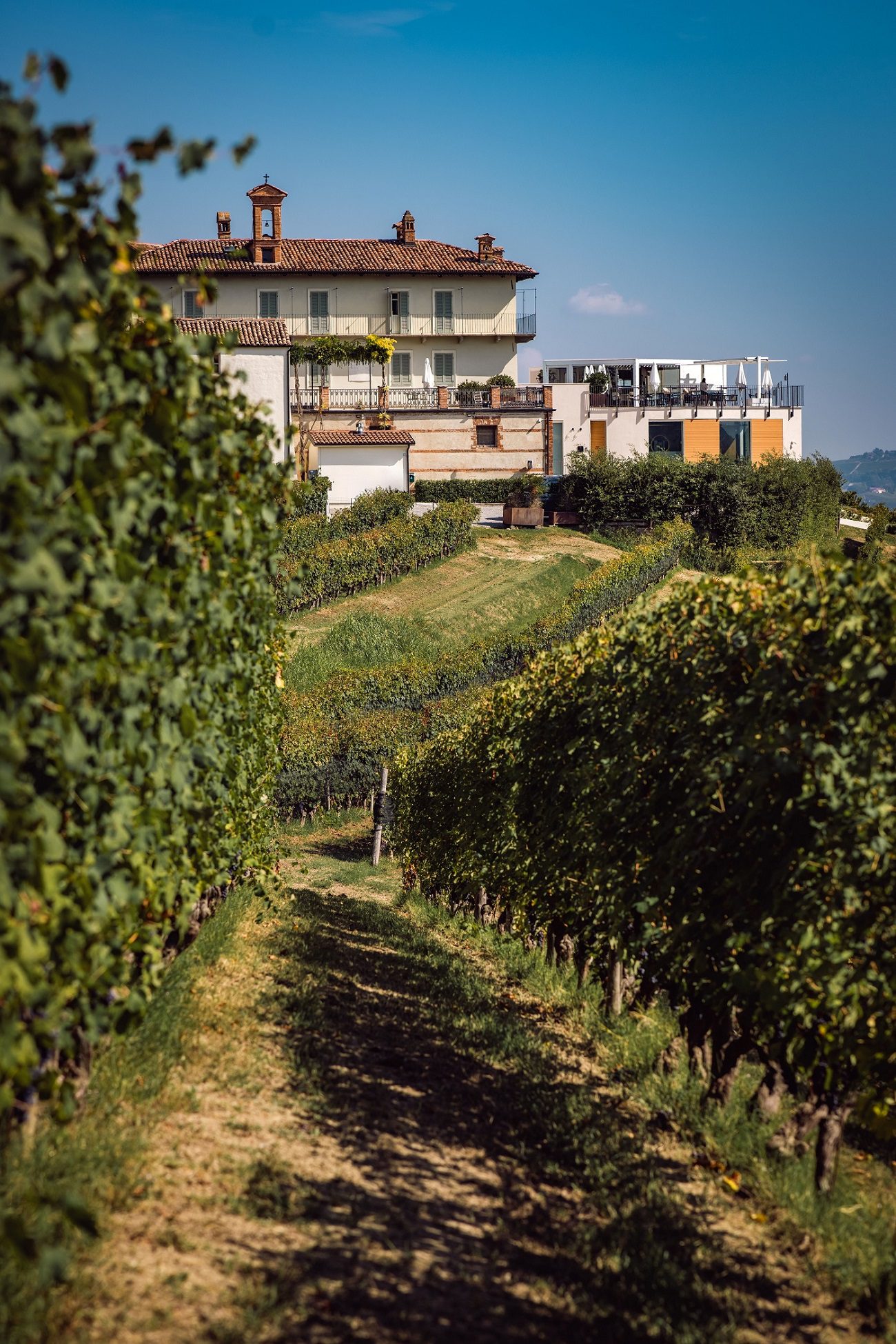
In 1995, the project extended into the Monferrato with the acquisition of Tenuta La Court, right in the territory destined to become Nizza DOCG. Here, Barbera d’Asti found a new space for research and expression, giving continuity to the work on the appellation and on the elevation of single origins initiated in previous decades.
Over time, Cerequio, Cannubi, Asili, Faset, La Court, and Rovereto have composed a geography of vineyards cutting across the premier viticultural areas of Piedmont, articulating an ever-greater focus on the identity of individual sites.
When Wine Engages Art and Landscape
With the new millennium, the bond with the territory expanded beyond the purely productive dimension: the vineyard also became a cultural space to discover, walk through, and experience. Founded in 2003, Art Park La Court brought art among the vines, transforming the Castelnuovo Calcea estate into a place of dialogue between agriculture, landscape, and contemporary visual languages.
In 2011 came Palás Cerequio, a relais dedicated to Barolo and immersed directly within the homonymous cru. Hospitality thus became an additional medium for narrating the bond between Piedmont single-vineyard wines, landscape, and people.
October 2024 saw the inauguration of the Cannubi Path, an artistic trail designed by Ugo Nespolo and created to give form to a personal wish of Michele Chiarlo: giving back to the Cannubi hill a space capable of welcoming visitors and sparking a new dialogue between art and the vineyard.
In 2026, marking the seventieth anniversary, the winery returns to Cerequio with Cerequio30, a project dedicated to thirty vintages of Barolo Cerequio: a reading of the wine’s evolution over time, placing the relationship between winery and cru back at the very center once again.
Different projects, united by the same idea: wine is part of a broader cultural system made of landscape, memory, art, warm hospitality, and community.
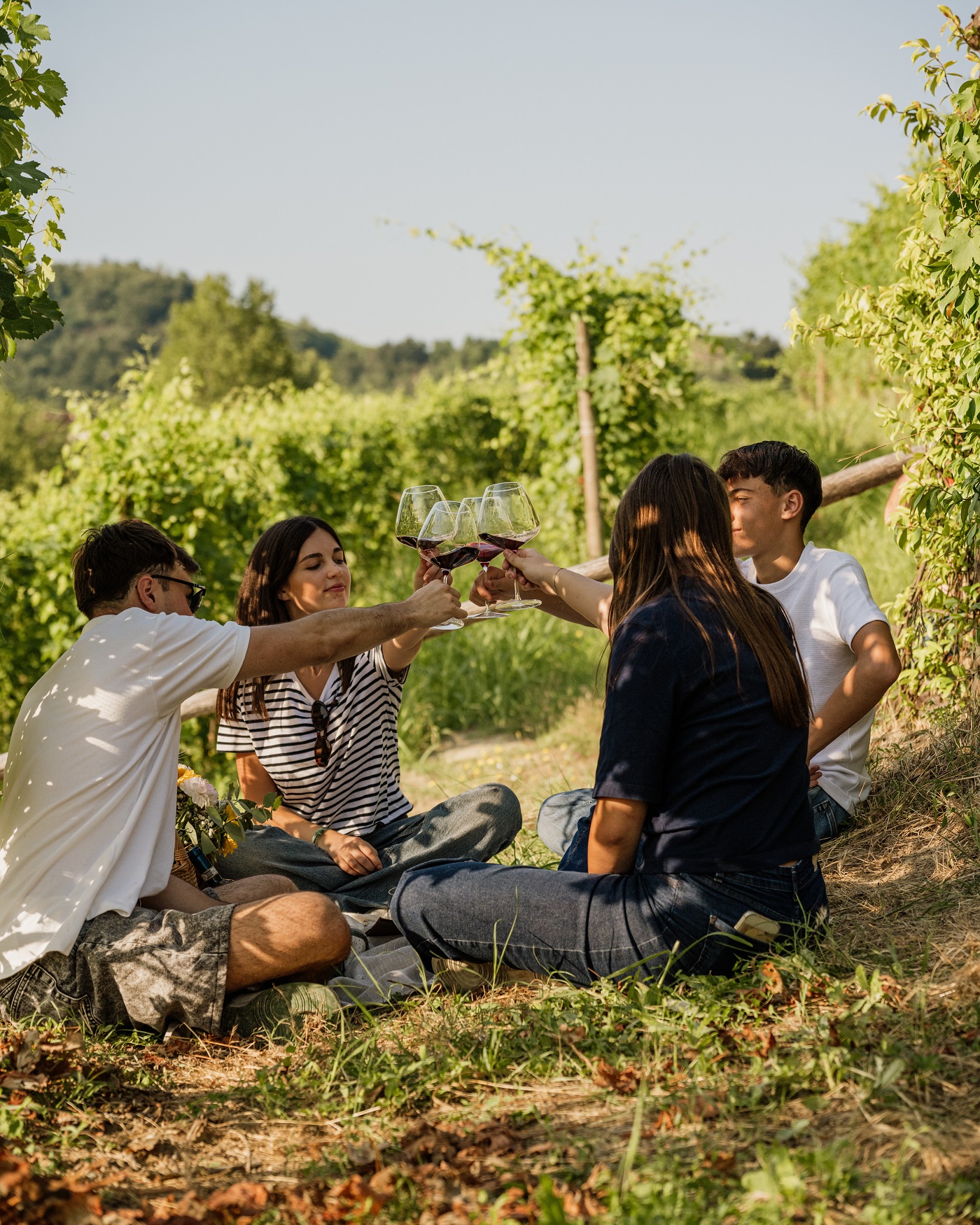
Seventy Years of Relationships, Looking Toward the Next Generation
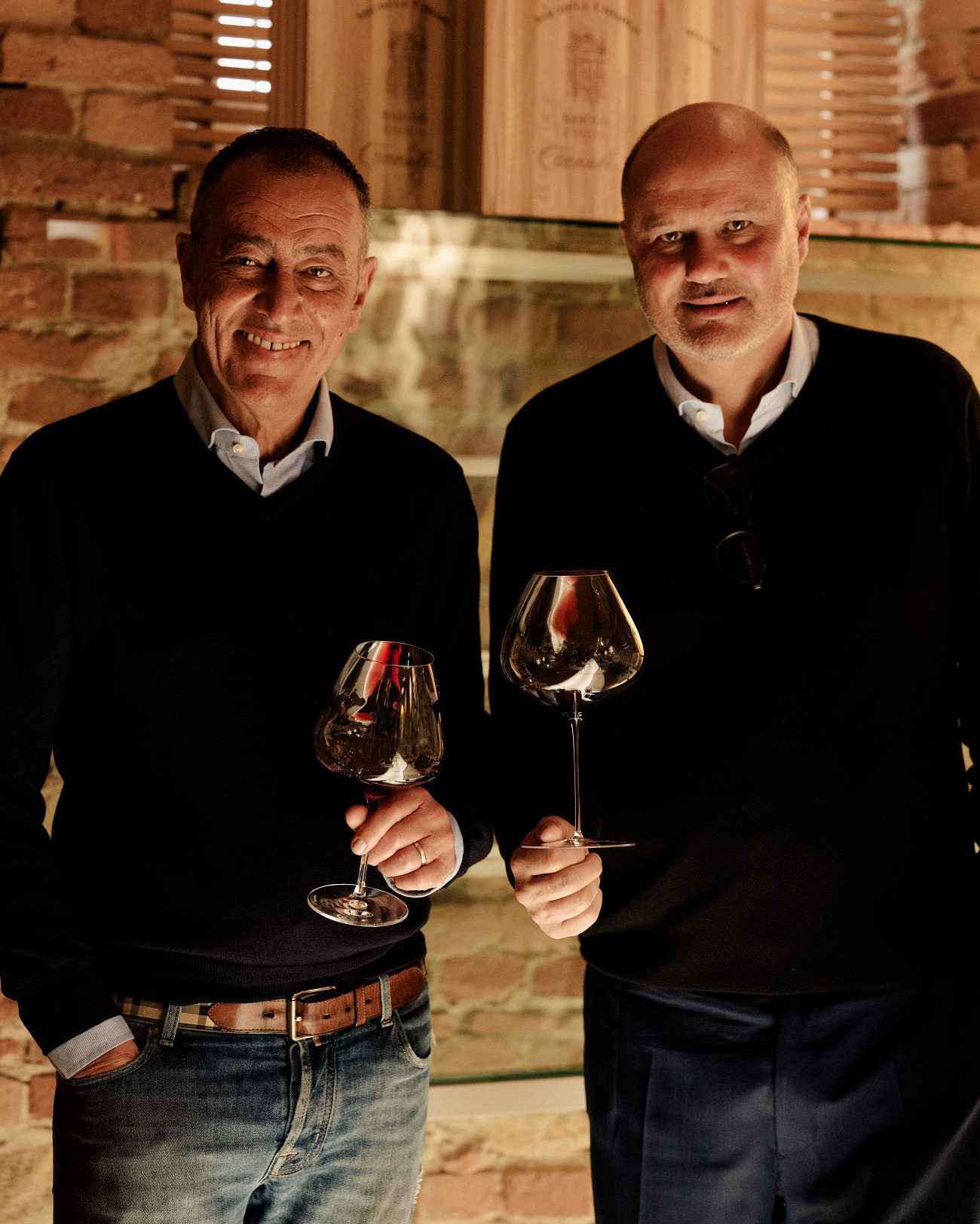
Today, Stefano and Alberto Chiarlo carry forward the project initiated by their father, bringing complementary skills and sensibilities.
Across seven decades, the growth of the winery has also been built through relationships consolidated over time: with importers and distributors across different markets—who have often become long-term partners—and with the collaborators and staff who have accompanied the evolution of Michele Chiarlo, helping to build its expertise, memory, and shared culture.
“Seventy years represent an important milestone, yet above all the confirmation of a path built over time and an ever-deeper relationship with our vineyards,” comments Stefano Chiarlo. “Our father’s vision started from the conviction that Piedmont possessed territories and varieties capable of expressing Piedmont single-vineyard wines of great identity. Our task is to continue interpreting them with respect, facing the new challenges of viticulture without losing what makes these places unique.”
“The story of Michele Chiarlo has always been tied to the places where our wines are born, alongside the determination to bring them to the world,” adds Alberto Chiarlo. “We have accompanied the international growth of Piedmont by building solid, lasting relationships with importers and distributors while, at the same time, opening up to new forms of storytelling through art, hospitality, and landscape. We believe the future lies in the ability to continue narrating the territory without losing authenticity.”
While Stefano and Alberto guide the winery today, a new generation of the Chiarlo family—Pietro, Bianca, Matteo, and Michela—is beginning to step closer to the business. Their children are completing their respective studies and gaining initial professional experience, including within the wine sector.
Seventy years on from its founding, family continuity thus becomes one of the themes through which Michele Chiarlo looks to the future: new skills and fresh sensibilities now flank a project that continues to find its compass in the vineyards and territories of Piedmont. The objective from which everything began remains unchanged: to interpret Piedmont through its vineyards and pass its value on to whoever takes up the baton next.