Aged for a minimum of 600 days from hind legs selected under strict criteria, “Seicento” is the new Prosciutto di San Daniele category dedicated to protracted maturation.
Published in the Official Gazette on October 10, 2026 (issue no. 236), an ordinary amendment to the Prosciutto di San Daniele PDO specification introduces two structural changes: certified extended curing, and a lighter weight class tailored for hospitality and international markets.
Pioneering formal certification for protracted maturation among Italian PDO cured meat bodies, the San Daniele Consortium ties prolonged aging to strict raw-material and processing parameters, elevating the denomination’s qualitative standing rather than leaving maturation claims to commercial discretion.
The “Seicento” Classification: Parameters for Extended Curing
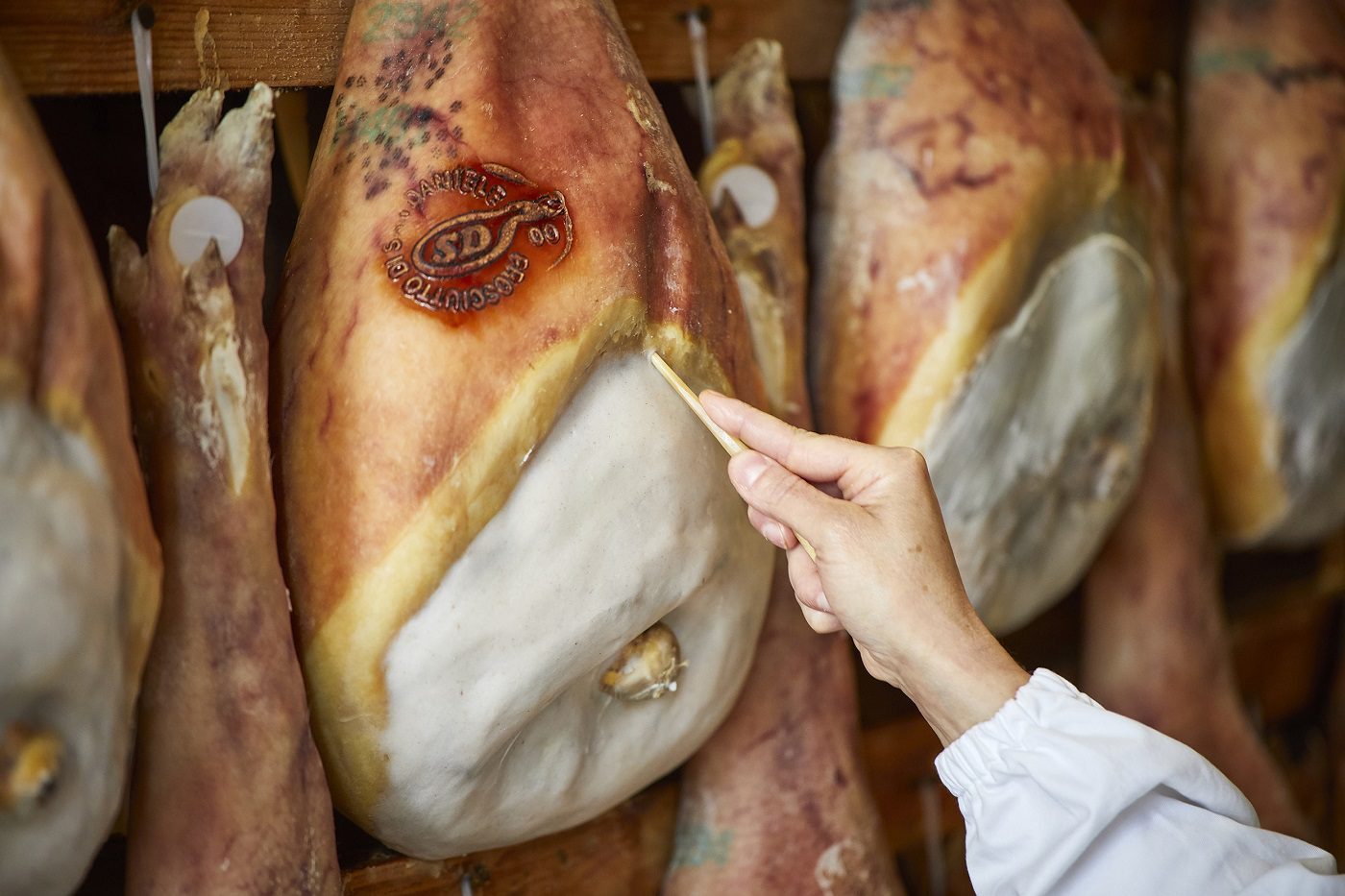
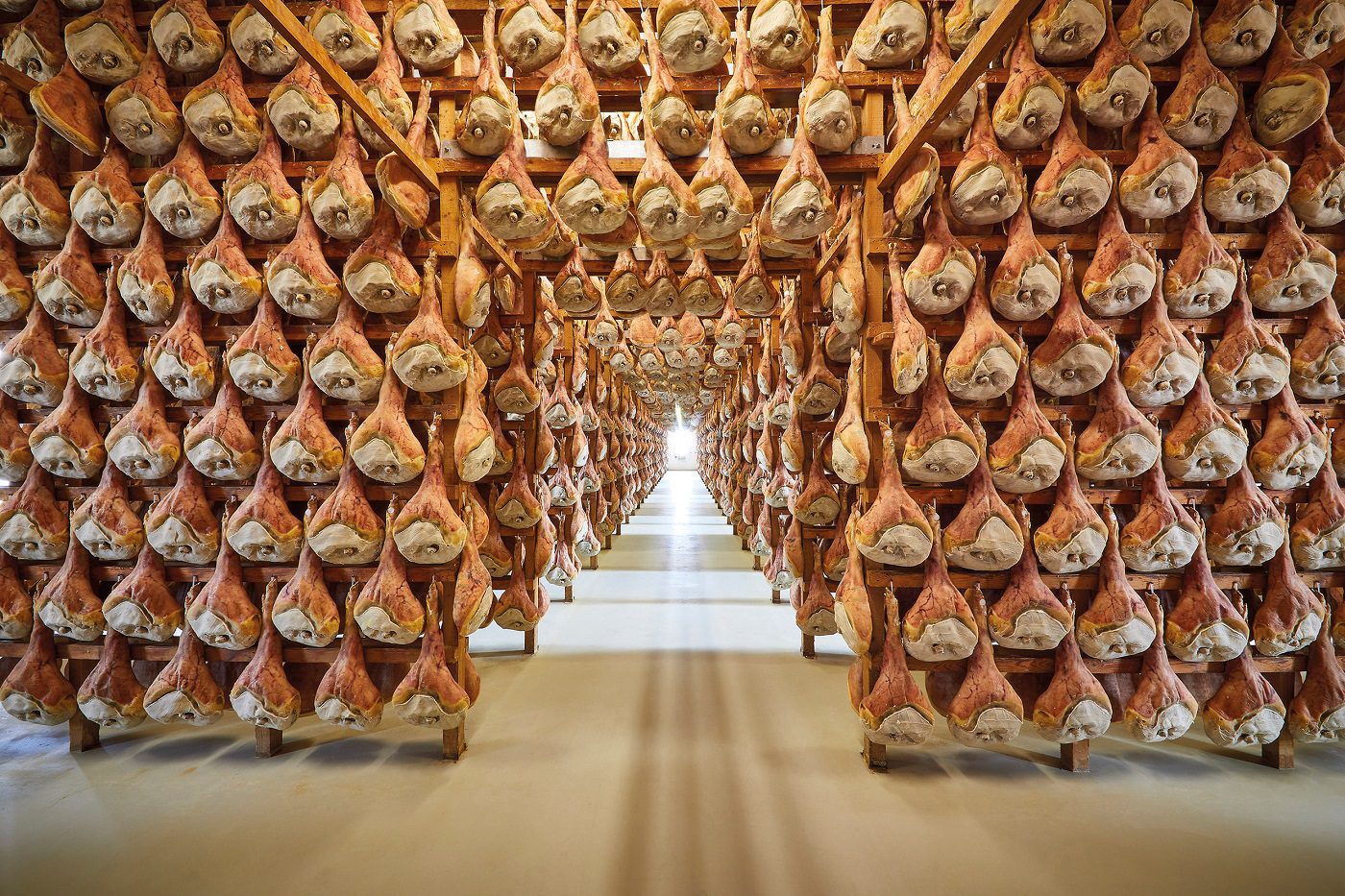
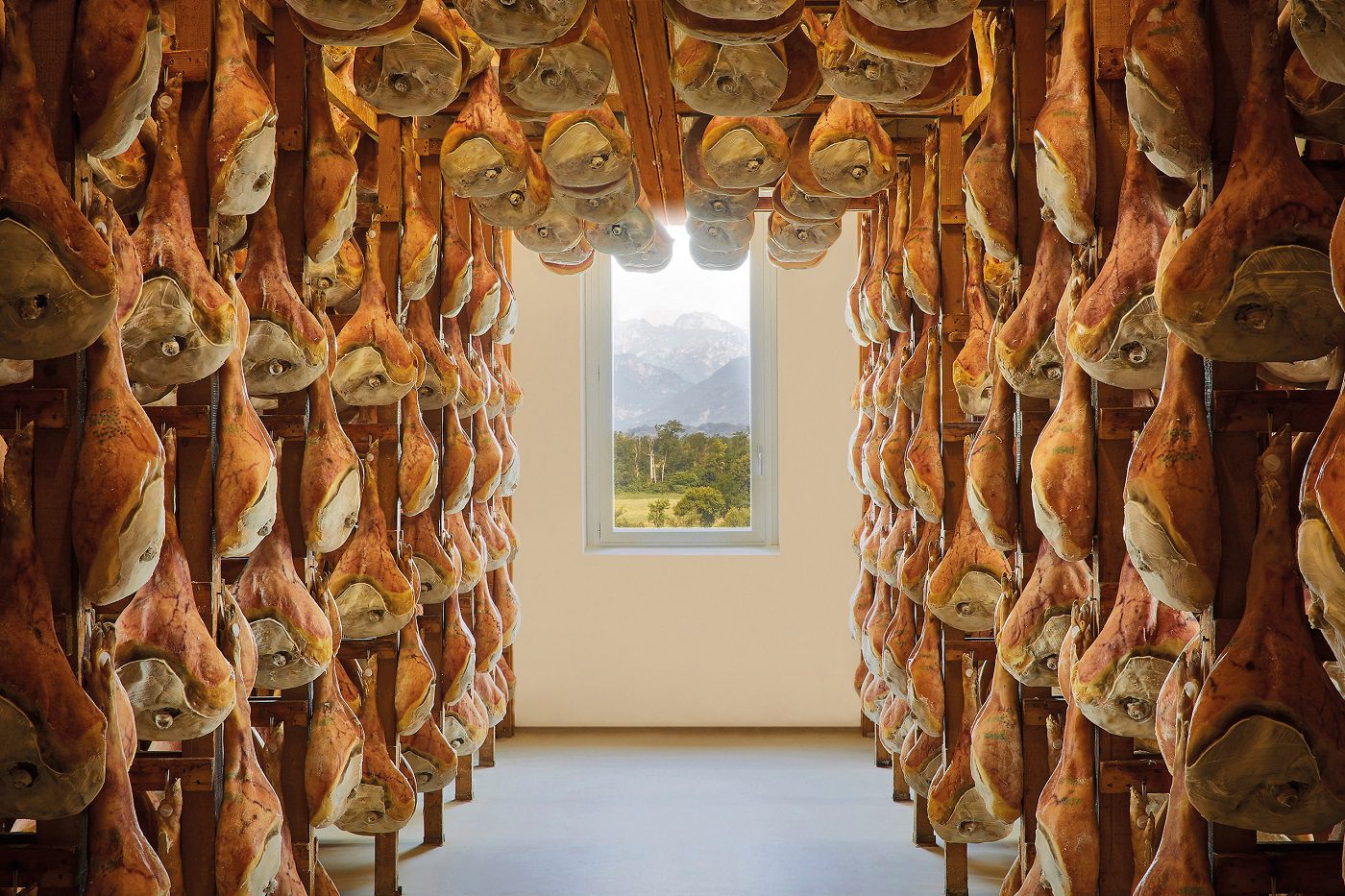
Reserved for heavyweight cuts meeting exact physical thresholds, the Seicento classification requires fresh hind legs weighing between 16 and 18 kg, topped with a thicker, 30 mm fat cap. Tagged from the very start of processing, these larger legs undergo a minimum curing period of 600 days—roughly 20 months—spent entirely within curing houses inside the designated production zone.
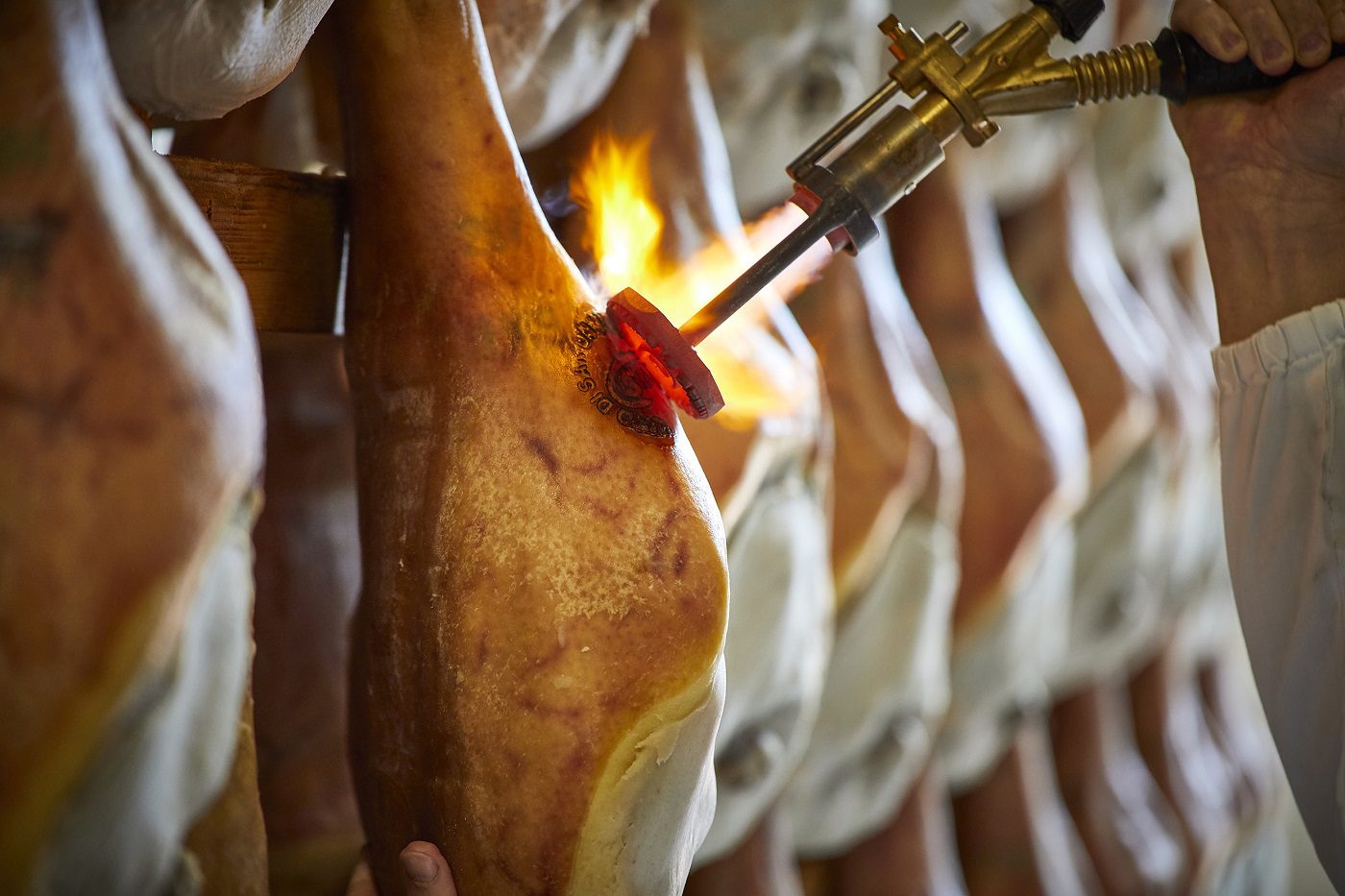
Beyond the standard PDO fire-brand applied at day 400, a second certification mark identifies Seicento hams at the twentieth month, following inspection by the independent certifying body. Mandatory on the label is the exact curing duration achieved, stated in months.
Lighter Weights for Foodservice and Export
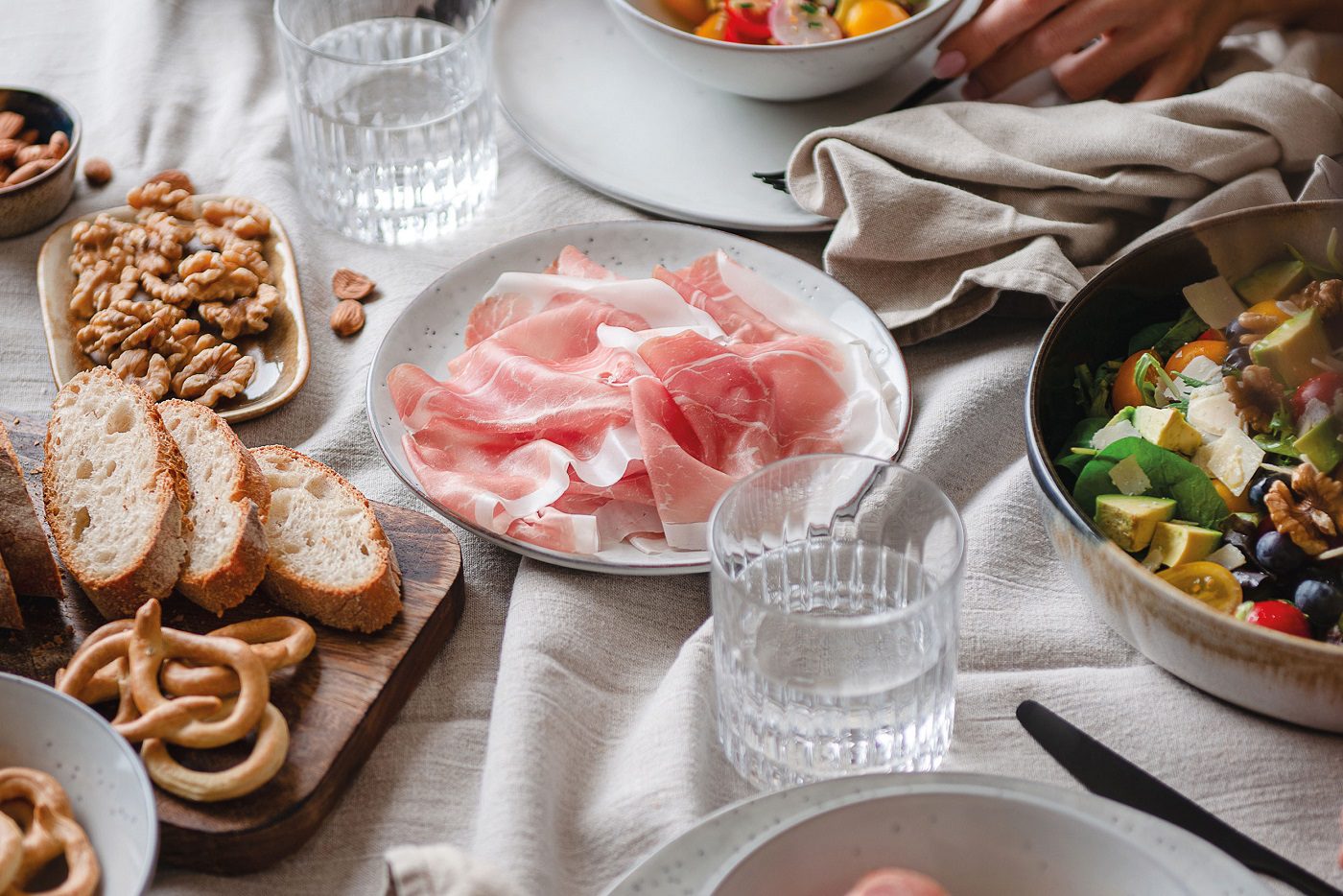
At the opposite end of the scale sits a new specification for smaller cuts, lowering the minimum fresh-leg weight from 12.5 kg to 11.8 kg. Hams produced from legs weighing up to 13 kg reach the market exclusively boneless, portioned, or pre-sliced. Driving the adjustment is hospitality and export demand for compact formats of San Daniele prosciutto, ensuring ease of slicing, practical handling, and greater commercial versatility.
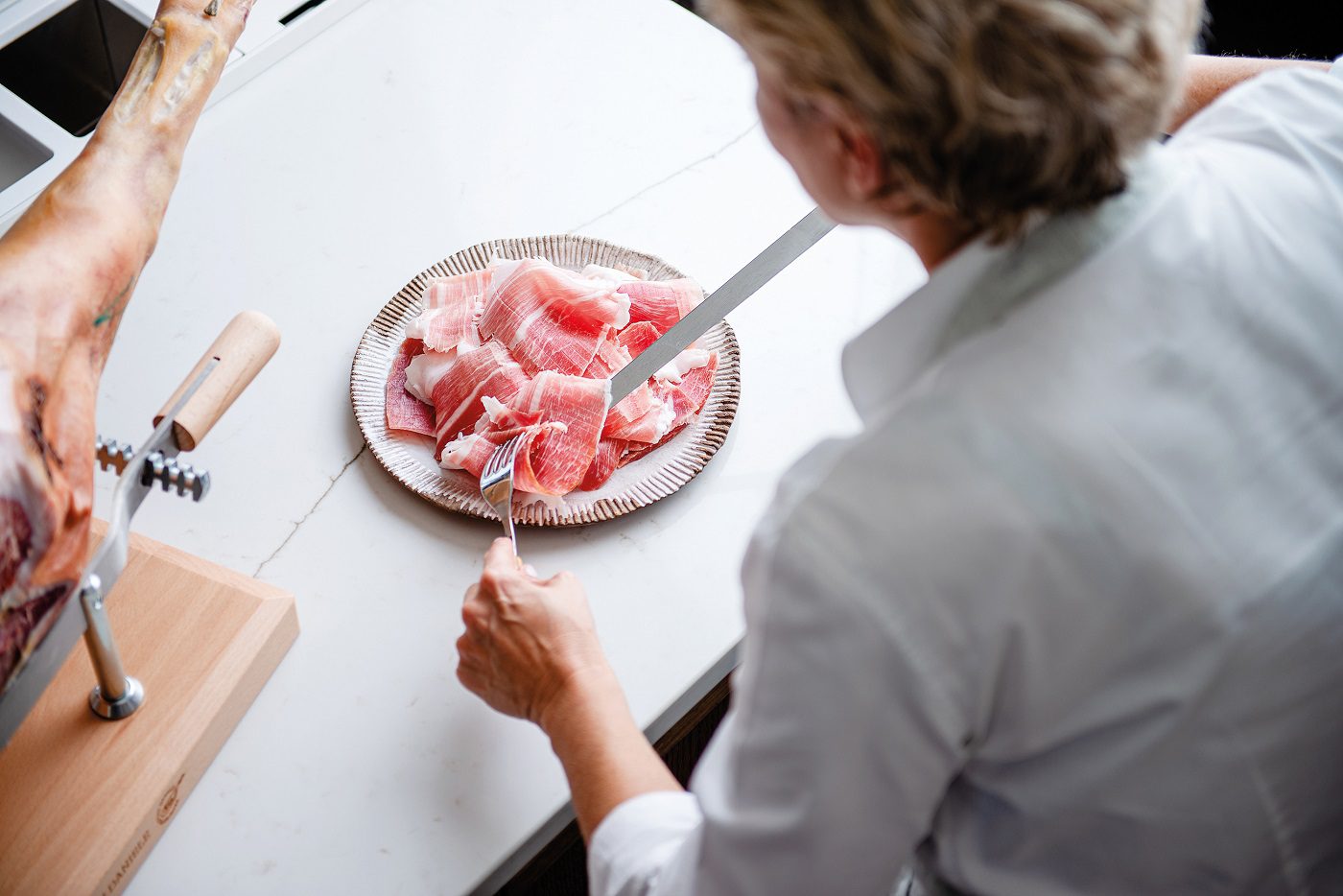
“With the new rules, San Daniele takes a decisive step: on one hand opening new market prospects through smaller cuts, on the other regulating and certifying extended curing,” states Consortium President Nicola Martelli. “Producers gain greater flexibility in sourcing raw materials, always within strict parameters. At the same time, the rules link the value of aging directly to the physical traits of the leg, stating verified curing times transparently to protect both consumers and the reputation of the Friulian ham. Planned from the outset around the traits of the raw cut, ‘Seicento’ represents an extended maturation guaranteed by the specification.”
Untouched by the reform remain the core tenets of the finished San Daniele prosciutto: production confined strictly to the municipality of San Daniele del Friuli, the exclusive use of Italian-born and raised pigs, specific breed and feed requirements, traditional curing phases, and an unbroken link to the place of origin.