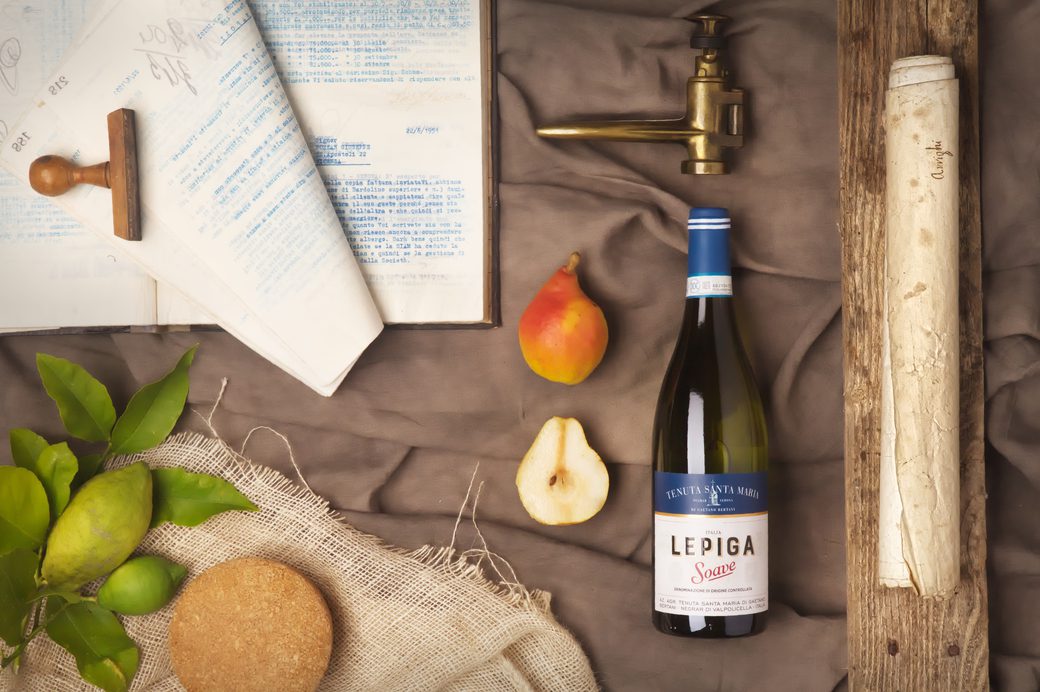
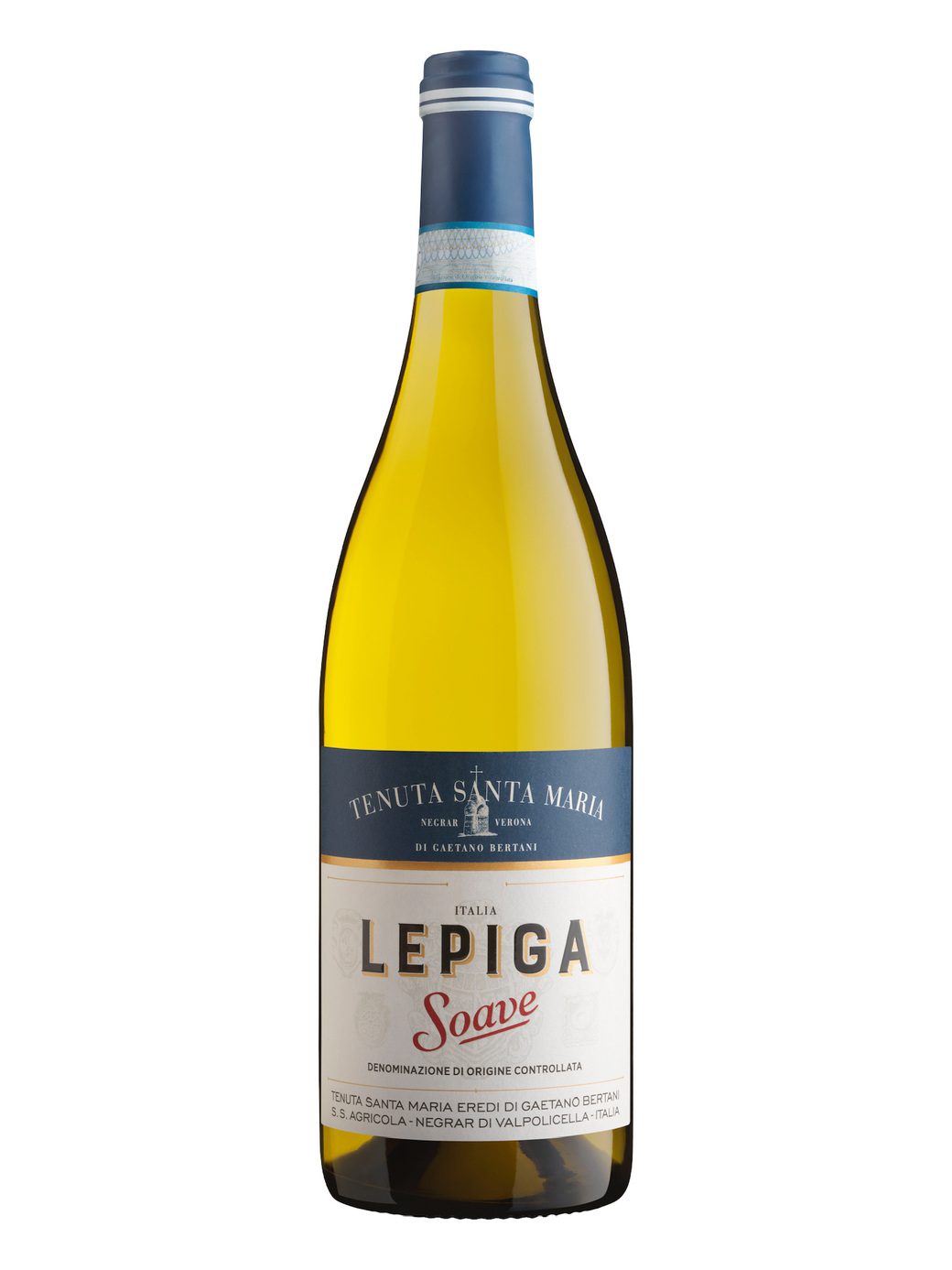
Along the ancient Via Postumia in the Illasi Valley lie the roots of the Bertani family’s Soave heritage. Through massal selections, limestone soils, and seventy-year-old vines, Lepiga Soave DOC embodies the white-wine soul of a centuries-old winemaking dynasty.
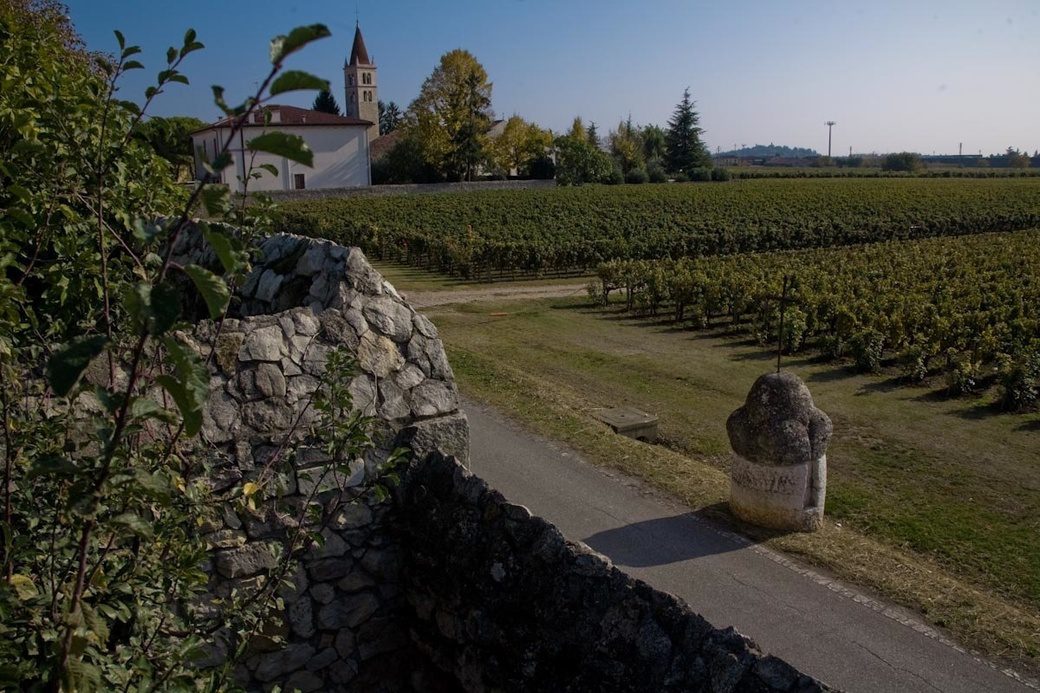
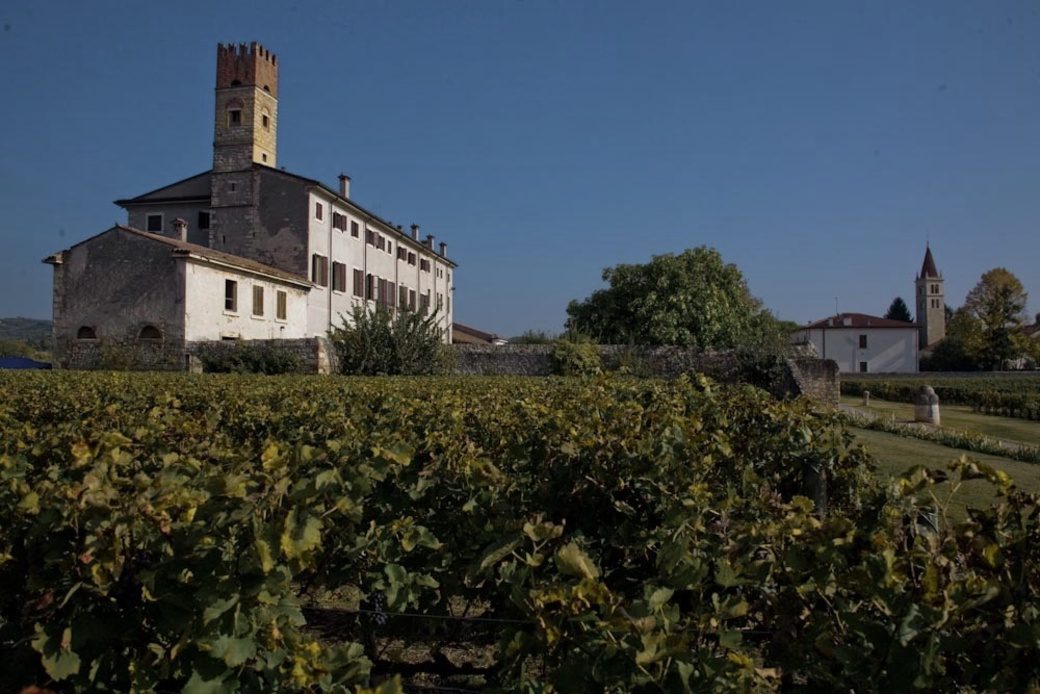
Across the limestone slopes of Colognola ai Colli, at the southern gateway to the Illasi Valley, unfolds one of the most distinctive chapters in Veronese winemaking. Here, straddling the Soave DOC appellation and the borders of Valpolicella, stands Tenuta Santa Maria alla Pieve, the historic estate where Gaetano Bertani’s family rooted its dedicated expression of pure Garganega.
Rooted in the heritage of the Arbizzano di Negrar estate—the sixteenth-century cornerstone of Valpolicella Classica where the family produced its inaugural 1936 Amarone—the two properties are today helmed by Giovanni and Guglielmo Bertani. Their approach unites the patient cellaring of Negrar’s historic reds with the vibrant salinity of Colognola ai Colli’s whites.
«At the Pieve estate, we approach Garganega with the exact same meticulous care we dedicate to our Corvina parcels: the variety and timing differ, but the method remains unchanged. Vineyard selection, low yields, and an uncompromised respect for soil identity are the foundation of every decision,” explain Giovanni and Guglielmo Bertani. “We preserve the massal selection developed over decades in this vineyard: 68- to 70-year-old vines that continue to articulate the profound character of these limestone terroirs».
Two Millennia of History: Roman Centuriation and Scaliger Heritage
The 22 vineyard hectares of Tenuta Santa Maria alla Pieve rest upon millennia of layered history. Bordering the ancient consular road Via Postumia—which once connected Genoa to Aquileia—the estate mirrors the original Roman agricultural centuriation, as documented by municipal cadastral relics preserved in Verona. The property’s boundaries touch the shrine of Santa Maria della Pieve, constructed over the remains of a Roman pagan temple dedicated to viticultural worship, while archaeological surveys conducted alongside the Heritage Superintendency have revealed Neolithic settlement traces and imperial Roman dwellings.
Before evolving into the family’s dedicated white wine outpost in the first half of the nineteenth century, the architectural complex served multiple historic roles: a Scaliger military outpost, an Olivetan monastery, and General André Masséna’s headquarters during the Napoleonic Battle of Caldiero in 1805.
The estate’s old vines, catalogued by Jancis Robinson in the Old Vine Registry among the most historic viticultural assets in the Veneto, dig deep into pure limestone bedrock, benefiting from the pronounced diurnal shifts channeled through the Illasi Valley.
Lepiga Soave DOC: Agronomic Precision and Parcel Vinification
Lepiga Soave DOC originates from this dedicated cru as a pure, single-vineyard expression of Garganega. Harvest is carried out entirely by hand across three sequential pickings calibrated to phenolic ripeness: the earliest pass preserves natural acidity and freshness, while subsequent pickings secure mid-palate depth, structure, and aromatic complexity.
In the cellar, each parcel undergoes brief cold pre-fermentation maceration before temperature-controlled fermentation in stainless steel (16–18°C). Following blending, extended aging on fine lees with regular bâtonnage lends mid-palate richness and texture without masking the vibrant mineral backbone and saline tension of the limestone soils.
International Expressions: From Torre Pieve to Decima Aurea
In the 1990s, Gaetano Bertani brought a pioneering vision to the terroirs of Colognola ai Colli. After nearly forty vintages dedicated to Amarone Classico, and drawn to reconnect with the family’s nineteenth-century exile in France, he travelled across the Alps to study grand cru viticulture and source plant material from leading nurseries.
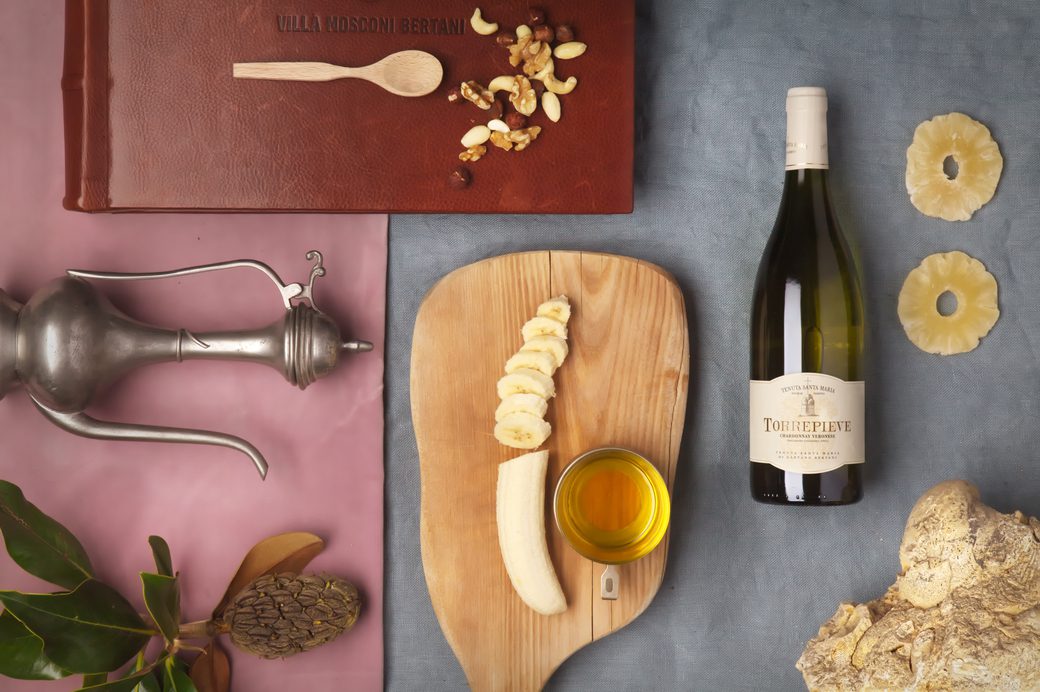
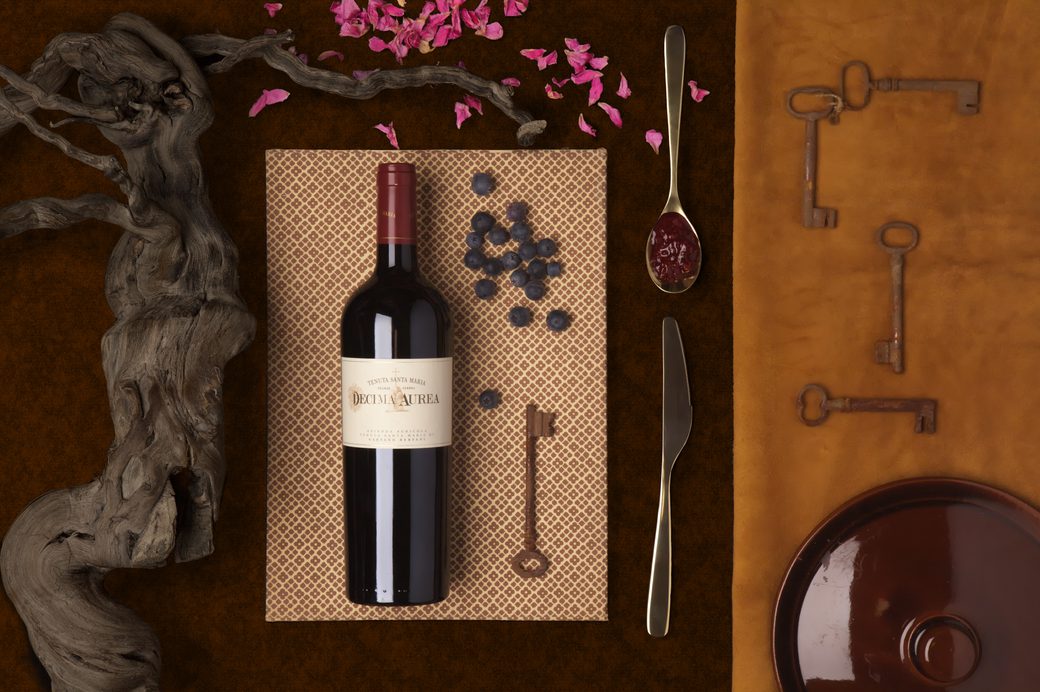
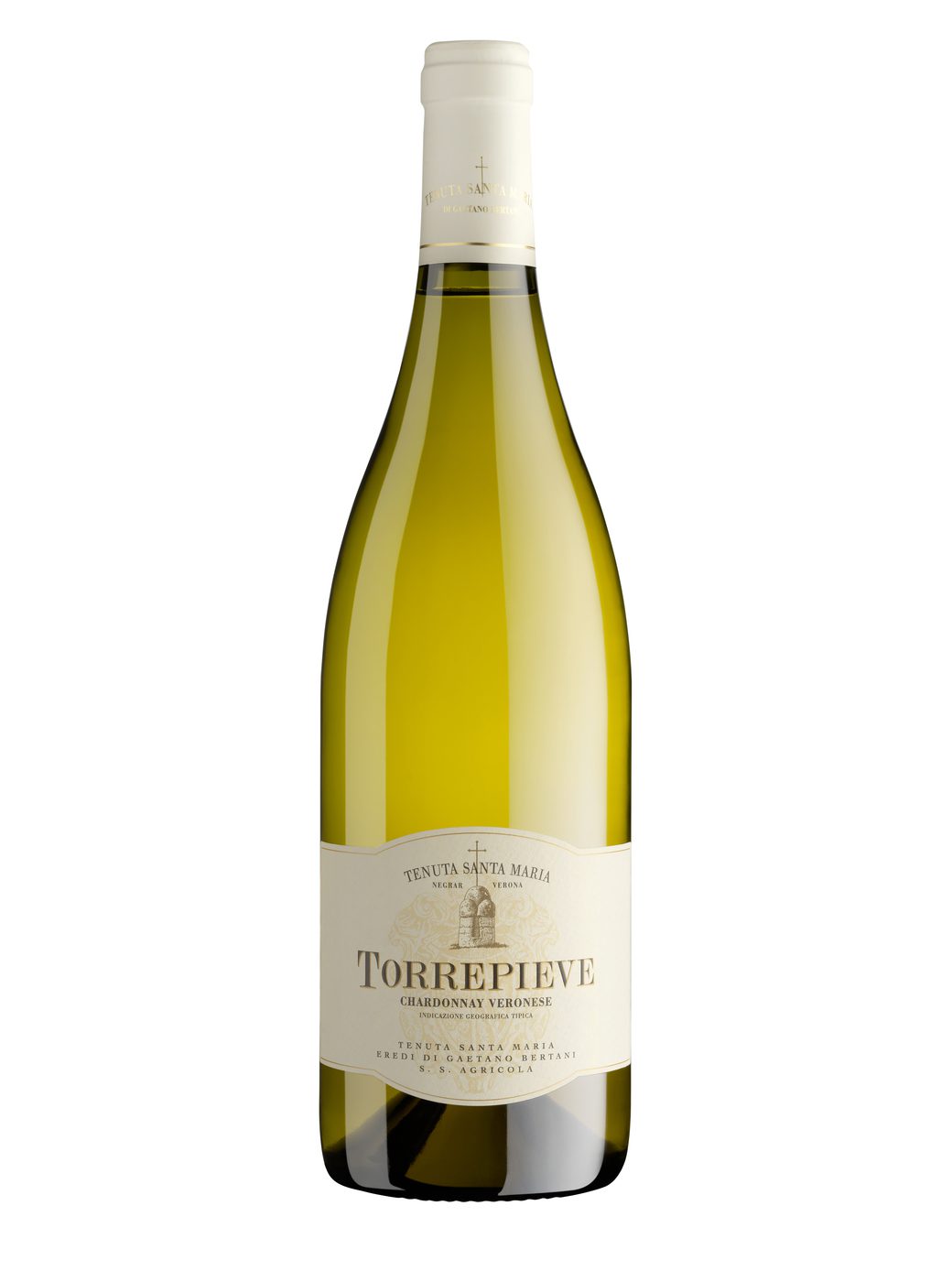
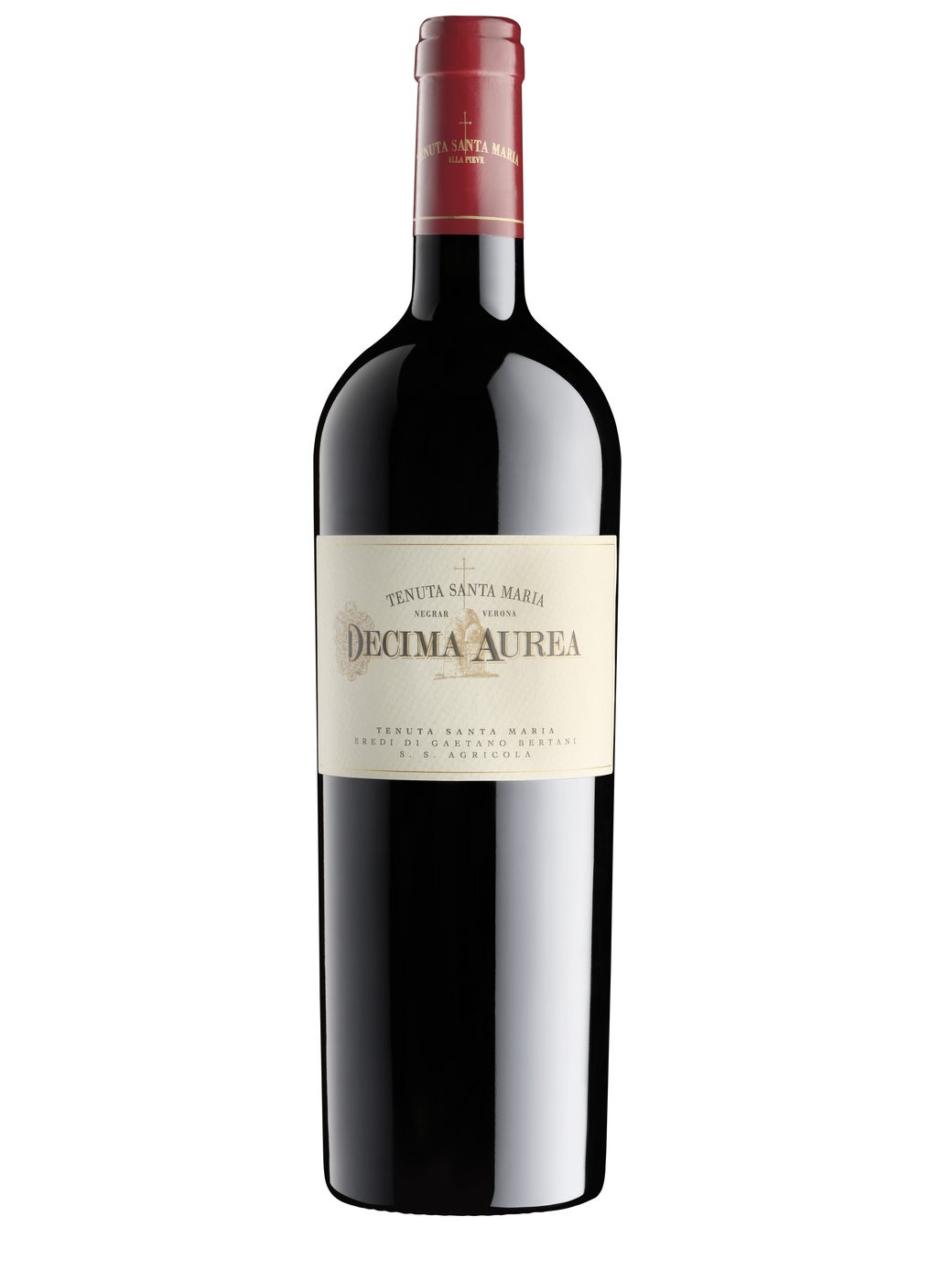
In-depth pedoclimatic research led to the high-density plantings (9,000 vines/ha) established between 1991 and 1993, dedicated to producing Torre Pieve IGT Verona (a pure Chardonnay named after the nearby Romanesque pieve) and Decima Aurea IGT Verona (a pure Merlot named after the tenth milestone of the Postumia). Alongside these plantings, the estate introduced Verona’s first Syrah vineyard, today blended with Corvina and Merlot in the IGT Pragal. It represents a sophisticated mosaic reaffirming the Illasi Valley’s standing among Italy’s finest terroir landscapes.
Photo Credit: Courtesy of Tenuta Santa Maria – AB COMUNICAZIONE Press Office