Curated by designer Jonathan Bocca, the exhibition Design in a Real World marks the first project by Vestigia, which will take place at the magnificent Villa Marie.
A new venture linked to the world of collectible design and contemporary art, Vestigia explores the deep links between objects, places, and people, seeking to create synergies between the worlds of craftsmanship, Italian designers, and the Tuscan region.
Design in a Real World celebrates the connection between design and the Tuscan territory, a destination from which many of the participating designers originate, and one historically synonymous with a rich craftsmanship legacy.
As evoked by the exhibition’s title, the territory – the ‘real world’ – is contrasted with the constructed, artificial, and often frenetic identity of the city and industrial design. The exhibition, therefore, focuses on a slower, localised, and more reflective artisanal perspective that characterises both the designers’ works and life outside the populated urban centres.


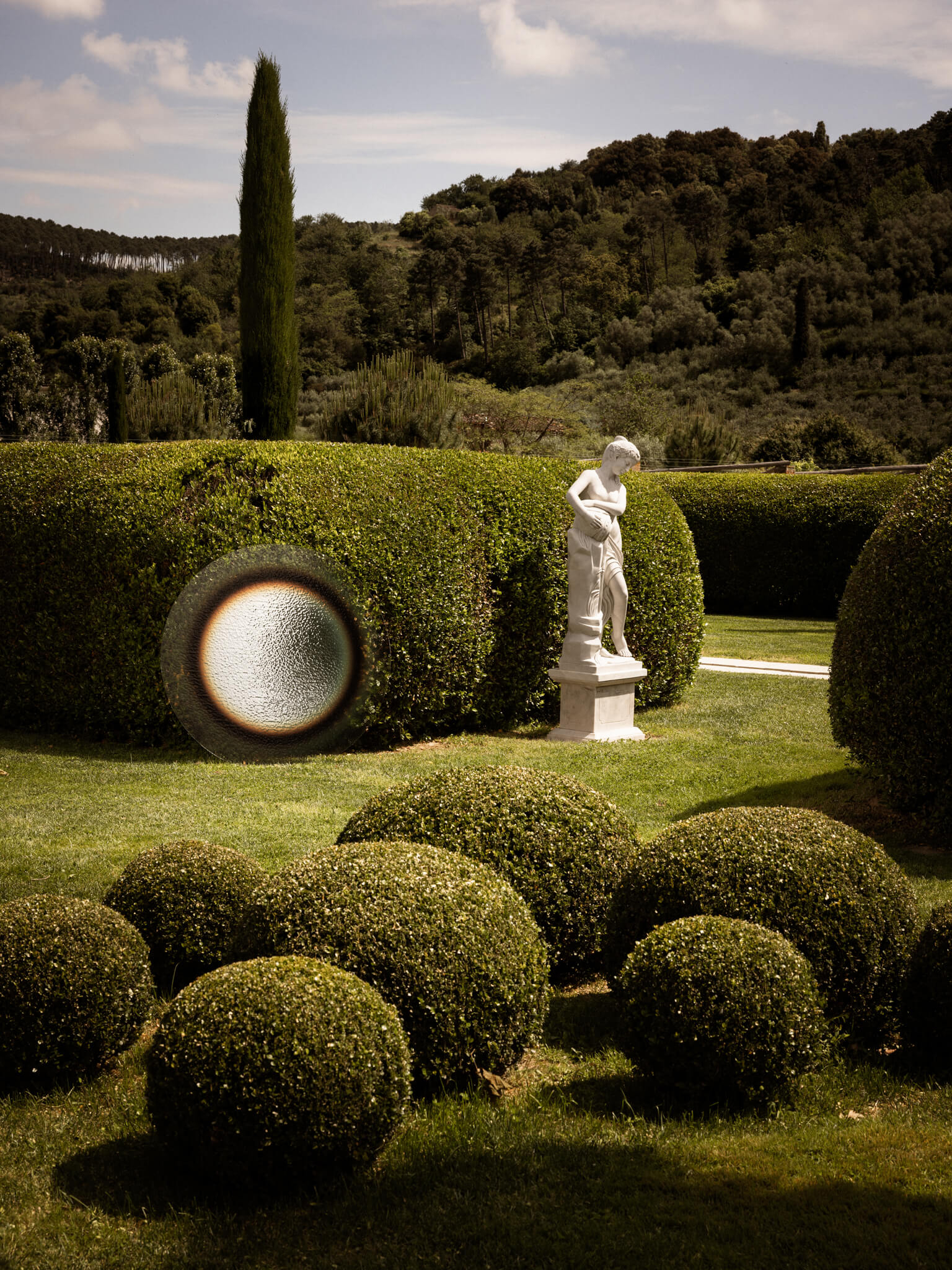
Open to the public on 8 and 9 June – and by appointment until 28 September – the project showcases works that are not products, but processes. Each piece reflects the beauty of the artisanal process, the thoughtful choice of materials, and the exploration of new techniques that combine with tradition.
Through a practical approach and material experimentation, the participating designers express this vision with work that fuses creativity and masterful techniques. Such pieces include the Oculus Celestia mirror designed by , the Cross candelabrum designed by , the bench from the Subtraction collection designed by Duccio Maria Gambi, and the lamp from the Tradizione II collection designed by Jonathan Bocca.
Among the globally renowned designers featured in this year’s edition are Bunker Gallery with a project by Ilaria D’Atri, Jonathan Bocca, Cosimo Bonciani, CCONTINUA+MAMT, Costantino Gucci, Finemateria, FMM Design, Pietro Franceschini, Duccio Maria Gambi, Daniele Giannetti, Iammi, Millim Studio, Movimento Gallery, and Sara Ricciardi.
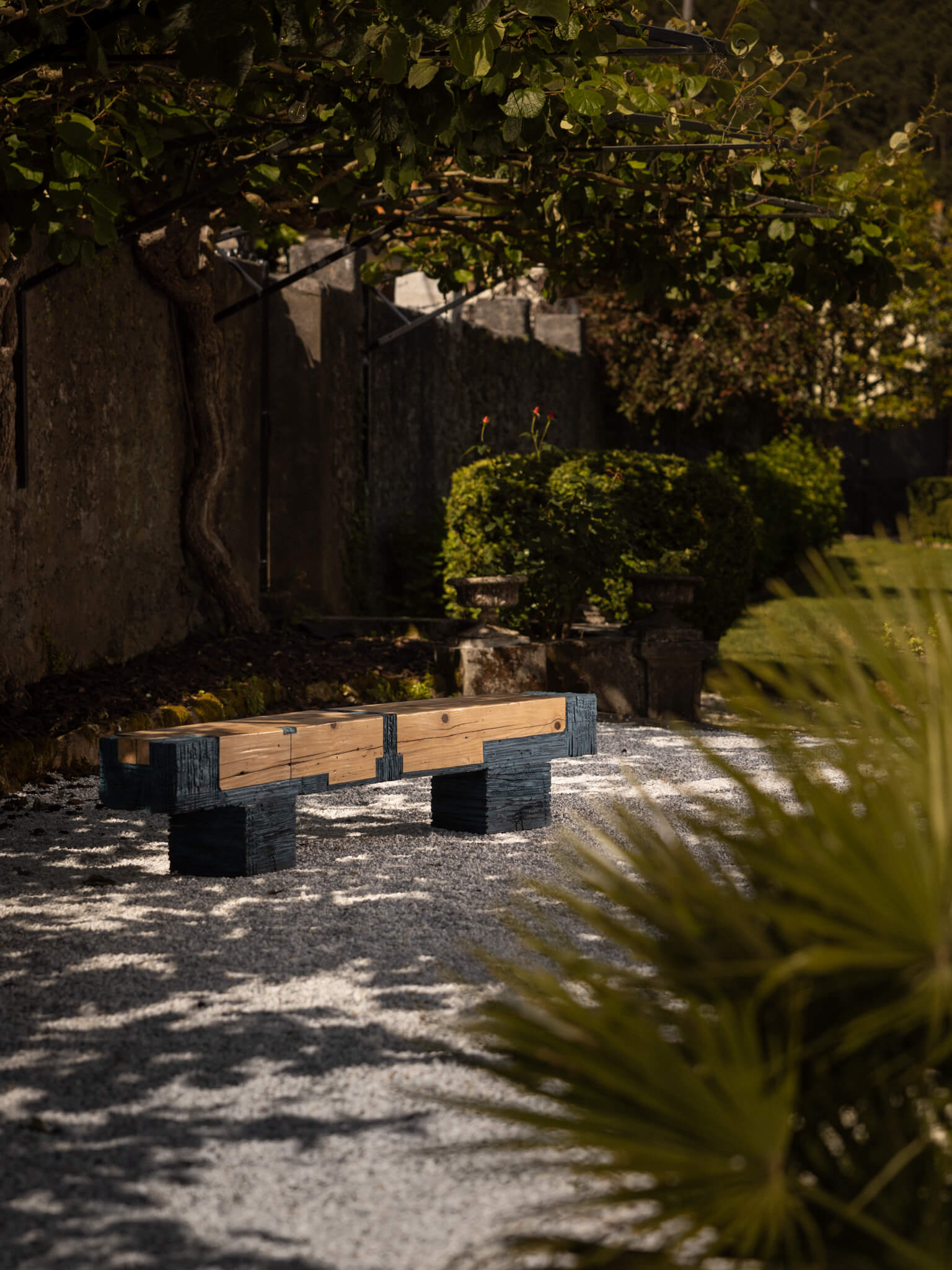
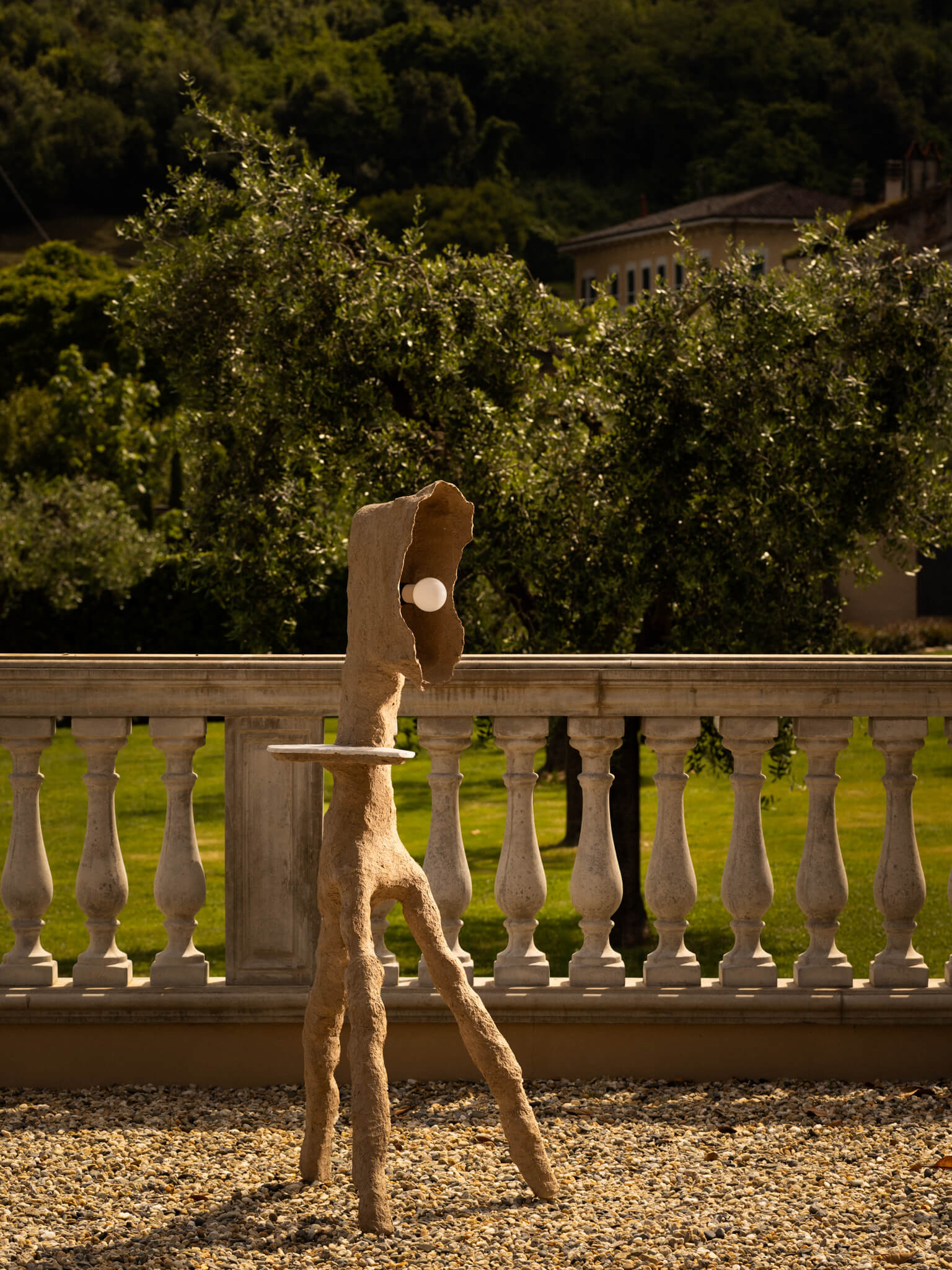
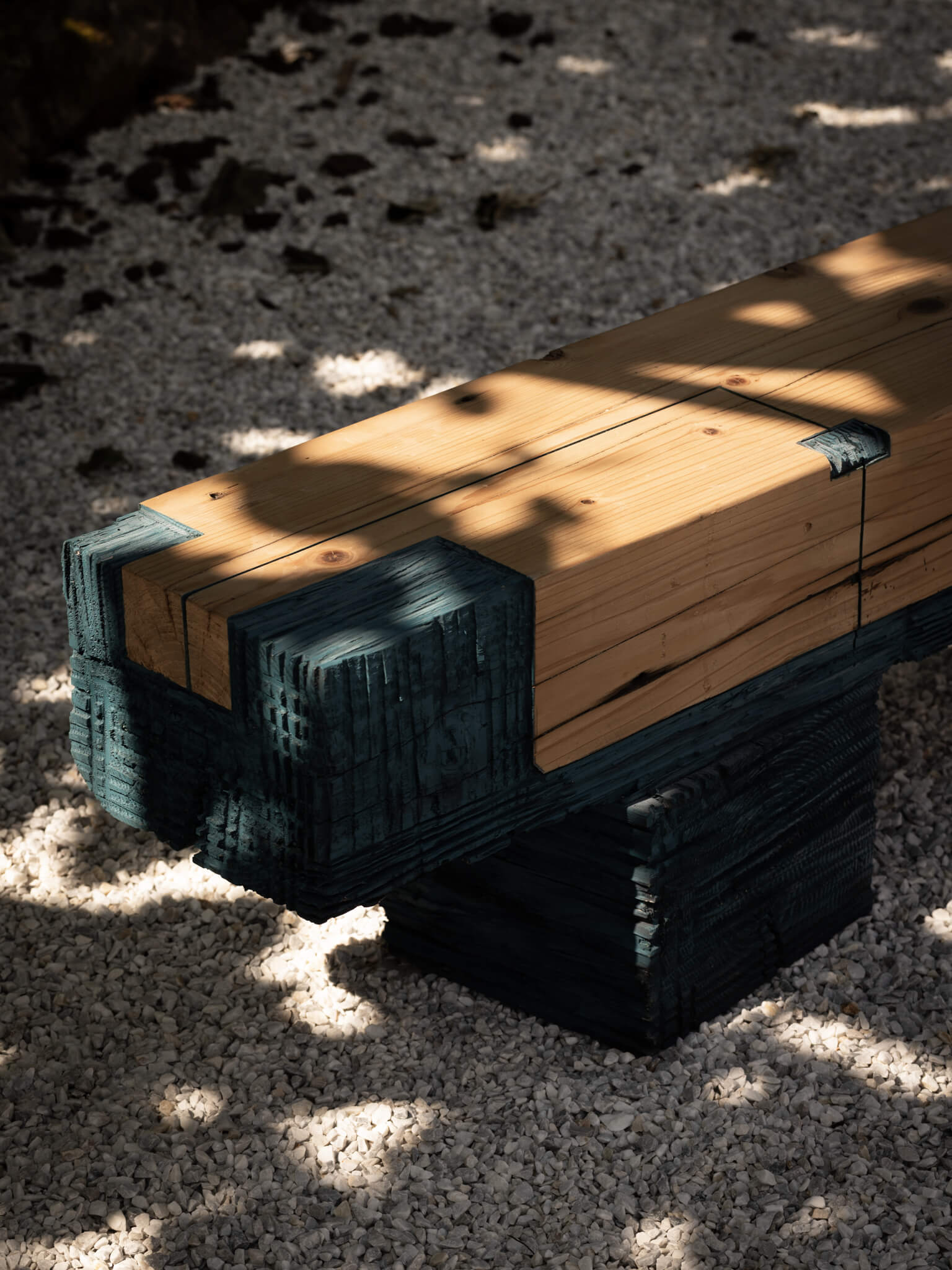
“The exhibition presents a selection of new and existing projects, chosen for their connection with the territory and their affinity with craft practices,” explains Jonathan Bocca, designer and curator of the exhibition, who is also native to the Tuscan region. “Exhibited across the villa’s outdoor spaces, the works embody materiality, care, and respect for impermanence.”
Nestled in the Tuscan countryside near the village of Vorno, Villa Marie is a historic 18th-century residence restored to its original splendour thanks to the vision and commitment of owners Marleen and Luc Van Marcke. An aspirational estate facilitating prestigious private stays, this exhibition transforms Villa Marie into an ‘open-air gallery’ where design engages with the territory and each work represents a dialogue with nature.
From 10 June until 28 September, it will be possible to visit the exhibition by appointment by contacting info@villamarie.it.
About Villa Marie
Villa Marie is located in the village of Vorno, just a few minutes from the historic centre of Lucca in the heart of Tuscany. The elegant 18th-century residence was restored to its original splendour thanks to the vision and commitment of Marleen and Luc Van Marcke, transformed into an estate facilitating private retreats.
Devotees of the Tuscan territory, the couple fell in love with the property in 2015 and embarked on an ambitious restoration project inspired by the desire to create a unique retreat renowned for its beauty, comfort, and authenticity. With the support of highly qualified Italian architects, craftsmen, and suppliers, the entire estate was completely renovated in the five years following the purchase.
About Jonathan Bocca
Born in 1998, Jonathan Bocca is a Polish-Italian sculptural designer from Lucca, Tuscany. He graduated from the IED in Florence and attended UAL in London during his studies. His creative journey began at the Fabrica research centre, and today he is studying and working with new materials to create sculptures and objects that can change the way design is perceived.
Photo by Dario Borruto