From volcanic vineyards to Michelin-starred kitchens, a dynamic three-day immersion celebrates Sicilian oenological excellence and haute gastronomie, exploring “A Muntagna.
The viticultural and cultural landscape of eastern Sicily is preparing for the second edition of Lavica – Fine Dining & Fine Wine Festival, a curated gastronomic event entirely dedicated to the expression of the Etna terroir.
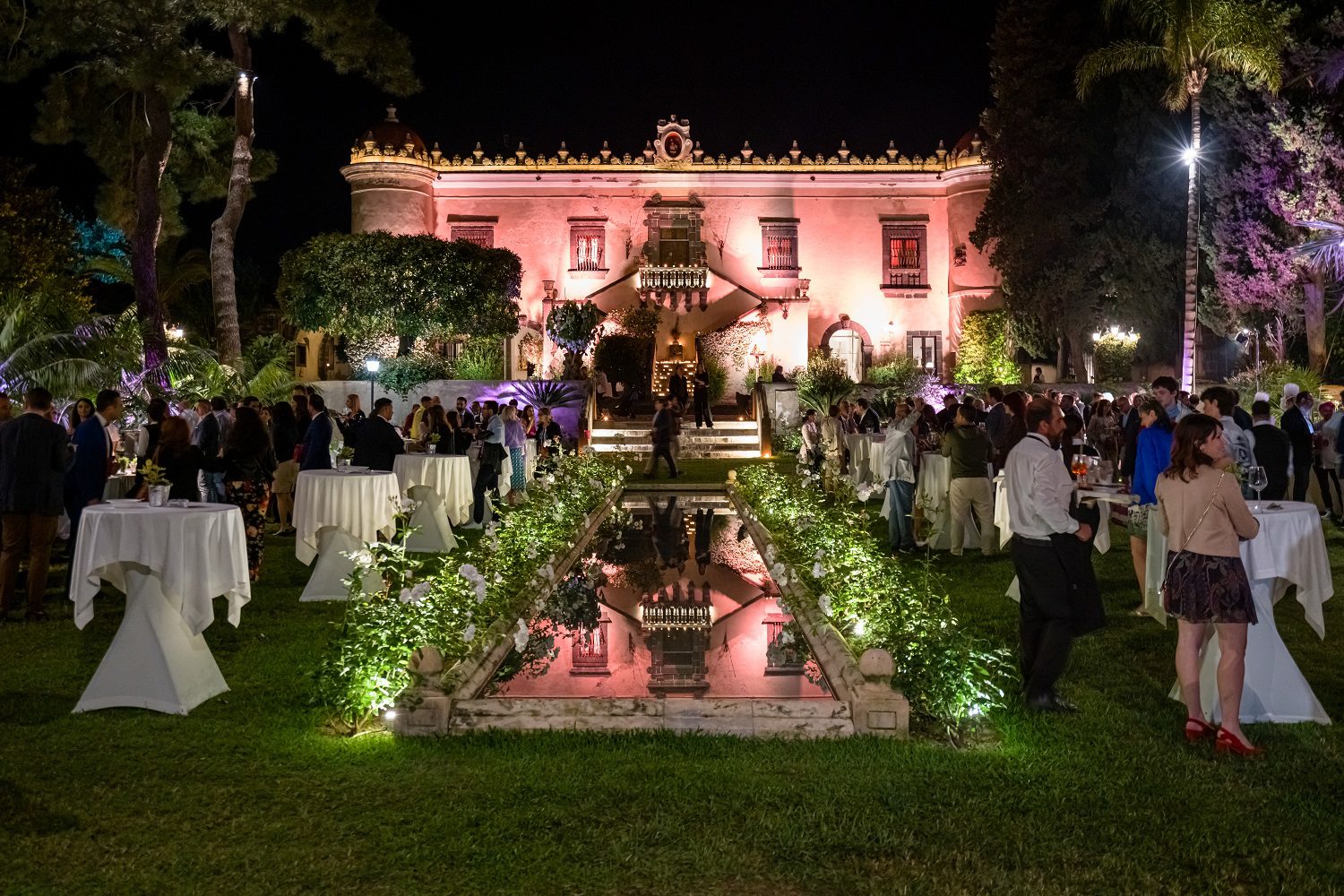
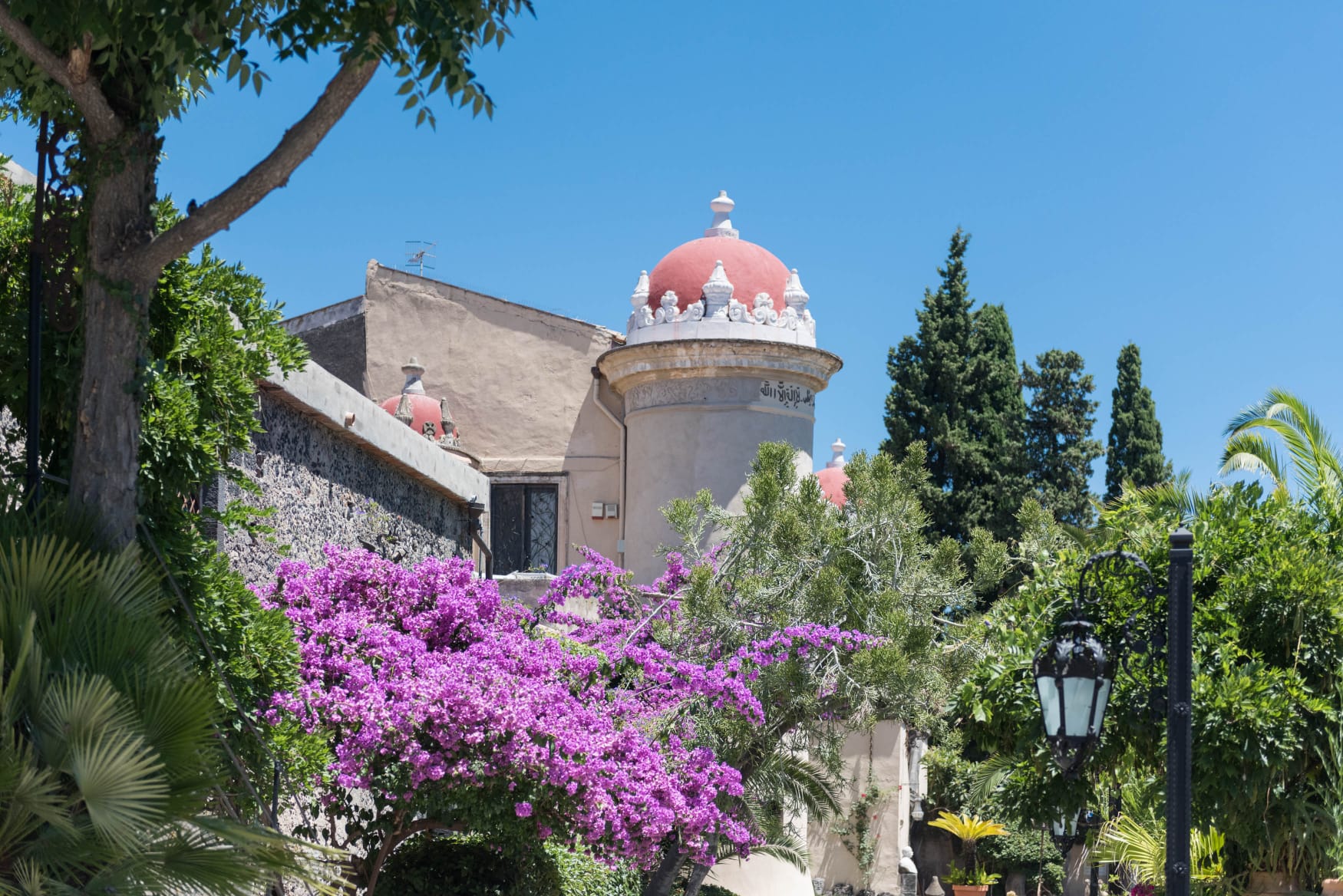
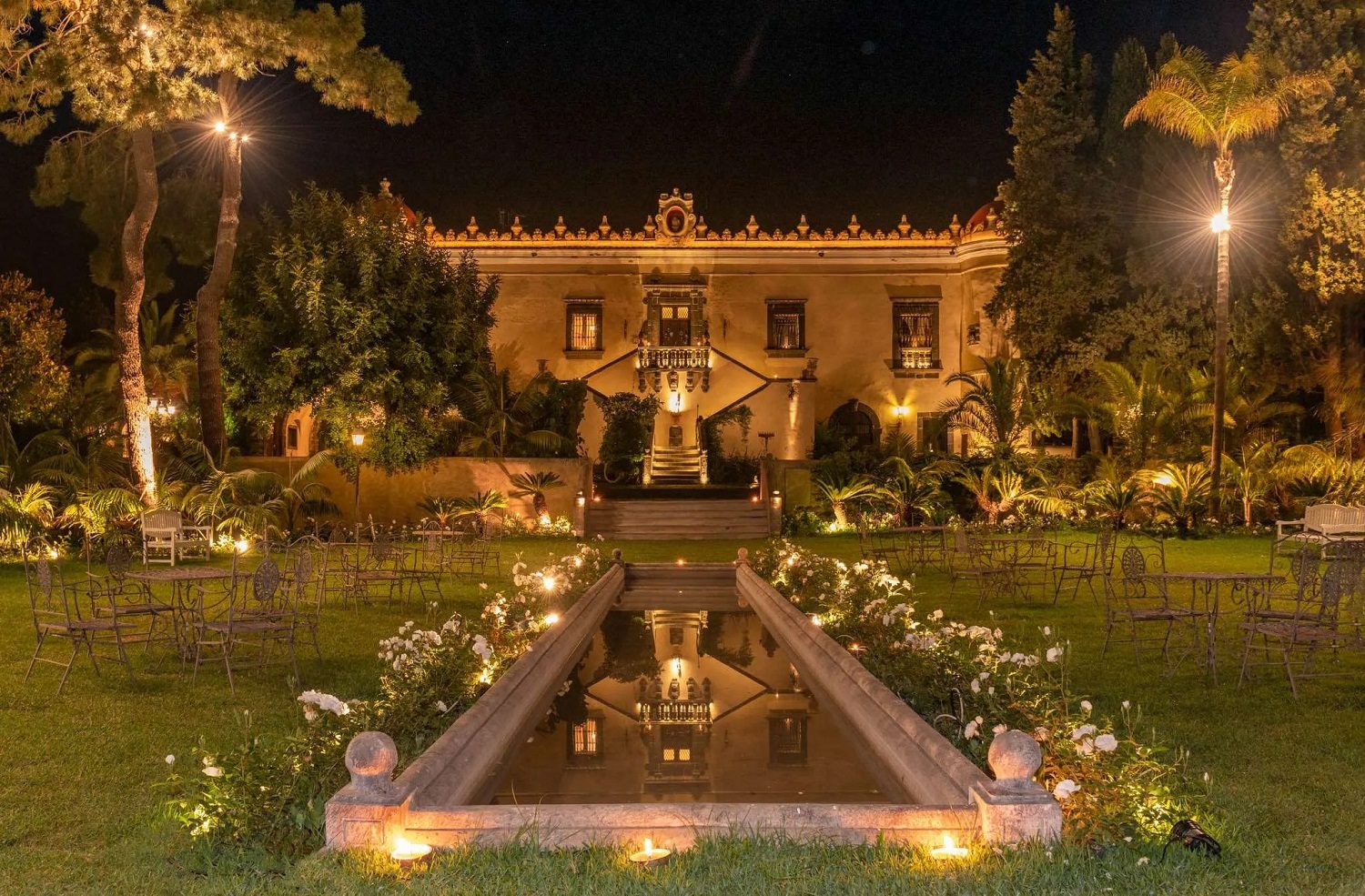
Conceived and organized by Castello San Marco in close cultural collaboration with Teritoria—and supported by main partners Entegra and the Strada del Vino e dei Sapori dell’Etna—the three-day symposium (running from May 22 to 24, 2026) unfolds across two distinct institutional venues: the historic Barone di Villagrande estate in Milo and the charming Castello San Marco in Calatabiano, both situated in the province of Catania. The festival stands as a rigorous exploration of haute cuisine and oenological excellence, transforming the territory into a living narrative.
“A Muntagna”: The Generative Concept of the 2026 Edition
Following the critical acclaim of its debut edition—which traced the metaphorical and physical journey of basaltic lava from the craters to the Ionian Sea—Lavica returns with a deeper, more anthropocentric theme: “A Muntagna” (The Mountain). Here, Mount Etna is stripped of its conventional role as a merely picturesque backdrop and is instead analyzed as a generative matriarch. The festival focuses heavily on the fertility of volcanic soils and their exceptional biodiversity, establishing a direct link between geological uniqueness and agricultural output.
The underlying tribute shapes a dense three-day program where the landscape dictates the culinary direction of the guest chefs. Alongside the resident chefs of Barone di Villagrande and Giardino di Pietra (the signature restaurant of Castello San Marco), the lineup features two prominent Sicilian figures and six acclaimed chefs from the international Teritoria network, bridging Italian regionality with contemporary French gastronomy.
Chronology of the Symposium: Formats and Immersive Rituals
The itinerary begins on May 22 with the Opening a Milo hosted at the historic Barone di Villagrande cellars. The inaugural evening pairs the estate’s resident chef with selected members of the Teritoria community, establishing the structural tone of the event.
Beyond the dining room, the format emphasizes professional networking through targeted field experiences. On the morning of May 23, an immersive journey through the high-altitude volcanic vineyards—organized in partnership with the Strada del Vino dell’Etna—offers an analytical look at the rigorous practice of heroic viticulture.
The focus shifts in the evening to Castello San Marco for I custodi del Territorio a Calatabiano (The Guardians of the Territory). Here, the rhythm of the festival changes, dedicating the entire stage to small-scale local agricultural producers and fostering a direct dialogue with Etna’s artisanal excellence.
"The final day transitions from territorial exploration to technical mastery, moving from the street food roots of Catania to the micro-precision of contemporary seafood aging."On the morning of May 24, Alberto Angiolucci, head chef and owner of Angiò Macelleria di Mare, guides an excursion designed for journalists and visiting chefs. After analyzing the cultural significance of traditional street food through the historic center of Catania, the session moves to the kitchens of Angiò. The workshop explores the complexities of fish aging and the gastronomic rehabilitation of the maritime fifth quarter (offal), culminating in a technical lunch.
The festival closes with the Gran Finale at Castello San Marco: a multi-handed collaborative dinner where the resident team and Teritoria guest chefs synthesize the themes of the event into a cohesive tasting menu.
The Resident Masters of Etna
The core narrative of Lavica relies heavily on its two resident chefs, whose work anchors the event to its geographic coordinates:
Alfio Pesce (Barone di Villagrande): His culinary philosophy is an honest tribute to island traditions. Completely integrated into the agricultural and viticultural ecosystem of Milo, Pesce works closely with the estate’s raw materials, creating an eloquent dialogue between the intense flavours of the volcano, Aeolian nuances, and the historic oenological archive of the cellars.
Giuseppe Bonaccorso (Giardino di Pietra – Castello San Marco): He formulates a contemporary language rooted in the immediate surroundings. Operating on a strict “centimeter-zero” principle, his work relies on the castle’s organic kitchen garden and a curated network of local micro-producers. His minimalist, technically precise approach has earned recognition from the Gambero Rosso guide.
The Sicilian Michelin Heritage
The local landscape is further interpreted by two guest chefs from the island, both holding Michelin stars:
Giuseppe Raciti (Zash): Born in Catania in 1985, Raciti earned his Michelin star in 2019 following his recognition as the Best Emergent Chef of Southern Italy. Trained under mentors such as Santin and Mantarro, he combines strict technical discipline with a deep respect for his origins, reinterpreting classic Sicilian flavour profiles through a contemporary lens.
Giovanni Santoro (Shalai): A native of Linguaglossa, Santoro operates directly on the slopes of the volcano. Awarded a Michelin star since 2015, his cooking represents a thoughtful synthesis between the mineral qualities of the mountain and the salinity of the nearby sea, driven by an elegant essentiality that prioritizes seasonality.
The Teritoria Network and International Perspectives
Lavica 2026 expands its dialogue internationally through a delegation of chefs from the Teritoria ecosystem:
André Taormina (Ambroisie, 1 Michelin Star): At his eponymous restaurant in Isère, France, established nearly two decades ago, Taormina masterfully blends modern French haute cuisine with his Provençal and Mediterranean roots, utilizing seasonal ingredients and black truffles.
Massimo Tringali (Armani/Ristorante Paris, 1 Michelin Star): Originally from Augusta, Sicily, Tringali took the helm of the Saint-Germain-des-Prés establishment in 2016. Working alongside culinary director Massimo Mori—appointed by Giorgio Armani to translate the fashion house’s aesthetic into the culinary arts—Tringali uses his flawless French technique to elevate Mediterranean food culture, prioritizing sustainability and achieving the prestigious Écotable 3 certification alongside his Michelin star.
Arcangelo Tinari (Villa Maiella, 1 Michelin Star, 1 Green Star): Leading his historic family restaurant in Guardiagrele, Abruzzo, after training under Michel Bras, Tinari champions a hyper-regional sustainable model, drawing directly from the family farm and their heritage pig breeding program.
Fabrizio Molteni and Sara Bertocchi (Frosch Restaurant): Based in the Val di Fiemme (Trentino), the duo balances alpine traditions with modern innovation, relying on wild foraging and an in-house hydroponic greenhouse.
Matteo Corridori and Robert Moretti (MUSA): Following extensive international careers—Corridori at the exclusive Stoke Park in London, Moretti at the Bulgari Hotel in Dubai and the three-starred Connaught—they returned to Italy to launch an acclaimed collaborative project on Lake Como.
Cristina Bowerman (Glass Hostaria, 1 Michelin Star): Puglian by birth and cosmopolitan by training, Bowerman studied in the United States before transforming Glass Hostaria in Rome’s Trastevere district. Her cooking is a bold example of cultural contamination, mixing global influences and sharp technique with traditional Italian foundations.
Caterina Ceraudo (Dattilo, 1 Michelin Star, 1 Green Star): A graduate in oenology who trained at the Accademia Niko Romito, Ceraudo runs her family estate in Strongoli, Calabria. Her philosophy focuses on the absolute purity of Mediterranean flavours through a circular, zero-waste kitchen framework.
Giuseppe Di Iorio (Aroma Restaurant, 1 Michelin Star): Managing the rooftop restaurant at Palazzo Manfredi in Rome since 2010 and serving as Corporate Chef for the Manfredi Fine Hotels Collection, Di Iorio’s work centres on minimalism and the clarity of taste. A Michelin star holder since 2014, his technique relies heavily on micro-producers. At Lavica 2026, Di Iorio stands as one of the key protagonists of the closing Gran Finale on May 24.