From the adrenaline of the starting gate to sunset toasts at 10,000 feet: here is your insider’s guide to discovering the authentic soul of Bormio during the Milano-Cortina 2026 Winter Olympics.
The eyes of the world are fixed on the Stelvio. As the Milano-Cortina 2026 engine hits top gear, Bormio cements its status as the epicenter of pure adrenaline, where the giants of downhill racing await their moment at the starting gate. Yet, at 1,225 meters above sea level in the heart of the Stelvio National Park, the competition doesn’t end at the finish line. Between medal ceremonies, the real challenge moves to the kitchen.
We have curated the ultimate shortlist of the town’s most essential tables: from repurposed 17th-century stables to sky-high refuges at 3,000 meters. This is our definitive guide on where to eat in Bormio while the Olympic dream takes center stage.
Alpine Cuisine and Intimate Hospitality: Navigating Bormio’s Historic Core
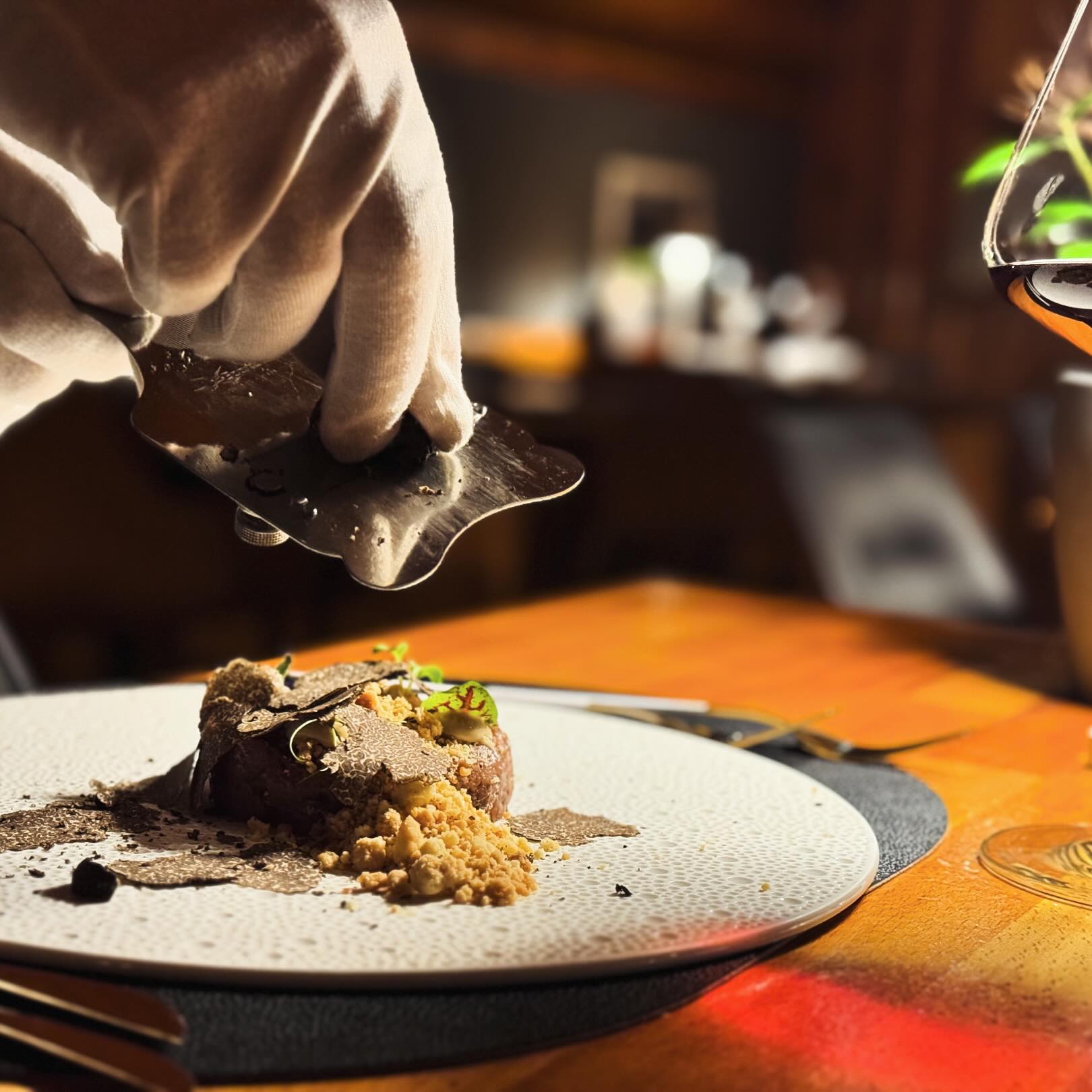
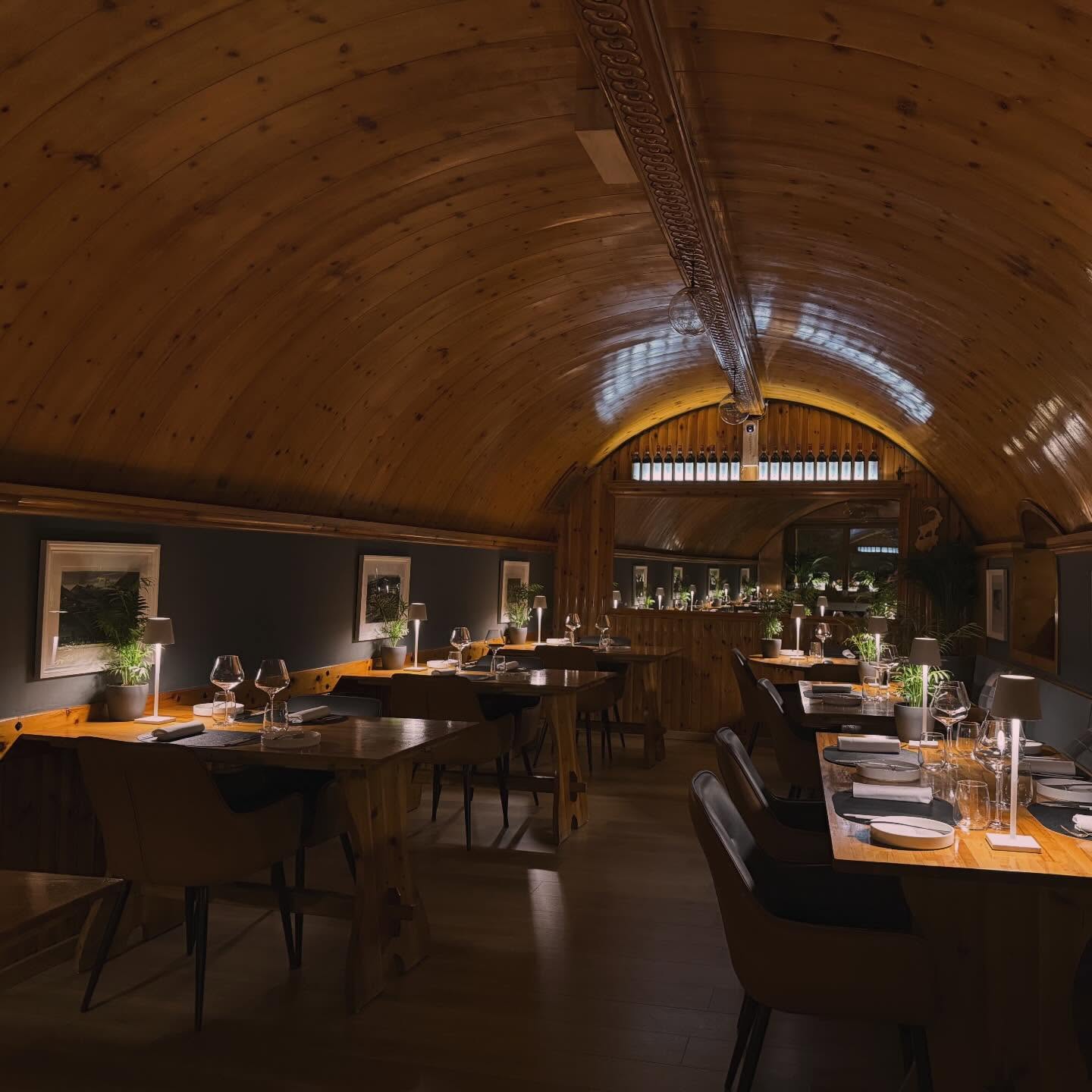
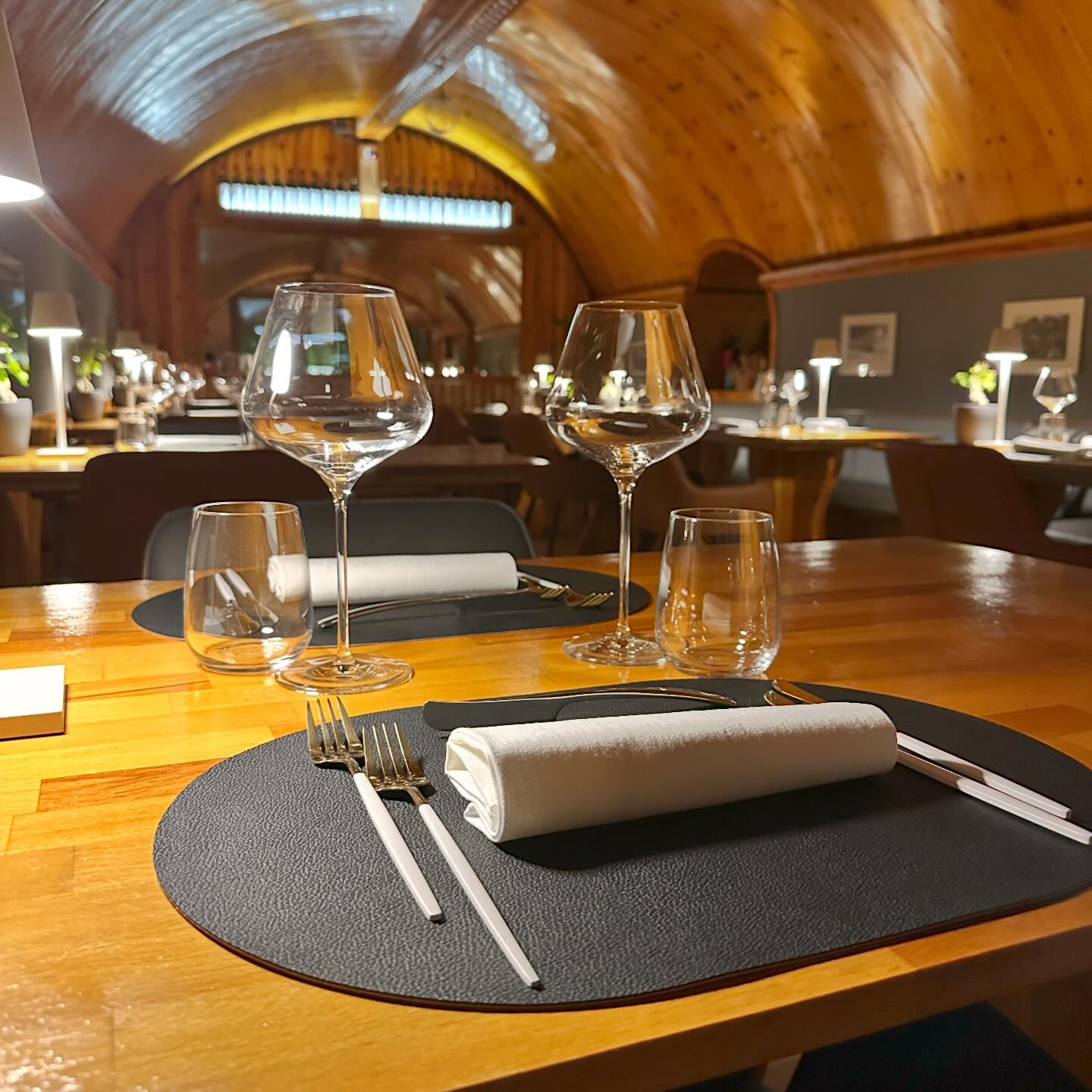
Gavioli – Bormio
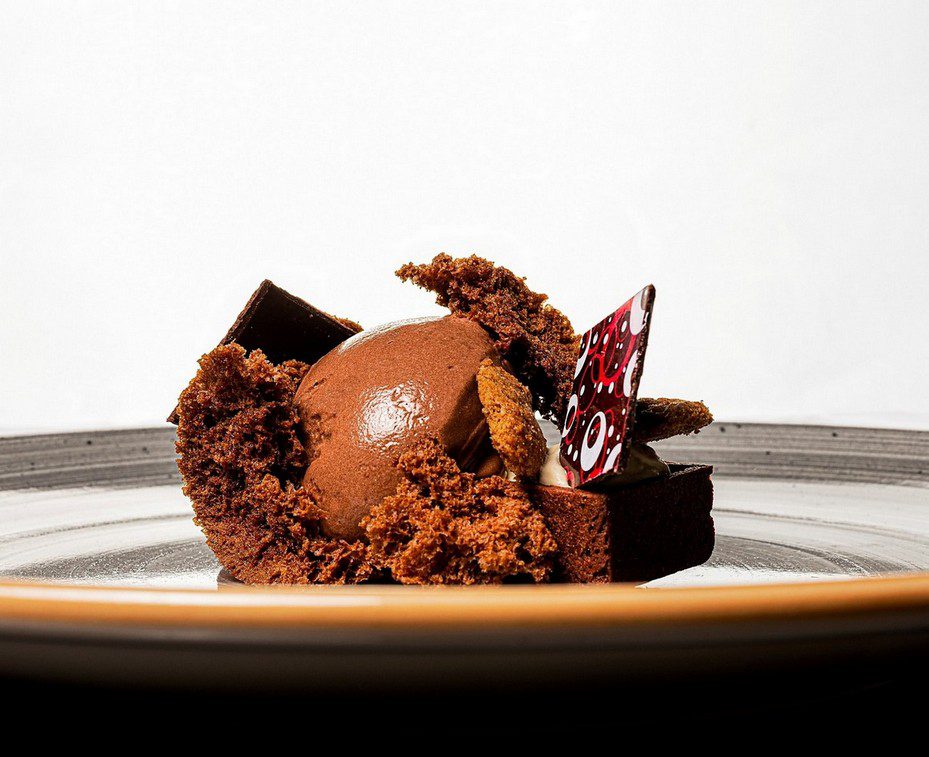
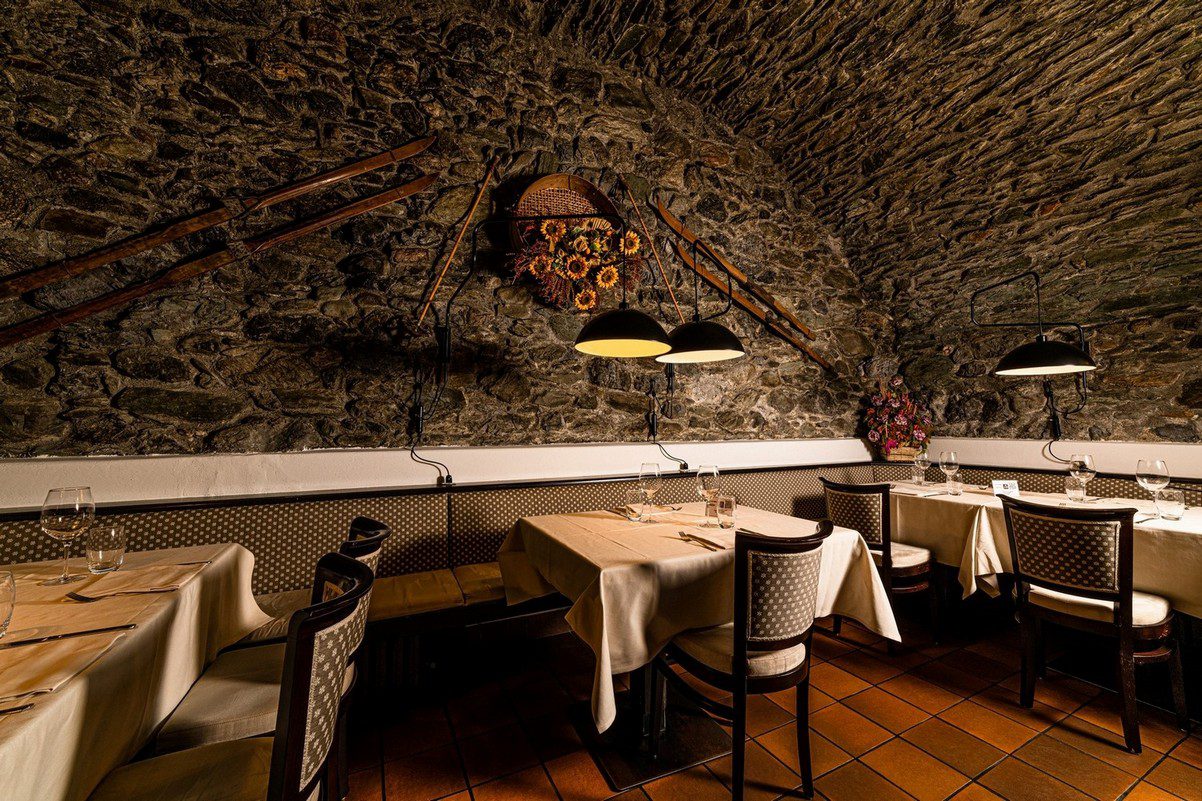
Located in Bormio’s historic center, Gavioli defines a vision of intimate hospitality. With a single room of just ten tables and twenty-two covers, meticulous lighting enhances an environment that is both restrained and elegant.
The kitchen moves with technical precision between contemporary creativity and regional roots. Three tasting journeys—Gavioli, Alpino, and Mediterraneo—explore the seasons through clean, focused dishes. Highlights include the wild venison fillet served with polenta taragna and a redcurrant reduction, and the venison ragù tagliatelle finished with raspberry powder.
Local raw materials, from foraged porcini to scimudin cheese, coexist with international influences such as goose foie gras and a curated selection of seafood. Everything from the bread to the desserts is produced in-house.
The wine list is extensive, featuring approximately 500 labels ranging from Valtellina’s finest vintages to international Grand Crus, complemented by a dedicated cocktail list. Service is attentive yet discreet. Early booking is highly recommended.
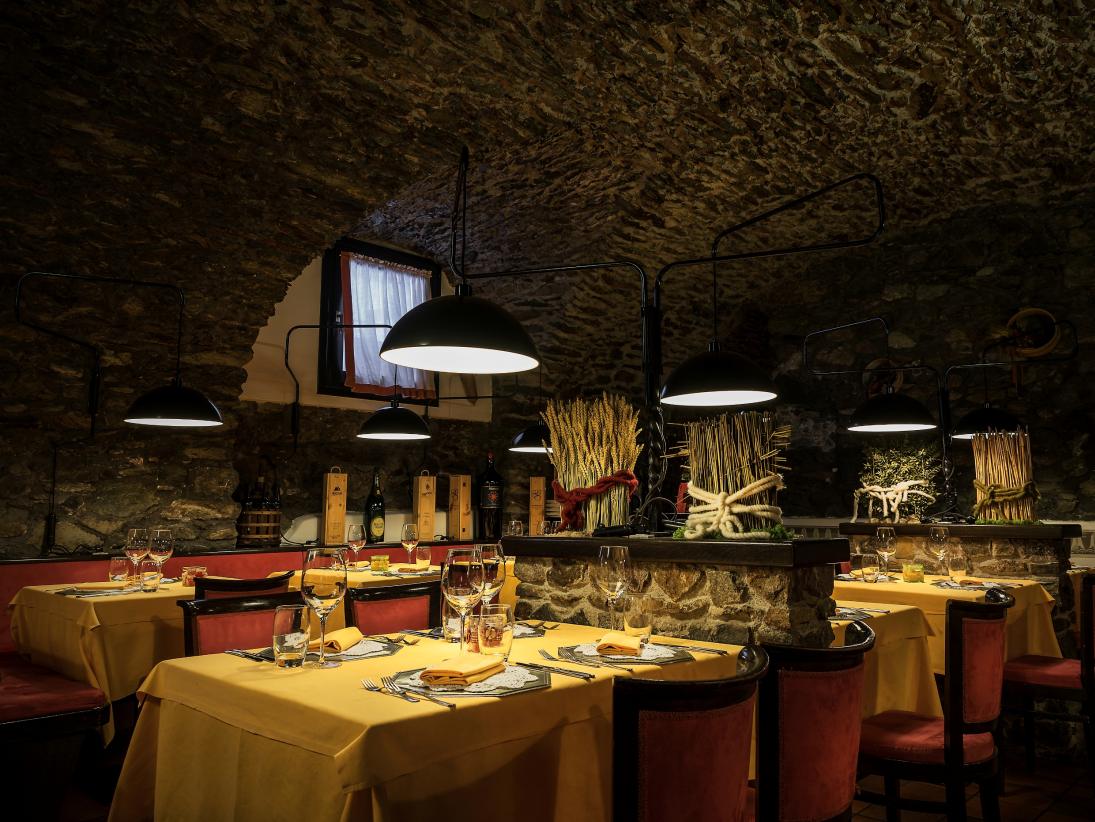
Al Filò – Bormio
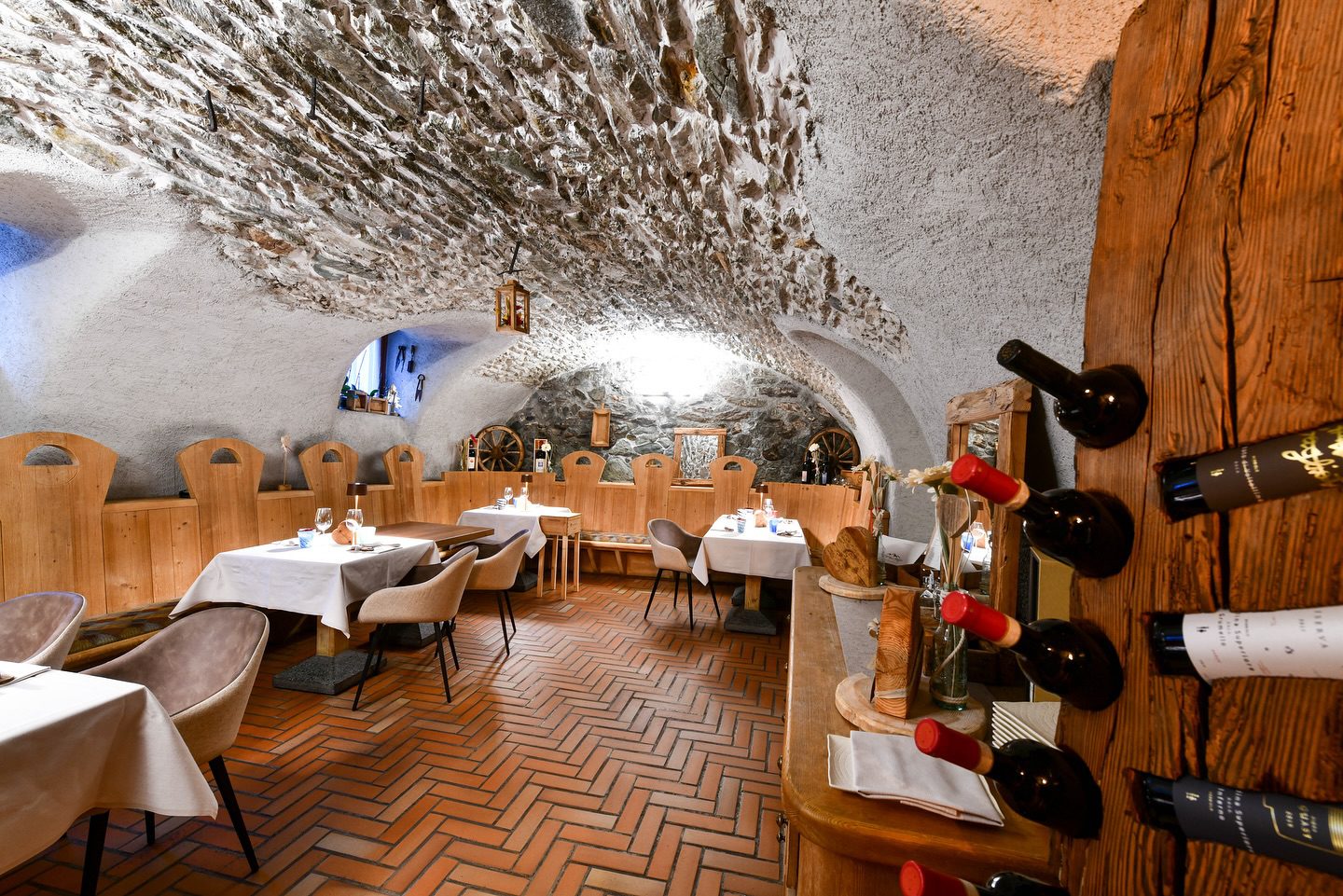
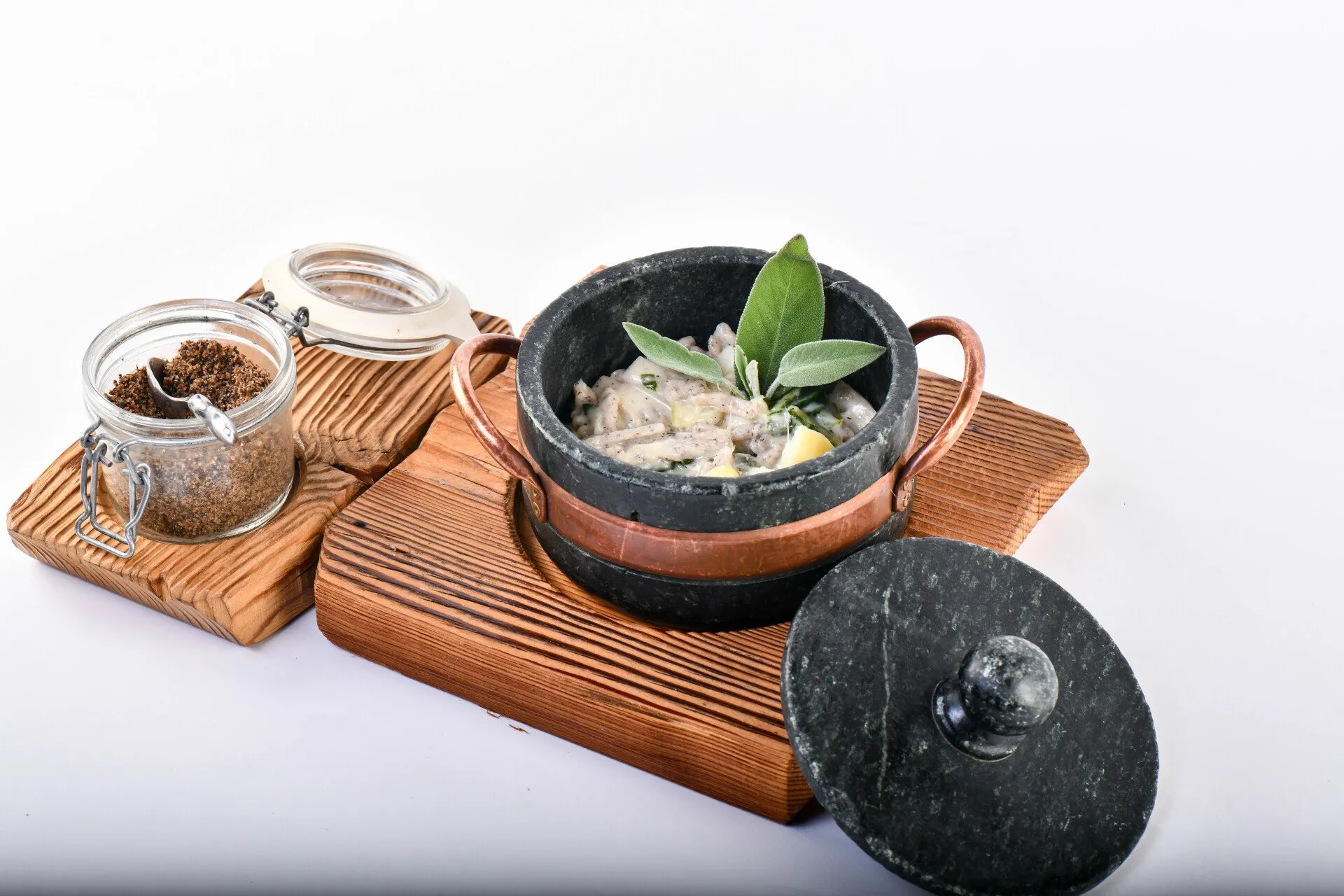
On Via Dante Alighieri, the 17th-century brick vaults of a former barn and stable imbue Al Filò with an atmosphere of grounded, understated warmth. Here, chef-patron Massimiliano Tusetti interprets Valtellinese tradition through measured refinements and local sourcing—articulated across both à la carte selections and two distinct tasting journeys. A procession of regional staples defines the table: sciatt, pizzoccheri, and porcini tagliatelle alternate with artisanal bresaola and local cheeses, anchored by a cellar of over 250 labels. The selection focuses on Valtellina’s heroic viticulture alongside select national references, while service, overseen by the chef’s wife, Sara, is one of quiet grace.
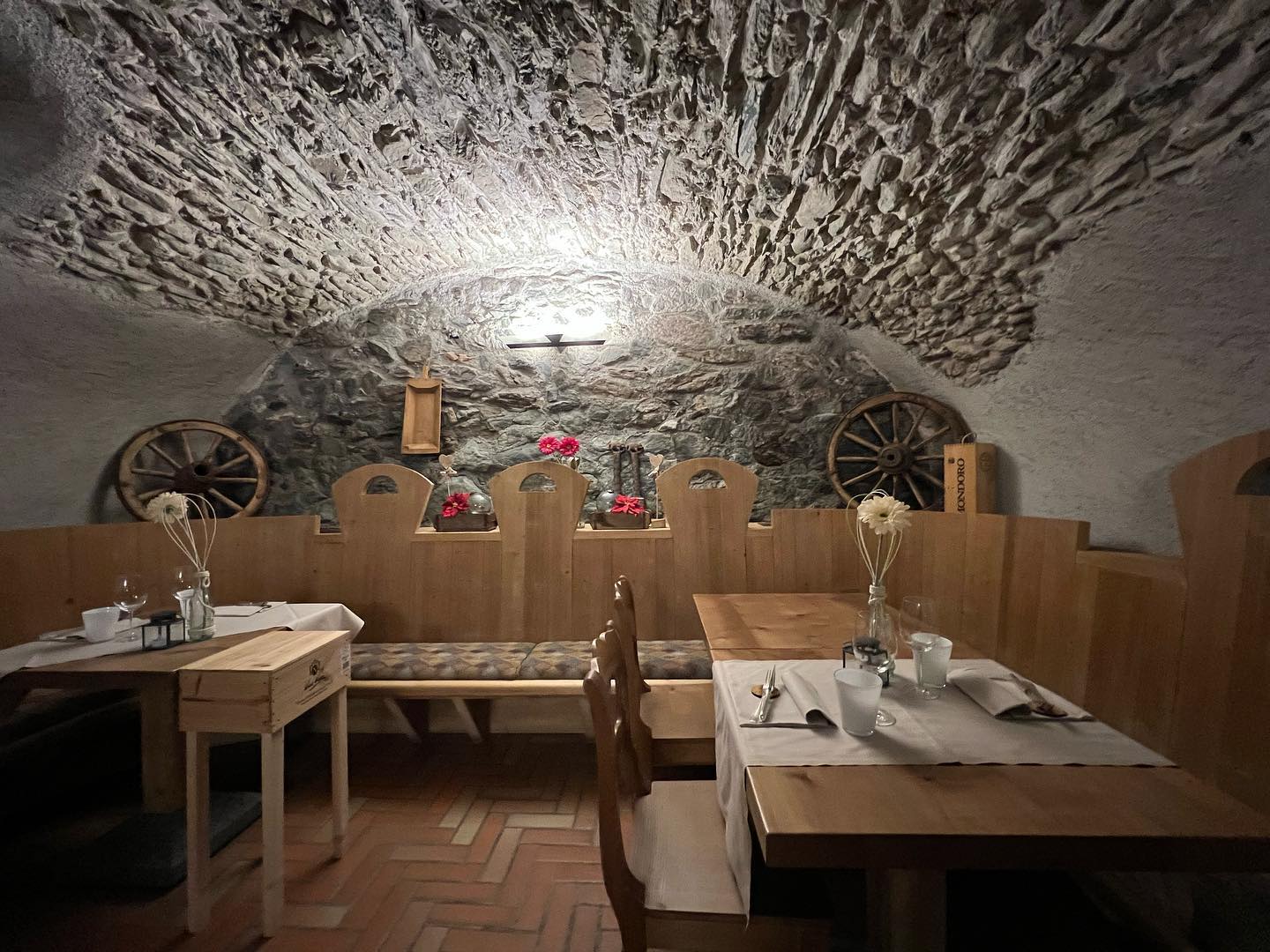
Osteria De I Magri – Bormio
Housed in a four-hundred-year-old former stable tucked away in a historic alley, Osteria De I Magri preserves its original architectural integrity through vaulted stone and timber accents.
Led by Marino Castellazzi and his family, the kitchen emphasizes robust, ingredient-driven fare, centered on house-made charcuterie and cheeses. While the menu remains rooted in Valtellinese staple—sciatt, Bresaola IGP, pizzoccheri, and porcini tagliatelle—periodic Sardinian influences provide a refreshing counterpoint to the local tradition.
Complementing the three intimate rooms—seating just forty—is a 200-label cellar. The collection leans heavily into the region’s formidable reds, navigating the valley’s profile from Inferno to Sfursàt.
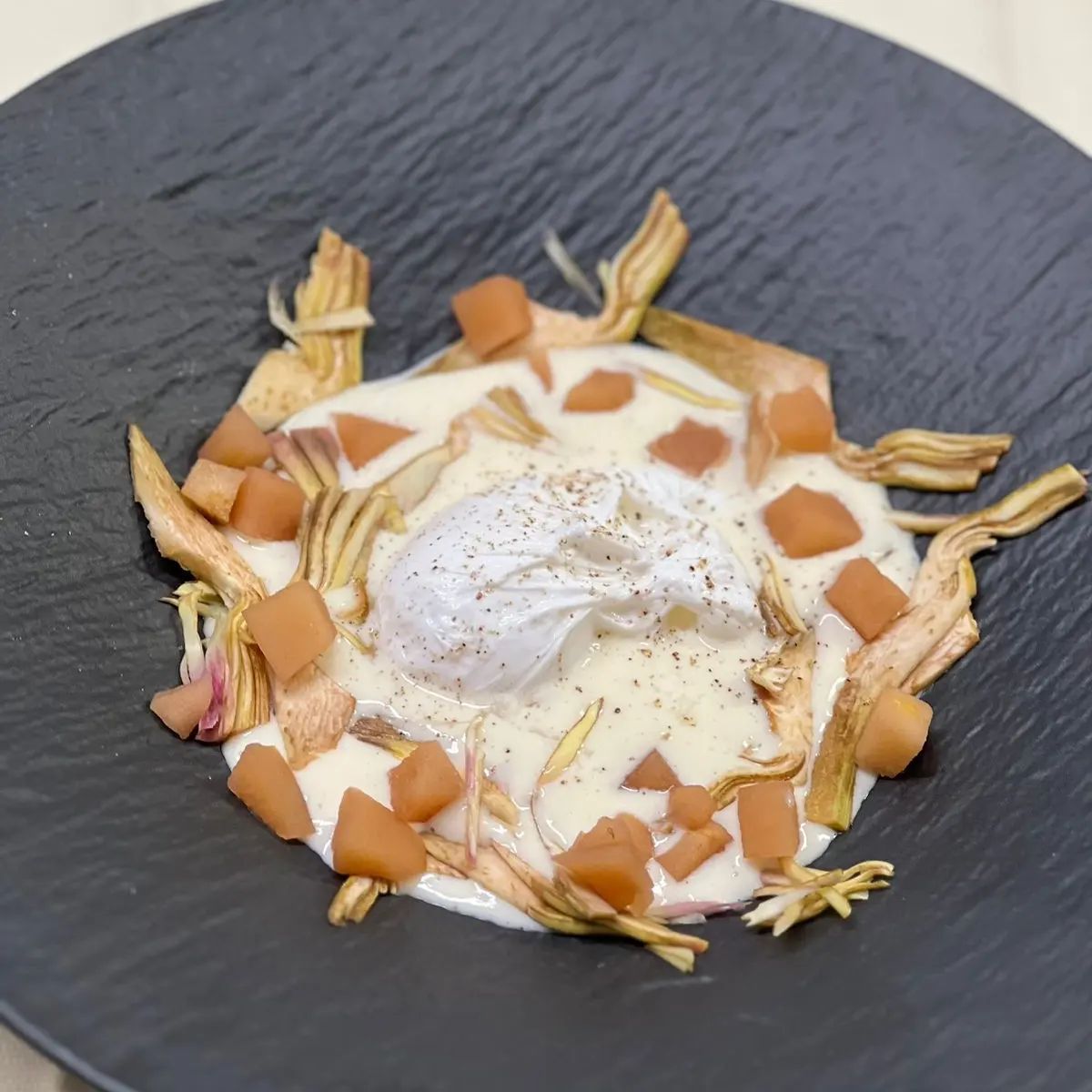
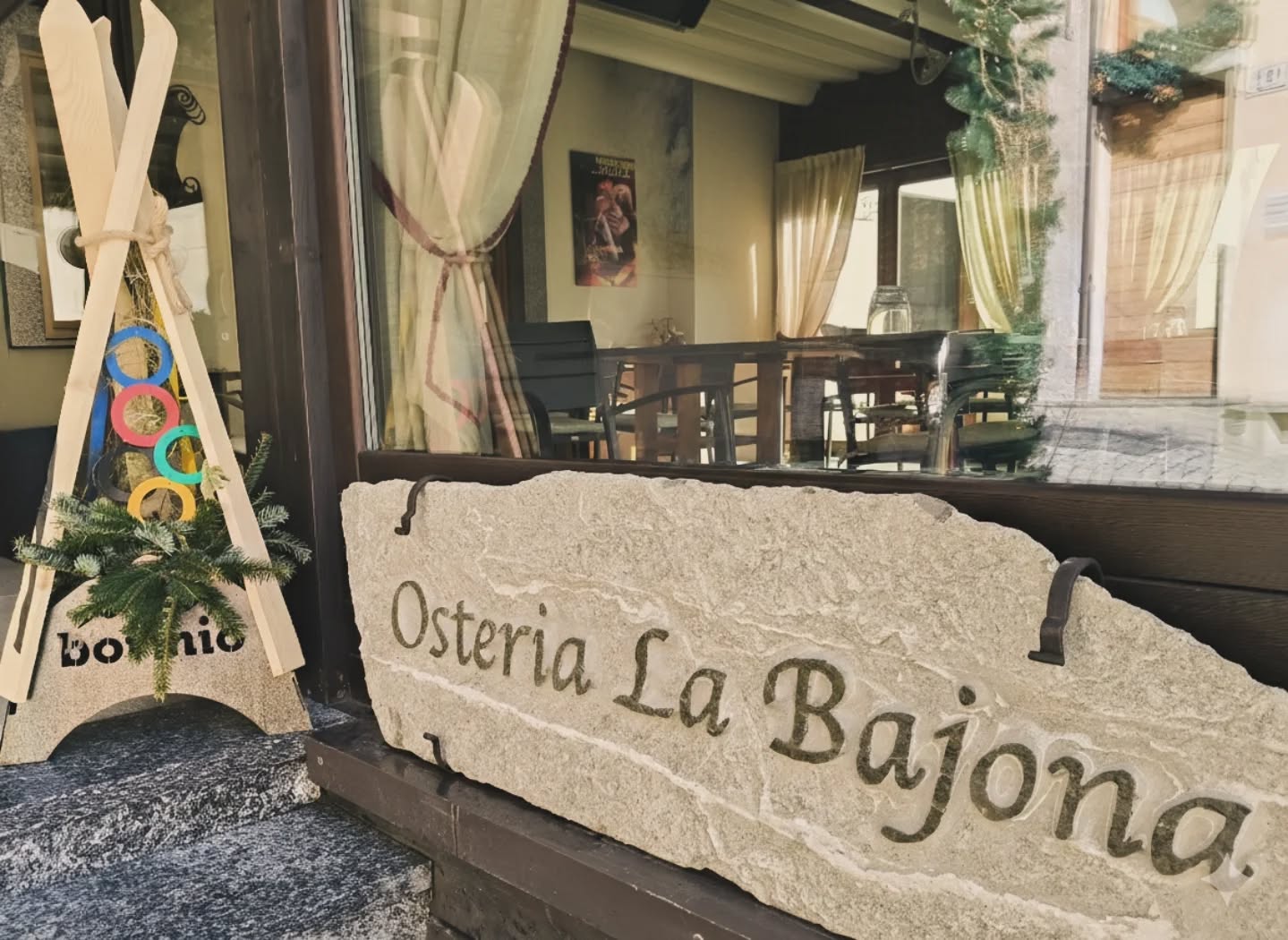
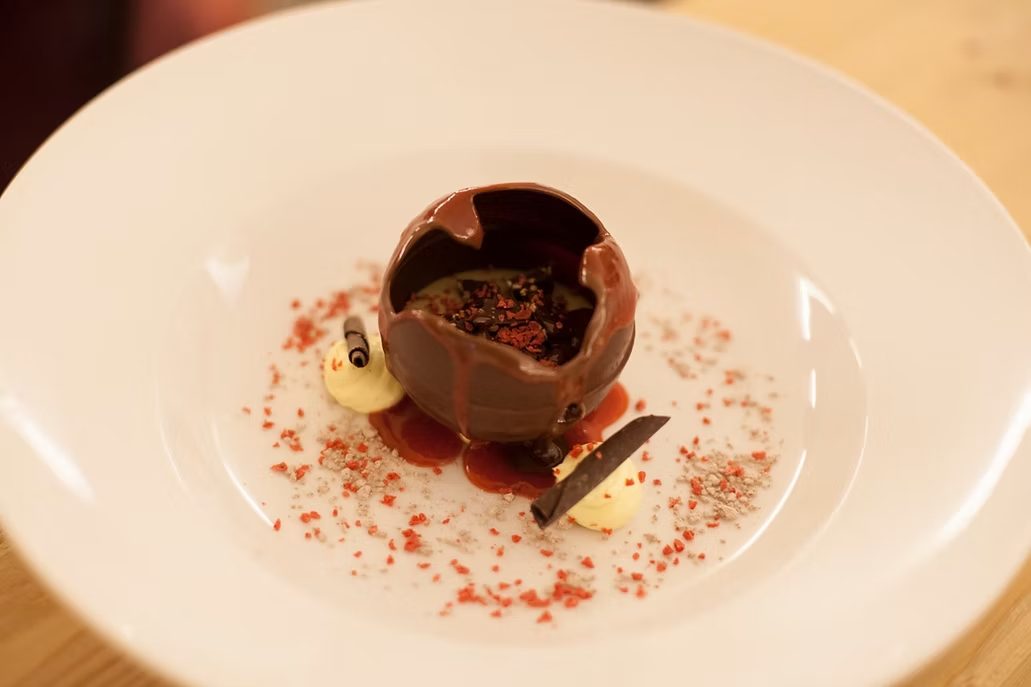
Osteria La Bajona – Bormio
Rising beside the historic Torre della Bajona on central Piazza Cavour, the Osteria articulates unvarnished Alpine fare with a modern edge.
Balanced against regional mainstays—bresaola and slinzega—are compositions ranging from venison tataki accented by juniper and chestnut mousse to organic hemp-flour tagliatelle in a guinea fowl ragout. Extending its reach toward the coast with stewed sea robin over chickpea hummus and tomato tartare, the menu nonetheless remains tethered to the valley through local vitals such as crisp sciatt (buckwheat cheese fritters) served over mixed greens. Matching vintages; service at once relaxed and meticulous.
Ancestral Roots: Authentic Valtellinese Fare and Historic Oustereie
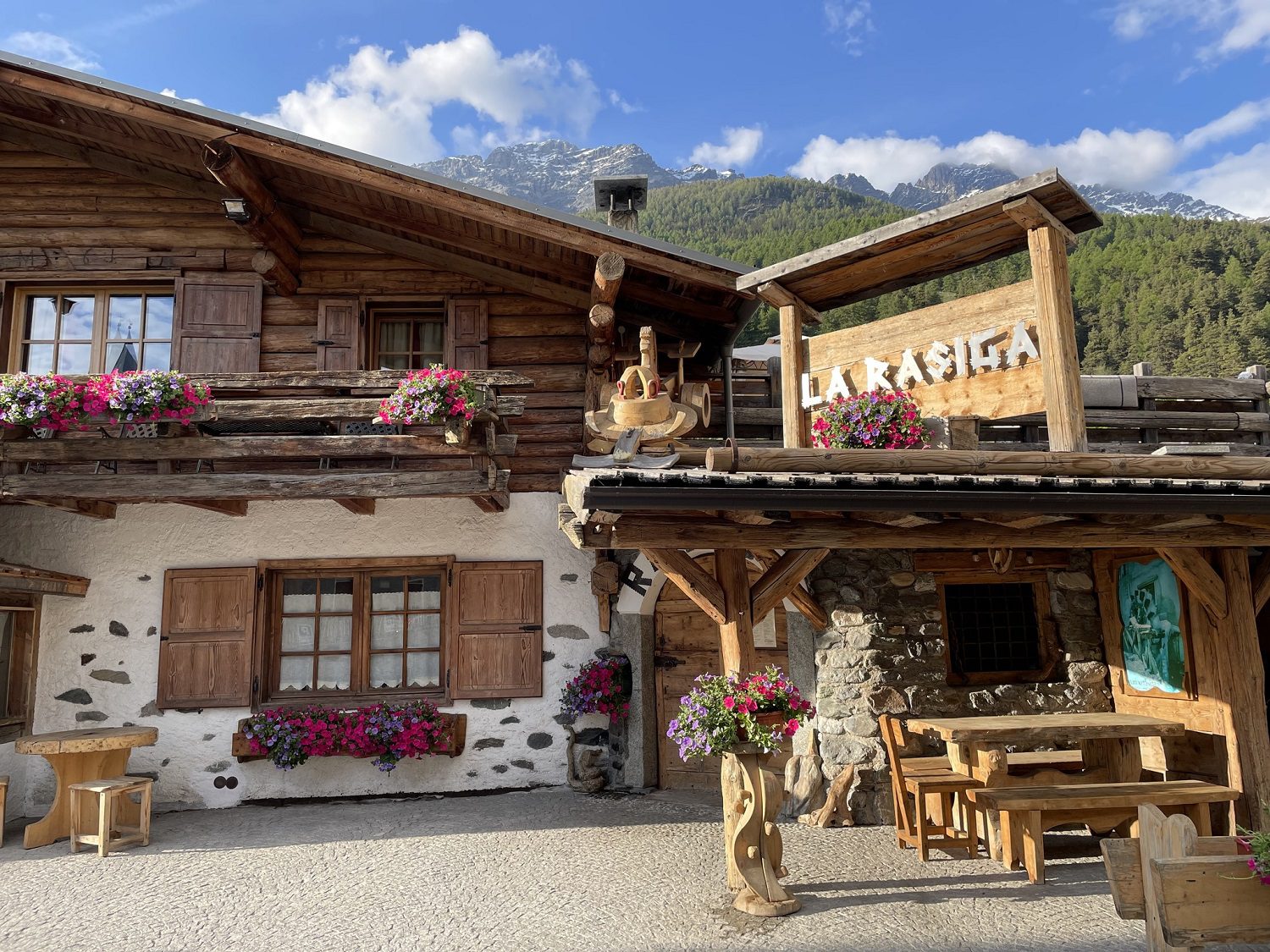
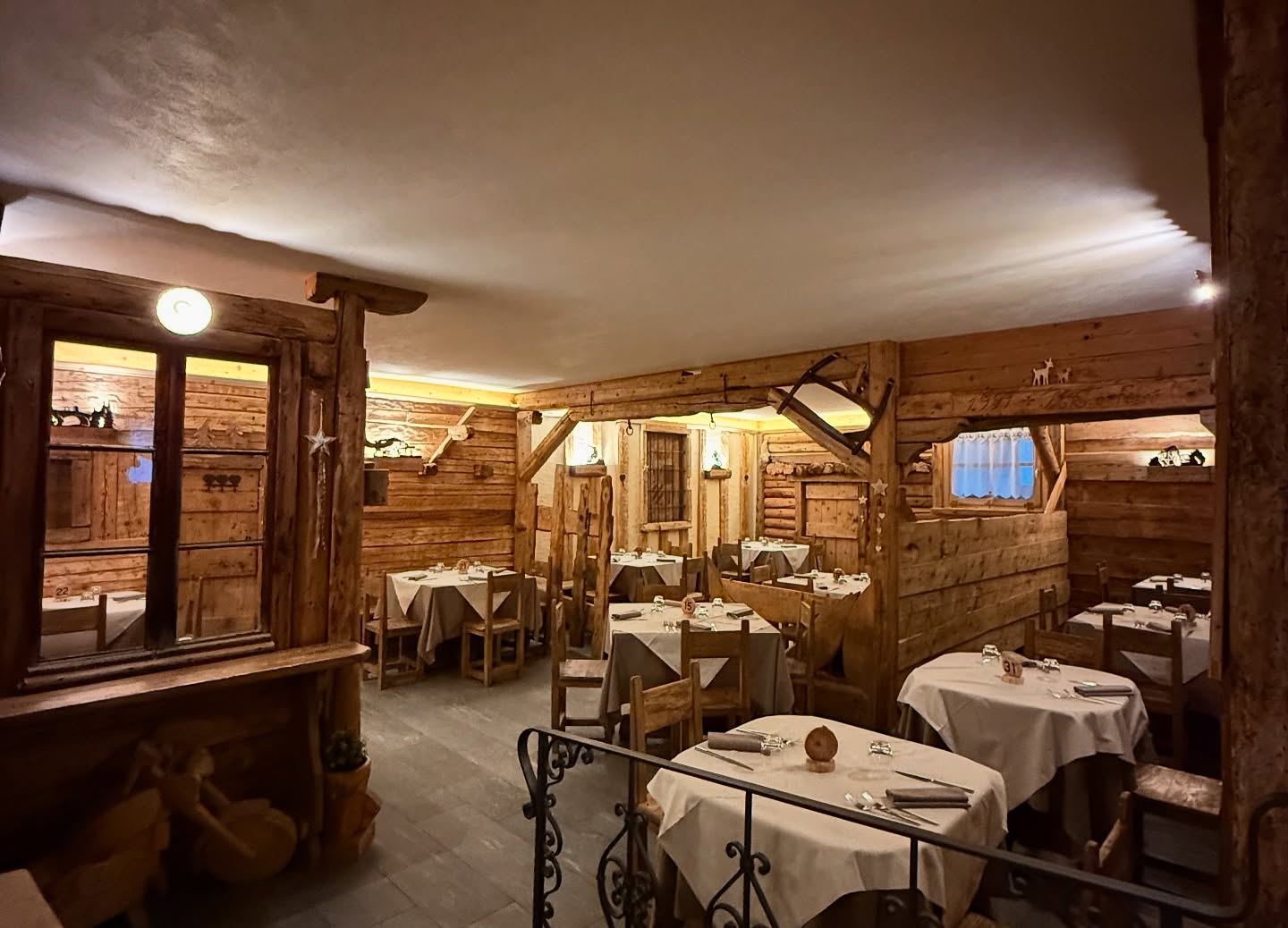
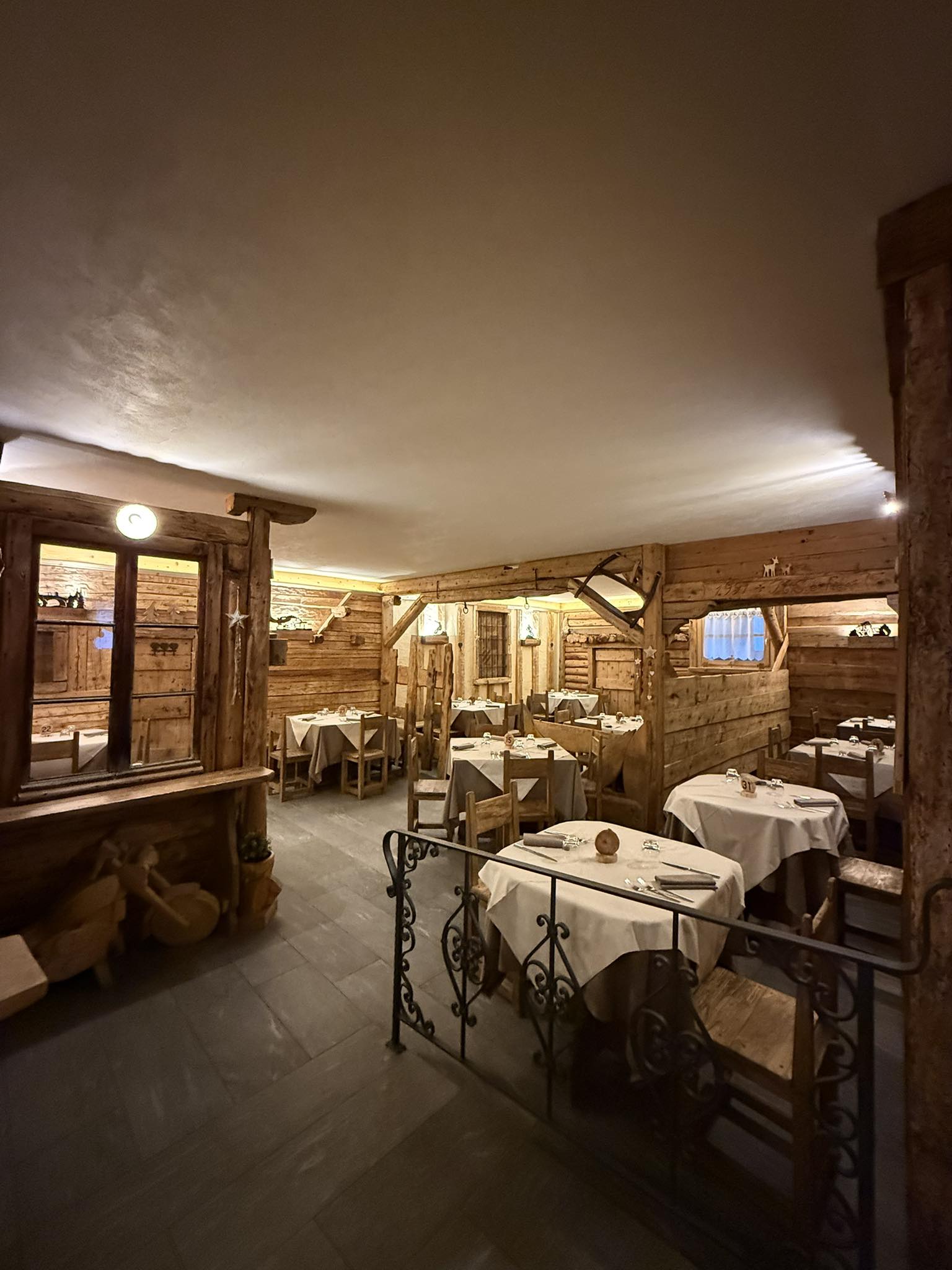
La Rasiga – Bormio
Set in the historic heart of Combo, the 15th-century family sawmill has been repurposed by Marino Colturi as a focused expression of Alpine heritage: La Rasiga. Entirely timber-clad, the interior preserves the raw, rustic integrity of the original structure—an environment of warmth and unvarnished honesty. Here, the kitchen renders the robust flavors of the Valtellina through regional cornerstones: pizzoccheri, wild game pappardelle, roasted ribs, and venison salmì. Following age-old ritual, the polenta thickens slowly in a copper paiolo over the wood-burning stove.
Complemented by strictly local charcuterie and cheeses, the meal concludes with house-made desserts—ranging from apple strudel to a sharp sorbet of Braulio (the local amaro) and a tiramisu infused with Worms (a regional Valtellinese liqueur). Serving as a final, quiet homage to the past is the turn-of-the-century caffè del pignatìn, prepared in its traditional small pot. Meticulously curated, the cellar spans the valley’s great reds—Grumello, Inferno, Sassella, and Sfursàt—balancing these robust vintages with selected bubbles, whites, and local craft brews like Birra Stelvio.
Vecchia Combo – Bormio
If the Stelvio defines the temple of speed, Vecchia Combo stands as the altar to unadulterated tradition. Beyond the Frodolfo stream—leaving Bormio’s worldly center for the district known simply as Combo—the historic quarter preserves its unvarnished charm.
In Piazza Santuario, the air carries a history scented with melted butter and buckwheat. Led with steady passion by Caterina Cantoni and Tiziana Rinaldi, this garrison of gastronomic resistance operates with uncompromised integrity, its limited covers and rustic atmosphere ensuring a focus on the region’s flavor-dense cucina povera.
Every dish serves as a homecoming, from crisp sciatt and manfrigole to pizzoccheri prepared according to ancestral ritual. Seeking territorial truth at honest prices and with candid hospitality: Vecchia Combo.
Best Mountain Restaurants on the Stelvio Slopes
Cristall Bar Mountain Bistrot – Bormio
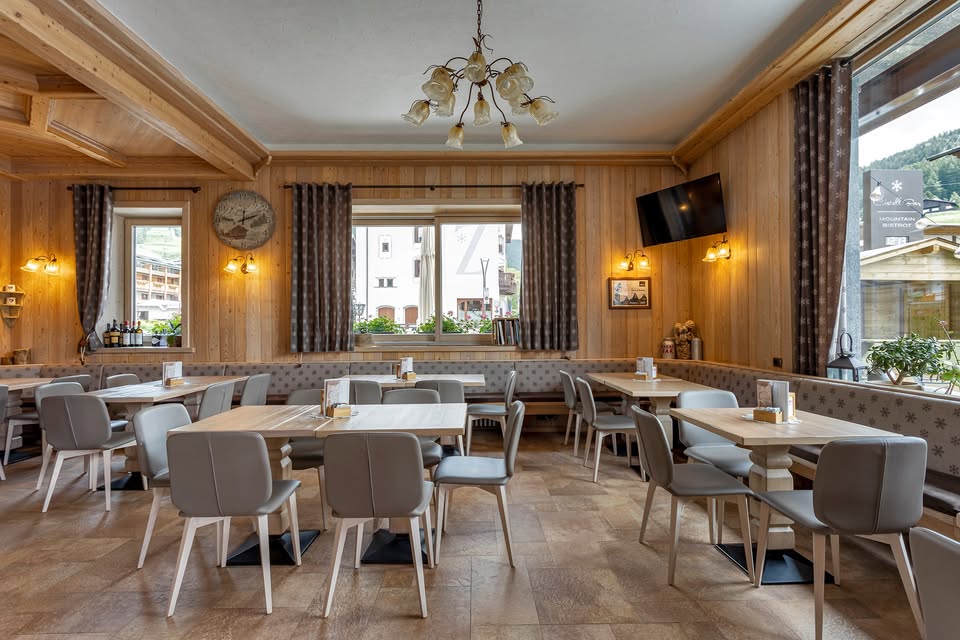
Standing at the terminus of the Stelvio slope, directly opposite the cable car departure, Cristall Bar Mountain Bistrot remains a historical landmark. Established in 1958 and now steered by the third generation—Sara and Monica—the space balances the tectonic warmth of natural larch with expansive glazing that opens onto a panoramic solarium, suspended directly over the race parterre.
The culinary approach follows two distinct paths. Lunch sequences regional mainstays, such as hand-worked pizzoccheri and Taroz bignole, with lighter, contemporary alternatives. By evening, the experience pivots toward a more structured repertoire where Alpine roots intersect with innovative meat and seafood compositions.
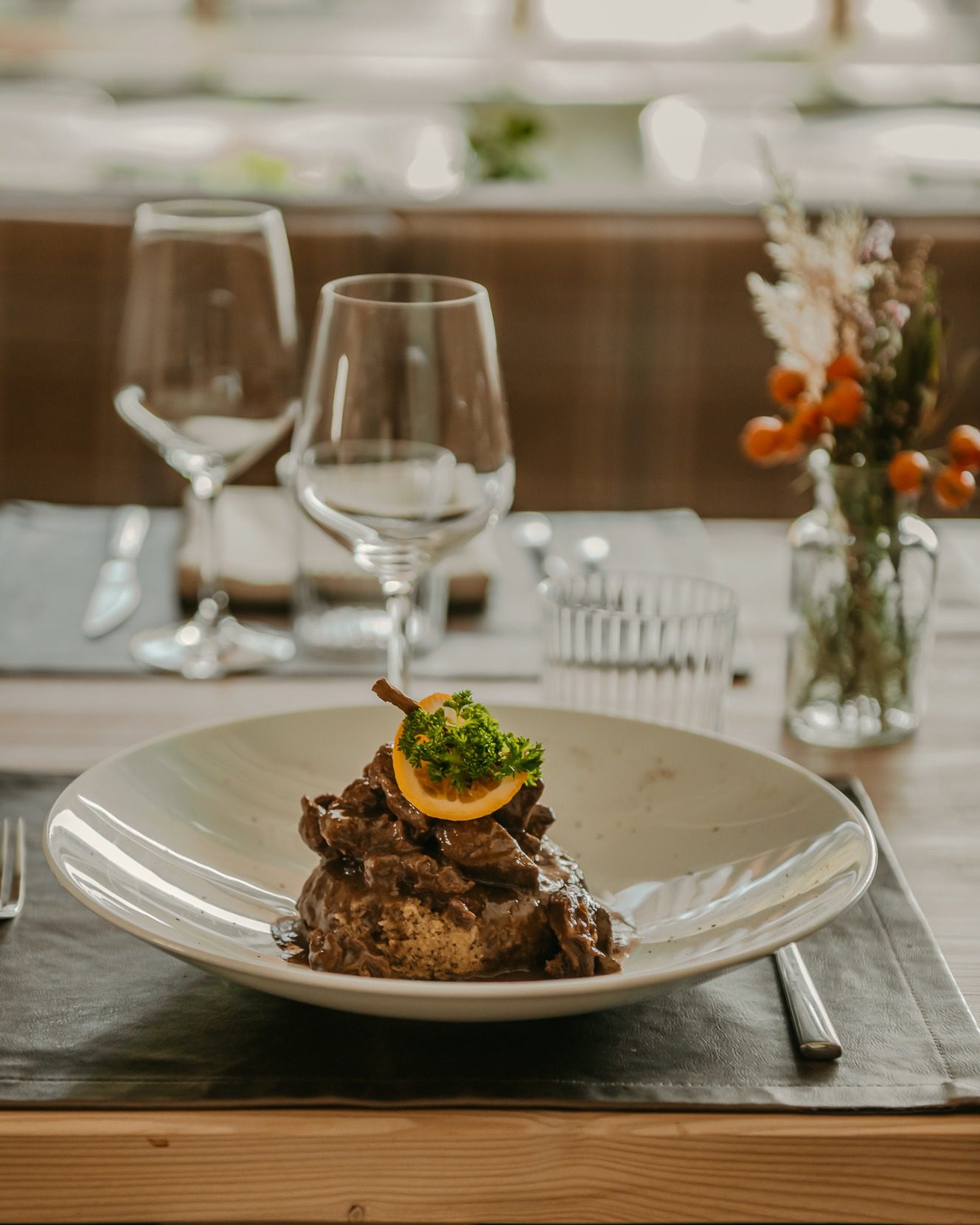
Featured on the menu are buckwheat sciatt over mixed greens, durum wheat spaghetti with calamari, and a scottona burger paired with Scimudin cheese and a 63° egg. Anchoring the experience is a precise wine selection, focusing strictly on Valtellinese labels.
Panoramic Restaurant Heaven 3000 – Bormio
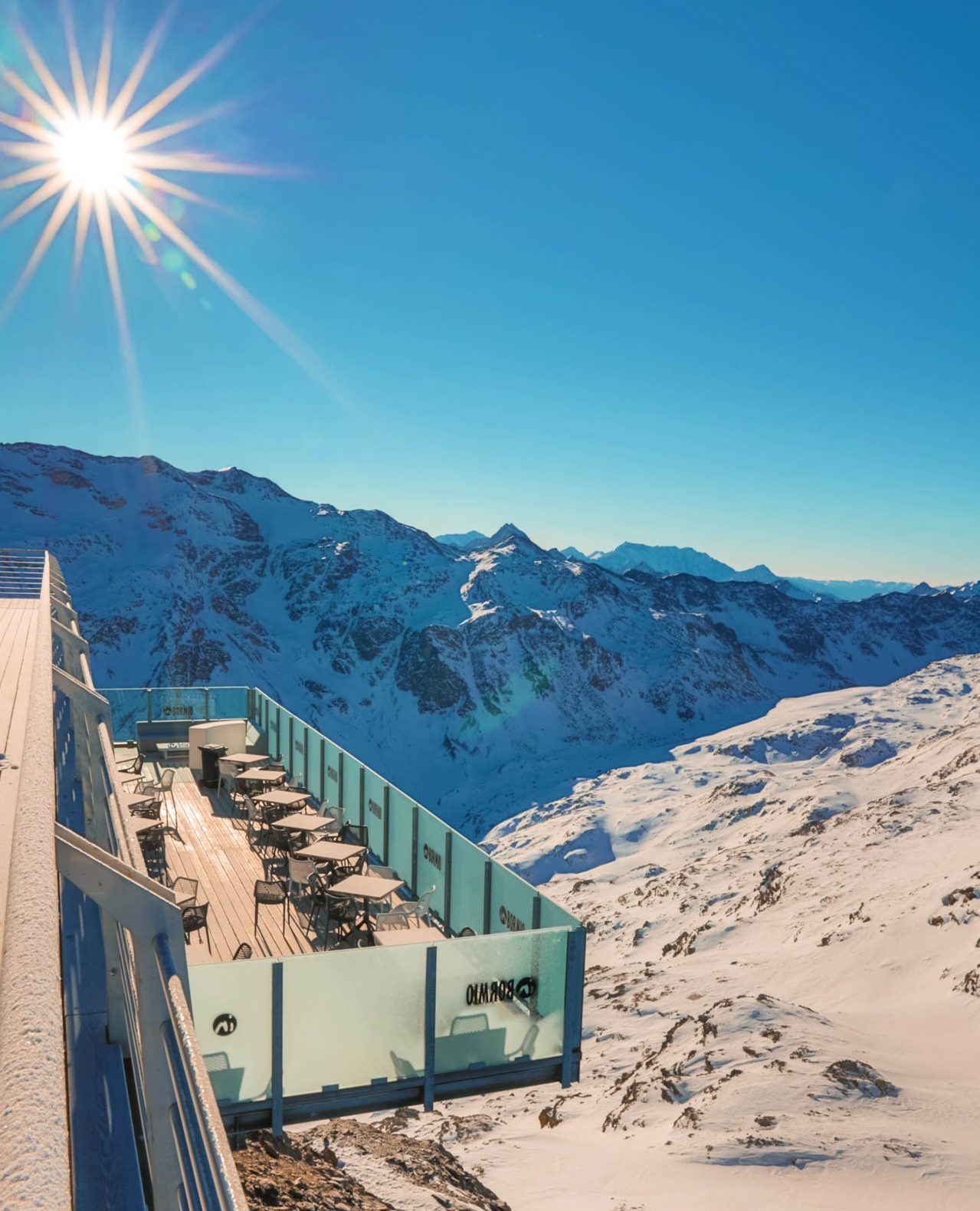
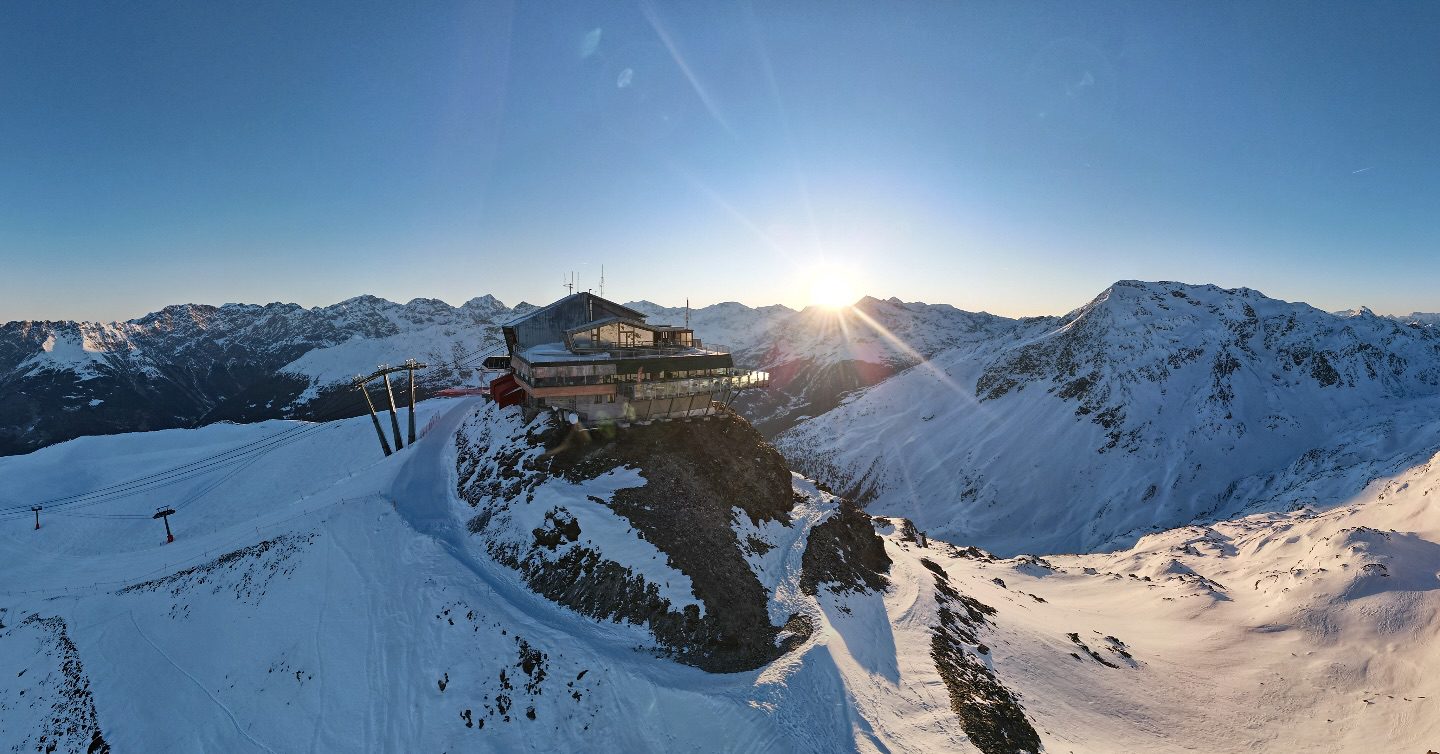
Anchored at 3,012 meters atop Cima Bianca, Heaven 3000 serves as a vital waypoint overlooking the Stelvio National Park. Situated at the arrival of the White Lady cable car, the chalet commands vistas extending to Cima Piazzi—the source of Levissima water—blending regional heritage with a privileged high-altitude perspective.
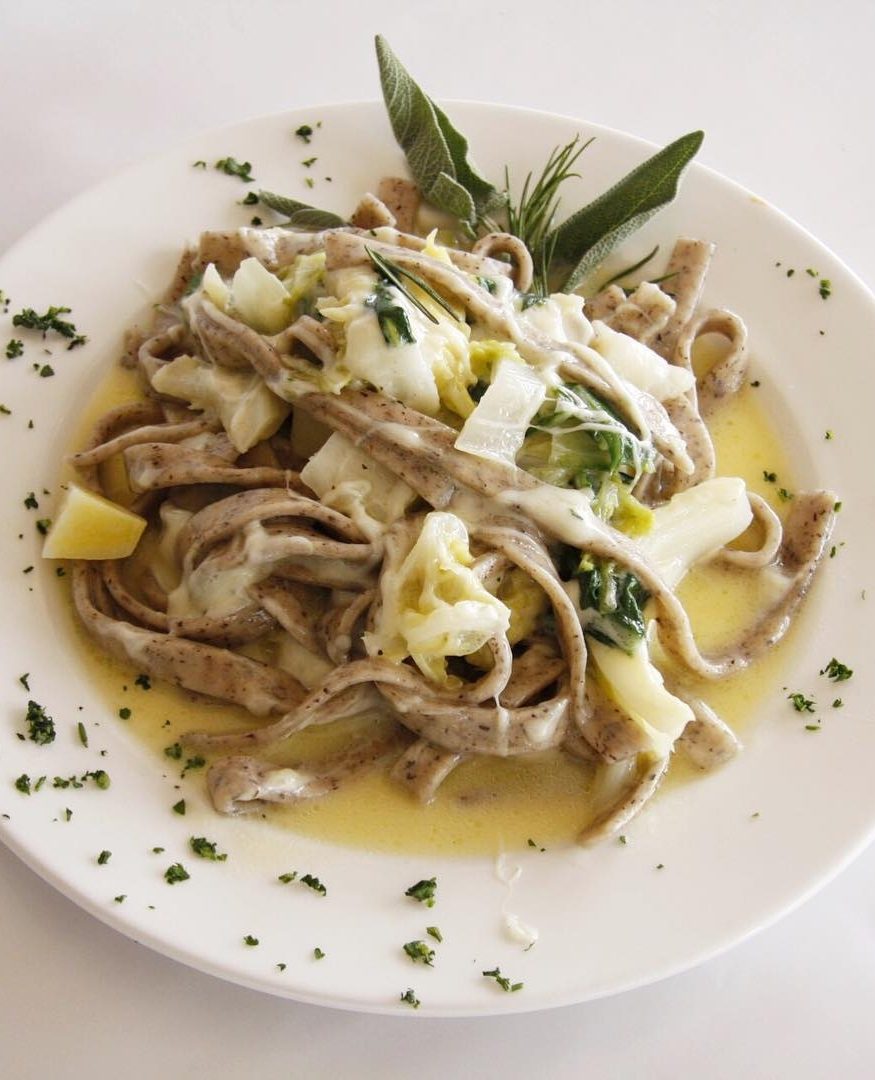
Managed by the Martinelli family, the refuge follows the lift system’s cadence, its service spanning from breakfast through the evening aperitif with a pragmatic, dynamic touch. Dishes reflect a rugged Alpine concrete: buckwheat sciatt with molten Casera cheese and bresaola carpaccio with porcini. First courses range from pizzoccheri enriched with alpine cheese to heartier polenta gnocchi in venison ragout and malfatti with speck and stewed onion.
Main courses alternates between the grill and Valtellinese-Tyrolean traditions. Venison ribs accented by juniper and Bormio grilled sausage appear alongside pioda-seared beef and the signature “Bastone”—a skewer of beef and bacon. Apple strudel and Bormio walnut cake provide the final note, supported by a wine list highlighting regional denominations: Sassella, Inferno, Grumello, and Sfursàt.
For those seeking absolute alpine silence: the Chalet Levissima 3000 suite, Europe’s highest retreat.